Recipe
Servings
Servings 1×
Ingredients
- Rolled oats
- Eggs
- Greek yogurt
- Bread
- Garlic
- Peanut butter
- Coconut milk
- Cream
- Butter
- Salt
- Black pepper
Method
- Use a 1:4 or 1:5 ratio of seeds to liquid.
- Use very ripe bananas for this.
- Give it more time at room temperature before refrigerating again.
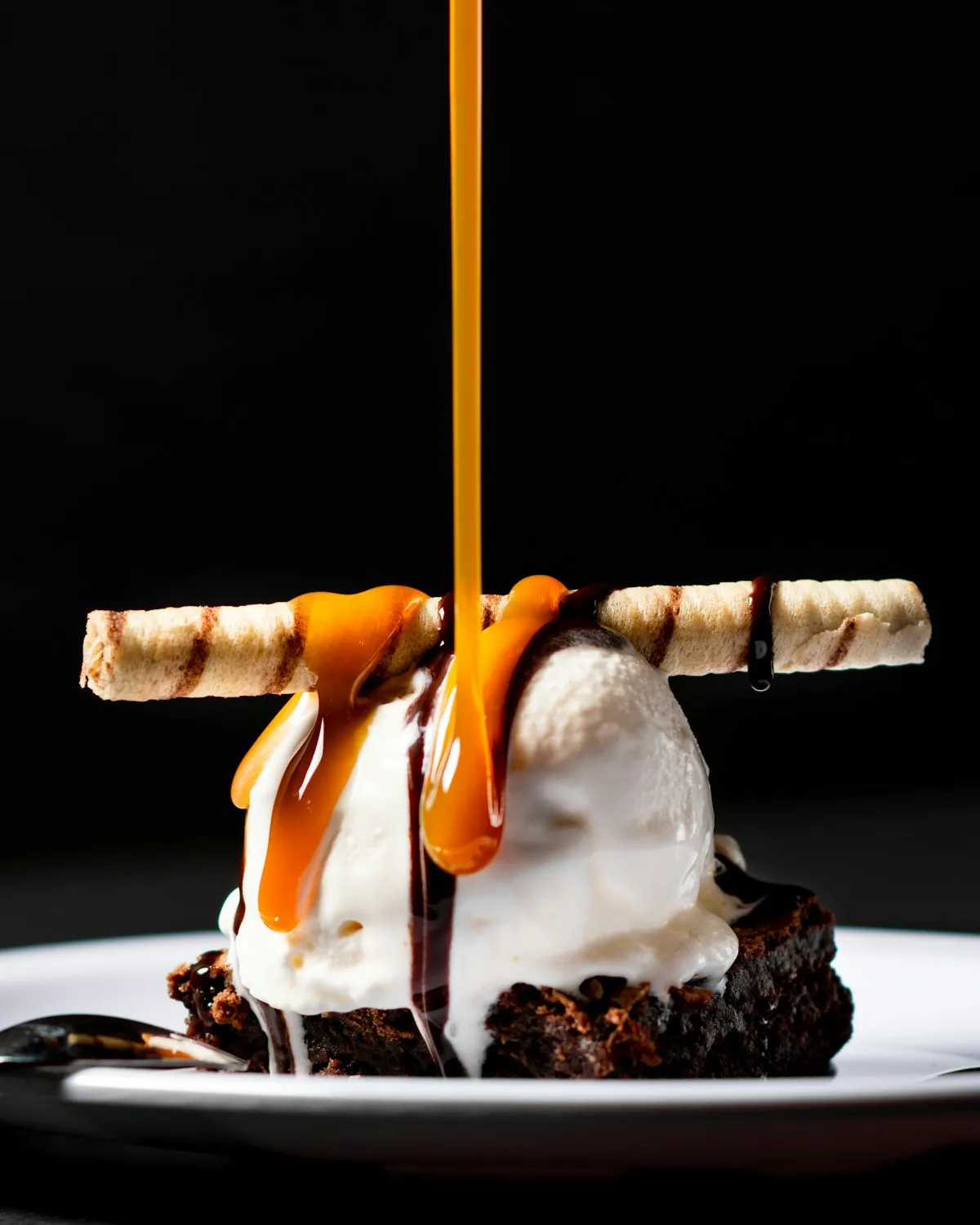
If you are tired of the morning scramble and need a breakfast that literally makes itself while you sleep, you have found your new best friend. This Creamy Peanut Butter & Banana Chia Pudding is the ultimate "lazy" health food that tastes like a decadent dessert but hits like a high-fiber powerhouse. I love it because it relies on pure kitchen science rather than fancy equipment, turning a few humble pantry staples into a thick, spoonable dream.
The Physics of the Perfect Pudding: Hydrophilic Magic
The secret to a great chia pudding isn't magic; it’s biology. Chia seeds are famously hydrophilic, meaning they absolutely love water. In fact, these tiny powerhouses can absorb up to 12 times their weight in liquid. When you submerge them in milk, the outer layer of the seed, the mucilage, expands and creates a gel-like coating. This is the same principle that makes some of our favorite quick family meals so satisfying; it’s all about creating the right texture through moisture management.
To get that thick, custard-like consistency, you have to respect the ratio. Use a 1:4 or 1:5 ratio of seeds to liquid. If you go too heavy on the seeds, you end up with a concrete block; too light, and you’re drinking chia soup. Aim for a quarter cup of seeds for every cup of milk. Understand that the mashed banana and peanut butter also add bulk, so give the seeds enough room to breathe and expand.
Don't just stir and walk away. This is where most people fail. Shake or whisk the mixture vigorously for at least a full minute, then wait five minutes and stir again. This second stir is non-negotiable. It breaks up the clumps that naturally form as the seeds begin to "bloom." Without that second agitation, you’ll find pockets of dry, crunchy seeds in your finished pudding, which is a tragedy nobody deserves.
Avoiding the Dreaded "Chia Brick"
Temperature plays a massive role in how fast those seeds hydrate. Cold milk from the fridge works, but it takes longer for the mucilage to fully develop. If you are in a rush, use room-temperature liquid to kickstart the process. Once the seeds have begun their transformation, then you can shove the jar into the fridge for the long haul.
Use very ripe bananas for this. The starch-to-sugar conversion in a speckled banana is what provides the natural sweetness and the creamy "binder" that bridges the gap between the milk and the fat in the peanut butter. Mash the banana until it is nearly a liquid state before folding it in. This ensures that every bite has that consistent banana-bread-flavor without chunky obstacles.
If you're looking for other ways to simplify your life after a long day, you might enjoy our Kielbasa Pierogi Air Fryer Roast, which is one of those healthy dinner ideas that requires almost as little effort as this pudding. Just like the pudding, it's about letting the tools do the heavy lifting for you.
Elevating the Flavor: Balancing the Ratios
Peanut butter is dense. To keep the pudding from feeling too heavy on the palate, you need to balance that richness. Incorporate a pinch of sea salt. Salt isn't just for savory dishes; it enhances the perception of sweetness in the banana and the nuttiness of the peanut butter.
Avoid using low-fat milks if you want a truly decadent experience. The fats in whole milk or full-fat coconut milk interact with the proteins in the chia seeds to create a much smoother emulsion. If you prefer a thinner consistency, increase the milk slightly, but remember that the banana will continue to break down and release moisture as it sits, so lean toward a thicker initial mix.
Flavor Tweaks and Texture Shifts
If the texture of whole chia seeds bothers you, there is a simple fix: use a blender. Blitzing the entire mixture for thirty seconds turns it into a smooth, mousse-like cream that feels much more like a traditional pudding. This is a great trick if you're trying to win over picky eaters who might be skeptical of the "boba-like" texture of whole seeds.
Switch up your nut butters if you want to experiment. Almond butter provides a more neutral, sophisticated flavor, while cashew butter adds an incredible creaminess. You can even add a teaspoon of cocoa powder to the mix to turn this into a chocolate peanut butter treat. For those who need more air fryer recipes dinner inspiration to pair with their healthy breakfast habits, consider how simple ingredients can be transformed with just a change in heat or texture, much like how we handle our Air Fryer Sausage and Pepper Medley.
For a bit of crunch, wait until you are ready to serve before adding toppings. Stovetop-toasted oats, crushed peanuts, or even a few cacao nibs provide the necessary textural contrast to the soft pudding. If you add them the night before, they will just become part of the mush, losing their structural integrity.
Morning Sides and Counterpoints
While this pudding is a meal in itself, pairing it correctly can make your breakfast feel like a full experience. Contrast the creamy, fatty nature of the peanut butter with something bright and acidic. A side of fresh raspberries or sliced strawberries works wonders. The acidity cuts through the richness, refreshing your palate between bites.
If you need a protein boost, serve this alongside a couple of hard-boiled eggs or a small serving of Greek yogurt. Because this pudding is quite dense, avoid pairing it with heavy grains or breads; you want something light and fresh to balance the scales. If you're planning your week and need more quick family meals, keeping a batch of this in the fridge alongside some pre-prepped veggies for a stir-fry is the ultimate pro-move.
Troubleshooting Your Pudding
What if my pudding is too runny?
This usually means your ratios were off or your seeds were old. Chia seeds lose some of their hydrophilic power over time. If it's still liquid after two hours, whisk in an extra tablespoon of seeds and give it another hour. Alternatively, stir in some extra peanut butter or a spoonful of Greek yogurt to manually thicken the base.
What if it's too thick and gritty?
You likely over-measured your seeds or used a very small banana. Don't panic. Splash in more milk a tablespoon at a time and stir vigorously until the consistency loosens up. If it's gritty, it means the seeds haven't fully hydrated. Give it more time at room temperature before refrigerating again.
How long does it actually last?
Because of the mashed banana, this pudding has a shorter shelf life than plain versions. The banana will begin to oxidize (turn brown) after about 48 hours. It’s still safe to eat, but it won't look as appetizing. For the best flavor and color, consume it within two days. If you want it to last longer, keep the banana separate and slice it on top just before eating.
Can I use frozen bananas?
Yes, but thaw them first. The excess moisture in frozen bananas can throw off your liquid ratio, so drain any "banana juice" before mashing, or reduce the milk by a tablespoon to compensate for the extra hydration.
Is this actually healthy?
Absolutely. You’re getting a massive hit of Omega-3 fatty acids, fiber, and potassium. It’s one of those healthy dinner ideas for your brain, keeping you full and focused until lunch. If you’re looking for more ways to use your kitchen gadgets for better health, don't miss our guide on Garlic Butter Ramen for a quick, comforting flip on a classic.
Stick to the ratios, don't skip the second stir, and use the ripest bananas you can find. Your future, well-fed self will thank you.