Recipe
Servings
4 servings 1×
Serves 4Prep 10 minCook 12 minTotal 22 min
Nutrition per serving
Ingredients
- 12 oz fusilli pasta
- 3 cups vegetable or chicken broth
- 1 cup whole milk
- 3 cloves garlic minced
- 1 tbsp olive oil
- 1/2 tsp salt
- 1/4 tsp black pepper
- 1/2 cup basil pesto
- 1/2 cup grated Parmesan cheese
- 2 cups baby spinach optional
Method
- Combine the fusilli, broth, milk, garlic, olive oil, salt, and pepper in a large heavy pot.
- Bring to a boil over medium-high heat, then reduce to a simmer.
- Cook for 8-10 minutes, stirring frequently, until the pasta is al dente and the liquid has thickened into a creamy sauce.
- Remove from heat and immediately stir in the pesto, Parmesan cheese, and spinach if using.
- Toss until the cheese is melted and the greens are wilted.
- Garnish with fresh basil and serve immediately.
Nothing kills the mood of a fresh, home-cooked meal quite like a bowl of pasta that has turned a muddy, unappetizing shade of forest floor. We’ve all been there: you start with a bunch of brilliant green basil and a dream of a restaurant-quality dinner, only to end up with something that looks like it’s been sitting in a steam tray for three days. My blog is all about making quick family meals that actually look and taste high-end, and today we are tackling the science of the one-pot pesto.
The Science of the “One-Pot” Emulsion and Vibrant Greens
The magic of a one-pot meal isn’t just about having fewer dishes to wash: though let’s be honest, that is a massive win. The real secret lies in the starch. When you boil pasta in a giant pot of water and drain it down the sink, you are literally throwing away the best thickening agent in your kitchen. By cooking the fusilli directly in the sauce base, we harness every single molecule of starch that escapes the grain. This creates what chefs call a “glossy emulsion.”
In my blog, I often talk about the chemistry of a good sauce. For this creamy pesto fusilli, the starch acts as a bridge between the water-based liquids and the oil-based pesto. Without it, your sauce might separate into a greasy mess. By simmering the pasta in a controlled amount of liquid, that liquid transforms into a velvety, cream-like coating that clings to every spiral of the fusilli. This is how you achieve healthy dinner ideas that feel indulgent without needing a pint of heavy cream.
But what about the color? Why does pesto often turn brown? It comes down to an enzyme called polyphenol oxidase (PPO). When basil leaves are bruised or heated, PPO reacts with oxygen to turn the leaves brown. To keep your greens vibrant, I recommend a quick 15-second blanch of the basil leaves before they ever touch the blender. This heat-shocks the enzymes, effectively “locking in” the chlorophyll. Even though we are making a one-pot dish, taking those few seconds to prep your greens ensures the final result is a stunning, bright emerald.
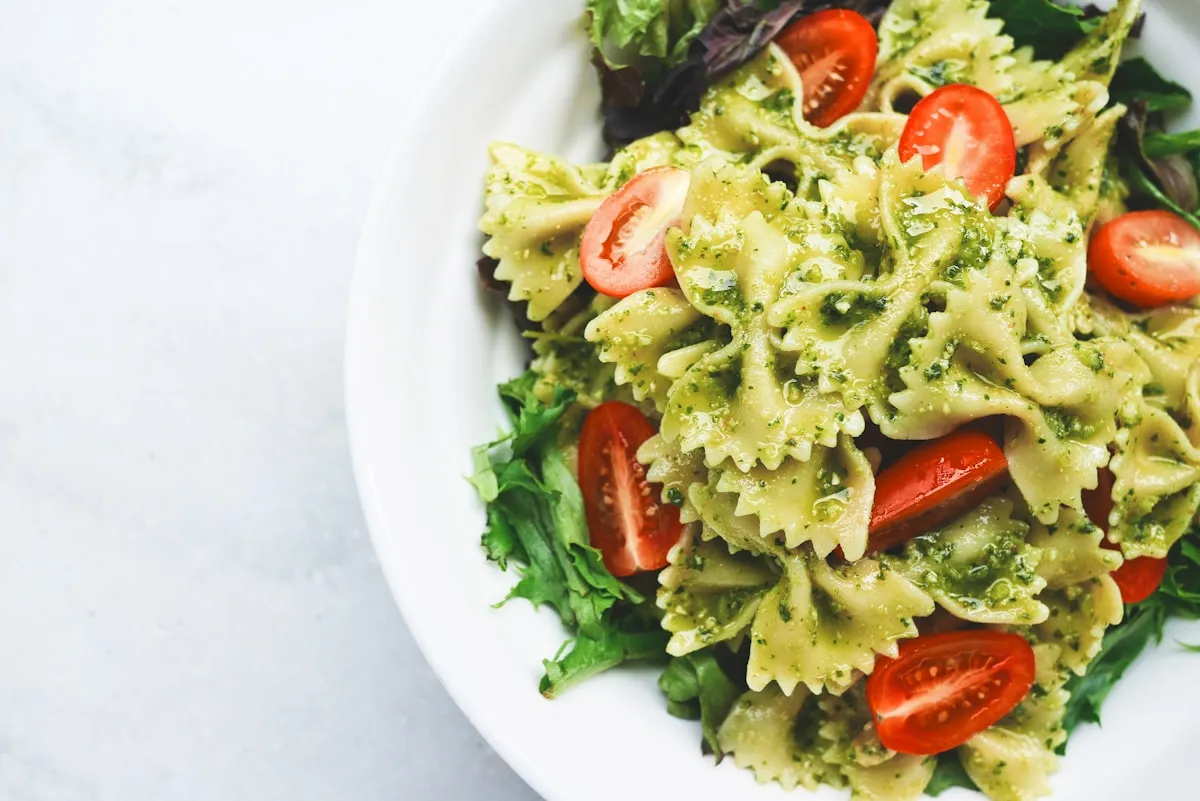
Furthermore, the timing of when you add your pesto to the pot is critical. If you boil pesto for ten minutes, the heat will dull the flavor and the color. The trick is to wait until the pasta has absorbed almost all the liquid and reached a perfect al dente state. Only then do you fold in your vibrant green pesto. The residual heat is enough to warm the sauce and coat the pasta without overcooking the delicate herbs. It’s these small technical shifts that turn standard quick family meals into something truly memorable.
Flavor Variations for Every Palate
One of the reasons this dish is a staple in my house is its sheer versatility. While a classic basil and pine nut pesto is the gold standard, you can easily adapt this technique to suit whatever is in your fridge. If you’re looking to boost the nutritional profile, try a “Power Green” version. Replace half the basil with baby spinach or blanched kale. Spinach adds a wonderful earthiness and even more iron, making it one of those healthy dinner ideas that kids actually enjoy because the pesto hides the “scary” veggies.
For those following a plant-based lifestyle, creating a vegan version is incredibly simple. Instead of Parmesan, I use a combination of nutritional yeast and toasted walnuts. The nutritional yeast provides that savory, “umami” punch that cheese usually brings, while the walnuts offer a rich, fatty texture. If you’re interested in more plant-forward cooking, you might also want to check out some vegan breakfast ideas easy enough for a Tuesday morning right here on the blog.
If you want to add protein, seared chicken breast or sautéed shrimp work beautifully here. The key is to cook the protein separately first, then set it aside. Add it back into the pot at the very end when you’re folding in the pesto. This prevents the chicken from becoming rubbery or the shrimp from shrinking into tiny, tough curls while the pasta simmers. You can even experiment with the “creamy” element: swapping dairy milk for coconut milk or even a splash of starchy pasta water mixed with a dollop of Greek yogurt for a tangy twist.
The Perfect Side Kick
While a one-pot pasta is technically a complete meal, I find that the richness of a creamy pesto benefits from a bit of contrast on the side. To keep with the theme of quick family meals, I usually go for something that requires zero cooking. A crisp arugula salad with a sharp lemon vinaigrette is my go-to. The peppery bite of the arugula and the acidity of the lemon help cut through the density of the starch and the fats in the pesto.
Another great option is a simple plate of heirloom tomatoes drizzled with balsamic glaze. Since the pasta is warm and soft, having something cold and juicy on the side creates a wonderful sensory balance. If you have five extra minutes, you can toss some sliced sourdough with garlic butter and pop it under the broiler. There is nothing quite like using a piece of crusty bread to swipe up the last remnants of that starchy, pesto-laden sauce from the bottom of the bowl. It’s the ultimate comfort food move.
Frequently Asked Questions
Why did my one-pot pasta turn out gummy?
Gummy pasta is usually the result of two things: too little liquid or not enough stirring. Because the starch is staying in the pan, it can become quite sticky. You want to make sure you have enough liquid (a mix of water and perhaps a little milk) so the pasta can move freely. Give it a stir every couple of minutes to prevent the noodles from bonding together.
Can I use store-bought pesto for this?
Absolutely! My blog is all about making life easier. If you use store-bought, look for the ones in the refrigerated section rather than the shelf-stable jars: they usually have a better color and fresher flavor. To brighten up a jarred pesto, add a squeeze of fresh lemon juice before mixing it into your fusilli.
What is the best pot to use for one-pot meals?
I always recommend a heavy-bottomed pot or a deep skillet with a lid. Cast iron or heavy stainless steel distributes heat more evenly, which prevents the pasta at the bottom from scorching while the top is still hard. A lid is essential for the first few minutes of cooking to trap steam and help the pasta soften uniformly.
How do I reheat leftovers without the sauce breaking?
Pesto is notorious for separating when reheated. The best way to revive your one-pot fusilli the next day is to add a tiny splash of water or milk before microwaving it or heating it on the stove. This helps re-emulsify the starches and fats, bringing that creamy texture back to life. Avoid high heat; a gentle warm-up is all you need.
Is fusilli the only pasta that works?
Fusilli is great because its spirals act like a screw, trapping the sauce in its ridges. However, penne or conchiglie (shells) also work well. I would avoid long strands like spaghetti for the one-pot method unless you are very experienced, as they tend to clump together much more easily when cooked in a limited amount of liquid.
For more cooking tips and easy ideas, feel free to explore more posts on the blog. A vibrant, green bowl of pasta is a great place to begin!