Recipe
Servings
Servings 1×
Ingredients
- Tofu
- Noodles
- Rice
- Bread
- Potatoes
- Cauliflower
- Broccoli
- Greens
- Lime
- Cooking oil
- Sesame
- Chili seasoning
- Salt
Method
- Let’s be honest: tofu gets a bad rap.
- Use that to your advantage.
- Use too much, though, and you get dusty tofu with the personality of drywall.
- Use enough to coat, not enough to build a winter jacket.
- Finish with something bright and punchy after cooking so it lands on the palate instead of disappearing into the tofu’s interior.
- Start with the savory foundation.
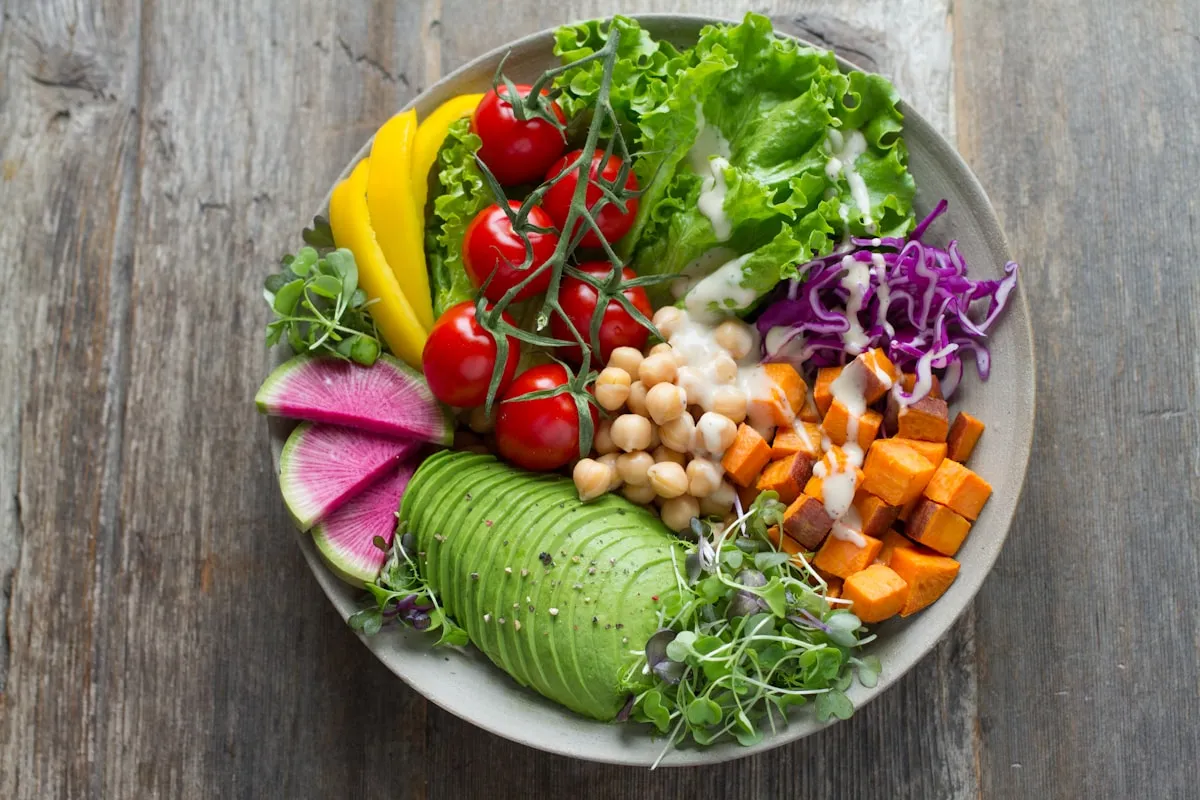
Let’s be honest: tofu gets a bad rap. If you’ve ever bitten into a bland, spongy cube of soy that felt like a wet eraser, I don’t blame you for being skeptical. But my blog is here to change your mind. By pairing air-fryer heat with coconut, lime, and a little kitchen discipline, you get tofu that’s bronzed, crackly, and deeply savory instead of sad and squeaky. This is the kind of dinner that earns a repeat spot in your lineup of quick family meals because it tastes bright, rich, and suspiciously like you know exactly what you’re doing.
The Science of Browning: How Tofu Gets Actually Delicious
If you want crispy tofu with real flavor, don’t think only about “crunch.” Think about browning. More specifically, think about the Maillard reaction, which is the chemical reaction between amino acids and reducing sugars that creates hundreds of new flavor compounds when food is exposed to enough dry heat. It’s the reason toast tastes better than bread, the reason roasted potatoes beat boiled ones, and the reason tofu can go from “fine, I guess” to deeply savory with just a few smart moves.
Here’s the catch: tofu is not naturally set up for dramatic browning. It holds a lot of water, and water keeps the surface temperature pinned down until that moisture evaporates. In plain English, wet tofu steams before it browns. That’s why pressing is non-negotiable. Pressing removes surface and internal moisture so the exterior can heat up fast enough for browning to begin. Skip it, and the air fryer spends precious time trying to dry out your tofu while you wonder why it looks pale and tastes like a missed opportunity.
The air fryer helps because it surrounds the tofu with circulating dry heat. That movement of hot air speeds evaporation and encourages a more even crust. But the machine is only part of the story. Surface area matters too. Torn or cut tofu with rough edges develops more little craggy bits, and those bits brown faster than smooth walls do. More nooks mean more contact with heat, more dehydration, and more spots for the Maillard reaction to flex. Use that to your advantage. Perfect cubes look tidy, but irregular edges often taste better.
Now let’s talk starch, because starch is the tofu glow-up nobody respects enough. A light coating of cornstarch, potato starch, or arrowroot creates a thin, dry layer that helps wick away lingering moisture on the outside. That layer gelatinizes, dehydrates, and turns brittle under heat, which gives you that fragile shell you can hear when you bite into it. It also creates extra texture for flavor to cling to later. Use too much, though, and you get dusty tofu with the personality of drywall. Use enough to coat, not enough to build a winter jacket.
Coconut changes the equation in a fun way. It brings sugar, fat, and texture. Sugar encourages faster browning. Fat improves heat transfer and adds richness. The shredded texture adds little points that toast quickly and create contrast against the tofu’s firmer crust. This is why coconut-lime tofu can taste so layered even when the ingredient list stays pretty lean. You’re not piling on a dozen sauces. You’re letting browning, toasting, and acidity do the heavy lifting.
Oil matters here too, but not because you’re trying to deep-fry anything. A small amount of oil helps the coating conduct heat more efficiently and promotes even browning. It also reduces the chalky finish that dry starch can leave behind. Go light. You want shimmer, not a puddle. Too much oil softens the coating and can make the coconut toast unevenly.
The biggest myth about tofu is that flavor only comes from marinade. Marinades help, but they are not magic. In fact, soaking tofu in a very wet marinade before air frying can sabotage crispness by reintroducing moisture right when you’re trying to drive moisture out. For a recipe like this, flavor layering works better when you think in stages. Build some seasoning into the coating. Build more flavor through browning. Finish with something bright and punchy after cooking so it lands on the palate instead of disappearing into the tofu’s interior. That’s how you make plant-based food taste intentional.
Flavor Layering Without the Fuss
Plant-based cooking gets much better when you stop chasing “meaty” and start chasing balance. Tofu is mild, which means it behaves like a blank canvas, but that canvas still needs contrast. The coconut brings sweetness and fat. The lime brings acid and aromatic oils from the zest. The browned tofu brings savory depth. Salt amplifies everything. When those elements land in the right order, the dish tastes complete instead of merely virtuous.
Start with the savory foundation. Browning creates nutty, roasted notes that make tofu taste fuller and more satisfying. Then add richness. Coconut doesn’t just taste tropical; it rounds sharp edges and gives the dish a fuller mouthfeel. After that, hit it with acidity. Lime is doing two jobs at once: the juice brightens the flavor, and the zest carries fragrant citrus oils that make the whole dish smell fresher before you even take a bite. That aromatic top note matters more than people think. Smell is flavor’s hype team.
Here’s where lime gets extra interesting: most of its big aroma comes from volatile compounds in the peel, especially limonene and citral. Those compounds evaporate easily, which is exactly why fresh zest smells loud and lively while bottled citrus flavor tends to taste flat. Volatile means fragile, though. Blast those oils with too much heat for too long and they fade fast. Use zest near the end or as a finish, and you keep more of that sharp floral-citrus perfume. Use juice for brightness, but use zest for aroma. They are not interchangeable, and pretending they are is how you end up with tofu that tastes acidic but not especially limey.
A touch of sweetness can also help, especially in plant-based dishes that rely heavily on acid and salt. You don’t need dessert-level sweetness. You need enough to soften bitterness and support browning. Coconut already handles some of that naturally, which is part of why this combo works so well. Add heat if you want, but use it with purpose. Chili is most useful here as a contrast element. It wakes up the richness and keeps the lime from feeling too polite.
Texture is part of flavor layering too, and yes, I will die on this hill. Crisp tofu tastes more flavorful because crunch extends the sensory experience. Your brain reads texture as information. A crispy edge followed by a tender center creates contrast, and contrast keeps each bite from feeling flat. This is one reason so many healthy dinner ideas fail in the wild: everything is soft, beige, and emotionally exhausting. Give the eater crunch, acid, and a browned surface, and suddenly dinner has a pulse.
If you want this dish to qualify as one of your go-to air fryer recipes dinner options, respect the order of operations. Dry first. Brown second. Finish bright. That sequence keeps each flavor clear instead of muddy. It also gives you the best shot at tofu that stays crisp long enough to make it from basket to plate without collapsing into steamed sadness.
There’s also a practical reason to finish with lime instead of drenching the tofu early. Acidic liquids don’t magically penetrate tofu in a meaningful way during a short marinade, but they do add surface moisture. Surface moisture delays browning and softens crust. That means the smartest move is to let dehydration and browning happen first, then add the citrus once the structure is set. Think of the crust as architecture. Build it before you decorate it.
Flavor Variations That Still Respect the Science
The coconut-lime version is the star, but the method is flexible if you keep the balance intact. Want something more savory and less tropical? Swap the lime profile for rice vinegar and add toasted sesame notes. You still want acid to cut richness, and you still want some aromatic lift, but the final effect leans nuttier and deeper. Keep the dry coating approach so you preserve the crust.
If you like heat, go for a spicy version with chili flakes or a sharp chile sauce added after cooking rather than before. That timing matters. Sugary or wet spicy sauces applied too early can burn, or worse, soften the exterior you worked so hard to build. Add them late so the tofu stays crisp and the heat tastes vivid instead of scorched.
For a more herb-forward variation, think cilantro, mint, or basil as finishing elements. Fresh herbs add volatile aromatic compounds that make a rich dish feel lighter. Use them at the end, not during cooking, because those aromas disappear quickly under prolonged heat. If you need a nut-free route but still want extra crunch, use panko or a coarser starch coating and let lime handle the brightness. The personality changes, but the architecture stays strong: rich, crisp, salty, acidic.
You can also borrow the same framework for tempeh. Just expect a different result. Tempeh is denser, earthier, and less juicy than tofu, so it browns differently and carries bitterness more clearly. That means acidity becomes even more important. If tofu is the friendly sponge, tempeh is the firm handshake. Both work. One is just less interested in people-pleasing.
Balancing the Plate: Side Dish Pairings
This tofu has crunch, richness, and sharp citrus, so pair it with sides that either cool things down or soak things up. Rice is the obvious friend because it catches every bit of limey coconut goodness without competing. Jasmine rice works well because its floral aroma supports the tropical notes. If you want a lighter feel, use cauliflower rice, but give it some aromatics so it doesn’t taste like a compromise you made under pressure.
A crisp slaw is another smart move. Use cabbage or another sturdy vegetable with a tart dressing. The point is contrast. Cold, crunchy vegetables reset your palate between bites of rich tofu and keep the meal from feeling heavy. If you’d rather go warm, choose greens with a little bitterness, like bok choy or broccoli, because bitterness makes sweet coconut and bright lime taste even more focused.
For a more filling plate, add noodles or a grain bowl base, but keep the sauce restrained. Too much extra sauce blurs the flavor layering and softens the crust. Let the tofu stay the loud one at the table. That’s how this lands among your better quick family meals instead of becoming another bowl of nice intentions.
Frequently Asked Questions
Why isn’t my tofu browning even though it’s been cooking forever?
You’re probably dealing with excess moisture. Browning can’t really get going until the surface dries out enough for higher heat to take over. If the tofu wasn’t pressed well, or if it was coated in a wet marinade before air frying, the machine has to steam off that water first. Use drier tofu, coat lightly, and give the pieces space. Crowding traps steam, and steam is the sworn enemy of the Maillard reaction.
What if my tofu gets crisp outside but still tastes bland?
Crispness and flavor are cousins, not twins. Texture alone can’t do all the work. You need seasoning in layers. Salt the coating. Let browning build savory depth. Then finish with lime or another bright element after cooking so the top notes stay loud. If all the flavor goes on before cooking, some of it fades into the background. Layering is how plant-based dishes stop tasting one-note.
Can I use silken or regular firm tofu instead of extra-firm?
Use extra-firm if you want the easiest path to success. Silken tofu is a hard no here because it contains too much water and its structure is too delicate. Regular firm tofu can work, but press it longer and expect a softer center. The more water the tofu starts with, the harder it is to get serious browning and a sturdy crust. Physics is rude like that.
Why does my coating fall off in the air fryer?
Usually because the tofu surface is too wet or the coating is too heavy. A thin starch layer adheres better and crisps more evenly. If you pile it on, it can separate before it sets. Also avoid tossing the tofu too aggressively once coated. Gentle handling helps the crust form before it starts getting bumped around by hot air and your own impatience.
What if my coconut turns dark before the tofu is fully cooked?
That’s normal-ish because coconut contains natural sugars and fat, so it toasts fast. Lower the cooking temperature slightly if your air fryer runs hot, and keep an eye on color instead of cooking by blind faith. You’re aiming for deep golden, not campfire aftermath. Smaller coconut shreds also brown faster than larger flakes, so adjust your expectations depending on what you use.
Do I really need starch, or can I skip it?
You can skip it, but you’ll get a different result. Without starch, tofu can still brown, but the crust will be thinner and less dramatic. Starch improves surface dryness and creates that brittle, snacky shell people actually remember. If you want tofu that feels special instead of merely competent, use the starch.
Why does lime sometimes make the tofu seem less crispy?
Because liquid softens crust. This is not lime being difficult; this is just moisture doing its job. Add lime right before serving, not too early, and use enough to brighten rather than soak. Zest helps a lot here because it adds bold citrus aroma without extra liquid. That’s one of the smartest ways to boost flavor in healthy dinner ideas without sacrificing texture.
How do I reheat leftovers without creating sad, rubbery tofu?
Avoid the microwave if crispness matters to you. Reheat the tofu in the air fryer or oven so the surface can dry back out and re-crisp. High-moisture reheating softens the coating and makes the interior tougher at the same time, which is honestly an impressive level of betrayal. A short blast of dry heat brings the crust back and keeps the flavor from going flat.
For more inspiration on plant-based cooking and fast weeknight wins, check out my other vegetarian dinner recipes or try my 15-minute Thai noodles for another bright, speedy dinner.