Recipe
Servings
Servings 1×
Ingredients
- Chicken
- Salmon
- Shrimp
- Tofu
- Quinoa
- Pasta
- Greek yogurt
- Broccoli
- Cucumber
- Garlic
- Fresh ginger
- Lemon
- Lime
- Cooking oil
- Soy sauce or tamari
- Sesame
- Chili seasoning
- Salt
Method
- Let’s be honest: for a long time, the words "healthy" and "quick" were code for "bland" and "cardboard-like." You’ve probably spent many nights staring at a sad, steamed chicken breast, wondering if this is the price you have to pay for wellness.
- Use high heat and short durations to get that "browned" flavor without overcooking the interior.
- Use smoked paprika and lime for a classic feel, or pivot to lemon and oregano for a Mediterranean vibe.
Let’s be honest: for a long time, the words "healthy" and "quick" were code for "bland" and "cardboard-like." You’ve probably spent many nights staring at a sad, steamed chicken breast, wondering if this is the price you have to pay for wellness. I’m here to tell you that’s a myth. With the right science-backed techniques, you can transform quick healthy meals into flavor powerhouses that rival your favorite takeout. You don't need a culinary degree; you just need to understand how your brain perceives flavor.
The Science of Fast Flavor: Why Your Food Needs "The Edge"
If you want your food to taste incredible without spending hours in the kitchen, you have to master the "why" behind flavor perception. Most people think taste happens on the tongue, but that’s only about 20% of the story. The rest happens in your nose. When you eat, aroma molecules travel from the back of your throat to your olfactory system: a process called retronasal olfaction. This is why healthy dinner ideas often fall flat; they lack the volatile aromatic compounds that make your brain sit up and take notice.
Embrace the Maillard Reaction
Stop boiling everything. Boiling is the enemy of flavor because it caps the temperature at 212°F (100°C). To get real depth, you need the Maillard reaction. This is the chemical reaction between amino acids and reducing sugars that occurs around 280°F to 330°F. It creates hundreds of new flavor compounds. When you sear a piece of salmon or roast broccoli until the edges are charred, you aren't just cooking it; you are chemically engineering deliciousness. Use high heat and short durations to get that "browned" flavor without overcooking the interior.
The Power of Umami and Acid
Umami is the "fifth taste," providing a savory, meaty depth that makes food satisfying. To make quick family meals feel indulgent, you need to leverage natural sources of glutamates like soy sauce, nutritional yeast, or even a squeeze of tomato paste. Pair this with acid: lemon juice, lime, or a splash of vinegar. Acid acts like a spotlight; it brightens heavy flavors and makes the natural sweetness of vegetables pop. If a dish tastes "flat," don't reach for the salt shaker first. Reach for a lemon wedge.
Aromatic Foundations
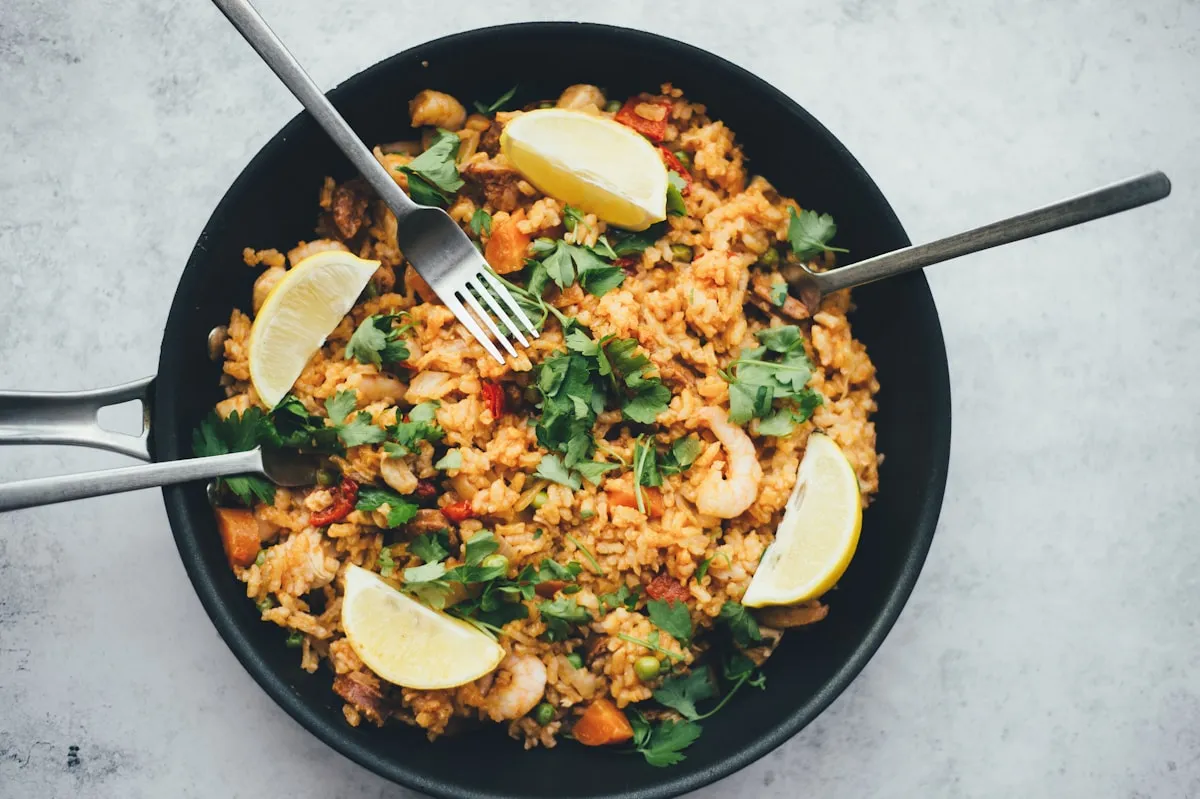
Never skip the "aromatic start." Before adding your main ingredients, spend sixty seconds blooming your spices in a tiny bit of oil. This releases the fat-soluble flavor molecules that would otherwise stay locked inside the dried herbs. Whether it's garlic, ginger, or cumin, that one minute of high-heat exposure changes the entire profile of the dish. This is the secret behind why my 15-minute meals pack such a punch.
Flipping the Script: Variations for Every Palate
One of the best things about mastering these techniques is the flexibility. Once you understand the balance of acid, fat, and umami, you can swap ingredients based on what’s in your fridge. Think of recipes as a framework rather than a rigid set of rules.
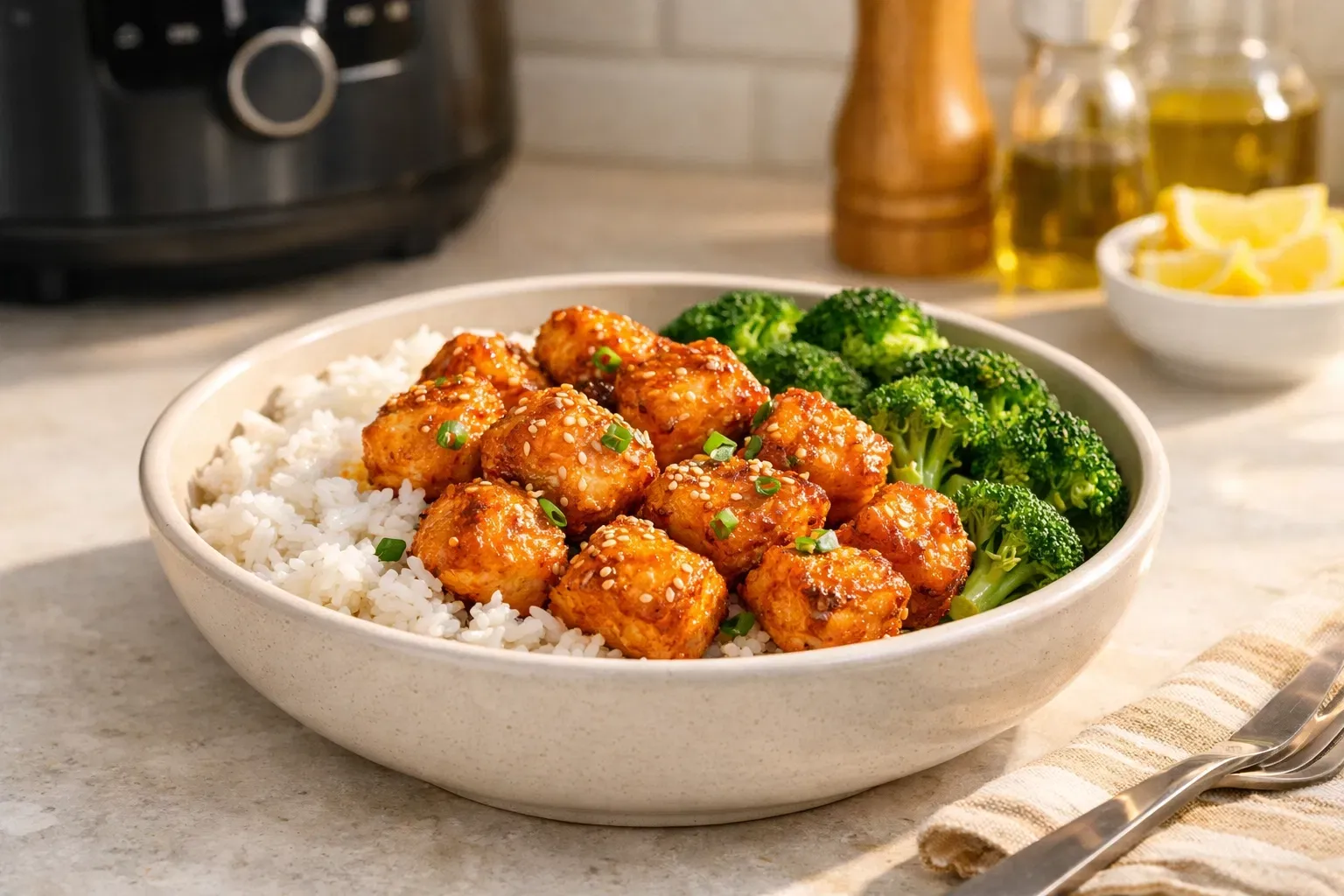
If you are looking for air fryer recipes dinner enthusiasts will love, consider the humble tofu. Instead of the usual soft texture, air-frying at high heat creates a crispy exterior that holds onto sauces beautifully. You can take a basic sesame glaze and pivot: swap the soy sauce for coconut aminos for a soy-free version, or add a teaspoon of chili crisp to bring in some heat.
For poultry, the same logic applies. If you’re tired of the same chicken fajitas, change the aromatic profile. Use smoked paprika and lime for a classic feel, or pivot to lemon and oregano for a Mediterranean vibe. The cooking method: a quick, high-heat sear: remains the same, but the flavor profile shifts entirely. This "plug-and-play" approach is the easiest way to keep your meal rotation from getting stale while maintaining your health goals.
Perfect Pairings: Balancing the Plate
A great meal isn't just about the main dish; it’s about how the side dishes interact with it. The goal is balance. If you have a rich, umami-heavy main: like a creamy salmon pasta: you need a side dish that offers high acidity and crunch to cut through that richness.
A simple arugula salad with a sharp lemon vinaigrette is a classic for a reason. The bitterness of the greens and the sharpness of the lemon refresh your palate between bites of the heavier pasta. Conversely, if you’re serving something lean and bright, like a shrimp stir-fry, a side of one-pot pasta or quinoa with a bit of healthy fat (like toasted sesame oil) provides the necessary "weight" to make the meal feel complete.
Don't ignore texture. If your main dish is soft, your side should be crunchy. If your main is spicy, your side should be cooling (think cucumber or a yogurt-based dip). This contrast is what makes a meal memorable rather than just "fuel."
FAQ: Solving Your Healthy Cooking Hurdles
Why does my healthy food always turn out soggy?
Sogginess is usually caused by overcrowding the pan. When you put too many vegetables or pieces of meat in the pan at once, the temperature drops and the food begins to steam in its own moisture rather than sear. To fix this, cook in batches or use a larger pan. Ensure your ingredients are patted dry before they hit the heat; moisture is the enemy of the Maillard reaction.
How can I make air fryer recipes dinner guests will actually enjoy?
The key to the air fryer is not to forget the fat. Even though it's "oil-less" cooking, a tiny spray of high-quality oil helps the heat transfer more efficiently and creates that golden-brown crust. Also, don't forget to shake the basket! Even distribution of air is what makes the food crispy. If the air can't circulate, you'll end up with unevenly cooked results.
Can quick family meals really be nutritious?
Absolutely. Nutrition often comes down to the quality of the ingredients and the cooking method. By using quick, high-heat methods like stir-frying or air-frying, you actually preserve more heat-sensitive vitamins (like Vitamin C and B vitamins) than you would with long, slow boiling. Use frozen vegetables if you're in a rush: they are often flash-frozen at peak ripeness and are just as nutritious as fresh ones.
What if my kids hate vegetables?
Flavor science can help here, too. Bitterness is the main reason kids reject greens. You can suppress bitterness by adding a tiny amount of salt or something slightly sweet (like a drizzle of honey or balsamic glaze). Roasting vegetables also helps by caramelizing their natural sugars, making them much more palatable than when they are steamed.
Does it matter what kind of salt I use?
In terms of chemistry, salt is salt. However, the texture matters. Coarse kosher salt or flaky sea salt gives you more control and a nice "pop" of flavor on the tongue. Avoid over-salting during the cooking process; instead, add a tiny pinch right before serving to hit those taste receptors immediately.
{“faq”:{“@type”:”FAQPage”,”mainEntity”:[{“name”:”Why does my healthy food always turn out soggy?”,”@type”:”Question”,”acceptedAnswer”:{“text”:”Sogginess is usually caused by overcrowding the pan, which lowers the temperature and causes food to steam. Cook in batches and ensure ingredients are dry.”,”@type”:”Answer”}},{“name”:”How can I make air fryer recipes dinner guests will actually enjoy?”,”@type”:”Question”,”acceptedAnswer”:{“text”:”Use a small amount of oil spray to aid heat transfer and shake the basket frequently to ensure even air circulation and crispiness.”,”@type”:”Answer”}}]},”@type”:”BlogPosting”,”image”:”https://cdn.marblism.com/H3jIyWSLNIU.webp”,”author”:{“name”:”Penny”,”@type”:”Person”},”@context”:”https://schema.org”,”headline”:”Does Quick Healthy Food Really Taste Good? 10 Recipes That Prove Yes”,”publisher”:{“logo”:{“url”:”https://cookpedia.com/logo.png”,”@type”:”ImageObject”},”name”:”Cookpedia”,”@type”:”Organization”},”description”:”Discover the science behind making quick healthy meals taste amazing. Learn about the Maillard reaction, umami, and flavor balancing for perfect weeknight dinners.”,”datePublished”:”2026-07-15″,”mainEntityOfPage”:{“@id”:”https://cookpedia.com/does-quick-healthy-food-taste-good”,”@type”:”WebPage”}}