Recipe
Servings
Servings 1×
Ingredients
- Chickpeas
- Beans
- Spinach
- Garlic
- Cooking oil
Method
- Use a wide pan to prevent crowding; if the chickpeas are on top of each other, the moisture they release won't evaporate quickly enough, and you’ll lose that beautiful crunch.
- Add the spinach last, toss it just until it turns a deep, glossy green, and then pull the pan off the heat.
- Keep it bright and keep it lively.
If you’ve ever stared at a can of chickpeas and a bag of spinach like they were the last two kids picked for the gym team, I’m here to change your perspective. These two are the secret MVPs of quick healthy meals. They are fast, humble, and, when treated with a little bit of scientific respect, absolutely soul-warming. We aren't just tossing them together; we’re creating a bowl of earthy, savory magic that feels like a hug for your digestive system.
The Science of the Sauté: Why Heat Matters
To master this dish, you have to understand the Maillard reaction. This is the chemical dance between amino acids and reducing sugars that gives food that distinctive "browned" flavor. When you throw chickpeas into a hot pan with a healthy glug of olive oil, you aren't just heating them up; you are dehydrating the surface to create a nutty, toasted exterior.
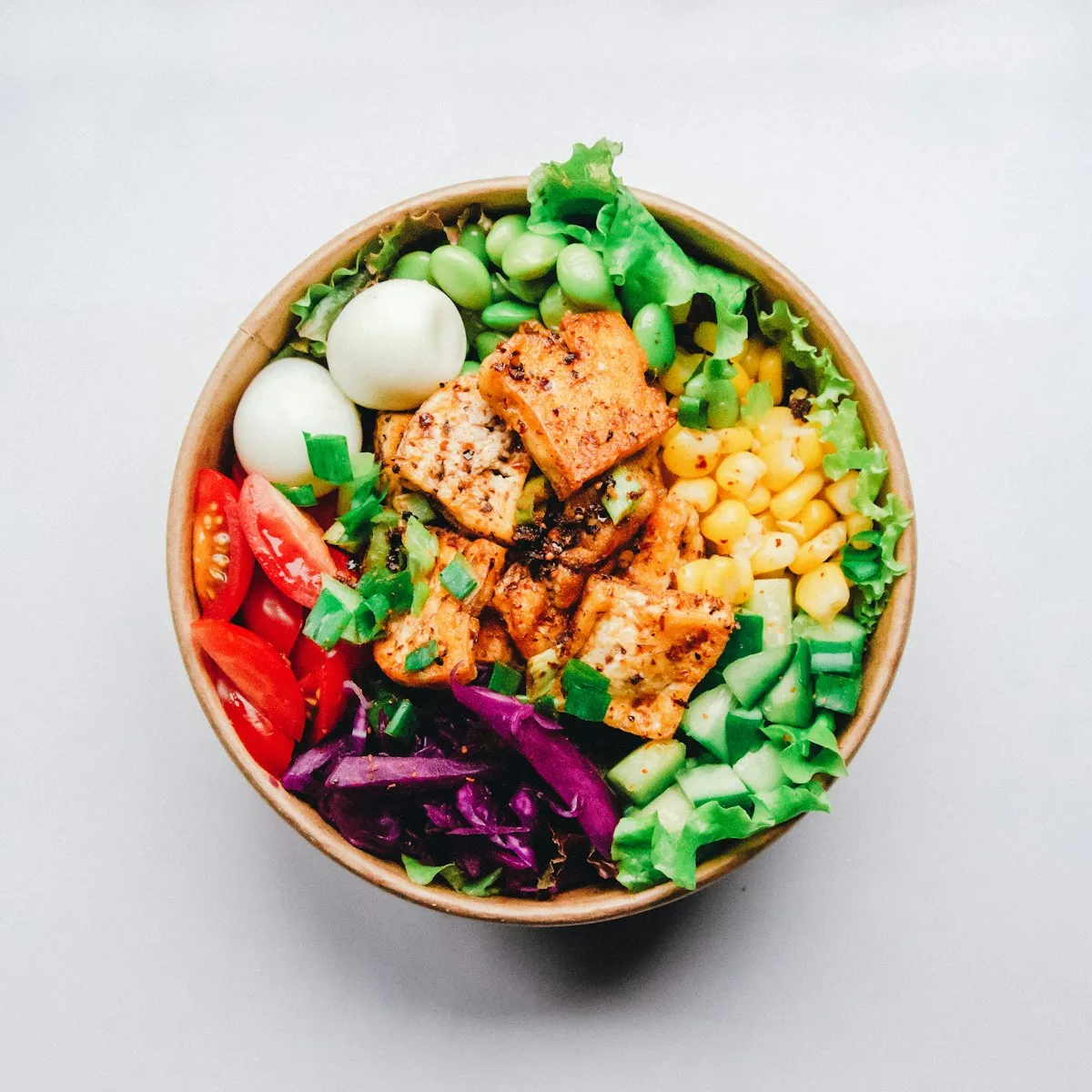
Avoid the temptation to move them constantly. Let them sit. Let them sizzle. You want to see those golden-brown patches develop because that is where the deep, complex flavor lives. If you stir too often, you’re just steaming them, and nobody wants a mushy bean. Use a wide pan to prevent crowding; if the chickpeas are on top of each other, the moisture they release won't evaporate quickly enough, and you’ll lose that beautiful crunch.
While the chickpeas are browning, think about your flavor carrier: the oil. Fat is a solvent. It pulls the aromatic compounds out of your garlic and spices and holds onto them, ensuring that every single chickpea is coated in a layer of savory goodness. If you’ve ever noticed that your spices taste "raw," it’s likely because they weren't bloomed in oil first. Always sizzle your aromatics for a minute before the greens hit the pan.
Then comes the spinach. Spinach is roughly 90% water. The moment it hits the heat, the cell walls collapse, and it loses massive volume. This is why you must use what looks like an embarrassing amount of fresh leaves. It will shrink down to almost nothing in seconds. The trick here is carry-over cooking. Add the spinach last, toss it just until it turns a deep, glossy green, and then pull the pan off the heat. If you keep cooking it, it turns from a vibrant vegetable into a sad, grey mush. Keep it bright and keep it lively.
Variations for the Modern Soul
One of the best parts about plant-based dinner ideas is their inherent flexibility. Once you have the chickpea-and-leafy-green foundation down, you can pivot the flavor profile to suit whatever vibe your Tuesday night is throwing at you.
For a Mediterranean twist, introduce blistered cherry tomatoes into the mix. Add them right after the chickpeas have started to brown. The heat will cause the tomato skins to pop, releasing their juices to create a light, acidic sauce that binds the beans and greens together. Much like achieving a perfect glossy sauce in pasta, the combination of oil and tomato water creates a beautiful emulsion.
If you’re craving something smokier, lean into the Spanish tapas tradition. Use a heavy hand with smoked paprika and a splash of sherry vinegar at the very end. The vinegar provides a sharp contrast to the starchy, rich chickpeas. You could even swap the spinach for kale or chard if you want a bit more "chew" in your bowl. Just remember that heartier greens take a few minutes longer to soften than delicate baby spinach, so adjust your timing accordingly.
Perfect Pairings for a Balanced Plate
While this sauté is a powerhouse on its own, it truly sings when paired with a side that can soak up the flavorful oils and juices. Texture is the name of the game here.
Serve your sauté over a bed of fluffy quinoa or brown rice to turn it into a complete protein meal. The grain acts as a neutral canvas for the bold garlic and spices. If you aren't in the mood for grains, a piece of thick, crusty sourdough toasted with a little extra olive oil is the perfect vehicle for scooping.
For those looking for a lighter touch, a side of creamy tahini dressing or a dollop of unsweetened Greek yogurt (or a plant-based alternative) can add a cooling element to the dish. The creaminess of the sauce cuts through the acidity of the lemon and the heat of any chili flakes you might have added. Balance is everything, think of your plate as a scale where fat, acid, salt, and heat all need to find their center.
Frequently Asked Questions
What if my spinach turns out watery?
This usually happens because the pan wasn't hot enough or you added too much spinach at once without enough surface area. If you see a pool of green liquid forming, turn the heat up to high for 30 seconds to evaporate the excess moisture quickly. In the future, ensure your spinach is as dry as possible before it hits the pan. Use a salad spinner or pat it down with a clean towel.
Can I use frozen spinach instead of fresh?
Yes, but you must change your approach. Frozen spinach is already blanched, meaning it has a much higher moisture content. Thaw it completely and squeeze out every last drop of water using a kitchen towel or a fine-mesh sieve. Add it at the very end just to warm it through. If you throw a block of frozen spinach into your beautifully browned chickpeas, you’ll end up with a soggy mess.
How do I make the chickpeas even crispier?
The enemy of crispiness is moisture. If you are using canned chickpeas, rinse them and then dry them thoroughly between two paper towels. You want them to be bone-dry before they hit the oil. Also, don't be afraid of the heat. Use a medium-high setting and wait until the oil is shimmering before adding the beans.
Why does my garlic always burn?
Garlic has a high sugar content and very little water, which makes it prone to burning quickly. If you find your garlic turning bitter and black before the chickpeas are done, try slicing it into thin "chips" rather than mincing it. Larger pieces are more resilient to heat. Alternatively, add the garlic halfway through the chickpea browning process rather than at the very beginning.
Is this dish good for meal prep?
Absolutely. This is one of those rare plant-based dinner ideas that actually tastes better the next day as the flavors have more time to meld. However, be aware that the spinach will continue to release a little moisture as it sits in the fridge. When reheating, do it in a pan over medium heat rather than the microwave to help re-crisp those chickpeas and maintain some texture.
Cooking doesn't have to be complicated to be soulful. By focusing on a few high-quality ingredients and understanding the "why" behind the sizzle, you can elevate a simple pantry staple into something truly special. Now, get that pan hot and start browning those chickpeas( your future self will thank you.)
{“@type”:”BlogPosting”,”image”:[“https://cdn.marblism.com/Z7dy8L_5Sk0.webp”,”https://cdn.marblism.com/einao8OVxoJ.webp”,”https://cdn.marblism.com/sUwTJhIrZDZ.webp”,”https://cdn.marblism.com/-VBhE2uuAif.webp”,”https://cdn.marblism.com/EwB84JOEQtT.webp”],”author”:{“name”:”Penny”,”@type”:”Person”},”@context”:”https://schema.org”,”headline”:”Earthly Bowl: 15-Minute Chickpea & Spinach Sauté”,”publisher”:{“logo”:{“url”:”https://cookpedia.com/logo.png”,”@type”:”ImageObject”},”name”:”Cookpedia”,”@type”:”Organization”},”description”:”Discover how to make a soulful 15-minute chickpea and spinach sauté. Learn the science of browning chickpeas and balancing flavors for quick healthy meals.”,”datePublished”:”2026-06-09T19:00:00″,”mainEntityOfPage”:{“@id”:”https://cookpedia.com/earthly-bowl-15-minute-chickpea-spinach-saute”,”@type”:”WebPage”}}