Recipe
Servings
Servings 1×
Ingredients
- Chicken
- Eggs
- Greek yogurt
- Berries
- Garlic
- Lemon
- Tahini
- Cream
- Cheddar
- Butter
- Salt
- Black pepper
Method
- Let’s be honest: some days, the thought of roasting a whole chicken or assembling a multi-step lasagna is enough to make you reach for the takeout app.
- Use a light hand when stirring; a few lumps in the batter are actually your friends.
- Use a heavy-bottomed skillet or a cast-iron pan to ensure even heat distribution.
- Fold in a handful of fresh chives, a crack of black pepper, and maybe a sprinkle of sharp cheddar cheese.
- Add lemon zest directly into the batter to highlight the yogurt's tang.
- Toss in fresh blueberries or raspberries at the very last second, just before flipping, to prevent the juice from bleeding into the entire batter and turning it purple.
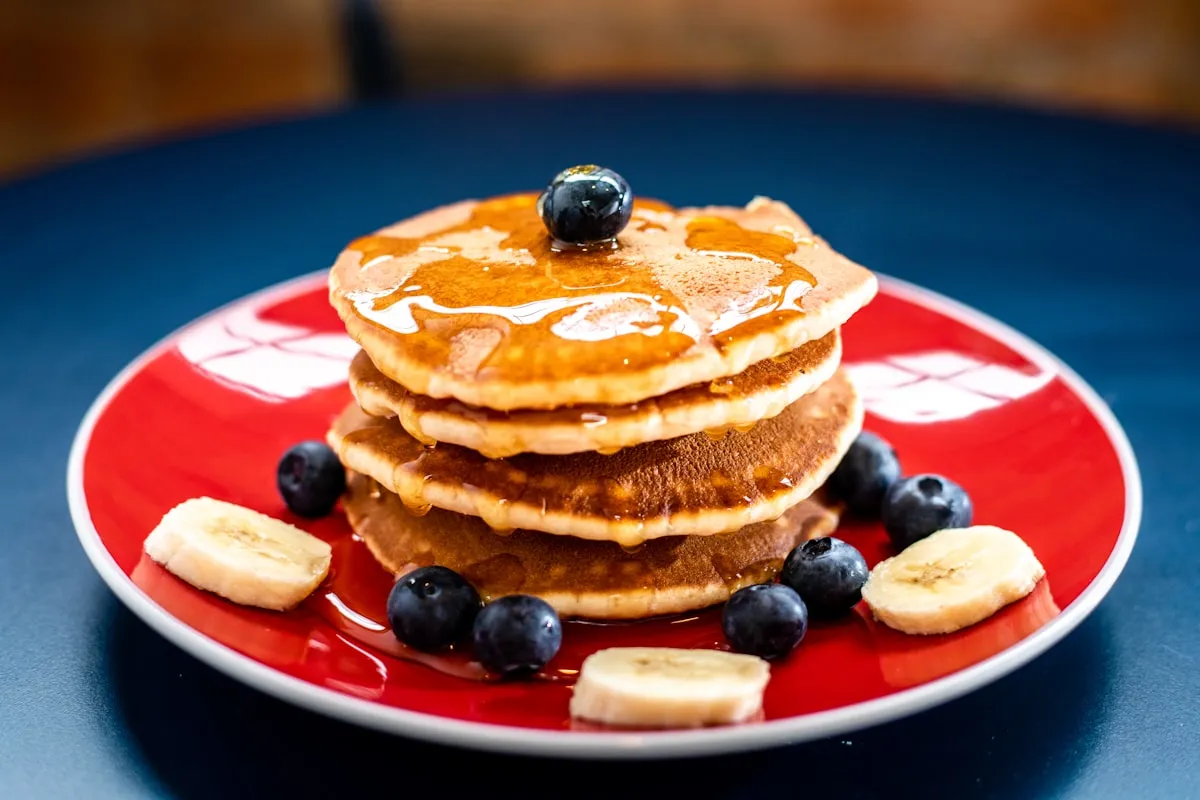
Let’s be honest: some days, the thought of roasting a whole chicken or assembling a multi-step lasagna is enough to make you reach for the takeout app. But before you give up on home cooking for the night, let me introduce you to the ultimate "Brinner" (breakfast for dinner) hack. These 15-minute Greek yogurt pancakes aren't just for lazy Sunday mornings; they are the heavy hitters of quick family meals when time is tight and everyone is hungry now. They are thick, tangier than your average flapjack, and surprisingly filling.
The Science of the Tang: Why Yogurt Changes Everything
If you’ve ever wondered why some pancakes turn out like thin, sad frisbees while others stand tall and proud, the answer usually lies in the chemistry of your dairy. When you swap standard milk for Greek yogurt, you aren’t just changing the flavor; you’re altering the entire structural integrity of the batter.
Lactic Acid: Your Secret Leavening Agent
Greek yogurt is packed with lactic acid. When this acid meets a leavening agent like baking soda, it triggers an immediate chemical reaction that produces carbon dioxide bubbles. Because Greek yogurt is so thick, it traps those bubbles much more effectively than thin milk-based batters. The result? A pancake that puffs up the second it hits the heat.
The Gluten Whisperer
One of the biggest mistakes home cooks make is overworking the batter. Over-mixing develops gluten, which leads to a tough, bready texture. However, the acidity in Greek yogurt actually helps to weaken gluten formation. This means you get a more tender, delicate crumb that almost melts in your mouth. Use a light hand when stirring; a few lumps in the batter are actually your friends.
Protein and "Batter Rheology"
Greek yogurt is a concentrated source of dairy protein. During the cooking process, these proteins denature and coagulate, helping to set the structure of the pancake quickly. This is why yogurt pancakes feel more substantial and "meaty" than traditional versions. They offer one of those healthy dinner ideas that doesn't leave you searching the pantry for a snack thirty minutes later. The "rheology", or the way the batter flows, is much thicker, which prevents the pancakes from spreading too thin in the pan.
Mastering the Flip: Tips for Success
Don't rush the process. Wait until you see tiny bubbles forming and popping on the surface of the pancake before you even think about sliding that spatula underneath. Use a heavy-bottomed skillet or a cast-iron pan to ensure even heat distribution. If your pan is too hot, the outside will burn before the thick, yogurt-rich center has a chance to set. Aim for medium-low heat and be patient.
Check the consistency of your batter before you start pouring. If it feels more like a thick paste than a pourable batter, add a tablespoon of water or milk to loosen it up. It should be thick enough to hold its shape but still drop easily from a spoon. Avoid the temptation to flatten the pancakes with your spatula after flipping; you’ll just squeeze out all that beautiful air you worked so hard to create.
Savory and Sweet Variations
While we often default to maple syrup, the tangy profile of Greek yogurt makes these pancakes an incredible canvas for savory flavors. This is where you can really turn a simple pancake into a sophisticated dinner.
The Savory Herb Stack
Fold in a handful of fresh chives, a crack of black pepper, and maybe a sprinkle of sharp cheddar cheese. These savory stacks are incredible when topped with a dollop of sour cream or even a poached egg. It’s a minimalist approach to dinner that feels intentionally gourmet.
Citrus and Berry Brightness
If you prefer to keep things classic, lean into the acidity. Add lemon zest directly into the batter to highlight the yogurt's tang. Toss in fresh blueberries or raspberries at the very last second, just before flipping, to prevent the juice from bleeding into the entire batter and turning it purple.
Perfect Pairings for a Balanced Plate
To turn these pancakes into a full meal, you need to balance the richness of the dairy with some salt and crunch. Since we're keeping this a 15-minute affair, efficiency is key.
- Salty Protein: Nothing beats a side of crispy sausages. If you want to keep the kitchen clean, look into air fryer recipes dinner enthusiasts swear by; you can pop some high-quality breakfast sausages in the air fryer while you cook the pancakes.
- Acidic Crunch: A simple side salad with a bright vinaigrette helps cut through the creamy density of the pancakes. Think arugula with a lemon-tahini dressing.
- The "Viral" Addition: If you're feeling adventurous, you could even pair a savory version of these with a side of garlic butter ramen for a fusion-style feast, though a simple protein usually does the trick.
Frequently Asked Questions
Can I use regular yogurt instead of Greek yogurt?
You can, but be prepared for a different result. Regular yogurt is much thinner and more watery because the whey hasn't been strained out. If you swap it 1:1, your batter will be quite runny, and your pancakes will be much thinner. If you only have regular yogurt, reduce the amount of other liquids in the recipe or add an extra tablespoon of flour to compensate for the moisture.
Why are my pancakes gummy in the middle?
This usually happens for two reasons: the heat was too high or the batter was too thick. If the pan is screaming hot, the outside browns instantly, leaving the center raw. If the batter is excessively thick, the heat can't penetrate to the middle quickly enough. Lower the heat and add a splash of liquid to the batter next time.
Can I make these ahead of time?
Absolutely. These pancakes reheat surprisingly well because the yogurt keeps them moist. Store them in an airtight container in the fridge for up to three days. To reheat, avoid the microwave if you can; use a toaster or a dry skillet to bring back that slight exterior crispness.
Do I really need baking soda?
Yes. The baking soda is what reacts with the lactic acid in the yogurt to create the lift. Without it, you’ll end up with a dense, leaden disc. Make sure your baking soda is fresh, if it’s been sitting in the back of your cupboard since the last decade, it’s time for a new box.
Is this actually a "healthy" dinner?
Compared to traditional refined-flour pancakes, yes. By using Greek yogurt, you're significantly upping the protein content and adding beneficial probiotics (though most are killed off during cooking, the nutritional profile of the yogurt remains). It's one of those healthy dinner ideas that satisfies the craving for comfort food without the sugar crash of a standard pancake breakfast.
{“@type”:”BlogPosting”,”image”:”https://cdn.marblism.com/k5kZR5njiUs.webp”,”author”:{“name”:”Cookpedia”,”@type”:”Organization”},”@context”:”https://schema.org”,”headline”:”Easy 15-Minute Greek Yogurt Pancakes for Dinner”,”publisher”:{“logo”:{“url”:”https://cookpedia.com/logo.png”,”@type”:”ImageObject”},”name”:”Cookpedia”,”@type”:”Organization”},”mainEntity”:{“@type”:”FAQPage”,”mainEntity”:[{“name”:”Can I use regular yogurt instead of Greek yogurt?”,”@type”:”Question”,”acceptedAnswer”:{“text”:”Yes, but regular yogurt is thinner. You will need to add extra flour or reduce other liquids to maintain the correct batter thickness.”,”@type”:”Answer”}},{“name”:”Why are my pancakes gummy in the middle?”,”@type”:”Question”,”acceptedAnswer”:{“text”:”This usually occurs if the pan heat is too high, causing the outside to cook before the inside, or if the batter is too dense for the heat to penetrate.”,”@type”:”Answer”}},{“name”:”Do I really need baking soda?”,”@type”:”Question”,”acceptedAnswer”:{“text”:”Yes. Baking soda reacts with the acid in Greek yogurt to create the carbon dioxide bubbles necessary for a fluffy rise.”,”@type”:”Answer”}}]},”description”:”Discover why Greek yogurt is the secret to the fluffiest pancakes. Learn the science of lactic acid and how to turn this breakfast classic into a 15-minute dinner.”,”datePublished”:”2026-06-14″,”mainEntityOfPage”:{“@id”:”https://cookpedia.com/easy-15-minute-greek-yogurt-pancakes-for-dinner”,”@type”:”WebPage”}}