Recipe
Servings
Servings 1×
Cook 165 min
Ingredients
- Chicken
- Tortillas
- Carrots
- Garlic
- Lemon
- Butter
Method
- Roast chicken sounds like a weekend project, but this herb butter version belongs firmly in the easy dinner recipes category.
- Use one pan, trust your thermometer, and let the chicken rest before carving.
- Pat the chicken dry before it goes anywhere near the oven.
- Cut the vegetables into pieces that can survive a long roast without collapsing.
- Keep the pieces reasonably similar in size, but do not aim for laboratory precision.
- Spread the vegetables in an even layer.
Roast chicken sounds like a weekend project, but this herb butter version belongs firmly in the easy dinner recipes category. The oven handles most of the work while butter, fresh herbs, and pan juices turn simple vegetables into something deeply savory. Use one pan, trust your thermometer, and let the chicken rest before carving. That last part is not optional: it is the difference between juicy chicken and a platter of disappointing crumbs.
Tips & Technique: Make the Oven Work Smarter
Dry skin creates better browning
Pat the chicken dry before it goes anywhere near the oven. Moisture on the surface must evaporate before browning can begin, so a damp bird spends its early roasting time steaming itself. Steaming is useful for tenderness, but it will not give you the golden, lightly crisp skin you want.
Dry skin also helps the herb butter cling instead of sliding straight into the bottom of the pan. Do not obsess over making the chicken perfectly pristine. Just remove the obvious surface moisture and move on with your life.
Use butter as a flavor delivery system
Herb butter is more than a tasty coating. Butterfat helps carry aromatic compounds from herbs and garlic across the surface of the chicken. As it melts, it spreads seasoning into places that plain dried herbs often miss.
Push some of the butter beneath the skin, especially over the breast and thighs. This puts flavor directly against the meat instead of asking the skin to do all the work. Rub the rest over the outside so it can help the skin brown and mingle with the roasting juices.
Work gently when loosening the skin. A small tear is not a disaster, but treating the chicken like a zippered jacket will make the process unnecessarily dramatic.
Give large vegetables a head start
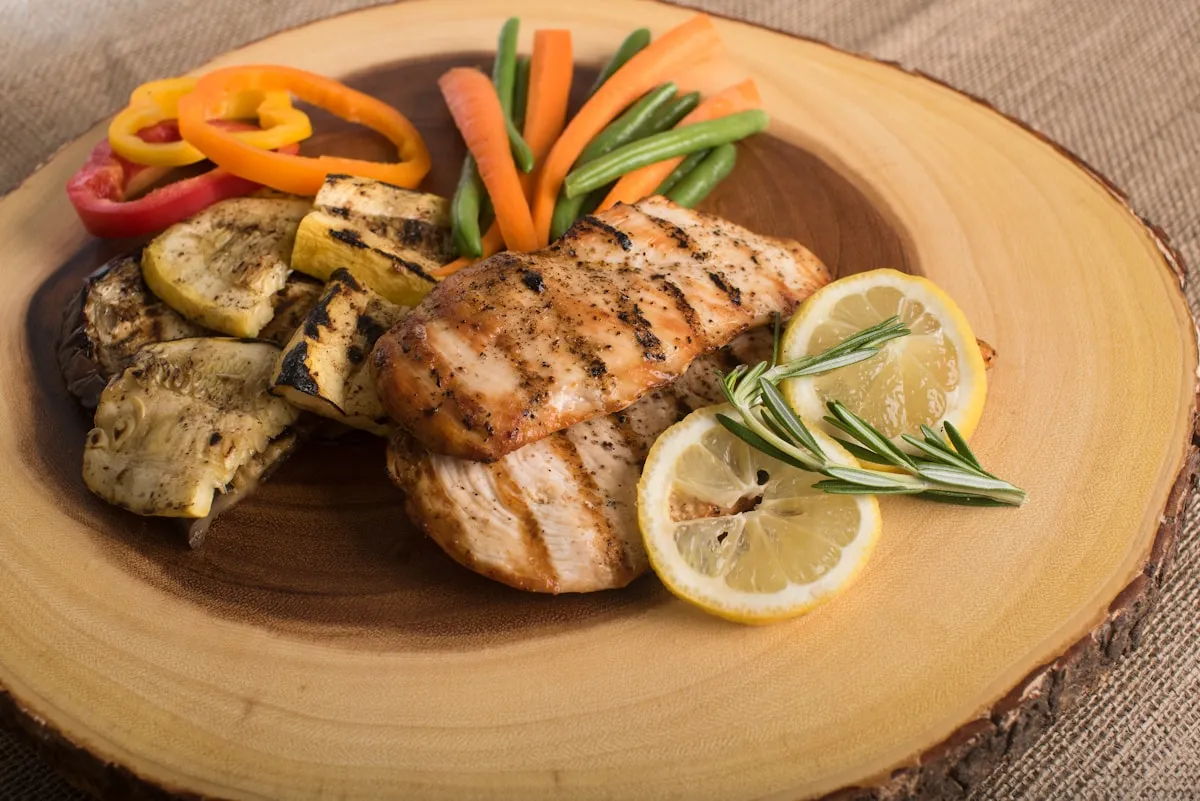
Cut the vegetables into pieces that can survive a long roast without collapsing. Root vegetables are ideal because they contain enough starch and structure to become tender while their exposed edges caramelize.
Keep the pieces reasonably similar in size, but do not aim for laboratory precision. Real vegetables are gloriously uneven. Just avoid pairing tiny potato cubes with enormous carrot chunks unless you enjoy eating one vegetable while waiting for the other to cook.
Spread the vegetables in an even layer. Crowding traps moisture and encourages steaming, which leaves you with soft vegetables instead of browned ones. A little space allows hot air to move around the pan and gives the cut surfaces room to develop color.
Roast hot first, then settle into a gentler heat
Start the chicken in a hot oven. That first burst of heat helps render some of the fat beneath the skin and encourages Maillard browning: the chemical reaction responsible for the savory flavors and browned color we associate with roasted food.
After the exterior has started to color, lower the heat to finish cooking the center more gently. This two-temperature approach gives you better contrast: browned skin on the outside and tender meat inside. Keep the pan uncovered so excess moisture can escape.
Avoid opening the oven repeatedly. Every peek releases heat and extends the cooking time. The chicken will not roast faster because you are checking on it emotionally.
Use temperature, not guesswork
A meat thermometer is the non-negotiable tool here. Insert it into the thickest part of the thigh without touching bone, and check the breast as well. The chicken must reach 165°F (74°C) for safe eating.
Cooking time varies with the size of the bird, the starting temperature of the chicken, and the accuracy of your oven. Use the clock as a rough guide, but use the thermometer as the final authority.
The vegetables may finish before or after the chicken. If they are tender but need more color, transfer the chicken to a cutting board and return the vegetables to the oven briefly. Do not overcook the meat while waiting for a few more caramelized edges.
Resting is part of cooking
Let the roasted chicken rest for 10 to 15 minutes before carving. During this pause, carryover heat continues moving toward the center while the muscle fibers relax. Cutting immediately allows more juices to run onto the board instead of staying in the meat.
Tent the chicken loosely with foil if you like, but do not wrap it tightly. A sealed covering traps steam and softens the skin you worked so hard to brown. Use the resting time to toss the vegetables with the pan juices and get the plates ready.
For another straightforward chicken dinner, browse Cookpedia’s chicken recipes. If you prefer a lighter citrus profile, try the Simple Lemon Herb Roasted Chicken.
Variations: Keep the Method, Change the Mood
Build a Mediterranean-style roast by leaning into lemon, parsley, oregano, and a few briny additions. The sharp citrus and salty accents cut through the butter, keeping the dish bright rather than heavy.
For a cozy autumn version, use sage and thyme with sweet potatoes, carrots, and wedges of onion. Their natural sweetness becomes more pronounced as they roast, creating a lovely contrast with the savory chicken juices.
Add smoked paprika or a pinch of chili flakes when you want more warmth. Use a light hand. Spices should make the herbs more interesting, not launch a hostile takeover.
You can also use bone-in chicken pieces instead of a whole bird. They roast more quickly and make this one of those practical quick family meals for a busy evening. Adjust the cooking time by thickness and still check for 165°F (74°C).
For a dairy-free variation, replace the butter with olive oil or a dairy-free spread. You will lose some richness, so restore balance with extra herbs, lemon, or a spoonful of pan juices over the finished plate. Explore Cookpedia’s healthy recipes for more simple ways to build a balanced dinner.
Side Dish Pairings: Add Contrast, Not Competition
The roasted vegetables already bring sweetness and earthiness, so choose sides that add freshness or acidity.
Serve a crisp green salad with a lemony dressing to cut through the butter. Peppery arugula, tender lettuce, or shredded cabbage all work well. Keep the dressing sharp and light; the chicken has enough richness to carry the conversation.
Crusty bread is excellent for catching pan juices and requires almost no preparation. That makes it a particularly good choice when you are collecting easy dinner recipes for nights when your energy has left the building.
Steamed green beans, broccoli, or asparagus add color and a slightly bitter edge. Finish them with lemon rather than another heavy sauce.
For a hungrier table, add rice, couscous, or quinoa. These grains absorb the juices and make the meal stretch further without turning it into a culinary group project. You can also pair the chicken with Cookpedia’s quick meals collection when planning a full week of simple dinners.
FAQ: What If the Chicken or Vegetables Do Something Strange?
What if the chicken browns before it is cooked inside?
Cover the breast loosely with foil while the rest of the chicken continues roasting. The foil reflects some heat and slows additional browning without stopping the cooking process.
Check the thermometer again in the thickest part of the thigh. Do not rely on skin color to determine doneness. A beautifully browned chicken can still be undercooked, while a pale one can be perfectly safe.
What if the breast is done but the thigh is not?
Remove the breast meat if it has reached 165°F (74°C), then return the legs and thighs to the oven. Dark meat contains more connective tissue and often benefits from additional cooking, while lean breast meat dries more quickly.
If you are roasting a whole chicken regularly, consider trussing it lightly or arranging the legs toward the hotter back of the oven. These small adjustments can help the bird cook more evenly.
What if the vegetables are still hard?
Cut them smaller next time, or give dense vegetables a brief head start in the oven before adding the chicken. Their size and shape control how quickly heat reaches the center.
For this batch, remove the chicken once it is safe and tender, then continue roasting the vegetables until a knife slides in easily. Add a small splash of pan juices afterward to restore moisture and flavor.
What if the vegetables are soft but not browned?
The pan may be crowded, or the vegetables may have released more water than expected. Spread them across a larger baking sheet and return them to the oven uncovered.
Avoid stirring constantly. Contact with the hot pan is what creates browning, so give the vegetables time to sit still and develop color. They do not need supervision every thirty seconds.
Can I prepare this dinner ahead of time?
Prepare the herb butter and chop the vegetables earlier in the day. Keep the raw chicken refrigerated and separate from ready-to-eat foods until you are ready to roast it.
You can also roast the chicken ahead and refrigerate leftovers promptly in a covered container. Reheat gently with a little pan juice or broth to reduce moisture loss. High heat tightens the meat proteins and can make leftover chicken dry.
Is this a healthy dinner?
It can easily fit into healthy dinner ideas, especially when you let vegetables fill most of the plate and treat the butter as a flavor enhancer rather than the main event. Chicken provides protein, while roasted vegetables add fiber, color, and satisfying texture.
Balance the meal with a fresh salad or steamed greens. You do not need to remove every enjoyable ingredient to make dinner nourishing. Use sensible portions, add plenty of vegetables, and let herbs, garlic, lemon, and roasting do the heavy lifting.
Can I make this in an air fryer?
A whole chicken may not fit comfortably in a standard air fryer, and crowding prevents even browning. Use chicken pieces instead, and check the thickest portion with a thermometer.
For smaller portions, air fryer recipes dinner plans can work well because circulating hot air browns the skin efficiently. Roast the vegetables separately if the basket is crowded. Keep the same flavor idea: herb butter, garlic, and bright lemon: but give each component enough space to cook properly.
If you want more weeknight inspiration, browse Cookpedia’s 30-minute meals and dinner recipes. This roast chicken may take a little longer than a 15-minute stir-fry, but most of that time is gloriously hands-off.