Recipe
Servings
Servings 1×
Ingredients
- Chicken
- Rice
- Cauliflower
- Broccoli
- Cucumber
- Garlic
- Fresh ginger
- Lemon
- Lime
- Honey
- Butter
- Cooking oil
- Soy sauce or tamari
- Sesame
- Salt
- Black pepper
Method
- Prepare the ingredients described in the article and heat the cooking surface or oven as directed.
- Cook the main ingredients using the heat and timing guidance in the article.
- Finish with the seasonings and garnishes named in the article, then serve.
You know those nights when you stare into the fridge, and the fridge stares back with nothing but judgment? We’ve all been there. You need a win, and you need it in under half an hour. Enter my absolute favorite weapon for quick family meals: Honey Garlic Chicken Thighs. This isn't just another chicken recipe; it’s a masterclass in how a few pantry staples can transform into a restaurant-quality glaze that will have you licking the pan. Forget the takeout menu; you’re about to become the hero of your own kitchen.
The Science of the Perfect Sear and Sticky Glaze
To get that addictive, crispy-on-the-outside, juicy-on-the-inside texture, you have to respect the science of heat. The first rule of Chicken Club? Use skin-on, bone-in thighs if you want maximum flavor, or boneless thighs for sheer speed. Either way, pat your chicken completely dry with paper towels before it ever touches the heat. Why? Because moisture is the enemy of the Maillard reaction. If there’s water on the surface, that energy goes into evaporating the liquid rather than browning the meat. No brown means no flavor.
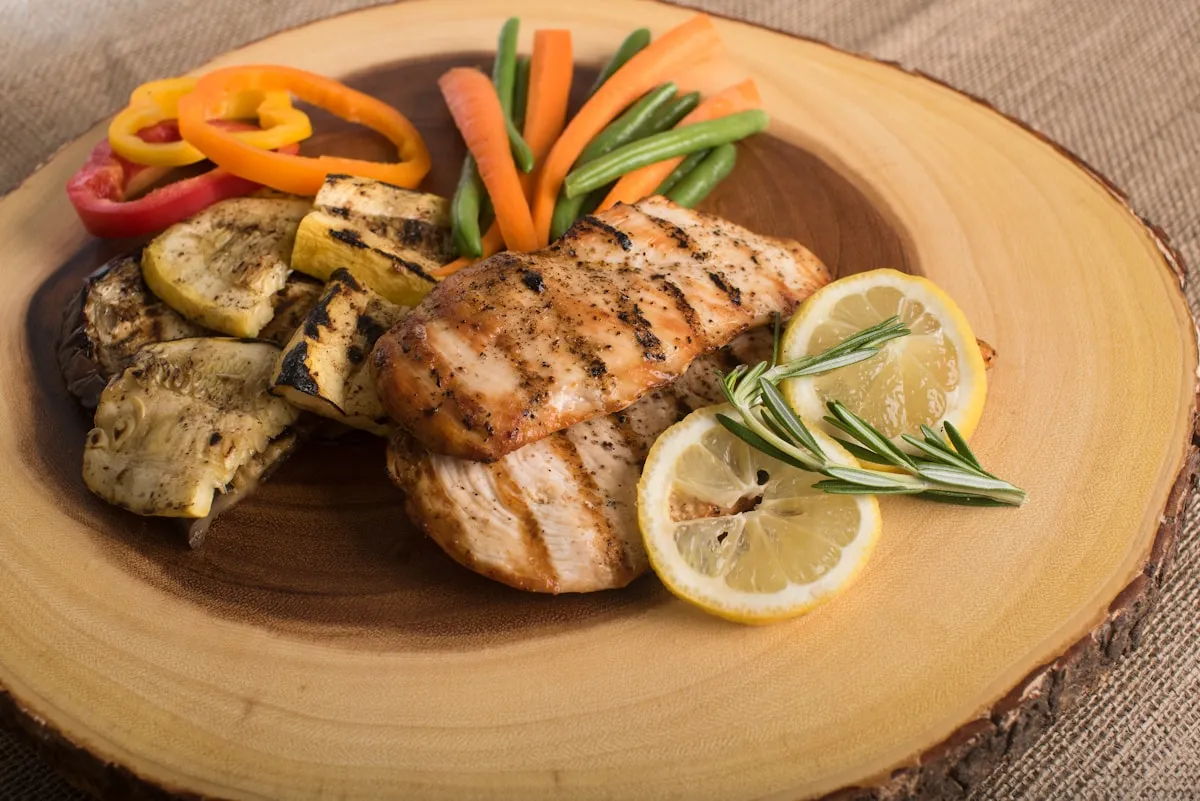
Use a heavy-bottomed skillet, preferably cast iron or stainless steel. These materials hold heat better than thin non-stick pans, ensuring your chicken sears instead of steams. When you place the chicken in the pan, leave it alone. Resist the urge to poke, prod, or flip it prematurely. You want that deep, golden crust to form: that’s where the savory "umami" notes live. If the meat resists when you try to lift it, it’s not ready. It will naturally release from the pan once the crust has properly formed.
While the chicken is doing its thing, let’s talk about the sauce. A great honey garlic glaze is an exercise in reduction and emulsification. You’re combining a fat (the chicken drippings and butter), a sugar (honey), and an acid (vinegar or lemon juice). As this mixture simmers, the water evaporates, and the sugars in the honey begin to lightly caramelize. This increases the viscosity of the sauce, allowing it to cling to the chicken like a delicious, glossy hug.
Avoid burning the garlic. This is a non-negotiable. Garlic contains natural sugars that turn bitter the second they cross over from "toasted" to "burnt." Add your minced garlic during the last minute of searing, just before you pour in the liquid components. This allows the garlic to release its aromatic oils into the fat without turning into charcoal. If you’re looking for healthy dinner ideas, remember that using fresh aromatics like garlic and ginger provides massive flavor without the need for excessive salt or heavy creams.
Remixing the Glaze: Flavor Variations
Once you master the base technique, the world is your oyster: or your chicken thigh. You can easily pivot this recipe to fit whatever mood you’re in. If you crave a kick, add a tablespoon of Sriracha or red pepper flakes to the honey mixture. The capsaicin in the peppers balances the sweetness of the honey, creating a "hot honey" effect that is frankly transformational.
For a brighter, citrus-forward version, swap the rice vinegar for fresh lime juice and add a teaspoon of lime zest. This version leans into a Southeast Asian flavor profile, especially if you throw in a handful of fresh cilantro at the very end. The acidity of the lime cuts through the richness of the chicken thigh fat, making the whole dish feel lighter and more vibrant.
If you are watching your sodium, use coconut aminos instead of soy sauce. It provides a similar depth of flavor with a slightly sweeter profile, which complements the honey beautifully. For those who enjoy air fryer recipes dinner, you can actually crisp the chicken thighs in the air fryer first at 400°F (200°C) for about 15-18 minutes, then toss them in the sauce in a separate bowl. This gives you a lighter, "fried" texture with significantly less oil, making it one of the most efficient ways to handle quick meals on a Tuesday night.
Pairing for Balance: What to Serve
Because honey garlic chicken is undeniably rich and sweet, your side dishes need to provide a counterpoint. Think of your plate like a scale; you want to balance that sticky sweetness with acidity or bitterness.
Steam some broccoli or bok choy until it’s just tender-crisp. The slight bitterness of these green vegetables provides the perfect "reset" for your palate between bites of glazed chicken. Alternatively, a crisp cucumber salad with a splash of rice vinegar and sesame oil works wonders. The coolness of the cucumber and the sharpness of the vinegar act as a palate cleanser.
For your starch, stick to plain white or brown rice. The rice acts as a sponge, soaking up every last drop of that honey garlic gold. If you’re keeping things low-carb, cauliflower rice is an excellent substitute: just make sure to sauté it quickly so it doesn't get mushy. You want it to hold its structure against the weight of the sauce.
FAQ: Troubleshooting Your Chicken
What if my sauce is too thin?
Patience is key. If your sauce looks more like soup than syrup, keep it simmering on medium-high. You need to evaporate more water. If you’re in a massive rush, you can whisk a teaspoon of cornstarch into a tiny bit of cold water and stir that in, but a natural reduction always tastes better.
Can I use chicken breasts instead?
You can, but you shouldn't: at least not if you want the best results. Breasts are much leaner and lack the connective tissue that makes thighs so forgiving. They tend to dry out before the sauce has a chance to properly reduce. If you must use breasts, cut them into bite-sized pieces to speed up the cooking and keep them from spending too much time under the heat.
Why did my garlic turn blue or green?
Don't panic! This is a natural reaction between the sulfur compounds in the garlic and the trace minerals in your water or the acid in your sauce. It’s perfectly safe to eat, though it looks a bit like a science experiment gone wrong. Using fresh, young garlic and adding it late in the process usually prevents this.
Is this recipe freezer-friendly?
Absolutely. You can sear the chicken, let it cool, and freeze it in the sauce. When you're ready to eat, just thaw and reheat in a skillet. The sauce might need a splash of water to loosen up again, but the flavor will be even deeper.
How do I know when the chicken is actually done?
Use a meat thermometer. Stop guessing. You are looking for an internal temperature of 165°F (74°C). Thighs are actually better when they hit closer to 170°F because it gives the connective tissue more time to break down, resulting in a more tender bite.
My sauce is burning before the chicken is cooked through!
Your heat is too high. If the glaze is getting too dark but your thermometer says the chicken is still raw in the middle, turn the heat down to low and add a splash of chicken broth or water. Cover the pan with a lid for 2-3 minutes. This creates steam that will finish the interior of the chicken without scorching your beautiful honey glaze.
Check out our other dinner recipes for more inspiration, and remember: great cooking isn't about being perfect; it's about being prepared!
{“@type”:”BlogPosting”,”image”:”https://cdn.marblism.com/CYb4YRx0dTG.webp”,”author”:{“name”:”Penny”,”@type”:”Person”},”faqPage”:{“@type”:”FAQPage”,”mainEntity”:[{“name”:”What if my sauce is too thin?”,”@type”:”Question”,”acceptedAnswer”:{“text”:”Keep it simmering on medium-high to evaporate more water. A natural reduction tastes better than adding thickeners.”,”@type”:”Answer”}},{“name”:”Can I use chicken breasts instead?”,”@type”:”Question”,”acceptedAnswer”:{“text”:”Thighs are preferred for their fat content and tenderness. If using breasts, cut them into small pieces to prevent drying out.”,”@type”:”Answer”}},{“name”:”How do I know when the chicken is actually done?”,”@type”:”Question”,”acceptedAnswer”:{“text”:”Use a meat thermometer to ensure an internal temperature of 165°F (74°C).”,”@type”:”Answer”}}]},”@context”:”https://schema.org”,”headline”:”Easy Dinner Recipes: Honey Garlic Chicken Thighs in 20 Minutes”,”publisher”:{“logo”:{“url”:”https://cdn.marblism.com/KxroJ1kM_KA.webp”,”@type”:”ImageObject”},”name”:”Cookpedia”,”@type”:”Organization”},”description”:”Learn how to make perfectly glazed honey garlic chicken thighs in just 20 minutes. Discover the science behind the perfect sear and sticky sauce for quick family meals.”,”datePublished”:”2026-07-17″,”mainEntityOfPage”:{“@id”:”https://cookpedia.com/honey-garlic-chicken-thighs”,”@type”:”WebPage”}}