Recipe
Servings
Servings 1×
Ingredients
- Salmon
- Broccoli
- Asparagus
- Zucchini
- Peas
- Lemon
- Lime
- Butter
- Cooking oil
Method
- Prepare the ingredients described in the article and heat the cooking surface or oven as directed.
- Cook the main ingredients using the heat and timing guidance in the article.
- Finish with the seasonings and garnishes named in the article, then serve.
If you are hunting for foolproof quick family meals that taste like they came from a coastal bistro rather than a rushed Tuesday kitchen, you have landed in the right place. Welcome to my blog, where we turn simple, real ingredients into stress-free triumphs. Today, we are mastering a minimalist sheet-pan masterpiece: lemon herb salmon and asparagus. With zero complicated steps and lightning-fast cleanup, this dish proves that eating well does not require spending your entire evening over a hot stove.
The Science of Sheet-Pan Roasting: Time, Temperature, and Texture
To get restaurant-quality results every single time, you need to understand the underlying kitchen physics. Roasting fish and vegetables on a single tray is an exercise in heat transfer, moisture control, and protein behavior.
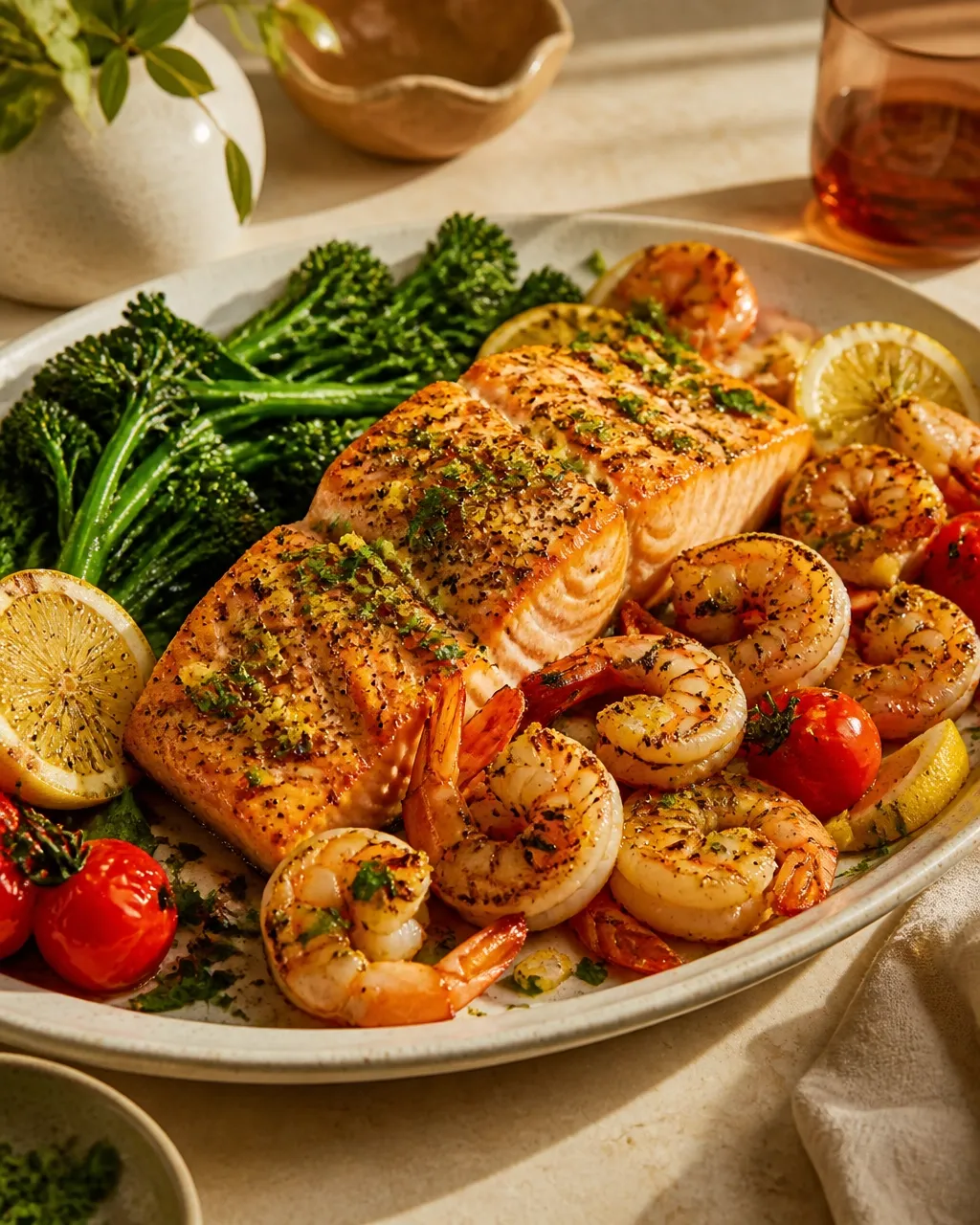
First, always pat your salmon fillets thoroughly dry with paper towels before seasoning. Residual surface moisture acts as an insulating blanket, causing the fish to steam rather than roast. A dry exterior lets olive oil and aromatics grip the flesh, promoting delicate caramelization.
Second, give your asparagus room to breathe. Arrange the stalks in a single layer with distinct gaps between them. When vegetables are crowded on a pan, they trap escaping steam, turning limp and watery instead of developing charred, nutty edges.
When searching for air fryer recipes dinner inspiration or oven-baked ease, temperature control is your best friend. Roasting at 400°F hits the sweet spot: hot enough to render the asparagus tender-crisp in 12 to 15 minutes, yet gentle enough to protect the delicate fats in the salmon. If you love exceptionally juicy, melt-in-your-mouth fish, pull your salmon when the center hits 125°F to 130°F. If you prefer a firmer, fully opaque flake, let it reach 135°F to 145°F.
Endless Variations to Keep Your Weeknight Rotation Exciting
One of the greatest joys of exploring healthy dinner ideas is how easily you can customize formulas without breaking the technique. Once you master the base template, treat your sheet pan as a blank canvas.
Swap out the dill and parsley for smoky smoked paprika and oregano if you want a Mediterranean twist. Trade your asparagus for tender broccolini, sugar snap peas, or zucchini rounds depending on what is lingering in your crisper drawer. Switch up your citrus game by pairing lemon zest with orange juice or a splash of lime for a brighter, punchier acidity. Remember: fat carries flavor, so never skip the olive oil or a pat of finishing butter to bind those volatile herb aromatics to your protein.
Side Dish Pairings: Balancing Richness with Bright Acidity
While this sheet pan marvel easily stands alone, rounding out your plate transforms a simple dinner into a soulful feast. Because salmon and olive oil bring rich, buttery fats to the table, your side dishes should provide a sharp, clean contrast.
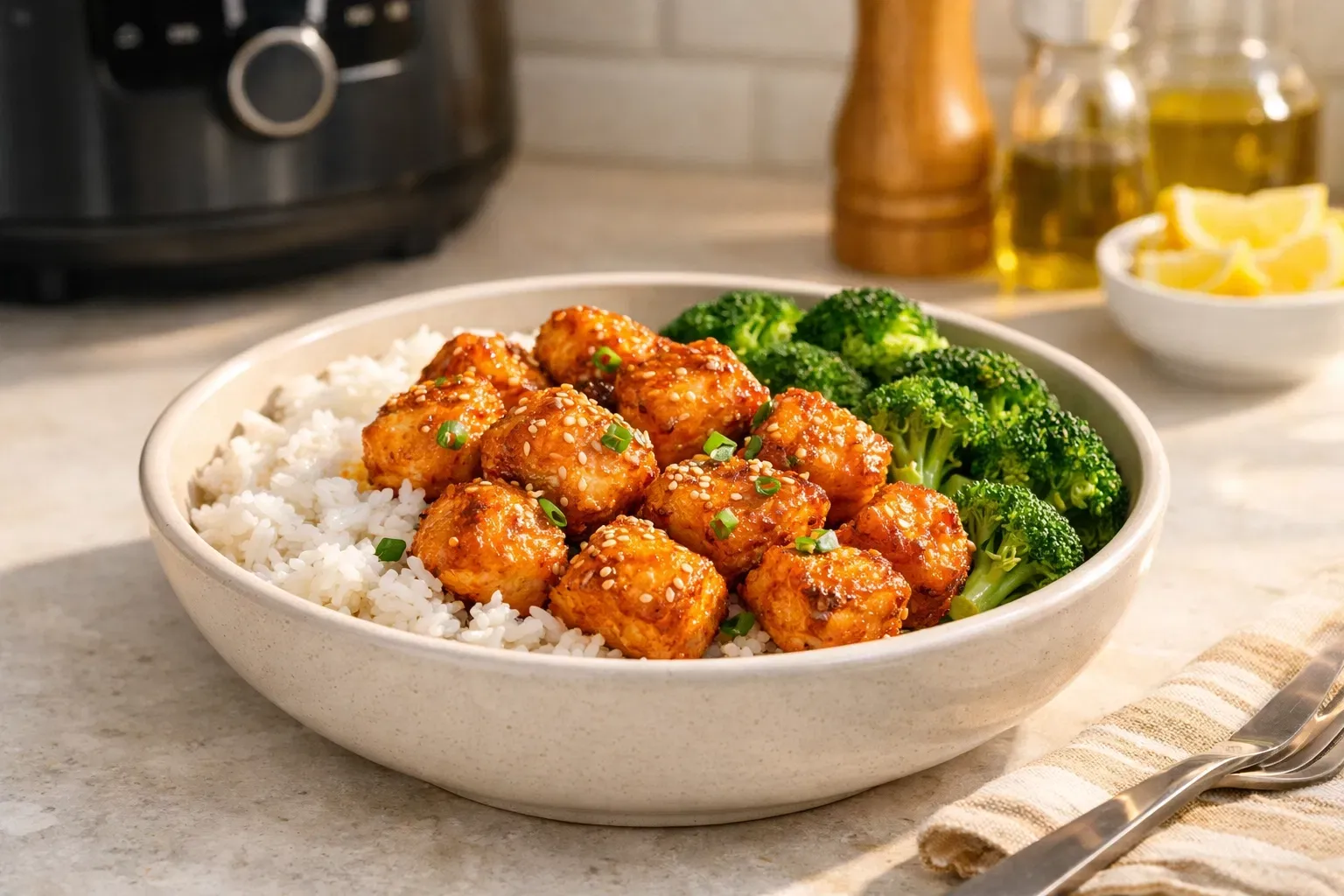
Pair your meal with a bed of fluffy quinoa tossed in lemon vinaigrette, or serve it alongside a crisp arugula salad dressed simply in lemon juice and extra virgin olive oil. The sharp acidity cuts through the richness of the fish, resetting your palate between bites. For more inspiration, browse our full archive of dinner recipes designed for busy home cooks who refuse to compromise on flavor.
Frequently Asked Questions
What if my asparagus stalks are super thick?
Thick asparagus stalks take longer to cook than thin salmon fillets. To prevent raw, woody stems or overcooked, dry fish, pre-roast the thick asparagus stalks on the sheet pan for 5 to 7 minutes before adding your salmon to the tray.
Can I use frozen salmon for this recipe?
Yes, but you must thaw the salmon completely in the refrigerator beforehand and pat it bone-dry. Frozen salmon releases excessive water as it thaws and cooks, which will ruin any chance of a clean roast and dilute your herb seasoning.
How do I know when my salmon is officially done?
Use an instant-read thermometer inserted into the thickest part of the fillet, or press gently with a fork. If the flesh separates easily along its white flake lines and looks opaque, it is ready to come out of the oven.
Do I really need to line my sheet pan?
Lining your pan with parchment paper or foil is non-negotiable for sanity. It prevents delicate fish skin from sticking to hot metal, keeps garlic and herbs from scorching onto the pan surface, and cuts your cleanup time down to zero.
{“@type”:”Article”,”author”:{“name”:”Penny”,”@type”:”Person”},”@context”:”https://schema.org”,”headline”:”Easy Dinner Recipes: Sheet Pan Lemon Herb Salmon and Asparagus”,”publisher”:{“url”:”https://cookpedia.com”,”name”:”Cookpedia”,”@type”:”Organization”},”description”:”Discover how to make effortless sheet pan lemon herb salmon and asparagus with foolproof roasting science, variations, pairings, and FAQs.”,”mainEntityOfPage”:”https://cookpedia.com/easy-dinner-recipes-sheet-pan-lemon-herb-salmon-and-asparagus”}