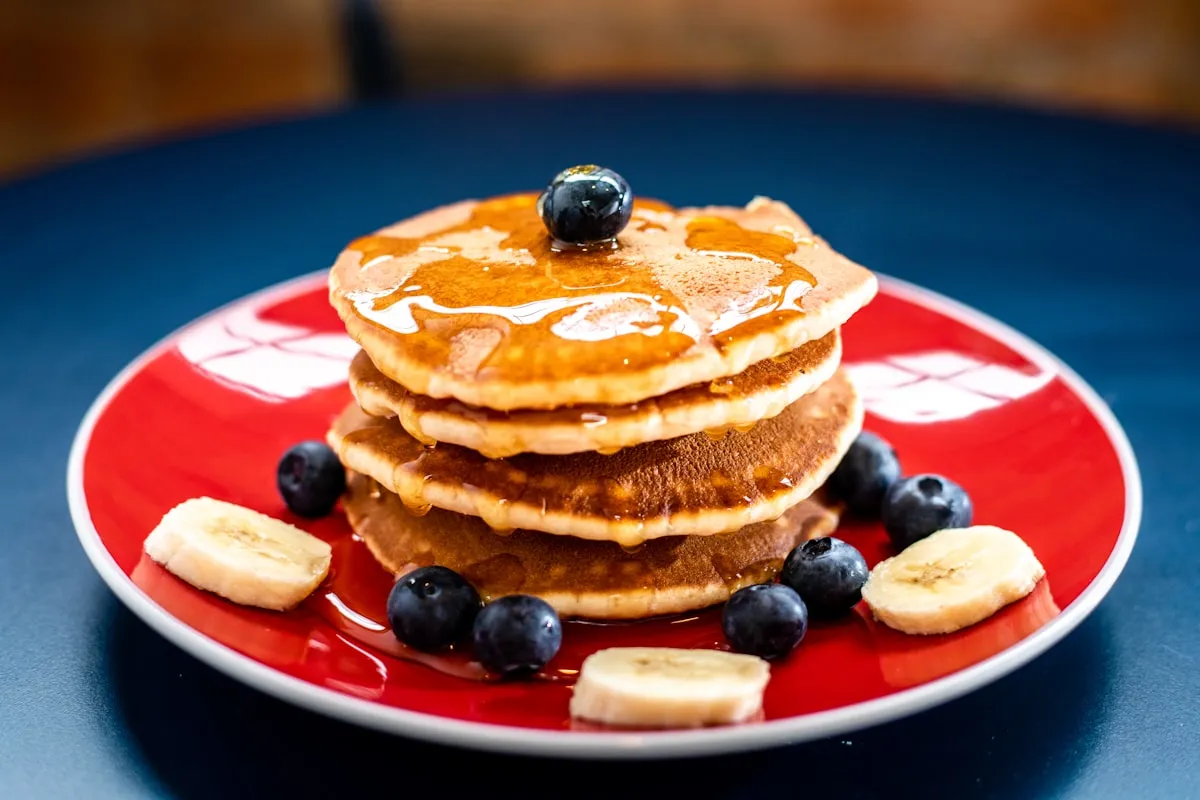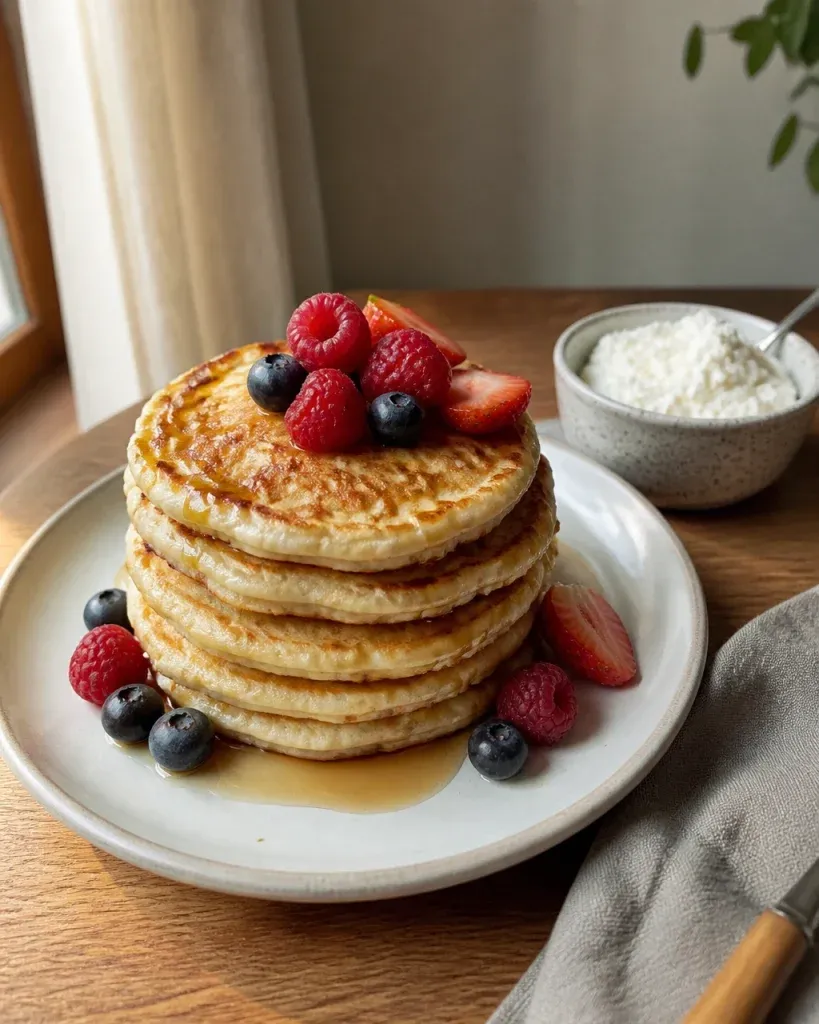
Recipe
Servings
2–3 1×
Serves 2–3Prep 10 minCook 15 min
Ingredients
- 1 cup cottage cheese
- 2 large eggs
- 1 cup rolled oats
- 1 teaspoon baking powder
- 1 teaspoon vanilla extract
- Pinch of salt
- A little butter or neutral oil for the pan
- Berries, yogurt, banana, or maple syrup for serving
Method
- Blend the cottage cheese and eggs until mostly smooth. Add the oats, baking powder, vanilla, and salt, then blend briefly until combined.
- Rest the batter for about 10 minutes so the oats can hydrate.
- Warm a lightly greased skillet over medium-low to medium heat.
- Cook small pancakes until bubbles appear and the edges look set. Flip once and cook until golden and cooked through.
- Serve warm with your choice of fruit, yogurt, nut butter, or maple syrup.
These cottage cheese protein pancakes are soft, lightly golden, and filling enough to carry you through a busy morning. They taste like proper pancakes, not a sad fitness experiment, and they come together with a short list of everyday ingredients. I love serving them with fruit and yogurt, but the basic stack is flexible enough for sweet cravings, meal prep, and picky breakfast eaters.
If you enjoy practical morning cooking, browse Cookpedia’s breakfast recipes for more simple ideas.
The Science of a Fluffy Pancake Stack
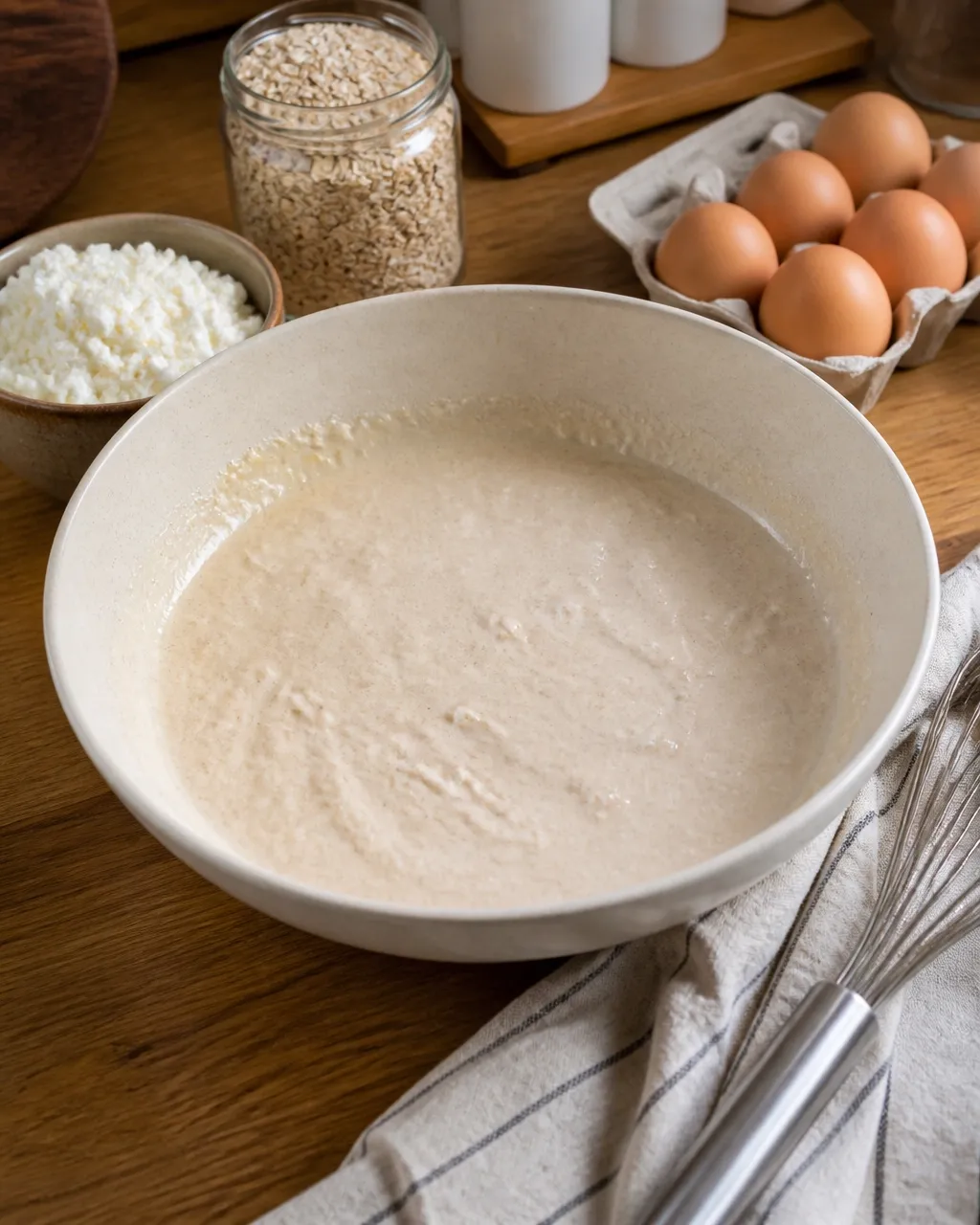
Blend the cottage cheese for a smoother crumb
Start by blending the cottage cheese with the eggs before combining it with the dry ingredients. Cottage cheese contains small curds and plenty of moisture. If you leave those curds intact, they can create wet pockets or uneven texture. Blend them down so the dairy spreads evenly through the batter.
This also creates a more stable mixture. Egg yolks contain lecithin, a natural emulsifier that helps fat and water stay combined. In plain English, your batter becomes less likely to separate while it sits. A stable batter cooks more evenly and gives every pancake a tender center.
Do not blend endlessly. Stop once the mixture looks mostly smooth. Overworking the batter is unnecessary and can make the finished pancakes less delicate.
Let oats build the structure
These pancakes use oats to provide body instead of relying entirely on wheat flour. Once the oats are blended and exposed to moisture, their starch begins to hydrate. Give the batter a short rest before cooking so the oats can absorb some of the liquid.
That rest matters more than it seems. Batter that is too thin spreads quickly, cooks flat, and struggles to hold air. Batter that has thickened slightly can trap steam and leavening bubbles as it cooks. Aim for a batter that falls from the spoon in a slow ribbon, not a puddle and not cement.
Keep the rest brief. About 10 minutes is usually enough. If the batter becomes dramatically thicker, loosen it with a small splash of milk rather than adding more oats and hoping for the best.
Use leavening, but do not overdo it
Baking powder releases carbon dioxide when it becomes wet and hot. Those tiny bubbles expand in the pan and help lift the pancakes. The eggs and hydrated oat starch then set around the bubbles, giving the stack its structure.
Cottage cheese brings a gentle tang and extra moisture, but it is not a magic substitute for baking powder. Use the leavening called for in the recipe card, and measure it accurately. Too little produces squat pancakes; too much can leave a bitter taste and an oddly fragile texture.
For a broader look at why pancakes rise and set, read this approachable pancake science explainer.
Control the heat
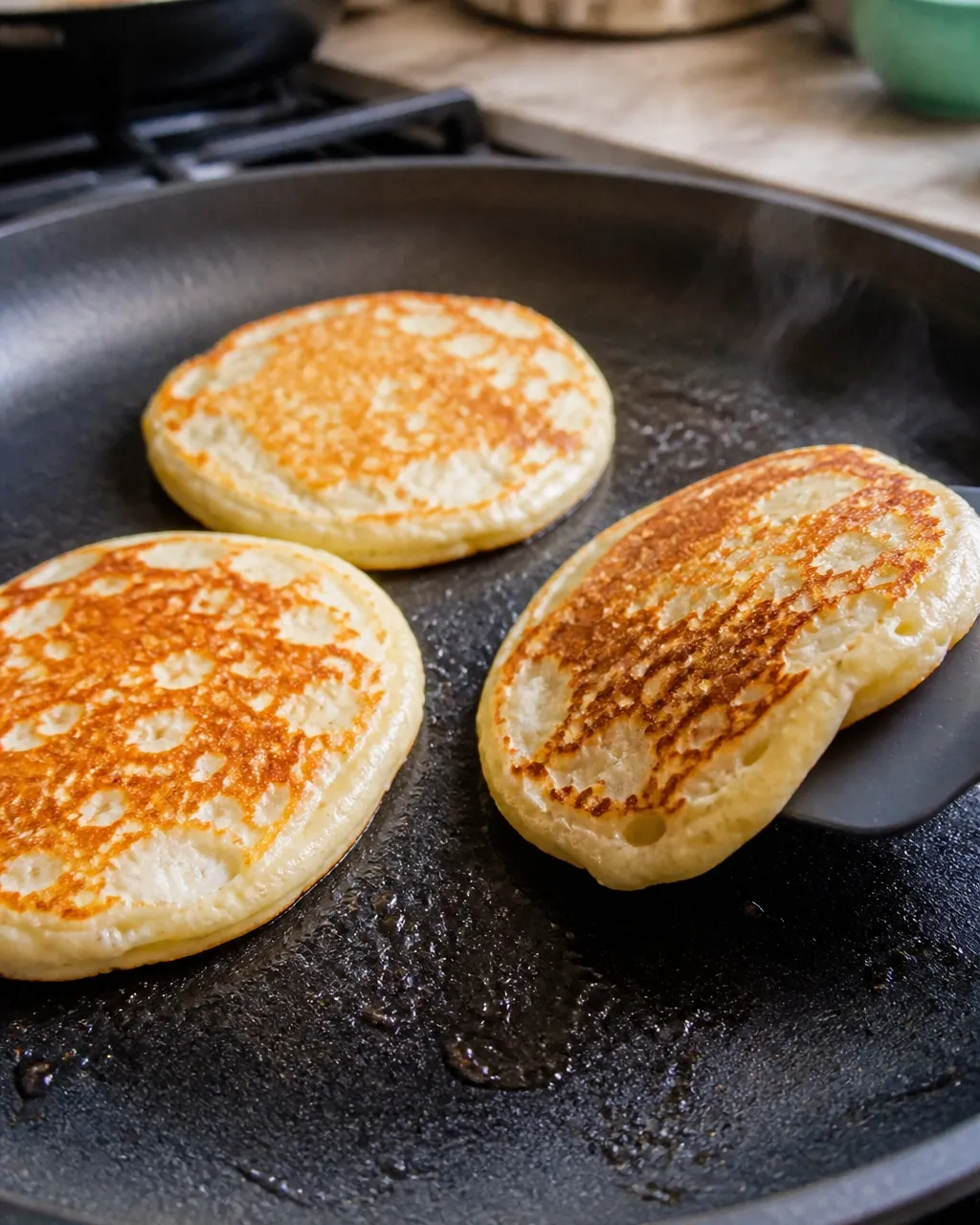
Use medium-low to medium heat. High heat browns the outside before the protein-rich center has time to cook, leaving you with pancakes that look ready but collapse when flipped. This is especially common with cottage cheese batter because dairy proteins and eggs need time to set.
Preheat the pan, then reduce the heat if the first pancake darkens too quickly. Cook smaller pancakes rather than giant ones. Smaller rounds have a better chance of cooking through before the surface overbrowns.
Look for bubbles forming across the top and edges that appear set. Flip once, and avoid pressing down with the spatula. Pressing forces out steam, the very thing helping your pancakes stay light. Let the second side finish gently, then move the pancakes to a plate.
Keep the batter thick enough to rise
A thick batter gives bubbles something to push against. A watery batter lets the gas escape sideways, so the pancakes spread instead of puffing. Cottage cheese brands vary in moisture, and rolled oats absorb liquid differently from quick oats, so expect small differences.
Adjust by texture, not by panic. Add a little milk if the batter is stiff and lumpy after resting. Add a spoonful of oats if it is thin and runs rapidly across the pan. Make one test pancake before cooking the full batch. It is the breakfast equivalent of checking the map before taking the wrong turn.
Serve them without flattening the work
Stack the pancakes loosely instead of pressing them into a neat tower. Covering them tightly while they are piping hot traps condensation, which can soften the browned edges. If you are cooking several batches, keep them warm in a low oven on a plate or baking sheet, but do not leave them there for ages.
The best texture is soft in the middle with lightly browned edges. That balance comes from gentle heat, a short batter rest, and the discipline to stop flipping.
Easy Variations for Every Morning
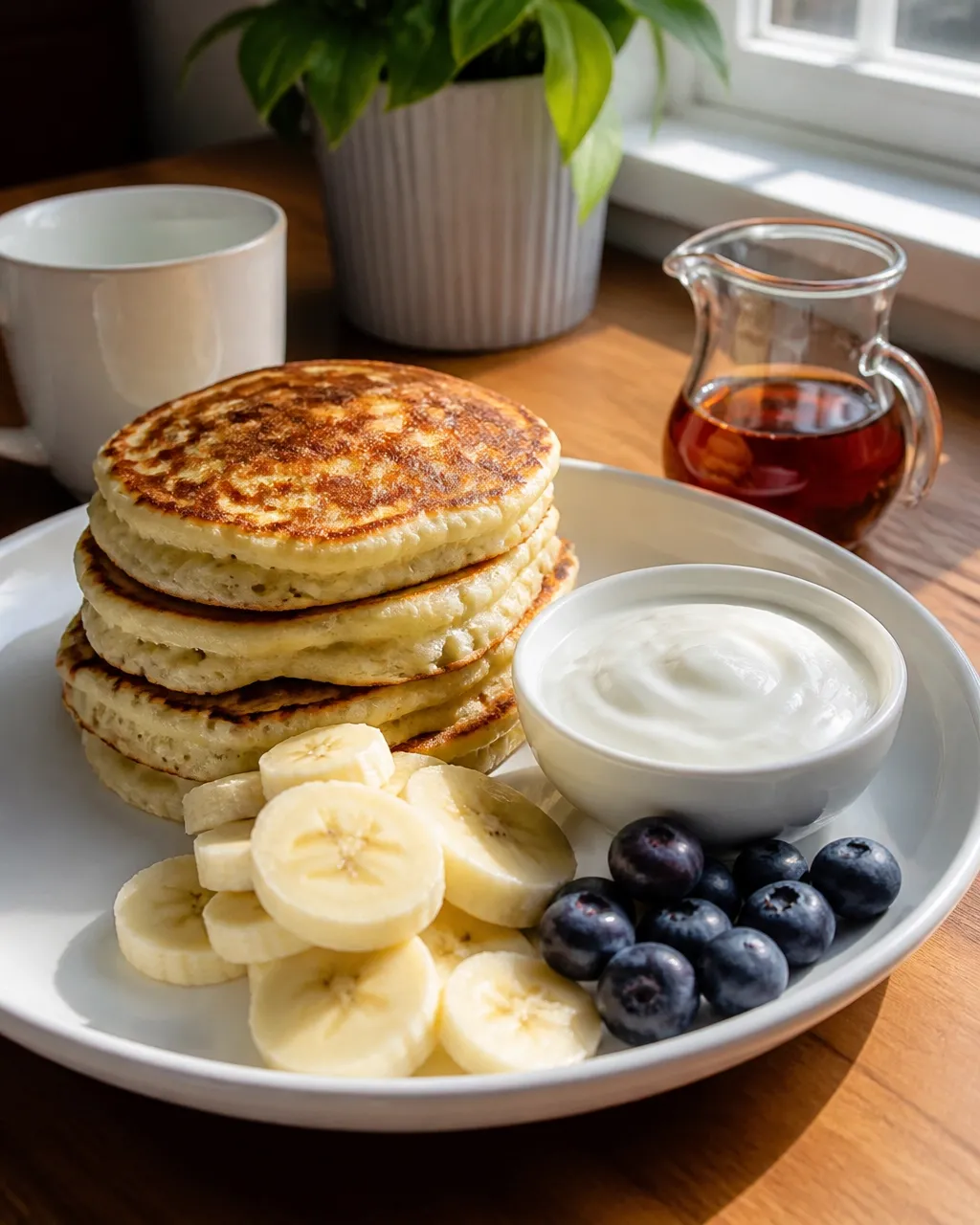
Berry and lemon
Fold a little lemon zest into the batter and serve the pancakes with fresh berries. The citrus makes the dairy taste brighter, while the berries add acidity that keeps the stack from feeling heavy. Avoid adding too much liquid lemon juice to the batter; excess moisture can thin it and interfere with browning.
Apple-cinnamon
Add finely grated apple and a pinch of cinnamon for a cozy version. Squeeze out excess moisture from the apple first. Otherwise, the fruit releases water in the pan and creates a damp patch in the center. Serve with plain yogurt rather than a large pour of syrup for a balanced finish.
Chocolate and banana
Stir in a small amount of dark chocolate chips and top the pancakes with sliced banana. Keep the chips modest so they do not weigh down the batter or scorch against the pan. Add a spoonful of yogurt or nut butter for creaminess and use less syrup.
Savory herb pancakes
Skip the sweet flavorings and add chopped herbs, black pepper, and a little grated cheese. Serve with tomato, avocado, or a fried egg. Cottage cheese already has a mild savory character, so this variation works particularly well when you want breakfast that is filling without being sugary.
Side Dish Pairings That Keep Breakfast Balanced
Pair the pancakes with something fresh, creamy, or crisp. Greek yogurt adds extra tang and protein, while berries or sliced peaches bring acidity and juiciness. Banana contributes sweetness and a soft texture, but use it with a sharper topping, such as plain yogurt or a few raspberries, so the plate does not become one-note.
For crunch, add toasted nuts or seeds. Use a small handful; the pancakes should remain the main event. A spoonful of nut butter works beautifully too, but thin it with a little warm water if you want it to drizzle rather than sit in one dense lump.
If you prefer a savory breakfast, serve the pancakes beside sliced tomatoes, avocado, or lightly dressed greens. The fresh vegetables cut through the dairy richness and make the meal feel complete.
For more practical inspiration, pair this breakfast habit with Cookpedia’s healthy recipes and quick meals.
Frequently Asked Questions
Can I make these pancakes without blending the cottage cheese?
Yes, but expect a more textured pancake. Small curds will remain visible and may create pockets of moisture. Mash the cottage cheese thoroughly with a fork if you do not have a blender, then whisk it well with the eggs. The pancakes can still taste excellent, but blending gives you the most even, fluffy crumb.
Why are my pancakes dense?
Check three things first: batter thickness, heat, and mixing. Batter that contains too many oats becomes heavy as the starch absorbs moisture. A pan that is too hot sets the outside before the middle can rise. Overmixing can also knock out air and make the texture rubbery. Rest the batter briefly, cook smaller rounds, and flip only once.
Why did the pancakes spread across the pan?
The batter is probably too thin or the pan is not hot enough. Wait a few minutes after blending so the oats hydrate. If the batter still runs like cream, stir in a small amount of oats and test one pancake. A properly heated pan should make the batter gently sizzle when it lands, but it should not smoke.
Can I use low-fat cottage cheese?
Absolutely. Low-fat cottage cheese usually works well, though the pancakes may be slightly less rich and tender. Some low-fat varieties contain more liquid, so pay attention to batter consistency. If the cottage cheese is very wet, drain it briefly before blending.
Can I prepare the batter the night before?
It is better to prepare the dry and wet components separately and combine them in the morning. Once mixed, the oats continue absorbing liquid, and the leavening begins losing some of its lift. If you must refrigerate the batter, store it covered and expect to loosen it with a small splash of milk before cooking.
Can I freeze cottage cheese pancakes?
Yes. Cool them completely, place parchment between the pancakes, and freeze them in an airtight container. Reheat them in a toaster, skillet, or oven until warm. Avoid microwaving for too long because the steam can make the texture chewy. Reheat gently and add toppings after warming.
Are these pancakes suitable for a high-protein breakfast?
They are a protein-forward choice because cottage cheese and eggs provide the main structure and much of the protein. The exact amount depends on your brands and serving size. Add yogurt, nut butter, or an egg on the side if you want a more substantial meal.