Recipe
Servings
Servings 1×
Ingredients
- Rolled oats
- Eggs
- Greek yogurt
- Berries
- Lemon
- Butter
- Cooking oil
Method
- Use finely ground almond flour rather than coarse almond meal.
- Let the batter rest briefly before cooking.
- Whisk thoroughly enough to combine the eggs, but avoid beating the finished batter aggressively.
- Use baking powder for dependable lift.
- Cook smaller pancakes than you might normally make.
- Use it to judge the heat, batter thickness, and cooking time.
These almond flour pancakes are soft, lightly nutty, and wonderfully simple to make. They fit the sweet spot for easy healthy breakfasts: quick enough for a weekday, satisfying enough for a slow Saturday, and flexible enough to work with what you already have. Almond flour can be pricier than regular flour, so I’ll also show you how to stretch it, choose sensible toppings, and avoid the common mistakes that turn fluffy pancakes into expensive little frisbees.
Why Almond Flour Pancakes Need a Different Technique
Almond flour is not just wheat flour wearing a nutty hat. It contains more natural fat, less starch, and no gluten, so it behaves differently from traditional pancake flour.
Gluten usually gives wheat-based batter some stretch and structure. That structure helps hold the bubbles created by baking powder. Almond flour cannot do that job on its own, so rely on eggs and careful cooking to build the framework instead.
Use finely ground almond flour rather than coarse almond meal. The finer texture hydrates more evenly and produces a smoother, lighter pancake. Almond meal can work in a pinch, but expect a more rustic, slightly crumbly result. Rustic is charming; crumbling onto your shirt before breakfast is less charming.
Let the batter rest briefly before cooking. Almond flour needs a few minutes to absorb the liquid, and this small pause helps the batter thicken. A batter that is too thin allows air bubbles to escape. A batter that is too thick creates heavy centers. Aim for a mixture that pours slowly from a spoon rather than rushing like milk or sitting there like cement.
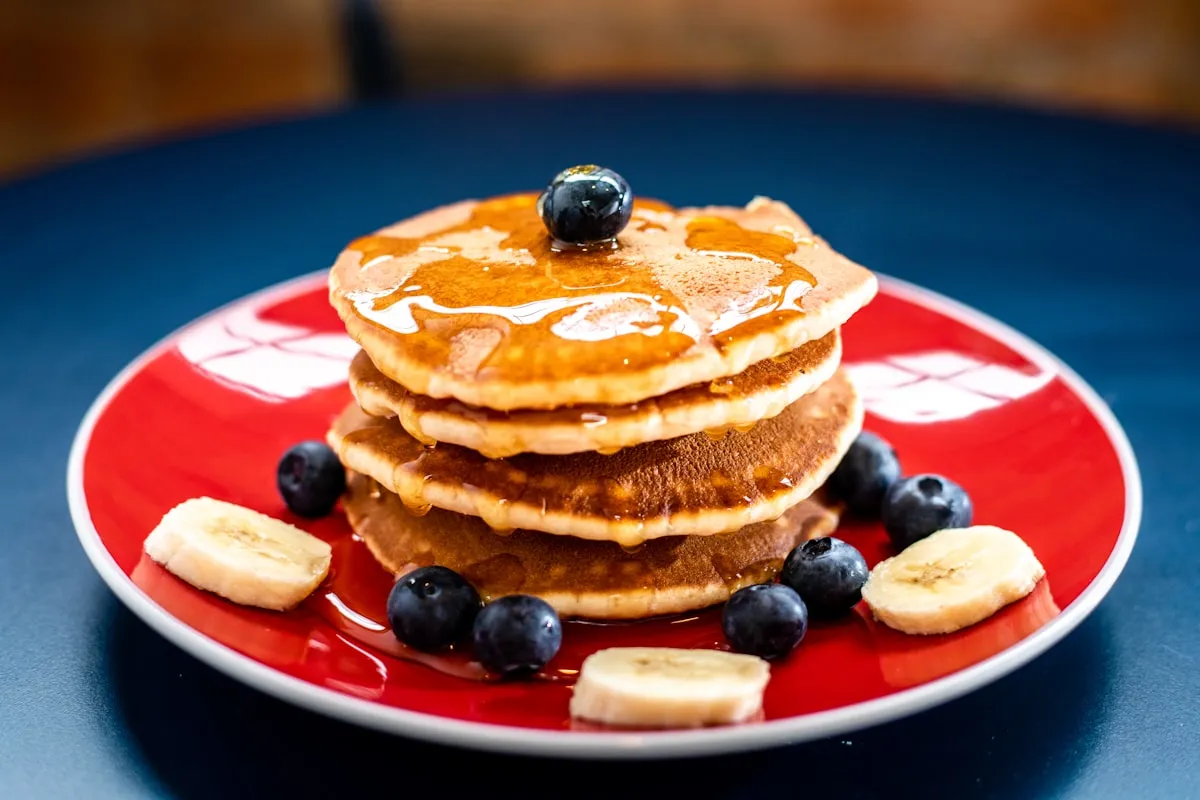
Treat eggs as both a binder and a lift-building tool. When heated, egg proteins firm up and form a network around the bubbles created by the leavening. That is the basic reason these pancakes can rise without gluten. Whisk thoroughly enough to combine the eggs, but avoid beating the finished batter aggressively. Overmixing can knock out the very air you want to keep.
Use baking powder for dependable lift. Baking soda needs an acidic ingredient to work properly, while baking powder already contains the acid it needs. If you add yogurt or another acidic ingredient, baking soda can become part of the plan, but do not swap it blindly. Too much soda can leave a bitter, soapy aftertaste. Pancake science is forgiving, but it does have boundaries.
Control the heat. Almond flour browns faster than wheat flour because of its fat content, so medium-low heat is the non-negotiable setting. A pan that is too hot will give you a beautiful golden exterior and a raw center, an impressive trick, but not breakfast.
Cook smaller pancakes than you might normally make. A modest pancake is easier to flip and gives the center time to set before the edges overbrown. Look for small bubbles on the surface and edges that appear dry and set. Flip once, gently, and resist the urge to press down with your spatula. Pressing squeezes out steam and turns a puffy pancake flat.
Grease the pan lightly, not generously. Too much fat can make the edges fry unevenly and cause the batter to slide around. Wipe a little butter or neutral oil across the surface, then add more only when the pan looks dry.
Check your baking powder before you start. Old leavening is one of the quiet villains behind dense pancakes. Test it by stirring a little into hot water; it should fizz promptly. If it barely reacts, replace it. No amount of positive thinking will make tired baking powder create lift.
Finally, keep the first pancake as your test subject. Use it to judge the heat, batter thickness, and cooking time. The first one does not need to be perfect. It simply needs to provide useful data, and perhaps a cook’s snack.
For another practical breakfast built around smart moisture control, try Cookpedia’s Healthy Blueberry Oatmeal Muffins. The same principle applies: manage hydration carefully to avoid a dry, heavy texture.
Smart Variations That Keep Breakfast Affordable
Almond flour is nutritious and naturally rich, but it is rarely the cheapest flour in the pantry. Stretch your budget by buying store-brand almond flour, comparing the price per ounce, and storing opened flour in the refrigerator or freezer. Its natural oils can become stale more quickly than ordinary flour.
For a more economical batch, replace part of the almond flour with oat flour if you do not need the pancakes to be strictly almond flour-based. Grind rolled oats in a blender until fine, or use a store-bought oat flour. This adds starch and structure while lowering the cost. Choose certified gluten-free oats if cross-contact matters to you.
Make the pancakes dairy-free with unsweetened plant milk. Water also works when the fridge is empty, although milk gives the batter a rounder flavor and slightly softer texture. Use whichever option fits your budget and breakfast routine.
Keep the batter lightly sweetened, or skip sweetener altogether. Fruit, yogurt, and a small drizzle of maple syrup can provide plenty of sweetness at the table. This approach costs less and lets everyone customize their own plate.
Add cinnamon, vanilla, lemon zest, or a few blueberries for variety without buying specialty toppings. For a chocolate version, use a small amount of unsweetened cocoa powder and add extra liquid if the batter becomes too thick. Cocoa absorbs moisture quickly, so do not treat it as a free addition.
For egg-free pancakes, use a flax egg, but expect a softer and less lofty result. Eggs provide essential structure here, so an egg-free version will be tender rather than dramatically fluffy. Serve smaller pancakes and flip them carefully.
Top the finished pancakes with sliced banana and plain yogurt for a filling breakfast, or use warm frozen berries instead of fresh fruit. Frozen berries are often cheaper, last longer, and release a lovely spoonable juice when warmed.
Side Dish Pairings for a Balanced Breakfast
Pair these pancakes with something fresh and slightly acidic. Berries, orange segments, or sliced kiwi cut through the richness of almond flour and keep the plate from feeling heavy. A spoonful of plain Greek yogurt adds tang and protein without requiring a large amount of syrup.
Serve crisp apple slices with cinnamon for a low-cost, no-cooking side. The fresh crunch contrasts with the soft pancakes, while the fruit brings natural sweetness.
If you need a heartier breakfast, add a boiled egg or a small portion of breakfast sausage. Keep the savory side modest because almond flour already brings richness. Cookpedia’s Air Fryer Breakfast Sausages make a convenient pairing when you want a higher-protein breakfast with minimal pan work.
For meal prep, serve two or three pancakes with yogurt and fruit rather than drowning the whole stack in syrup. Store toppings separately so the pancakes stay soft, not soggy.
Frequently Asked Questions
Why are my almond flour pancakes flat?
Usually, the batter is too thin, the leavening is inactive, or the pan is too hot. Let the batter rest so the almond flour can absorb moisture, and check that your baking powder still fizzes. Cook small pancakes over medium-low heat, then flip only when the edges look set. Do not press them with the spatula; that removes steam and collapses the lift.
Why do they fall apart when I flip them?
Almond flour contains no gluten, so the pancakes need enough egg structure and cooking time before they can be moved. Make them smaller, wait for bubbles and set edges, and use a thin spatula. If the batter spreads rapidly across the pan, it may be too loose. Stir in a small amount of almond flour and let it rest again.
Can I use almond meal instead of almond flour?
Yes, but expect a coarser texture and a more delicate pancake. Almond meal includes larger pieces of almond skin, which can interrupt the batter’s structure. Use finely ground almond flour when you want the fluffiest result. Choose almond meal when you prefer a rustic texture and do not mind slightly rougher edges.
How do I make these pancakes fluffier?
Start with finely ground flour, fresh baking powder, and a batter that is thick but pourable. Rest the batter briefly, cook small portions, and keep the heat moderate. Eggs provide much of the structure, so do not reduce them casually. If you want extra lift and do not mind adding another pantry ingredient, a little tapioca or arrowroot starch can provide more structure and a softer, bready bite.
Can I prepare the batter ahead of time?
You can mix the batter a short time ahead, but do not leave it overnight and expect identical results. Leavening begins working once it meets liquid, so the batter may lose some lift while resting for many hours. For busy mornings, mix the dry ingredients in advance and refrigerate them in a sealed container. Combine the wet and dry portions just before cooking.
Are almond flour pancakes automatically healthy?
Not automatically. Almond flour offers a naturally nutty flavor and useful nutrients, but it is also energy-dense. The overall meal matters more than one ingredient. Keep sweet toppings moderate, add fruit or yogurt, and choose portions that satisfy you. A pancake breakfast can be nourishing without pretending that a mountain of syrup is a vegetable.
How should I store leftovers?
Cool the pancakes completely, then refrigerate them in a sealed container for several days. Place parchment between layers if you plan to stack them. Reheat gently in a toaster, dry skillet, or microwave. Avoid overheating, which can dry the almond flour and make the edges brittle. You can also freeze them in a single layer before transferring them to a freezer bag.
Can I make these pancakes keto-friendly?
Use an unsweetened low-carbohydrate milk, skip maple syrup in the batter, and choose low-sugar toppings. However, the final carbohydrate count depends on the exact flour, sweetener, fruit, and serving size. Check the labels of your ingredients rather than relying on a general recipe label. Serve with eggs or unsweetened yogurt for a more substantial plate.
What is the best way to keep breakfast budget-friendly?
Measure your toppings instead of pouring them freely, use frozen fruit when fresh berries are expensive, and buy almond flour in a size you will use before it goes stale. Stretch the flour with oat flour when your dietary needs allow it, and repurpose leftovers as a quick snack with yogurt. Cook a full batch once, freeze extras, and turn tomorrow’s breakfast into a reheat-and-eat situation. Your future self will consider this excellent kitchen management.