Recipe
Servings
Servings 1×
Ingredients
- Salmon
- Quinoa
- Bread
- Potatoes
- Asparagus
- Avocado
- Tomatoes
- Garlic
- Lemon
- Balsamic vinegar
- Honey
- Tahini
- Hard cheese
- Butter
- Cooking oil
- Salt
Method
- Let’s be honest: you’re busy, you’re hungry, and the last thing you want to do is spend an hour scrubbing a mountain of pots.
- Use a paper towel to pat your salmon fillets bone-dry before they even think about touching the pan.
- Give it another thirty seconds.
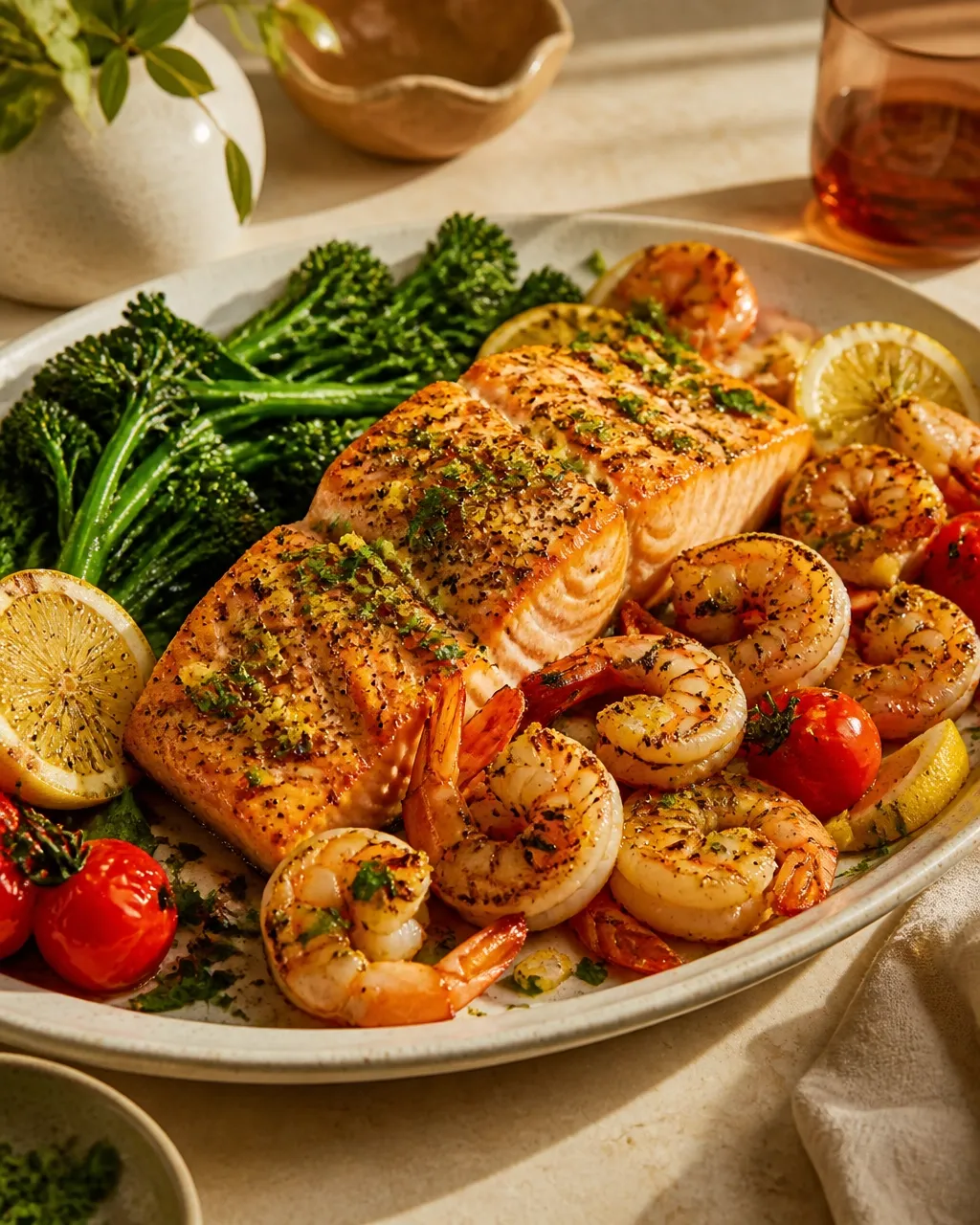
Let’s be honest: you’re busy, you’re hungry, and the last thing you want to do is spend an hour scrubbing a mountain of pots. You want something that looks like it belongs in a high-end bistro but takes less time than a commercial break. That’s where this pan-seared salmon comes in. It’s the ultimate king of quick healthy meals because it hits that sweet spot of high protein, healthy fats, and a cooking time that barely hits the ten-minute mark. Stop settling for cereal and let’s get some real food on your plate.
The Science of the Sear: Why Your Salmon Sticks
If you’ve ever tried to flip a piece of fish only to have half of it remain stubbornly glued to the pan, you know the heartbreak of a failed sear. The "why" behind a perfect crust isn’t magic, it’s physics and chemistry working in your favor. Achieving that restaurant-quality finish requires you to respect the Maillard reaction. This is the chemical reaction between amino acids and reducing sugars that gives browned food its distinctive flavor and texture.
First, prioritize moisture control. Moisture is the mortal enemy of the sear. Use a paper towel to pat your salmon fillets bone-dry before they even think about touching the pan. If there is water on the surface, the heat of the pan will turn that water into steam. Steamed fish is grey, sad, and rubbery. Dry fish is golden, crispy, and delightful.
Check your pan temperature before you commit. You need a high-temperature cooking oil with a high smoke point, like avocado or grapeseed oil. Avoid using just butter for the initial sear; the milk solids will burn before the fish is done. Instead, use oil to get the heat up and perhaps add a knob of butter at the very end for flavor. Wait for the oil to shimmer or barely wisps of smoke to appear. This ensures the proteins in the fish bond to each other rather than the metal of the pan.
Maintain a hands-off approach. Once that fillet hits the pan skin-side down, leave it alone. The skin acts as a heat shield, protecting the delicate flesh from the direct intensity of the burner while it renders out its fat. As the skin crisps, it will naturally release from the pan. If you feel resistance when you try to slide a spatula underneath, it’s not ready. Give it another thirty seconds. This patience is what separates amateur efforts from professional-grade easy dinner recipes.
Don't forget the asparagus. These green spears are mostly water and cellulose. By tossing them in the same pan, you’re utilizing the rendered salmon fat to blister the stalks. High heat breaks down the cellulose quickly, keeping the interior snappy while the outside gets those charred, nutty notes. Overcooking asparagus turns it into mushy, stringy straw, so pull them out the moment they turn a vibrant, neon green.
Flavor Variations for the Adventurous Cook
While a simple hit of salt and lemon is a classic for a reason, you don't have to stop there. Once you master the base technique, you can start experimenting with different flavor profiles to keep your weeknight rotation fresh.
Consider a Mediterranean twist by adding a crust of crushed pistachios or walnuts to the top of the salmon after the initial flip. The oils in the nuts toast beautifully as the fish finishes cooking. You can also swap the lemon for orange or grapefruit slices to introduce a different kind of acidity that cuts through the richness of the salmon fat.
If you’re feeling a bit more heat, try a dry rub. A blend of smoked paprika, garlic powder, and a pinch of cayenne creates a "blackened" effect without the need for a heavy sauce. For a more umami-forward version, a quick brush of miso paste and honey during the last two minutes of cooking will create a lacquered glaze that caramelizes under the residual heat.
Don't ignore the asparagus variations either. While salt is essential, try finishing the stalks with a dusting of Pecorino Romano or a drizzle of balsamic reduction. The sharp saltiness of the cheese or the sweet tang of the balsamic creates a beautiful contrast to the earthy flavor of the vegetable. You can even throw in some cherry tomatoes; they’ll burst in the hot oil and create a natural "pan sauce" that ties everything together.
Perfect Pairings for a Balanced Plate
To turn this into a complete meal, you need a side dish that complements the richness of the fish without overshadowing it. Since salmon is high in healthy fats, look for sides that offer brightness and texture.
A light, citrus-heavy grain salad is a fantastic choice. Think quinoa or farro tossed with plenty of fresh parsley, mint, and a lemon-tahini dressing. The grains provide the necessary carbohydrates to keep you full, while the herbs act as a palate cleanser. If you’re keeping things low-carb, a simple arugula salad with shaved fennel and a sharp vinaigrette works wonders. The peppery bite of the arugula and the crunch of the fennel cut right through the buttery texture of the seared fish.
For something a bit heartier, consider roasted fingerling potatoes. If you’re efficient, you can start them in the oven ten minutes before you hit the stove with the salmon. Their crispy skins and fluffy interiors are the perfect vessel for soaking up any leftover lemon butter from the pan. You can find more inspiration for side dishes on our Cookpedia homepage where we specialize in high-impact, low-effort pairings.
FAQ: Troubleshooting Your Salmon
Should I cook salmon with the skin on or off?
Always keep the skin on during the cooking process. Even if you don't plan on eating it, the skin provides a protective barrier that prevents the flesh from drying out and sticking. If you prefer it skinless, it’s much easier to peel the skin off after the fish is cooked than to try and remove it raw without mangling the fillet.
Why does my salmon have white stuff coming out of it?
That white substance is called albumin. It’s a protein that’s pushed out of the muscle fibers when they contract. While it’s perfectly safe to eat, it’s usually a sign that you’re cooking the fish too fast or at too high a temperature for too long. To minimize it, try to take the fish off the heat when the center is still slightly translucent; the carry-over heat will finish the job.
Can I use frozen salmon for these quick healthy meals?
Yes, but you must thaw it completely first. If you try to sear a frozen fillet, the outside will burn while the inside remains an ice cube. Thaw it in the fridge overnight or in a sealed bag under cold running water for 20 minutes. Just remember: the "pat dry" rule is even more critical for thawed fish!
How do I know when the asparagus is "done"?
Use the "bend test." Pick up a spear with your tongs. If it stays completely rigid, it’s still raw. If it bends slightly but still has some resistance, it’s perfect. If it flops over like a wet noodle, you’ve gone too far.
Is a non-stick pan better than cast iron?
Both work, but they yield different results. A non-stick pan is the safest bet for beginners because it's more forgiving. However, a cast iron skillet holds heat better and will give you a much more impressive, "crusty" sear. If you use cast iron, just ensure it is well-seasoned and that your oil is hot enough before the fish hits the surface.
What if my salmon is very thick?
For exceptionally thick fillets, you might find the skin is getting too dark before the center is cooked. In this case, sear the skin to get it crispy, flip the fish, and then turn the heat down to medium-low. You can even put a lid on the pan for a minute or two to trap some heat and finish the interior without scorching the outside. Mastering these small adjustments is what makes these easy dinner recipes so reliable for any night of the week.