Recipe
Servings
Servings 1×
Ingredients
- Chicken
- Shrimp
- Quinoa
- Lemon
Method
- Use a high-quality insulated cooler and follow these non-negotiables:
- Keep hot items at or above 140°F using insulated carriers or stone-ware wrapped in heavy towels.
- Use a thermometer to check the water temperature.
- Keep the cooler in the passenger area with the AC on during the drive, and move it to the shadiest spot on the grass as soon as you arrive.
- Cut produce, in particular, provides a moist, nutrient-rich environment that bacteria love.
There is nothing quite like the charm of dining al fresco under a golden summer sun. Whether you’re scouting out new picnic ideas at the local park or setting up a blanket in your own backyard, the goal is always the same: great food and even better company. But here is the thing: summer heat is the ultimate uninvited guest. If you don't manage your food temperatures properly, that lovely afternoon can take a sharp turn toward a stomach ache. My blog is all about keeping things delicious and safe, so let’s talk about the science of keeping your outdoor feast out of the danger zone.
The Science of the "Danger Zone" and Thermal Mastery
When we talk about food safety, we are really talking about microbiology. Bacteria like Salmonella and E. coli are basically the speed-demons of the microscopic world. Between 40°F and 140°F: what pros call the "Danger Zone": these tiny troublemakers can double their population every 20 minutes. Think about that. A tiny, harmless amount of bacteria on your chicken salad can become a full-blown colony by the time you've finished your second round of frisbee.
To win this war, you need to understand heat transfer. Your cooler isn't just a box; it’s a thermal barrier designed to slow down conduction (heat moving through touch) and convection (heat moving through air). Use a high-quality insulated cooler and follow these non-negotiables:
- Pre-chill everything. Never put room-temperature food into a cooler and expect it to get cold. Your ice will spend all its energy cooling the food down instead of keeping it at a safe temperature. Refrigerate your healthy picnic recipes overnight so they start at a crisp 38°F.
- The 75/25 Rule. Fill at least 25% of your cooler with ice or frozen gel packs. Air is the enemy of cold. A full cooler stays cold much longer than one half-filled with warm air.
- Layer with logic. Pack the items you’ll need last (like the main course) at the very bottom, surrounded by the most ice. Put snacks and drinks on top. Better yet, use two coolers. One for drinks: which people will open every five minutes: and one for the actual perishable food that needs to stay sealed.
- Monitor the temps. Keep a small appliance thermometer inside the cooler. If it ticks above 40°F, it's time to start eating or find more ice.
- Seek the shade. Even the best insulation can't fight direct sunlight forever. Bury your cooler under a tree or keep it in the shade of your beach umbrella.
If you’re bringing hot food, the same logic applies in reverse. Keep hot items at or above 140°F using insulated carriers or stone-ware wrapped in heavy towels. If the temp drops below that mark, you’ve got a two-hour window (or just one hour if it’s over 90°F outside) before that food belongs in the bin.
Adapting for the Environment: Beach vs. Park
The logistics of your picnic change depending on where you're laying your blanket. A park picnic often offers the luxury of shade trees, which are natural air conditioners for your food storage. If you're heading to the beach, the challenge is twofold: intense, reflected heat from the sand and the lack of natural cover.
For high-heat environments like a sandy beach, lean toward healthy picnic recipes that are naturally more resilient. Swap out mayo-based dressings for vinaigrettes. If you’re planning a sunset dinner, consider making some quick family meals at home and transporting them in thermal containers rather than trying to prep on-site.
In cooler, breezy park settings, you can be a bit more adventurous with dairy or soft cheeses, provided your cooler game is on point. However, always treat the "two-hour rule" as law. If the thermometer hits 90°F, that rule is cut in half. No exceptions.
Strategic Pairings for Thermal Stability
Smart entertaining is about more than just flavor; it’s about choosing dishes that help each other stay safe. Focus on balance: not just in taste, but in temperature and acidity. High-acid foods (like those with lemon juice or vinegar) are naturally more hostile to bacterial growth than neutral, protein-heavy dishes.
- Acid vs. Richness: Pair your rich, grilled proteins with high-acid slaws or pickled vegetables. The vinegar in the pickles acts as a mild preservative and cuts through the fat of the meat perfectly.
- Frozen Fruit Hack: Use frozen grapes or orange slices as "edible ice packs" in your fruit salad. They keep the dish cold as they thaw and don't water things down like melting ice would.
- The Shelf-Stable Hero: Always include a few items that don't care about the temperature. Whole fruits, nuts, and hard cheeses are your insurance policy if the ice melts faster than expected.
While you might love your air fryer recipes dinner leftovers, only bring them along if you can guarantee they will stay below 40°F or above 140°F. If you're looking for more healthy dinner ideas that travel well, stick to those that taste great at room temperature but can safely handle a brief chill in the cooler.
Food Safety FAQ: The "What If" Guide
What if my ice melts completely but the water is still cold?
Don't panic, but do act. Cold water actually conducts heat away from food faster than air does, but it also warms up faster than solid ice. Use a thermometer to check the water temperature. If it's still 40°F or lower, your food is okay for now, but you need to find more ice immediately. If the water is lukewarm, throw away the perishables.
Can I just scrape the "warm" top layer off a dip?
Absolutely not. Bacteria aren't just sitting on the surface; they are microscopic and can migrate or produce toxins that permeate the entire dish. If the dish has been in the "Danger Zone" for more than two hours, the whole thing is a hazard. Avoid the temptation to "test" it: you can't smell or taste most food-borne pathogens.
Is it safer to keep food in the car or on the grass?
Never leave your cooler in a parked car. Even on a mild day, the "greenhouse effect" can turn a car interior into an oven, reaching 120°F in minutes. This will melt your ice and cook your salad. Keep the cooler in the passenger area with the AC on during the drive, and move it to the shadiest spot on the grass as soon as you arrive.
Why is the 1-hour rule so strict for high heat?
Once the ambient temperature hits 90°F, the rate of bacterial replication increases exponentially. It isn't just twice as fast; it’s a runaway train. That 60-minute window is the scientific threshold where the risk of illness outweighs the reward of the meal. Check the weather before you go; if it’s a scorcher, plan for a "quick-eat" picnic rather than a long, lingering grazing session.
What about "healthy picnic recipes" that are plant-based?
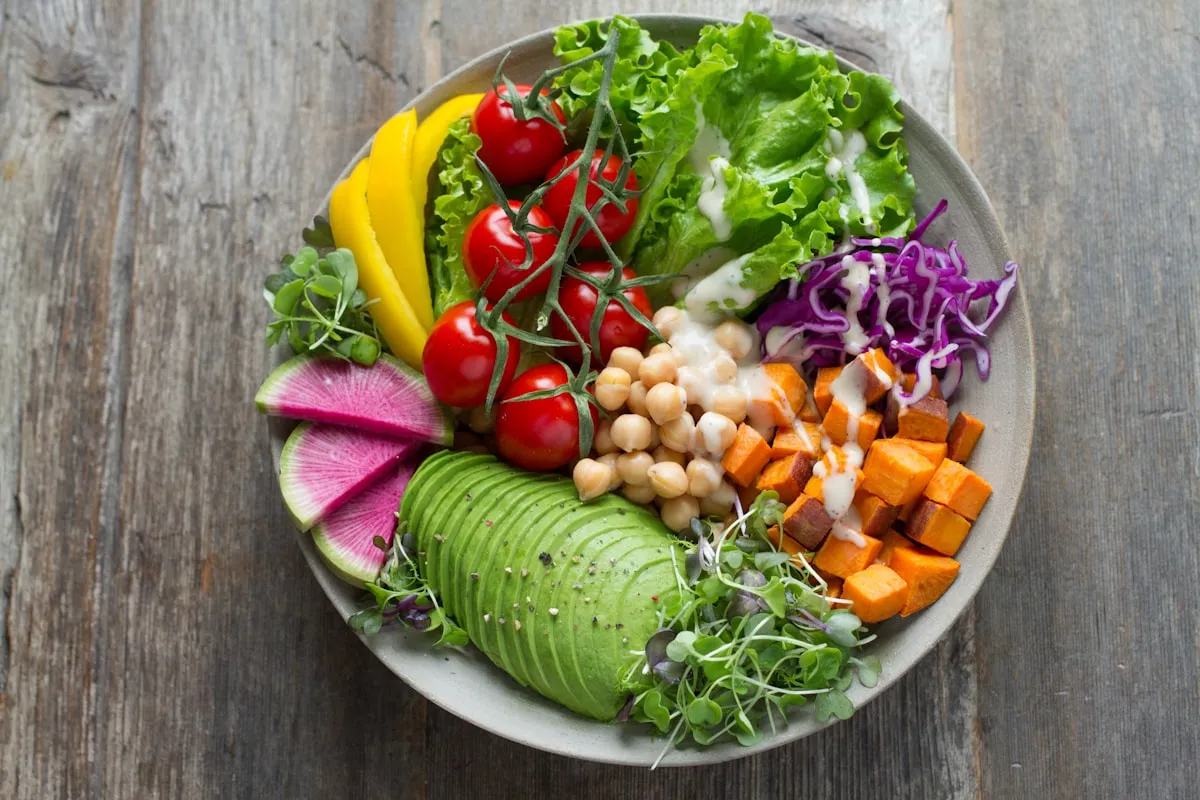
Don't be fooled: plants aren't invincible. Cooked grains, cut melons, and sprouts are all high-risk foods. Cut produce, in particular, provides a moist, nutrient-rich environment that bacteria love. Treat your quinoa salad with the same thermal respect you’d give a platter of shrimp.
{“@type”:”Article”,”image”:”https://cdn.marblism.com/hFCVHis7PKc.webp”,”author”:{“name”:”Penny”,”@type”:”Person”},”@context”:”https://schema.org”,”headline”:”Essential Food Safety Tips for Your Summer Picnic”,”publisher”:{“logo”:{“url”:”https://cookpedia.com/logo.png”,”@type”:”ImageObject”},”name”:”Cookpedia”,”@type”:”Organization”},”mainEntity”:[{“name”:”What is the danger zone for food temperature?”,”@type”:”Question”,”acceptedAnswer”:{“text”:”The danger zone is between 40°F and 140°F. In this range, bacteria can multiply rapidly, potentially doubling every 20 minutes.”,”@type”:”Answer”}},{“name”:”How long can food sit out at a picnic?”,”@type”:”Question”,”acceptedAnswer”:{“text”:”Perishable food can sit out for up to 2 hours. However, if the outdoor temperature is above 90°F, that time is reduced to only 1 hour.”,”@type”:”Answer”}},{“name”:”How should I pack my cooler for maximum safety?”,”@type”:”Question”,”acceptedAnswer”:{“text”:”Use the 75/25 rule: 75% food and 25% ice or gel packs. Pre-chill all items overnight and place the most perishable foods at the bottom of the cooler where it is coldest.”,”@type”:”Answer”}}],”description”:”Learn the science of food safety for summer picnics. Master temperature control, the danger zone, and how to keep your healthy picnic recipes safe outdoors.”,”datePublished”:”2026-05-19″,”mainEntityOfPage”:{“@id”:”https://cookpedia.com/essential-food-safety-tips-summer-picnic”,”@type”:”WebPage”}}