Recipe
Servings
Servings 1×
Ingredients
- Chicken
- Steak
- Tofu
- Chickpeas
- Black beans
- Beans
- Quinoa
- Rice
- Rolled oats
- Eggs
- Tortillas
- Bread
- Potatoes
- Broccoli
- Spinach
- Corn
- Apple
- Onion
Method
- Let’s dive into how you can start using fiber to reclaim your day with these quick healthy meals .
- Combine canned black beans or chickpeas with a quick-cooking grain like quinoa or microwaveable brown rice.
- Add some fermented crunch with pickled onions or sauerkraut to double down on gut health.
- Use your air fryer to get the tofu extra crispy without a ton of oil.
- Stir in a handful of fresh spinach while the oats are hot and top it with a soft-boiled egg for a savory, high-fiber start to your day.
- Mix them with your favorite milk and let them sit until they thicken.
If you find yourself hitting a brick wall at 3 PM every single day, you aren't alone. Most of us reach for a third cup of coffee or a sugary snack, only to crash even harder twenty minutes later. The secret to breaking this cycle isn't more caffeine; it’s a strategy I like to call "fibermaxxing." By packing your plate with high-fiber, real-food ingredients, you can stabilize your blood sugar and keep your energy levels humming from morning till night. Let’s dive into how you can start using fiber to reclaim your day with these quick healthy meals.
The Science of Sustained Energy: Why Fiber is King
To understand why fiber is your best friend, you have to look at how your body processes energy. When you eat refined carbs, think white bread or sugary cereals, your body breaks them down into glucose almost instantly. This causes a massive spike in your blood sugar, followed by a massive surge of insulin to clear it out. The result? A "sugar crash" that leaves you feeling shaky, grumpy, and exhausted.
Slow Down the Glucose Train
Fiber changes the game by acting as a biological speed bump. Soluble fiber, specifically, forms a thick, gel-like substance in your digestive tract. This gel slows down the rate at which your stomach empties and the speed at which glucose is absorbed into your bloodstream. Instead of a mountain-peak spike, you get a gentle, rolling hill of energy. This is the cornerstone of effective healthy dinner ideas.
Fuel Your Microbes for Bonus Energy
There is also a hidden energy source in fiber that most people overlook: short-chain fatty acids (SCFAs). While humans can't digest fiber in the small intestine, the billions of bacteria in your gut can. As they ferment fiber in your large intestine, they produce SCFAs like butyrate and acetate. Your body absorbs these and uses them as a steady, slow-burning fuel source. It’s like having a secondary battery pack that kicks in hours after you’ve finished eating.
Tips for Successful Fibermaxxing
- Hydrate or Hibernate: Increase your water intake every time you increase your fiber. Fiber needs water to move through your system; without it, you're just inviting a traffic jam in your gut.
- Go Slow and Steady: Don't go from 5 grams of fiber to 50 grams overnight. Give your microbiome a week or two to adjust to the new workload to avoid unwanted gas.
- Prioritize Whole Form: Choose whole fruits over juices and intact grains over flours. The physical structure of the food matters just as much as the nutrient count.
- Check the Label: Aim for at least 3 to 5 grams of fiber per serving in your packaged staples like crackers or bread.
- Use the Skin: Eat the skins of potatoes, apples, and cucumbers whenever possible. That’s where the most concentrated fiber lives.
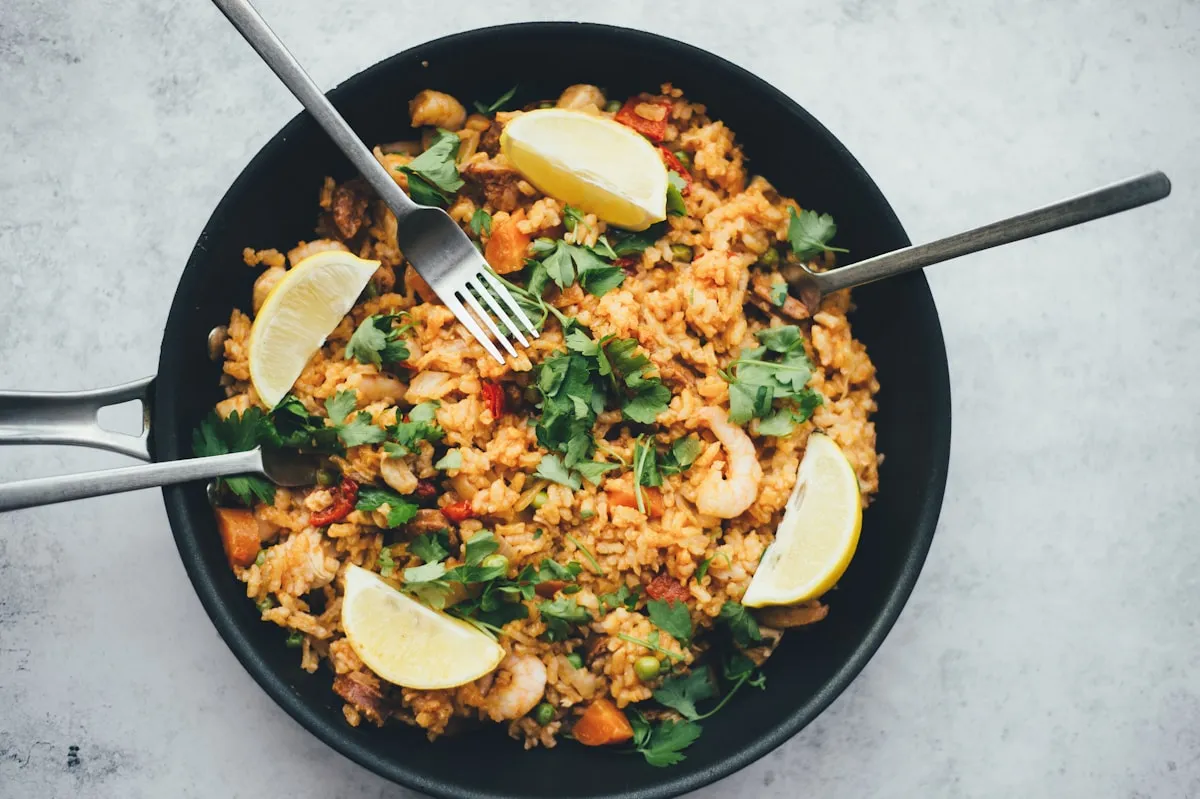
5 Quick Healthy Meals to Try This Week
1. The Legume-Loaded Grain Bowl
Legumes are the undisputed heavyweights of the fiber world. Combine canned black beans or chickpeas with a quick-cooking grain like quinoa or microwaveable brown rice. Add some fermented crunch with pickled onions or sauerkraut to double down on gut health. This is a classic example of quick family meals that take less than ten minutes to assemble.
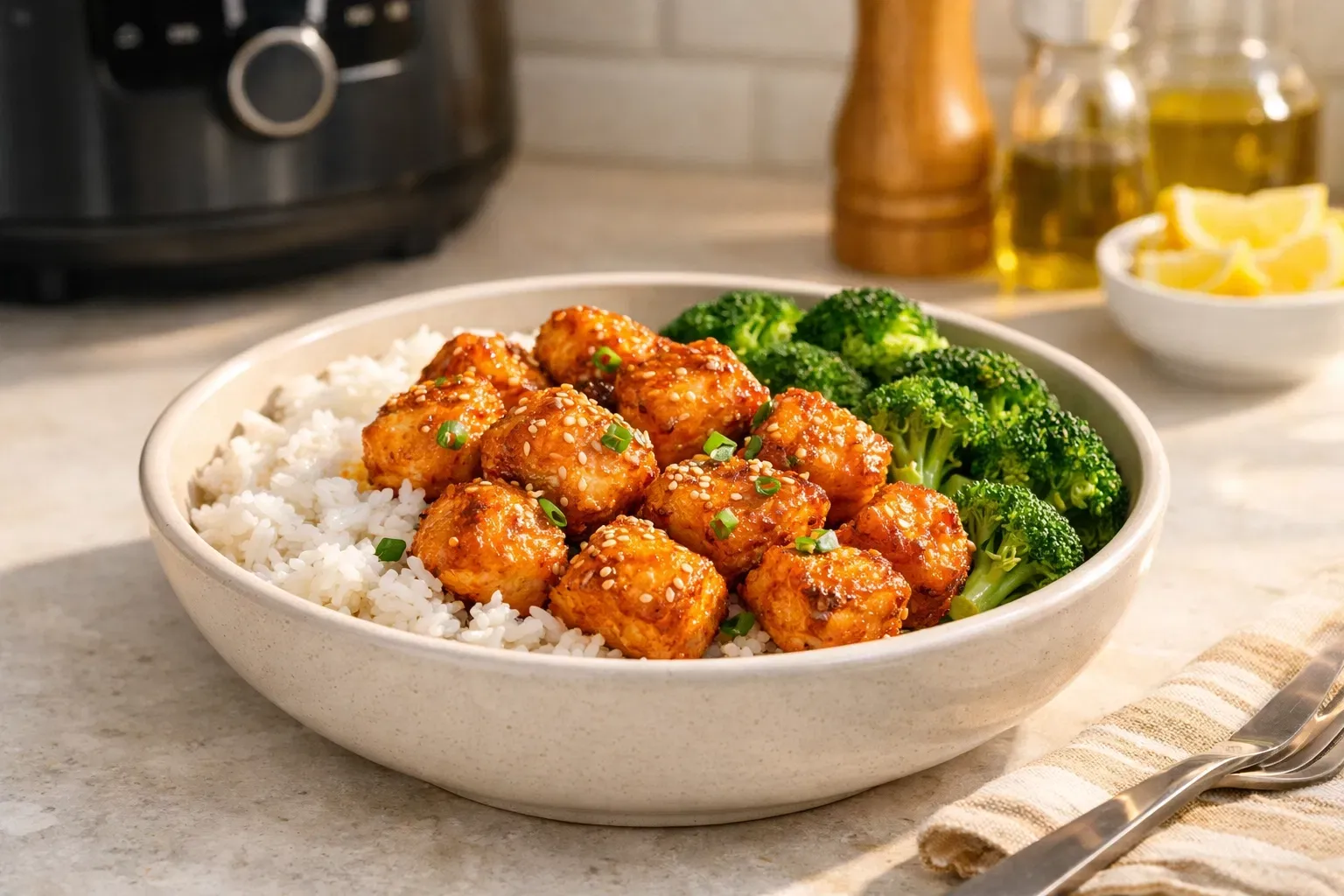
2. Air Fryer Crispy Tofu and Broccoli
Tofu is a fantastic protein, but when you pair it with a massive pile of broccoli, you get a fiber-rich powerhouse. Use your air fryer to get the tofu extra crispy without a ton of oil. Broccoli is packed with both soluble and insoluble fiber, making it a perfect partner for stable energy. This is one of my favorite air fryer recipes dinner options for a busy Tuesday.
3. Savory Oats with Spinach and Egg
Who says oatmeal has to be sweet? Steel-cut or rolled oats are full of beta-glucan, a type of soluble fiber proven to lower cholesterol and stabilize blood sugar. Stir in a handful of fresh spinach while the oats are hot and top it with a soft-boiled egg for a savory, high-fiber start to your day.
4. High-Fiber "Power" Fajitas
Switch out standard white flour tortillas for high-fiber whole-wheat or corn versions. Load them up with sautéed peppers, onions, and plenty of grilled chicken or steak. The combination of protein and fiber will keep you full for hours.
5. Chia and Berry Pudding
Chia seeds are fiber bombs; just two tablespoons contain nearly 10 grams of the stuff. Mix them with your favorite milk and let them sit until they thicken. Top with a cup of raspberries, the highest fiber fruit, for a meal that feels like dessert but functions like high-octane fuel.
Variations for the Adventurous Cook
If you get bored easily, don't worry, fibermaxxing is incredibly flexible. You can swap out the base of any grain bowl for roasted cauliflower or shredded cabbage to keep things light but filling. If you aren't a fan of beans, try using lentils; they cook much faster and have a softer texture that blends into sauces beautifully.
For those who love a bit of heat, add sliced jalapeños or a drizzle of spicy harissa to your fiber-heavy dishes. Capsaicin, the compound that makes peppers hot, can actually work in tandem with fiber to help regulate your metabolism. If you prefer a plant-based approach, replace the meat in your fajitas with thick slices of portobello mushrooms or seasoned tempeh.
Side Dish Pairings: Balancing Your Plate
When you're eating a high-fiber main, you want side dishes that complement the texture and help with digestion. Acidity is your best friend here. A simple side of vinegary coleslaw or a quick cucumber salad with lime juice helps cut through the heartiness of grains and beans.
Avoid pairing high-fiber meals with heavy, fatty sauces or creamy dressings. Too much fat can slow down digestion too much when combined with high fiber, leading to that "heavy" feeling in your stomach. Stick to light, herb-forward sides like a sprig of fresh cilantro or a squeeze of lemon to keep the meal refreshing and energizing.
Fibermaxxing FAQ: Your Burning Questions Answered
Will all this fiber make me bloated?
It can if you rush into it. Bloating occurs when your gut bacteria produce gas as they ferment the fiber. If you haven't been eating much fiber, your bacterial population isn't ready for the feast. Increase your intake by 5 grams every few days and drink a lot of water. This gives your gut time to build up the right "workforce" to handle the load without the extra air.
Can I just take a fiber supplement instead?
You can, but you'll miss out on the "food matrix." Whole foods contain a mix of different types of fiber, plus vitamins, minerals, and antioxidants that work together. Supplements usually only provide one type of isolated fiber. Think of a supplement as a spare tire, great in an emergency, but you shouldn't drive on it forever.
Why do I feel tired after a high-fiber meal?
Check your portion sizes. While fiber stabilizes blood sugar, eating a massive volume of food redirects a lot of blood flow to your digestive system, which can cause temporary lethargy. Keep your portions moderate and focus on the quality of the fiber rather than just the quantity.
Is there such a thing as too much fiber?
Yes, though most people are nowhere near that limit. If you consistently exceed 70 grams a day, you might experience nutrient malabsorption or significant digestive distress. Stick to the recommended 25–35 grams for most adults, and listen to your body. If you feel great, you're likely in the "sweet spot."
What if I hate the taste of beans and whole grains?
Start small. You don't have to eat a bowl of plain brown rice. Mix it 50/50 with white rice at first. Add a handful of lentils to your regular pasta sauce; they'll practically disappear but still give you a fiber boost. It’s about making sustainable shifts, not a total kitchen overhaul.
{“@type”:”BlogPosting”,”image”:[“https://api.gandalf.run/render/a-wide-angle-natural-light-shot-of-fresh-high-fiber-ingredients-on-a-rustic-wooden-table-a-bowl-of-dry-red-lentils-a-glass-jar-of-chia-seeds-a-bunch-of-kale-sliced-avocado-and-a-bowl-of-bright-berries-the-lighting-is-soft-and-natural-with-a-clean-uncluttered-composition.png”,”https://cdn.marblism.com/HXgr9RYND-z.webp”,”https://cdn.marblism.com/hWpxHrQyRAa.webp”,”https://cdn.marblism.com/dulB9SHmVqG.webp”,”https://cdn.marblism.com/ZJvaRqN_x-v.webp”],”author”:{“name”:”Cookpedia”,”@type”:”Organization”},”faqPage”:{“@type”:”FAQPage”,”@context”:”https://schema.org”,”mainEntity”:[{“name”:”Will all this fiber make me bloated?”,”@type”:”Question”,”acceptedAnswer”:{“text”:”Bloating occurs when your gut bacteria produce gas as they ferment the fiber. To avoid this, increase your fiber intake gradually and drink plenty of water.”,”@type”:”Answer”}},{“name”:”Can I just take a fiber supplement instead?”,”@type”:”Question”,”acceptedAnswer”:{“text”:”Whole foods are preferable because they offer a complex ‘food matrix’ of vitamins, minerals, and multiple fiber types that supplements lack.”,”@type”:”Answer”}},{“name”:”Is there such a thing as too much fiber?”,”@type”:”Question”,”acceptedAnswer”:{“text”:”Yes, exceeding 70 grams a day can lead to nutrient malabsorption and digestive distress. Most adults should aim for 25–35 grams daily.”,”@type”:”Answer”}}]},”@context”:”https://schema.org”,”headline”:”Fibermaxxing 101: 5 Quick Healthy Meals to Boost Your Energy Instantly”,”publisher”:{“logo”:{“url”:”https://cookpedia.com/logo.png”,”@type”:”ImageObject”},”name”:”Cookpedia”,”@type”:”Organization”},”description”:”Learn the science behind fibermaxxing and how high-fiber meals can stabilize your blood sugar for sustained energy throughout the day.”,”datePublished”:”2026-07-03″,”mainEntityOfPage”:{“@id”:”https://cookpedia.com/fibermaxxing-101″,”@type”:”WebPage”}}