Fluffy Vanilla Cupcakes (Easy Buttercream)
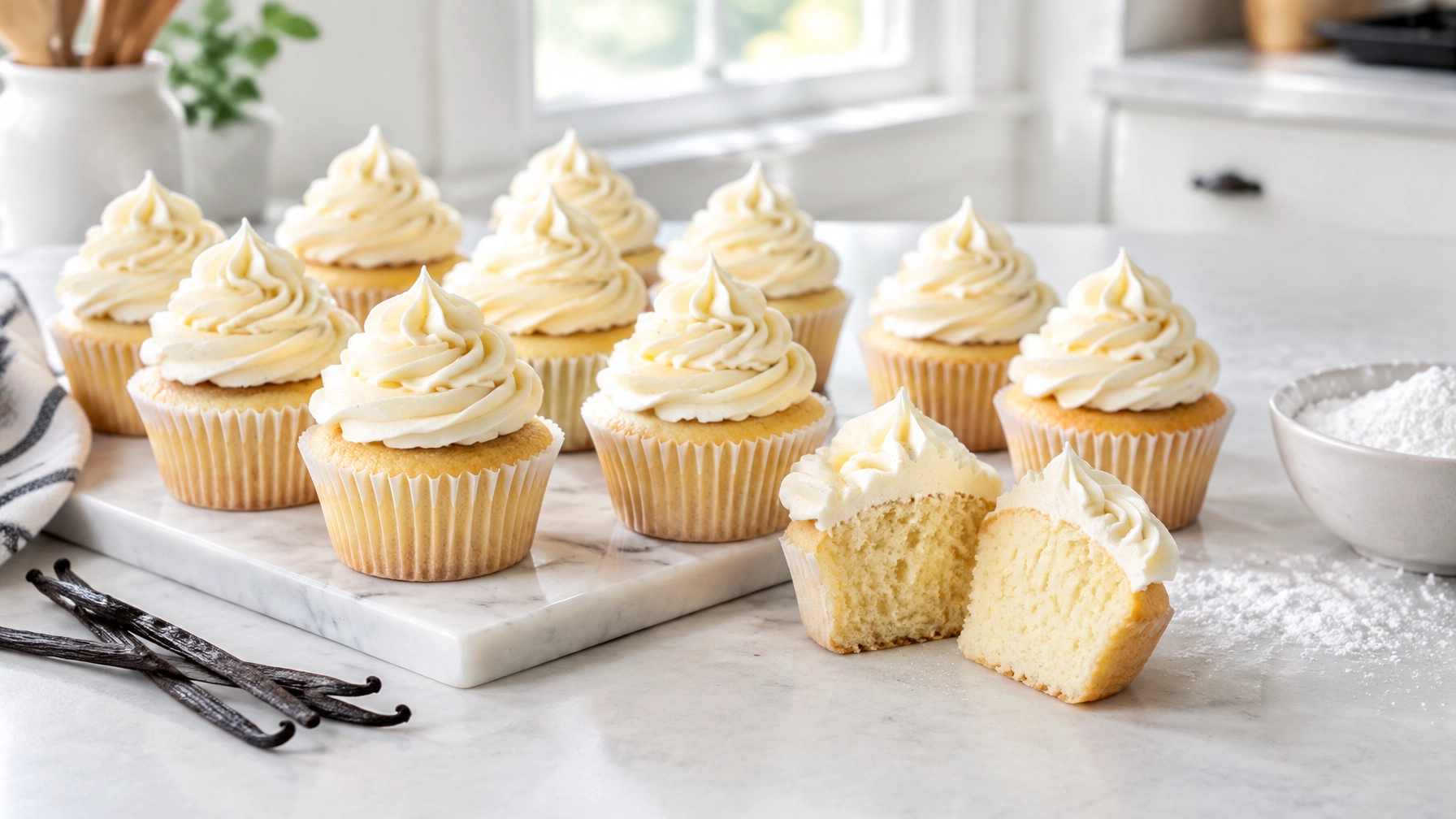
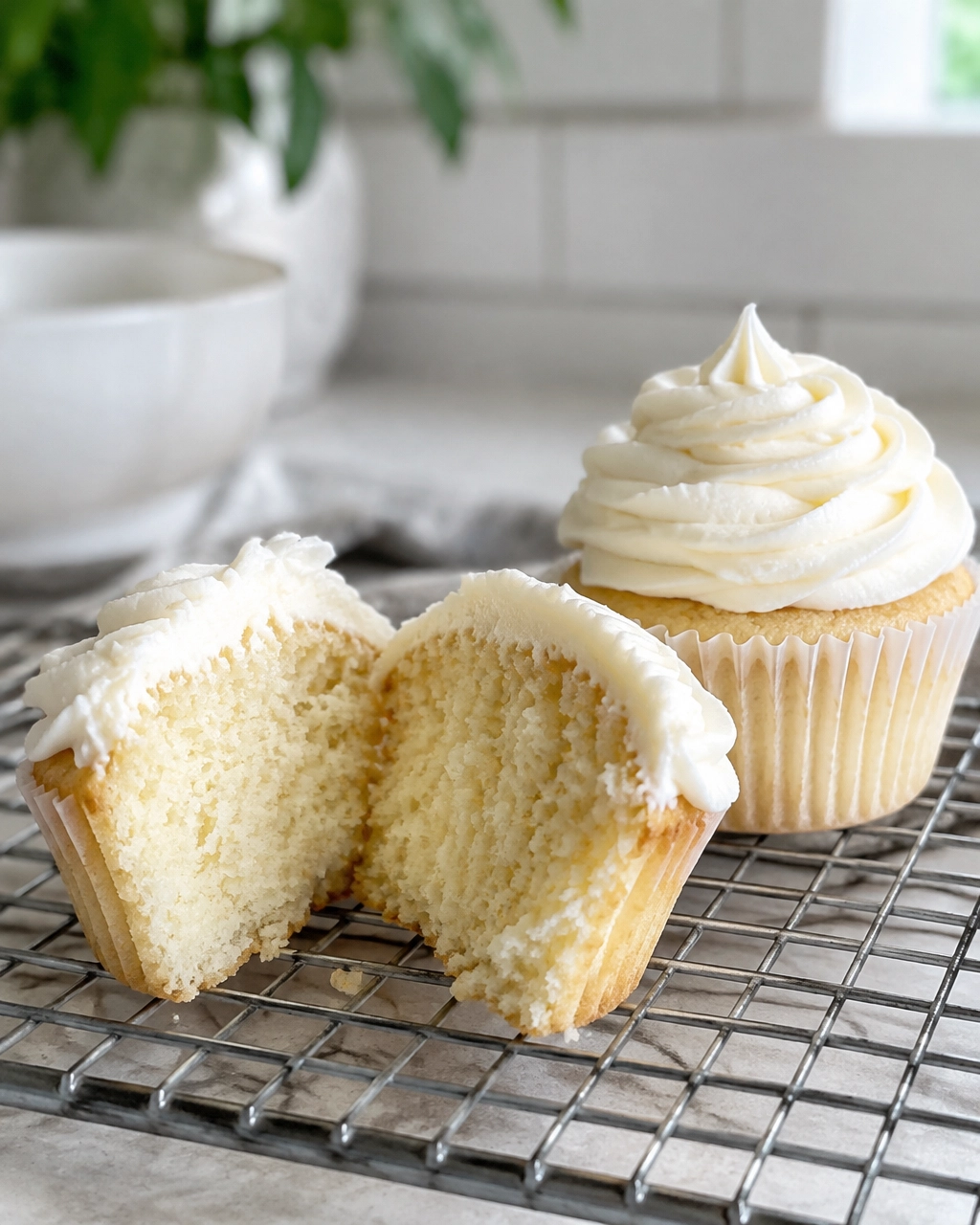
Vanilla cupcakes are a standard baking preparation: a light butter-based sponge mixed with vanilla and finished with American-style buttercream. This version produces 12 soft cupcakes with a fine crumb and a stable, easy-to-pipe topping.
The process is straightforward. Use room-temperature ingredients, cream the butter and sugar thoroughly, mix the flour only until combined, and cool the cupcakes completely before applying the buttercream. These controls determine the final texture.
# Definition
fluffy (adjective): containing or incorporating air; light rather than dense.
buttercream (noun): a sweet frosting made by beating butter with icing sugar and liquid.
The result should be lightly golden, soft in the centre and sufficiently firm to support a swirl of frosting.
# Recipe
Fluffy Vanilla Cupcakes
Servings: 12 cupcakes
Prep time: 25 minutes
Cook time: 20–25 minutes
Cooling time: 30 minutes
Total time: 1 hour 20 minutes
Ingredients
Cupcakes
- 200 g unsalted butter, softened
- 200 g caster sugar
- 3 large eggs, at room temperature
- 200 g self-raising flour
- 1 teaspoon vanilla extract
- 2 tablespoons whole milk, at room temperature
Alternative flour mixture: Use 200 g plain flour with 2 teaspoons baking powder and a pinch of salt instead of self-raising flour.
Easy Vanilla Buttercream
- 125 g unsalted butter, softened
- 250 g icing sugar, sifted
- 1½ teaspoons vanilla extract
- 1–3 tablespoons whole milk or double cream
- Pinch of salt, optional
Method
Prepare the oven. Heat the oven to 180°C conventional or 160°C fan. Line a 12-hole cupcake tin with paper cases.
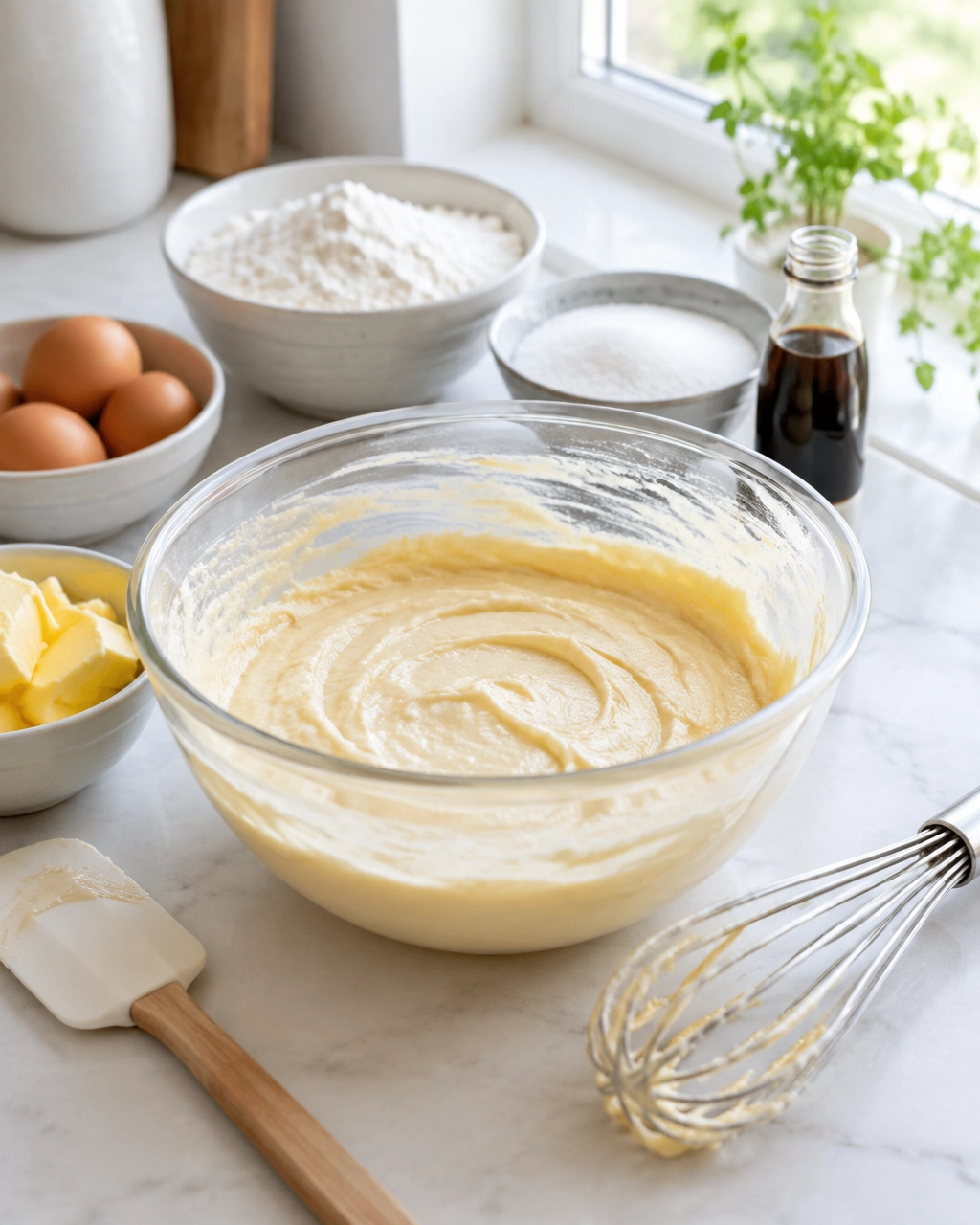
Cream the butter and sugar. Place the softened butter and caster sugar in a large mixing bowl. Beat for 3–5 minutes, until the mixture is pale, smooth and visibly aerated.
Add the eggs. Beat in the eggs one at a time. Mix well after each addition. If the mixture begins to look curdled, add a spoonful of the flour and continue.
Add the vanilla. Mix in the vanilla extract.
Add the flour and milk. Sift in the self-raising flour, then fold gently until nearly combined. Add the milk and mix just until the batter is smooth. Do not continue mixing after the flour has been incorporated.
Fill the cases. Divide the batter evenly between the paper cases. Each case should be approximately half to two-thirds full.
Bake. Place the tin in the preheated oven and bake for 20–25 minutes. The cupcakes are ready when lightly golden, spring back when pressed gently in the centre, and a skewer comes out clean or with a few moist crumbs.
Cool. Leave the cupcakes in the tin for 5 minutes. Transfer them to a wire rack and allow them to cool completely.
Beat the buttercream butter. Place the softened butter in a clean bowl. Beat for 2–3 minutes, until smooth and lighter in colour.
Add the icing sugar. Add half the sifted icing sugar and mix on low speed until incorporated. Add the remaining sugar and mix again. Increase the speed and beat until smooth.
Add the flavouring and liquid. Mix in the vanilla, salt if using, and 1 tablespoon of milk or cream. Beat for 2–4 minutes until pale and fluffy.
Adjust the consistency. Add more liquid, 1 teaspoon at a time, if the buttercream is too stiff. If it is too soft, add a small amount of icing sugar.
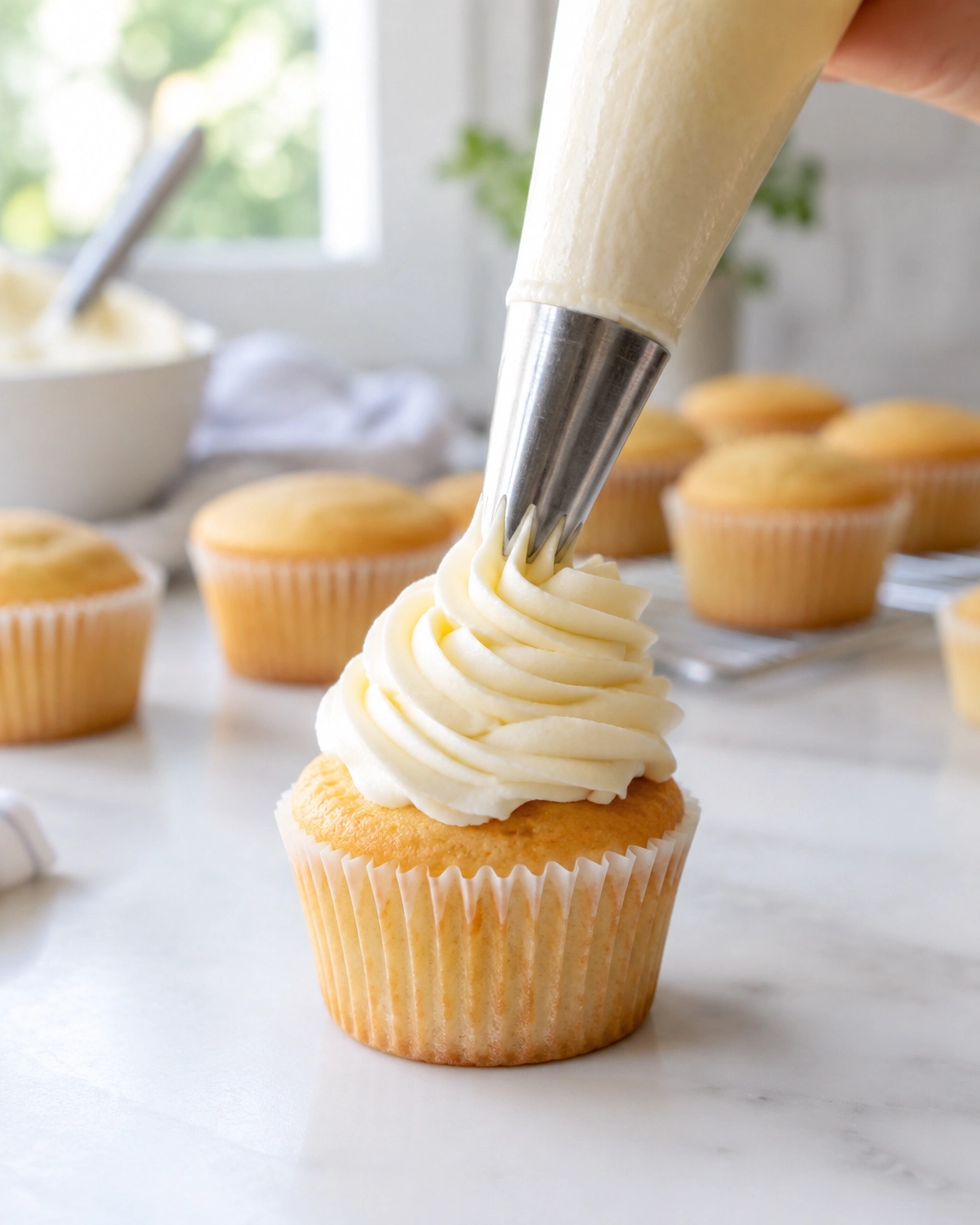
Frost the cupcakes. Spread or pipe the buttercream onto the completely cooled cupcakes.
# Control
Room-temperature ingredients are required for a smooth batter. Cold butter will not cream effectively, while cold eggs can cause the mixture to separate.
The creaming stage is also significant. Beating the butter and sugar for several minutes incorporates air before the flour is added. This supports a lighter crumb.
After the flour is added, stop mixing as soon as no dry patches remain. Excessive mixing can produce cupcakes that are dense or chewy.
The oven must be fully preheated before baking. An oven thermometer can be used to check accuracy. Baking time is a guide; visual and skewer checks are more reliable.
# Tips
- Measure accurately. Weighing the ingredients gives the most consistent result.
- Use softened butter. It should be pliable but not melted or greasy.
- Scrape the bowl. Pause during mixing to scrape the sides and base so the batter is evenly combined.
- Fill evenly. A cookie scoop or small spoon helps distribute the batter consistently.
- Do not open the oven early. The structure may collapse before it has set.
- Cool before frosting. Buttercream placed on warm cupcakes will soften and may slide.
- Sift the icing sugar. This reduces lumps and produces smoother buttercream.
- Finish on low speed. A final minute on low speed can reduce large air bubbles in the buttercream.
- Check early. Begin testing at 20 minutes. Overbaking is a common cause of dry cupcakes.
# Variations
Lemon
Add the finely grated zest of 1 lemon to the butter and sugar. Replace 1 teaspoon of the vanilla extract with 1 tablespoon of lemon juice in the buttercream.
Chocolate
Replace 25 g of the flour with 25 g unsweetened cocoa powder. Add 1 extra tablespoon of milk if the batter appears unusually thick.
Sprinkles
Fold 50 g of small sprinkles into the finished batter immediately before filling the cases. Avoid prolonged mixing, which may cause the colours to bleed.
Raspberry
Add 1 teaspoon of raspberry jam to the centre of each filled case before baking. Do not overfill, as excess jam can affect the cupcake structure.
Almond
Replace ½ teaspoon of vanilla extract with ½ teaspoon almond extract. Use a small quantity because almond extract has a strong flavour.
# Storage
Store unfrosted cupcakes in an airtight container at room temperature for up to 2 days.
Frosted cupcakes can also be kept in an airtight container at room temperature for approximately 2 days, provided the kitchen is not hot. Refrigerate them if necessary, then bring them to room temperature before serving.
For longer storage, freeze unfrosted cupcakes in a sealed container for up to 3 months. Defrost them at room temperature before decorating. Buttercream can be refrigerated separately and re-whipped briefly before use.
# Troubleshooting
Why are the cupcakes dense?
The most likely causes are insufficient creaming, cold ingredients or overmixing after the flour was added. Cream the butter and sugar until pale and aerated, use room-temperature ingredients, and fold the flour in gently.
Why have the cupcakes sunk?
They may be underbaked, overfilled or exposed to a sudden temperature change. Bake until the centres are set, fill the cases only half to two-thirds full, and avoid opening the oven during the first part of baking.
Why are the cupcakes dry?
Overbaking is the usual cause. Begin checking at the lower end of the recommended time. A skewer should show a few moist crumbs rather than being completely dry.
Why is the buttercream too sweet?
Add a small pinch of salt and ensure that the vanilla is fully incorporated. A tablespoon of cream can also soften the texture and reduce the perception of sweetness. Do not add large quantities of liquid at once.
Why is the buttercream too runny?
The butter may be too warm, or too much liquid may have been added. Add icing sugar gradually and chill the buttercream for 10–15 minutes before piping if necessary.
Can I use plain flour instead of self-raising flour?
Yes. Use 200 g plain flour with 2 teaspoons baking powder and a pinch of salt. Combine the dry ingredients before adding them to the batter.
Can I make these cupcakes ahead?
Yes. Bake the cupcakes up to 2 days in advance and store them in an airtight container. Prepare the buttercream on the day of serving, or refrigerate it and bring it to a workable temperature before decorating.
What source techniques support this recipe?
The method follows standard guidance for creaming butter and sugar, using room-temperature ingredients, baking at approximately 180°C or 350°F, and checking cupcakes with a skewer. Further reference material is available from BBC Food’s vanilla cupcake recipe, Sally’s Baking Addiction and RecipeTin Eats.