Recipe
Servings
Servings 1×
Ingredients
- Lentils
- Chickpeas
- Beans
- Quinoa
- Rice
- Greek yogurt
- Bread
- Potatoes
- Sweet potatoes
- Cauliflower
- Carrots
- Spinach
- Kale
- Tomatoes
- Onion
- Lemon
- Tahini
- Cooking oil
Method
- Prepare the ingredients described in the article and heat the cooking surface or oven as directed.
- Cook the main ingredients using the heat and timing guidance in the article.
- Finish with the seasonings and garnishes named in the article, then serve.
If you’re hunting for a bowl of pure, unadulterated comfort that doesn’t leave you feeling like you need a three-hour nap, you’ve hit the jackpot. This Fragrant Moroccan Chickpea Stew is my absolute go-to when I want something that tastes like it spent all day simmering, but actually comes together faster than a pizza delivery. It’s vibrant, warming, and packed with the kind of soul-satisfying flavors that turn a standard Tuesday into a culinary event. Plus, it’s one of those rare plant-based dinner ideas that even the most dedicated meat-lovers in my life ask for seconds of.
The Science of Flavor: Bloom, Brown, and Brighten
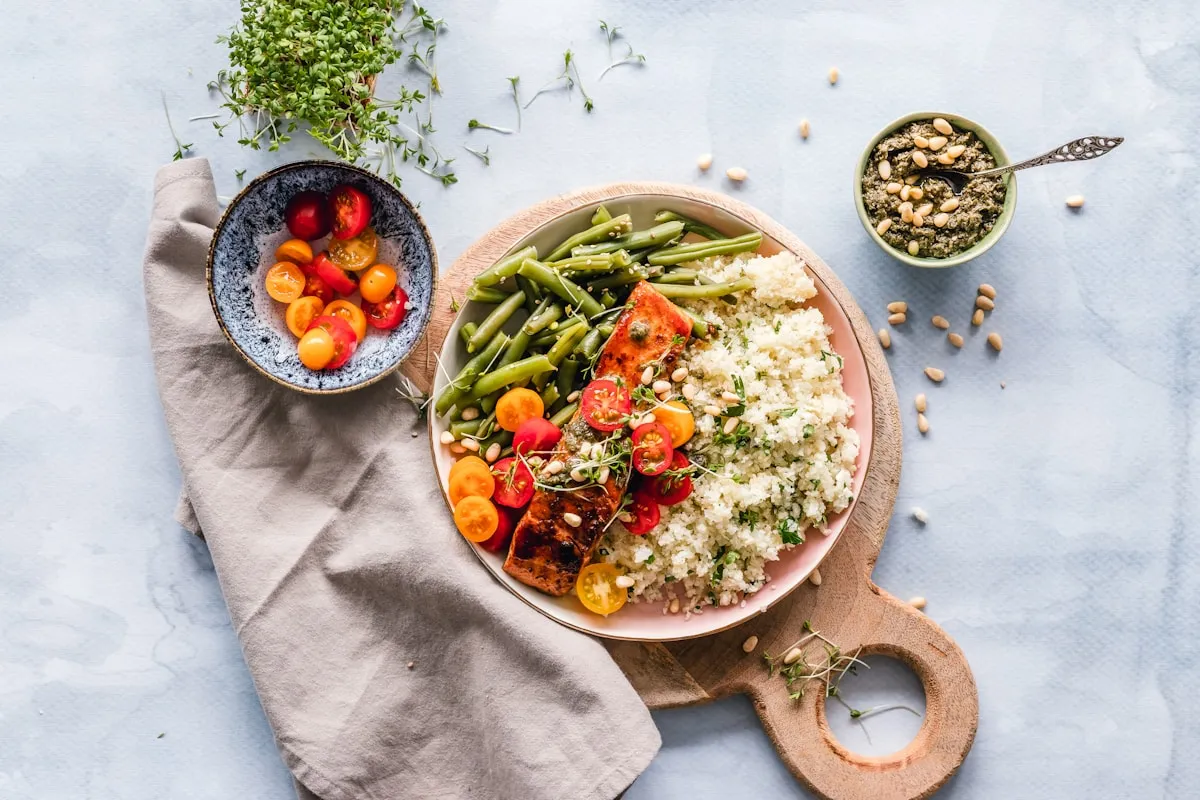
Making a great stew isn't just about throwing things in a pot and hoping for the best; it’s about understanding how flavor molecules behave. The secret to that deep, complex Moroccan profile starts with the "bloom." Most of the heavy hitters in this dish: cumin, coriander, turmeric, and paprika: contain flavor compounds that are fat-soluble. If you just toss them into the broth, they’ll taste flat and dusty. Instead, you must fry them briefly in hot olive oil. This process, called blooming, dissolves those compounds into the fat, which then carries the flavor to every single chickpea in the pot.
Don't rush the onion stage, either. Use a heavy-bottomed pot and let your onions sauté until they’re translucent and just starting to catch some color at the edges. This is the Maillard reaction at work, creating a sweet, savory foundation that balances the acidity of the tomatoes later on. If you’re a fan of high-impact flavors, check out my guide on achieving the perfect glossy sauce to see more of this logic in action.
Next up is the tomato paste. Treat it like an aromatic, not just a thickener. Sauté it for a minute or two with the spices until it turns a shade darker: nearly brick red. This reduces the raw, metallic "tinny" taste and enhances its natural umami. When you finally add your liquid, use a splash of it to deglaze the bottom of the pot. Scrape up those brown bits (the "fond"); that's where the concentrated flavor lives.
Texture is just as important as taste. While the stew simmers, the starches from the chickpeas and root vegetables like sweet potatoes slowly release into the broth. If you find your stew looks a little too thin toward the end, use the back of your wooden spoon to smash a few chickpeas against the side of the pot. This creates a natural, starchy liaison that thickens the liquid without the need for flour or cornstarch. It’s a simple trick that elevates healthy weeknight dinners from "watery soup" to "velvety stew" status.
Finally, always finish with a hit of acid. A squeeze of fresh lemon juice or a bit of finely chopped preserved lemon peel at the very end is non-negotiable. It "wakes up" the spices and cuts through the richness of the legumes and olive oil. Without it, the dish feels heavy; with it, the flavors sing.
Creative Spins on the Classic Stew
One of the reasons this dish is a staple in my kitchen is its incredible flexibility. Once you master the base technique, you can pivot based on what's hanging out in your crisper drawer.
- The Green Power-Up: About five minutes before you’re ready to serve, stir in a few handfuls of chopped kale or baby spinach. The residual heat will wilt the greens perfectly while preserving their vibrant color and nutritional punch.
- The Smoky Twist: Swap half of the regular paprika for smoked paprika (pimentón). It adds a layer of depth that mimics the flavor of fire-roasted vegetables, making it one of the most satisfying plant-based dinner ideas for a chilly evening.
- Root Veggie Swap: If sweet potatoes aren't your thing, use butternut squash or even diced carrots and parsnips. Just keep the dice size uniform so everything finishes cooking at the same time.
- The "Heat" Factor: If you like a kick, add a tablespoon of Harissa paste during the spice-blooming stage. It adds a complex, garlicky heat that builds beautifully as you eat.
Perfect Pairings for a Balanced Plate
While this stew is a powerhouse on its own, the right side dish can turn it into a full-blown feast. Traditionally, you can't go wrong with fluffy couscous. It acts like a sponge, soaking up all that spiced tomato broth. If you’re looking for a gluten-free alternative, quinoa or even a simple cauliflower rice works beautifully to keep things light.
I also love serving this with a crisp, acidic side to balance the warm spices. A simple arugula salad with a lemon-tahini dressing provides a sharp, peppery contrast that keeps your palate interested. If you have five extra minutes, toast some sliced almonds or pine nuts in a dry pan to sprinkle over the top; the crunch is a game-changer against the soft chickpeas and tender vegetables. It's these little touches that make healthy weeknight dinners feel like a luxury rather than a chore.
Common Questions & Kitchen Science
Can I use dried chickpeas instead of canned?
Absolutely, and honestly, the texture is superior. However, you must soak them overnight in plenty of water. To speed up the softening, add a pinch of baking soda to the soaking water; it raises the pH and helps break down the hemicellulose in the bean skins, resulting in a creamier interior once cooked. Just remember to rinse them well before adding them to your stew.
Why did my spices turn bitter?
You likely over-bloomed them. Spices like paprika and turmeric have a high sugar content and can burn in seconds if the oil is too hot or if they sit too long without liquid. Aim for 30–60 seconds of sautéing: just until they smell incredibly fragrant: then immediately add your tomatoes or broth to drop the temperature.
Is this stew freezer-friendly?
It's a meal-prepper's dream. Legume-based stews actually tend to taste better the next day as the flavors have more time to penetrate the center of the chickpeas. It will stay fresh in the fridge for up to four days or in the freezer for three months. Just avoid freezing it with fresh herbs or yogurt toppings; add those fresh when you reheat.
How do I make it more filling without adding meat?
Increase the density by adding a half-cup of red lentils when you add the broth. The lentils will completely break down, creating a thick, protein-rich sauce that makes the meal feel much heartier. This is one of my favorite tricks for making plant-based dinner ideas feel substantial enough for a main course.
My stew tastes a bit flat, what’s missing?
Check your salt and your acid. If the flavors aren't "popping," add another pinch of salt. If it feels "heavy" or "muddy," add another squeeze of lemon juice. Balance is everything in Moroccan cooking.
{“@type”:”BlogPosting”,”image”:”https://cdn.marblism.com/HakAJqi2dPg.webp”,”author”:{“name”:”Penny”,”@type”:”Person”},”@context”:”https://schema.org”,”headline”:”Fragrant Moroccan Chickpea Stew”,”publisher”:{“logo”:{“url”:”https://cookpedia.com/logo.png”,”@type”:”ImageObject”},”name”:”Cookpedia”,”@type”:”Organization”},”articleBody”:”If you’re hunting for a bowl of pure, unadulterated comfort that doesn’t leave you feeling like you need a three-hour nap, you’ve hit the jackpot. This Fragrant Moroccan Chickpea Stew is my absolute go-to when I want something that tastes like it spent all day simmering, but actually comes together faster than a pizza delivery…”,”description”:”A deep dive into the science and technique of making the perfect Fragrant Moroccan Chickpea Stew, a staple for healthy weeknight dinners.”,”datePublished”:”2026-05-22″,”mainEntityOfPage”:{“@id”:”https://cookpedia.com/fragrant-moroccan-chickpea-stew”,”@type”:”WebPage”}}