Recipe
Servings
Servings 1×
Ingredients
- Chicken
- Shrimp
- Tofu
- Pasta
- Noodles
- Rice
- Zucchini
- Greens
- Garlic
- Lime
- Peanut butter
- Butter
- Cooking oil
- Soy sauce or tamari
- Salt
Method
- Prepare the ingredients described in the article and heat the cooking surface or oven as directed.
- Cook the main ingredients using the heat and timing guidance in the article.
- Finish with the seasonings and garnishes named in the article, then serve.
Nothing screams summer quite like the crunch of fresh vegetables paired with the creamy, savory hit of a perfect peanut sauce. As part of my Speedy Summer Salads series, I’m bringing you a dish that deconstructs the classic Vietnamese spring roll into a vibrant, hearty bowl. It’s the ultimate solution for those nights when you want something light but soul-satisfying. Forget the fiddly rolling and tearing of rice paper; we’re going straight for the flavor in a bowl that’s as beautiful as it is delicious.
The Science of the Perfect Spring Roll Bowl
When you’re putting together quick family meals, it’s easy to think that speed means sacrificing texture. But if you understand the science behind your ingredients, you can level up your kitchen game without adding a single minute to your prep time. These bowls rely on three main pillars: the bounce of the noodles, the emulsification of the sauce, and the Maillard reaction on your chicken.
Mastering the Rice Noodle
Most people treat rice vermicelli like Italian pasta, they throw it into a pot of boiling water and let it go until it’s mush. Don't do that. Rice noodles are primarily rice starch. When you boil them aggressively, the starch granules swell and rupture, leaking amylose into the water and leaving you with a gummy, sticky mess.
Instead, use the "heat and soak" method. Bring your water to a boil, take it off the heat, and then add your noodles. This gentler approach hydrates the starch without destroying the structure. You’re looking for gelatinization, where the starch becomes tender and translucent, without the collapse. As soon as they have a slight bite, rinse them immediately in cold water. This stops the cooking process and washes away excess surface starch, ensuring your noodles stay separate and springy.
The Magic of Emulsified Peanut Sauce
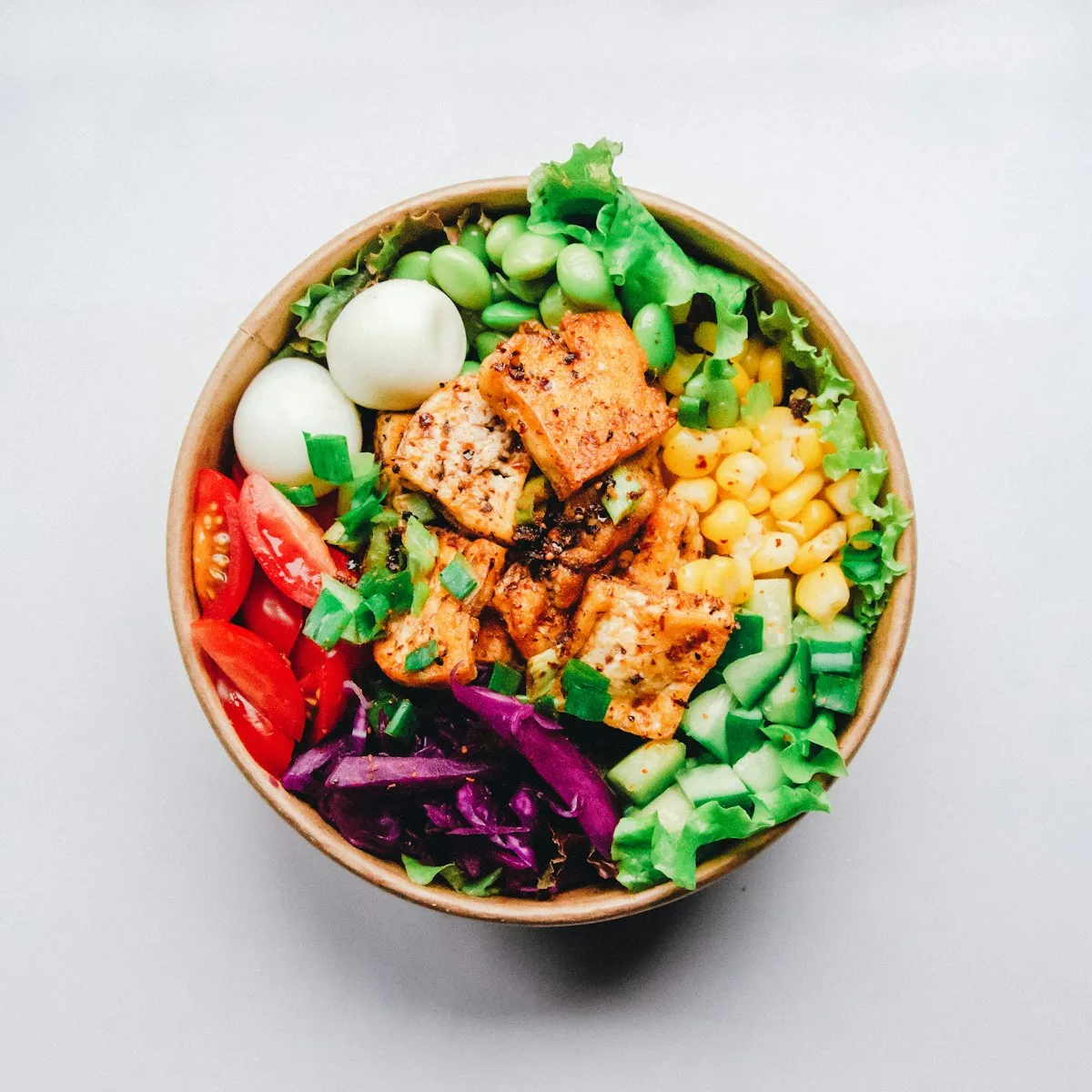
Your peanut sauce isn't just a topping; it’s an oil-in-water emulsion. Peanut butter provides the fats and solids, while lime juice and soy sauce provide the water phase. If you’ve ever had a sauce "break" or turn grainy, it’s usually because the liquids were added too fast or the temperature was off.
To get that restaurant-quality silkiness, start by whisking your peanut butter with your aromatics and acids first. Create a thick paste. Then, add lukewarm water one tablespoon at a time. This slow integration allows the peanut proteins and phospholipids to act as bridges, surrounding tiny oil droplets and suspending them evenly in the liquid. If you’re looking for healthy dinner ideas that don't feel like "diet food," this sauce is your secret weapon. It’s rich, satisfying, and packed with healthy fats.
Searing for Flavor
For the chicken, we want maximum browning. This is the Maillard reaction, a chemical reaction between amino acids and reducing sugars that gives browned food its distinctive flavor. To achieve this on a tight schedule, pat your chicken completely dry before it hits the pan or grill. Moisture is the enemy of the sear; if the surface is wet, the chicken will steam rather than brown. If you're short on stovetop space, you can even look at air fryer recipes dinner style to get a consistent, high-heat roast that mimics the grill perfectly.
Flavor Variations and Adjustments
One of the best things about this bowl is how easily it adapts to what’s in your fridge. While grilled chicken is my go-to for a high-protein hit, the architecture of the dish remains the same regardless of your protein choice.
- The Seafood Swap: Grilled shrimp is a fantastic alternative. Shrimp cook in minutes and provide a snap that pairs beautifully with the soft noodles. Just be sure to marinate them briefly in lime and garlic to keep the profile bright.
- Plant-Based Power: If you’re following a plant-based lifestyle, swap the chicken for crispy tofu cubes. To get the best texture, press your tofu to remove excess water, then sear it until the edges are golden. You can find more inspiration for textured plant-based bowls in my guide on achieving the perfect glossy sauce.
- The Keto Kick: For a lower-carb version, ditch the rice noodles entirely and replace them with a base of shredded cabbage or "zoodles" (zucchini noodles). The peanut sauce is naturally keto-friendly if you use a sugar-free sweetener or just a touch of stevia.
Balancing Your Side Dishes
When serving these bowls, think about balance. The peanut sauce is fatty and rich, so your sides should focus on acidity and crunch to cleanse the palate. I often serve a simple side of quick-pickled cucumbers and radishes. A splash of rice vinegar and a pinch of sugar create a sharp, bright contrast to the savory bowl.
If you’re looking for a more substantial spread for guests, consider a light, clear soup or a plate of charred edamame with sea salt. Avoid anything too heavy or creamy; you want the freshness of the spring roll bowl to remain the star of the show. If you need more inspiration for quick, high-impact meals, check out our one-basket crowd-pleasers that keep the kitchen cool and the cleanup minimal.
Frequently Asked Questions
Why are my rice noodles sticking together in a giant clump?
This usually happens for two reasons: too much surface starch or overcooking. Ensure you rinse the noodles thoroughly in cold water until the water runs clear. If you aren't serving them immediately, toss them with a teaspoon of toasted sesame oil. The oil acts as a physical barrier, preventing the strands from bonding as they sit.
My peanut sauce is way too thick after sitting in the fridge. What did I do wrong?
You did nothing wrong! Peanut butter contains fats that solidify when cold. To revive your sauce, don't just microwave it into oblivion. Add a splash of warm water or an extra squeeze of lime juice and whisk vigorously. The mechanical action of whisking, combined with a little liquid, will re-emulsify the sauce and bring back its pourable consistency.
Can I make this as part of my meal prep for the week?
Absolutely. This is one of the best healthy dinner ideas for prep because most components hold up well. Keep the peanut sauce in a separate small container. Store the grilled chicken and noodles together, but keep the fresh herbs and crunchy veggies (like cucumber) in a separate bag or container so they don't lose their snap. Assemble just before eating for the best experience.
What if I don't have a grill?
You don't need one! A cast-iron skillet on high heat works wonders for getting those charred bits. Alternatively, use your air fryer. I’m a huge fan of utilizing the air fryer for proteins; it’s one of those comfort food cheat codes that saves time and keeps your house from heating up in the summer.
Is there a way to make the sauce nut-free?
Yes. You can substitute the peanut butter with sunflower seed butter or even tahini. The flavor profile will shift: tahini is more bitter and earthy: so you may need to add a little extra sweetener to balance it out, but the science of the emulsion remains exactly the same.
{“@type”:”BlogPosting”,”image”:”https://cdn.marblism.com/eL4HnTcT8Sl.webp”,”author”:{“name”:”Penny”,”@type”:”Person”},”@context”:”https://schema.org”,”headline”:”Grilled Chicken Spring Roll Bowls with Peanut Sauce”,”keywords”:”air fryer recipes dinner, quick family meals, healthy dinner ideas, spring roll bowl, peanut sauce”,”publisher”:{“logo”:{“url”:”https://cookpedia.com/logo.png”,”@type”:”ImageObject”},”name”:”Cookpedia”,”@type”:”Organization”},”description”:”A fresh and speedy summer dinner featuring deconstructed spring rolls with grilled chicken, bouncy rice noodles, and a silky peanut sauce.”,”datePublished”:”2026-05-22″,”mainEntityOfPage”:{“@id”:”https://cookpedia.com/grilled-chicken-spring-roll-bowls”,”@type”:”WebPage”}}