Recipe
Servings
Servings 1×
Ingredients
- Chicken
- Beans
- Quinoa
- Noodles
- Potatoes
- Sweet potatoes
- Green beans
- Greens
- Garlic
- Lemon
- Cream
- Hard cheese
- Cooking oil
- Salt
- Black pepper
Method
- Let’s be honest: by the time Wednesday rolls around, your kitchen ambitions usually involve a cereal bowl or a very expensive delivery app.
- Pat it dry, then apply your oil.
- Use an instant-read thermometer.
Let’s be honest: by the time Wednesday rolls around, your kitchen ambitions usually involve a cereal bowl or a very expensive delivery app. But you deserve better than lukewarm noodles. You deserve a meal that feels like a victory without requiring a three-hour cleanup. This Baked Lemon Pepper Tilapia with Green Beans is the ultimate "cheat code" for your kitchen. It’s one of those healthy weeknight dinners that looks like you spent forty minutes prepping, but actually relies on basic science and one single baking sheet to do the heavy lifting. This is the definition of quick family meals that don’t taste like "diet food."
The Science of Succulent White Fish
Cooking tilapia is a game of chicken, but with higher stakes. Because tilapia is an incredibly lean white fish, it has almost zero fat to protect the delicate muscle fibers from the heat. If you overcook it by even sixty seconds, you’re eating a lemon-scented eraser. To master this, you need to understand the relationship between surface moisture and heat transfer.
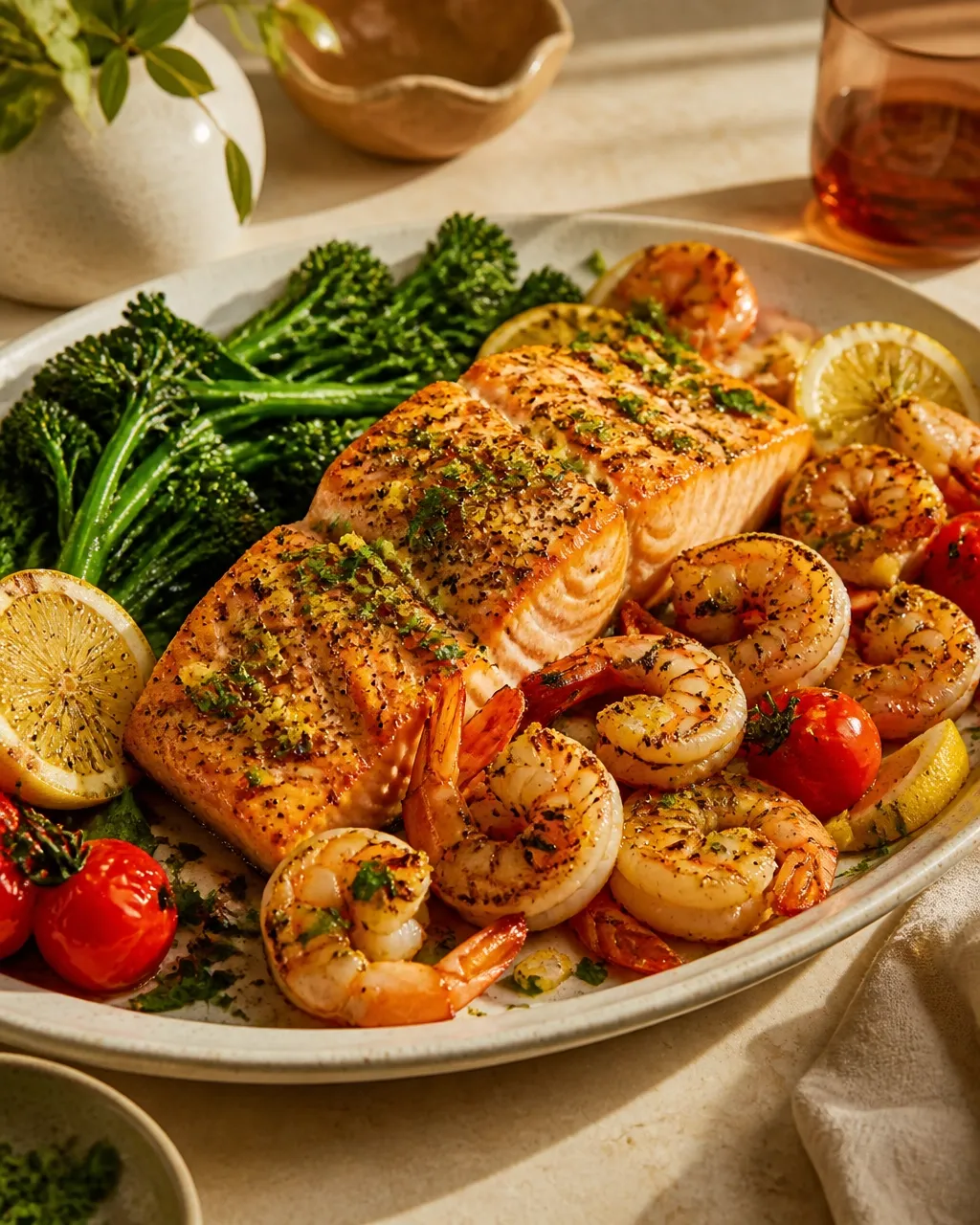
The "Dry Surface" Mandate
Before a single grain of pepper touches that fish, use a paper towel and pat those fillets until they are bone-dry. Why? Because moisture is the enemy of browning. If the surface of the fish is wet, the oven’s energy is wasted evaporating that water (turning it into steam) rather than searing the proteins. Steam creates a mushy texture; dry heat creates that slight, golden crust that carries the lemon pepper flavor. Pat it dry, then apply your oil. Oil acts as a thermal bridge, ensuring the heat from the oven reaches every nook and cranny of the fillet simultaneously.
Thermodynamics of the Baking Sheet
Choose a heavy-duty metal baking sheet over a glass or ceramic dish. Metal is a conductor; it responds instantly to the oven's heat and transfers it directly to the bottom of your green beans and fish. Glass is an insulator, it takes forever to heat up and then retains that heat for far too long, which often leads to carryover overcooking once you pull the tray out.
The 135°F Sweet Spot
While official guidelines often suggest cooking fish to 145°F, most professional cooks will tell you that the magic happens at 135°F. At this temperature, the proteins have just begun to coagulate (turning the fish opaque and flaky), but the moisture is still trapped within the cells. Use an instant-read thermometer. Insert it into the thickest part of the fillet. When it hits 135°F, pull the tray. The "carryover cooking", the heat energy already inside the fish, will push it up to that safe 140-145°F range while it rests on your counter. This is the secret to quick healthy meals that actually taste gourmet.
Flavor Variations for Every Mood
Once you’ve mastered the basic lemon-pepper-salt trinity, you can start treating this dish like a blank canvas. This is one of the most versatile easy dinner recipes in your arsenal because tilapia is mild enough to play well with almost any flavor profile.
- The Mediterranean Upgrade: Instead of just lemon juice, top the fillets with a mixture of crushed garlic, dried oregano, and a few kalamata olives. The acidity of the olives cuts through the mildness of the fish perfectly.
- The Panko Crunch: If you’re craving texture, mix some panko breadcrumbs with parmesan cheese and lemon zest. Press this mixture onto the top of the oiled fillets before baking. The result is a healthy dinner idea that satisfies that "fried fish" craving without the heavy oil.
- The Heat Factor: Swap the black pepper for Cajun or Creole seasoning. The paprika and cayenne in these blends provide a smokiness that pairs beautifully with the charred edges of the green beans.
- Air Fryer Convenience: If you’re only cooking for one or two, this is one of the best air fryer recipes dinner options. The high-velocity air in an air fryer mimics a convection oven, getting those green beans even crispier in about 8-10 minutes at 400°F.
Perfect Side Dish Pairings
While the green beans provide a built-in vegetable, you might want to round out the meal to satisfy a larger appetite. The goal is to find sides that provide a counterpoint to the bright, acidic lemon.
Think about balance. Since the fish is lean and the lemon is sharp, a side with a bit of "earthiness" or "creaminess" works wonders. A simple quinoa pilaf or a side of roasted sweet potatoes provides a complex carbohydrate that soaks up any leftover lemon-garlic juices on the plate. If you want to keep things strictly low-carb, a zesty cabbage slaw with a vinegar-based dressing (avoid the mayo here) adds a refreshing crunch that mimics the experience of a classic fish taco. Avoid heavy, cream-based sauces that will overwhelm the delicate tilapia; instead, focus on high-impact, low-calorie additions like fresh herbs (parsley or dill) or a sprinkle of toasted almonds over the green beans for extra texture.
Frequently Asked Questions
Can I use frozen tilapia fillets?
Yes, but you must thaw them completely first. Do not try to bake them from frozen, or the outside will be rubbery by the time the middle is safe to eat. Thaw them in the fridge overnight or in a sealed bag under cold running water. Once thawed, refer back to the "Dry Surface" mandate: frozen fish releases a lot of extra water, so you’ll need to be extra diligent with those paper towels.
My green beans are always squeaky. What am I doing wrong?
Squeaky green beans are usually undercooked. For this sheet-pan method, ensure your oven is fully preheated to 400°F. If your fish is thin and cooks faster than the beans, simply toss the beans in the oven 5 minutes before you add the fish to the tray. This gives the beans the head start they need to reach that tender-crisp, blistered state.
Why did my fish fall apart when I tried to flip it?
Here’s a tip: don’t flip it. Tilapia is too delicate for unnecessary gymnastics. If you use a metal baking sheet and a thin layer of oil, the bottom will cook perfectly fine from the heat of the pan. Let it stay put until it’s time to plate.
Can I substitute the tilapia for another fish?
Absolutely. Cod or halibut are great alternatives, though they are usually thicker and will require a few extra minutes in the oven. Salmon also works beautifully with lemon pepper, though the natural fats in salmon make it much more forgiving than tilapia if you accidentally overcook it.
How do I store and reheat leftovers without the fish getting "fishy"?
The "fishy" smell usually comes from the oxidation of fats when fish is reheated too aggressively. Store leftovers in an airtight container for up to two days. To reheat, avoid the microwave if possible. Instead, place the fish back in a 300°F oven for 5-7 minutes just until warmed through. This gentle heat preserves the texture and prevents those off-flavors from developing.
{“@type”:”FAQPage”,”@context”:”https://schema.org”,”mainEntity”:[{“name”:”Can I use frozen tilapia fillets?”,”@type”:”Question”,”acceptedAnswer”:{“text”:”Yes, but they must be completely thawed and patted very dry before seasoning. Baking from frozen results in uneven cooking and a rubbery texture.”,”@type”:”Answer”}},{“name”:”What is the best internal temperature for tilapia?”,”@type”:”Question”,”acceptedAnswer”:{“text”:”For the best moisture and flake, pull the fish at an internal temperature of 135°F. Carryover cooking will bring it to the recommended 145°F while it rests.”,”@type”:”Answer”}},{“name”:”How do I prevent green beans from being squeaky?”,”@type”:”Question”,”acceptedAnswer”:{“text”:”Ensure the oven is at 400°F and give the beans a 5-minute head start on the baking sheet if the fish fillets are particularly thin.”,”@type”:”Answer”}}]}