Recipe
Servings
Servings 1×
Ingredients
- Salmon
- Pork
- Broccoli
- Garlic
- Lime
- Honey
- Cooking oil
- Chili seasoning
- Salt
Method
- Let’s be honest: by Tuesday night, the dream of a three-course gourmet meal has usually been replaced by the reality of "whatever is in the freezer." But you deserve better than a cardboard-flavored pizza.
- Use a digital thermometer; it’s the only way to be certain.
- Start by roasting or searing the salmon with just a light coating of oil and salt.
- Brush the honey-garlic mixture onto the fish during the last three minutes of cooking.
- Spread the florets out on the pan.
- Give them space to breathe.
Let’s be honest: by Tuesday night, the dream of a three-course gourmet meal has usually been replaced by the reality of "whatever is in the freezer." But you deserve better than a cardboard-flavored pizza. You need healthy dinner ideas that actually taste like they took effort, even when you only have twenty minutes of sanity left. This honey garlic salmon with roasted broccoli is my go-to "emergency" meal because it hits that perfect trifecta: sweet, salty, and shockingly fast.
The Science of the Sizzle: Tips & Technique
Cooking salmon isn't just about applying heat; it’s about managing protein denaturation. Most people overcook salmon until it’s as dry as a desert because they wait for it to "look done." By the time the center looks opaque to the naked eye, the internal temperature has usually shot past 140°F, turning those delicate fats into a chalky mess.
Master the 125°F Rule
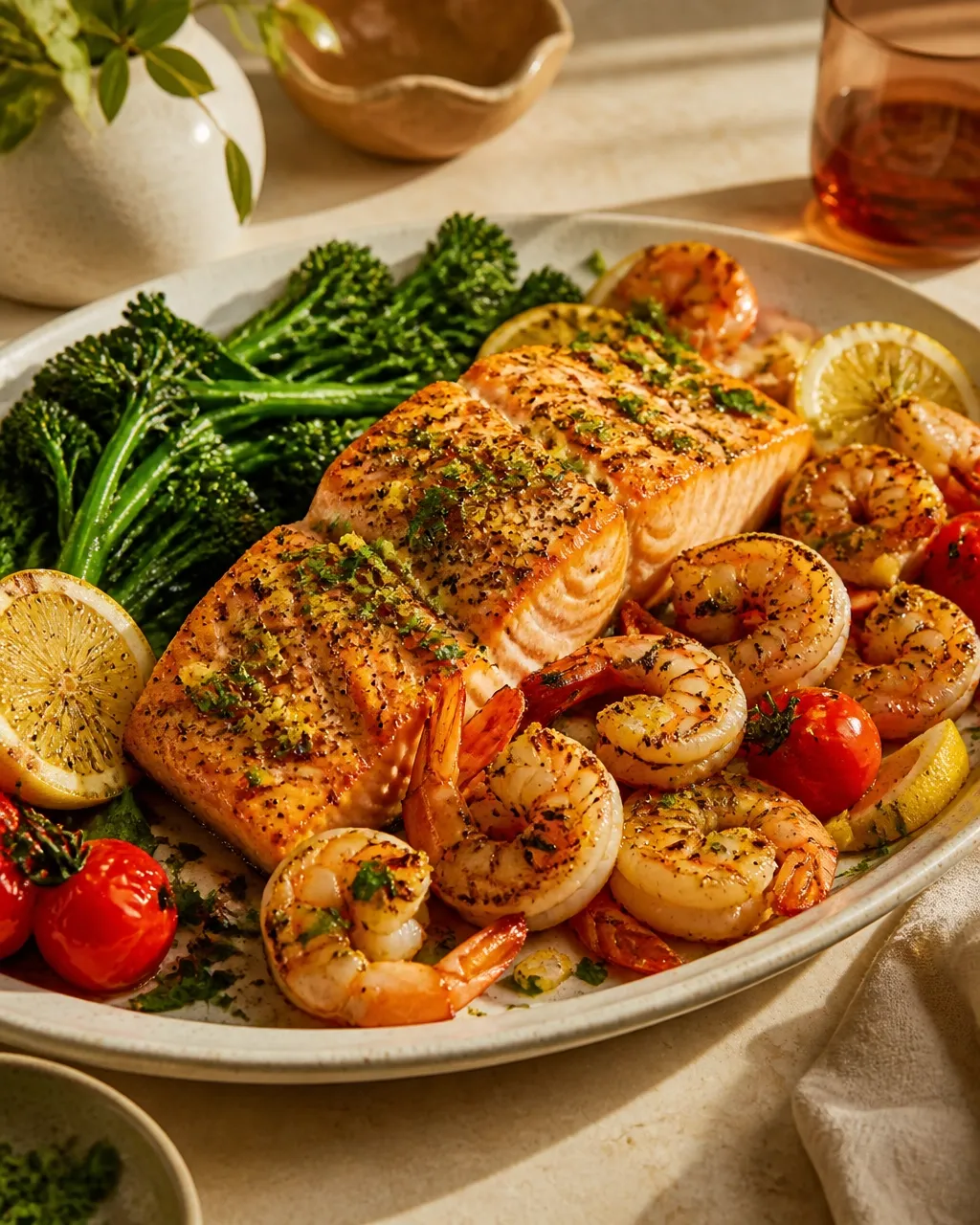
Aim for an internal temperature of 120°F to 125°F. At this range, the muscle fibers have just begun to tighten, but they still hold onto their moisture. Use a digital thermometer; it’s the only way to be certain. If you see white goop (called albumin) leaching out of the fish, you’ve pushed the heat too far too fast. To minimize this, use a "dry brine" method: sprinkle the salmon with salt 15 minutes before cooking. This dissolves some of the muscle proteins, creating a looser gel that traps moisture inside the fillet.
The Honey-Garlic Equilibrium
Honey is a temperamental ingredient in the kitchen. It’s packed with glucose and fructose, which start to caramelize, and then burn, at relatively low temperatures. Honey begins to darken at 320°F. If you coat your salmon in a thick honey glaze and blast it at 450°F from the start, you’ll end up with a bitter, blackened crust and raw fish underneath.
Instead, apply the glaze in stages. Start by roasting or searing the salmon with just a light coating of oil and salt. Brush the honey-garlic mixture onto the fish during the last three minutes of cooking. This allows the sugars to thicken and "set" into a sticky lacquer without reaching the burn point. This technique is similar to how we handle air fryer honey garlic pork chops, where timing the sugar application is everything.
Broccoli and the Maillard Reaction
For the broccoli, we want the Maillard reaction, that glorious chemical reaction between amino acids and reducing sugars that creates savory, nutty flavors. To get this, your broccoli must be bone-dry. If there is water clinging to the florets, the heat will spend all its energy evaporating that water (steaming the veg) rather than browning the surface.
Spread the florets out on the pan. If they are crowded, they will trap steam, resulting in mushy, grey broccoli. Give them space to breathe. Use high heat (at least 425°F) to ensure the exterior browns before the interior turns to mush.
Flavor Variations: Balancing the Plate
A great meal is all about balance. The richness of the salmon and the sweetness of the honey need something to cut through them.
- The Spicy Kick: If you find the glaze too cloying, add a teaspoon of red chili flakes or a squeeze of Sriracha. The capsaicin provides a heat that bridges the gap between the sweet honey and the earthy garlic.
- The Citrus Brightener: Swap half the honey for fresh orange juice or add a heavy zest of lime at the very end. The citric acid acts as a "palate cleanser," making each bite of fatty salmon feel lighter. This is a trick I often use in my sheet pan salmon and brussels sprouts to keep the flavors vibrant.
- The Umami Bomb: Add a teaspoon of white miso paste to your glaze. Miso is a fermented powerhouse that introduces a deep, savory complexity that honey and garlic alone can’t achieve. It’s a great way to elevate quick family meals from basic to restaurant-quality.
Side Dish Pairings
While the salmon and broccoli are a powerhouse duo on their own, sometimes you need a little more substance to round out the plate.
- Fluffy Quinoa or Jasmine Rice: These act as a sponge for any extra honey-garlic sauce that escapes the salmon. The neutral starch balances the intensity of the glaze.
- Cold Smashed Cucumber Salad: For a textural contrast, a cold, crunchy cucumber salad with a splash of rice vinegar provides a refreshing counterpoint to the warm, roasted components.
- Cauliflower Rice: If you’re keeping things low-carb, a quick sauté of cauliflower rice with a touch of sesame oil fits perfectly. For more inspiration on low-carb greens, check out this keto garlic parmesan roasted broccoli technique which works beautifully as an alternative preparation.
FAQ: Troubleshooting Your Dinner
Why did my salmon turn out tough and dry?
You likely overcooked it. Salmon continues to cook for a few minutes after you take it out of the oven (this is called carryover cooking). Pull the fish when it hits 120°F; it will climb to that perfect 125°F while it rests on your plate. Avoid the temptation to "just give it two more minutes."
Can I make this in an air fryer?
Absolutely. Many of the best air fryer recipes dinner enthusiasts swear by involve salmon because the circulating air creates an incredible crust. Cook the broccoli first at 400°F for about 6 minutes, then add the salmon and cook for another 7-9 minutes. Just remember to add the glaze at the very end! If you enjoy that method, you should try my air fryer everything bagel salmon for a different flavor profile.
My garlic tasted bitter. What happened?
Garlic contains volatile oils that turn bitter if burned. If you mince your garlic too finely (almost to a paste), it’s more likely to burn. Try finely slicing it or grating it into the liquid glaze so it’s protected by the honey and soy sauce.
How do I prevent the broccoli from smelling "funky"?
That "cabbage" smell comes from sulfur compounds being released during long, slow cooking. The solution? Cook it fast and hot. High-heat roasting minimizes the time these compounds have to develop, leaving you with a sweeter, nuttier vegetable.
Is it okay to use frozen salmon or broccoli?
Yes, but with caveats. Thaw the salmon completely and pat it extremely dry with paper towels. For frozen broccoli, don't thaw it: roast it straight from frozen at a very high temperature (450°F) to prevent it from becoming waterlogged and mushy.
Should I leave the skin on?
Always. Even if you don't plan on eating it, the skin acts as a thermal barrier, protecting the delicate flesh from the direct heat of the pan or tray. It helps the salmon cook more evenly and keeps it from sticking to the surface.
{“@type”:”BlogPosting”,”image”:”https://cdn.marblism.com/Z7xoF-2n70e.webp”,”author”:{“name”:”Cookpedia”,”@type”:”Organization”},”@context”:”https://schema.org”,”headline”:”Healthy Weeknight Dinners: Honey Garlic Salmon with Roasted Broccoli”,”publisher”:{“logo”:{“url”:”https://cookpedia.com/logo.png”,”@type”:”ImageObject”},”name”:”Cookpedia”,”@type”:”Organization”},”description”:”Master the science of the perfect honey garlic salmon and crispy roasted broccoli. Learn the 125°F rule and how to avoid burnt honey for a quick, healthy weeknight dinner.”,”datePublished”:”2026-08-01T04:00:00Z”,”mainEntityOfPage”:{“@id”:”https://cookpedia.com/blog/honey-garlic-salmon-roasted-broccoli”,”@type”:”WebPage”}}