Recipe
Servings
Servings 1×
Ingredients
- Salmon
- Beans
- Quinoa
- Rice
- Cauliflower
- Green beans
- Cucumber
- Lime
- Honey
- Cooking oil
- Soy sauce or tamari
- Sesame
- Salt
- Black pepper
Method
- Let’s face it: by Tuesday, your grand plans for gourmet cooking usually collide with a mountain of laundry and a very loud craving for takeout.
- Press down gently for about ten seconds to ensure full contact with the pan.
- Pour the glaze in, let it bubble and reduce into a syrupy lacquer, and spoon it over the fillets.
- Keep the beans in a single layer and resist the urge to stir them constantly.
- Let them sit undisturbed for a minute or two until they develop dark, charred spots.
- Use the "flake test." Take a fork and gently press down on the top of the fillet.
Let’s face it: by Tuesday, your grand plans for gourmet cooking usually collide with a mountain of laundry and a very loud craving for takeout. But you don't need a professional kitchen or three hours of prep to put a masterpiece on the table. This Honey Soy Glazed Salmon is my go-to when I want a meal that tastes expensive but takes less time than a grocery run. It’s a staple for anyone building a rotation of healthy dinner ideas that actually satisfy.
The Science of the Perfect Sear
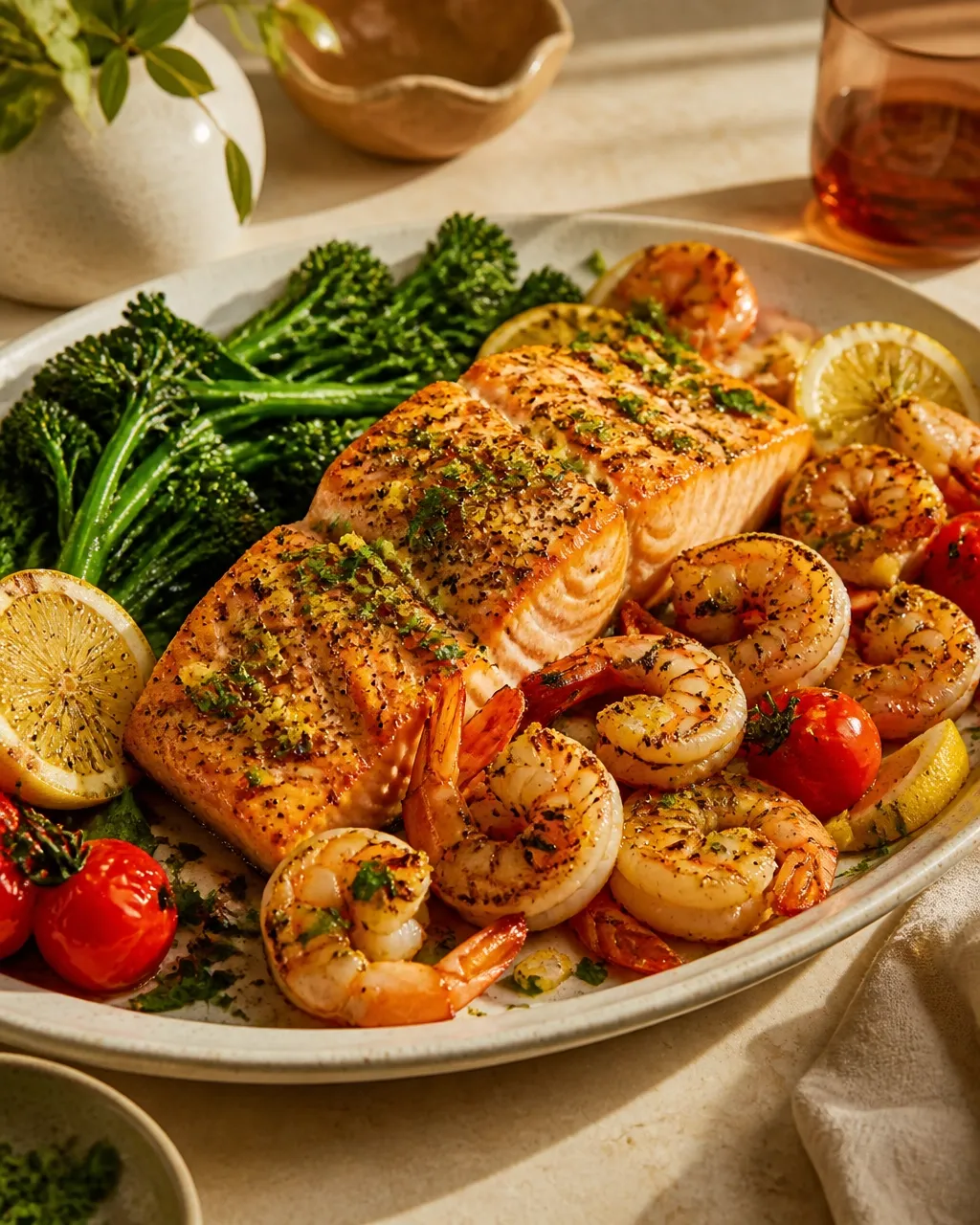
Achieving that deep, mahogany crust on your salmon isn’t just luck; it’s chemistry. The magic happens via the Maillard reaction: a chemical dance between the sugars in the honey and the amino acids in the salmon and soy sauce. To make this happen, you need heat and, more importantly, dryness. Water is the enemy of a good sear. If your fish is wet, the heat of the pan goes into evaporating that moisture instead of browning the protein. This results in "steamed" gray fish rather than a caramelized crust.
Always pat your fillets bone-dry with paper towels before they hit the pan. If you’re marinating, do it for no more than 30 minutes. Any longer and the salt in the soy sauce starts to break down the delicate muscle fibers of the fish, turning your dinner into a spongy mess. Once dry, place the salmon skin-side down in a hot pan with high-smoke-point oil. Press down gently for about ten seconds to ensure full contact with the pan. This prevents the skin from curling and ensures that satisfying crunch.
The glaze itself is a late-game player. Honey burns at a much lower temperature than salmon sears. If you toss the glaze in at the start, you’ll end up with a bitter, charred pan and undercooked fish. Wait until the final two minutes of cooking. Pour the glaze in, let it bubble and reduce into a syrupy lacquer, and spoon it over the fillets. This technique is a cornerstone of quick family meals because it maximizes flavor without risking a smoky kitchen.
As for the green beans, treat them like a stir-fry, not a boil. We want "blistered," not "boiled." Use a heavy skillet and high heat. Keep the beans in a single layer and resist the urge to stir them constantly. Let them sit undisturbed for a minute or two until they develop dark, charred spots. This caramelization brings out a natural sweetness that balances the salty soy glaze perfectly.
Switch It Up: Delicious Variations
Cooking should be a choose-your-own-adventure story. If you’re short on stovetop space, salmon is one of those air fryer recipes dinner enthusiasts swear by. You can toss the beans and the glazed salmon in the basket together. The circulating air creates a beautiful glaze set-up in about 8-10 minutes at 400°F (200°C). Just be sure to check the salmon early; every air fryer has its own personality, and overcooked salmon is a tragedy we want to avoid.
For those who like a little kick, whisk a teaspoon of Sriracha or red pepper flakes into your glaze. The heat cuts through the richness of the salmon’s healthy fats beautifully. If you’re looking for a brighter, citrus-forward profile, swap half of the soy sauce for fresh lime or orange juice. This acidity helps "cut" the sweetness of the honey, making the dish feel even lighter and more refreshing for a summer evening.
Perfect Pairings for a Balanced Plate
A great glaze needs a wingman. While the green beans provide a crunch, you’ll want something to soak up that extra honey-soy goodness. Fluffy jasmine rice is the classic choice, but if you’re leaning into your healthy dinner ideas checklist, try quinoa or cauliflower rice.
If you want to skip the grains entirely, a cool, crunchy cucumber salad with rice vinegar and sesame oil provides a temperature and texture contrast that makes the warm salmon pop. The goal is balance: you have the umami and sweetness from the glaze, so you want acidity and crunch in your sides to keep your palate interested from the first bite to the last.
Questions From the Kitchen
Why is my salmon sticking to the pan?
Usually, it’s because you’re trying to move it too soon. Protein naturally releases from a pan once it has formed a proper crust. If you tug and it resists, leave it alone for another thirty seconds. Also, ensure your pan is hot before the oil goes in, and the oil is shimmering before the fish hits the surface.
Can I use frozen salmon for this?
Absolutely, but thaw it completely in the fridge overnight first. Frozen fish holds a lot of excess moisture, so you’ll need to be extra diligent about patting it dry before searing. If it’s still icy in the middle, the outside will burn before the inside is safe to eat.
What if I don't have honey?
Maple syrup is a fantastic 1:1 substitute. It has a slightly more earthy, woody sweetness that works brilliantly with soy sauce. Avoid using granulated sugar if you can; it won’t give you that thick, glossy "glaze" texture that liquid sweeteners provide.
How do I know when the salmon is actually done?
Use the "flake test." Take a fork and gently press down on the top of the fillet. If the flesh separates easily along the white lines (the fat), it’s done. Scientifically, you’re looking for an internal temperature of 145°F (63°C), but many prefer it slightly more medium at 135°F (57°C).
Is this recipe good for meal prep?
Salmon is best eaten fresh, but you can certainly sear the green beans ahead of time. If you do reheat the salmon, do it gently in a pan with a splash of water and a lid to "steam" it back to life without drying it out. It’s one of those quick family meals that can be prepped in parts to save your sanity.
Why aren't my green beans getting those brown spots?
You’re probably crowding the pan. If the beans are piled on top of each other, they release steam, which gets trapped and boils the beans. Cook them in batches if you have to, or use your largest skillet. Remember: space equals sear.
{“@type”:”FAQPage”,”@context”:”https://schema.org”,”mainEntity”:[{“name”:”Why is my salmon sticking to the pan?”,”@type”:”Question”,”acceptedAnswer”:{“text”:”Salmon sticks when the protein hasn’t formed a crust yet or the pan wasn’t hot enough. Let it cook undisturbed until it releases naturally.”,”@type”:”Answer”}},{“name”:”Can I use frozen salmon for honey soy glazed recipes?”,”@type”:”Question”,”acceptedAnswer”:{“text”:”Yes, but it must be fully thawed and patted extremely dry to ensure the Maillard reaction can occur for a proper sear.”,”@type”:”Answer”}},{“name”:”What is the best substitute for honey in a salmon glaze?”,”@type”:”Question”,”acceptedAnswer”:{“text”:”Maple syrup is the best substitute as it provides a similar liquid sugar consistency that reduces into a thick glaze.”,”@type”:”Answer”}},{“name”:”How do I know the salmon is cooked perfectly?”,”@type”:”Question”,”acceptedAnswer”:{“text”:”The salmon is done when it flakes easily with a fork or reaches an internal temperature of 135-145°F depending on your preference.”,”@type”:”Answer”}}]}