Recipe
Servings
Servings 1×
Ingredients
- Chicken
- Garlic
- Lemon
- Honey
- Cooking oil
- Salt
Method
- Keep those non-negotiables in place, and you have one of my favorite healthy dinner ideas for busy nights.
- Start with chicken thighs that are thoroughly dry on the outside.
- Pat the thighs dry before seasoning, and do not crowd them in the skillet.
- Give each piece room to make full contact with the hot surface.
- Use a large, heavy pan whenever possible because it holds heat better when cold chicken goes in.
- Place the chicken in a hot, lightly oiled skillet and leave it alone long enough to brown.
Sticky, savory, and ready for a busy evening, these honey garlic glazed chicken thighs bring serious flavor without turning dinner into a three-hour project. The trick is simple: brown the chicken properly, add the sweet glaze at the right moment, and balance it with plenty of vegetables and a sharp squeeze of citrus. Keep those non-negotiables in place, and you have one of my favorite healthy dinner ideas for busy nights.
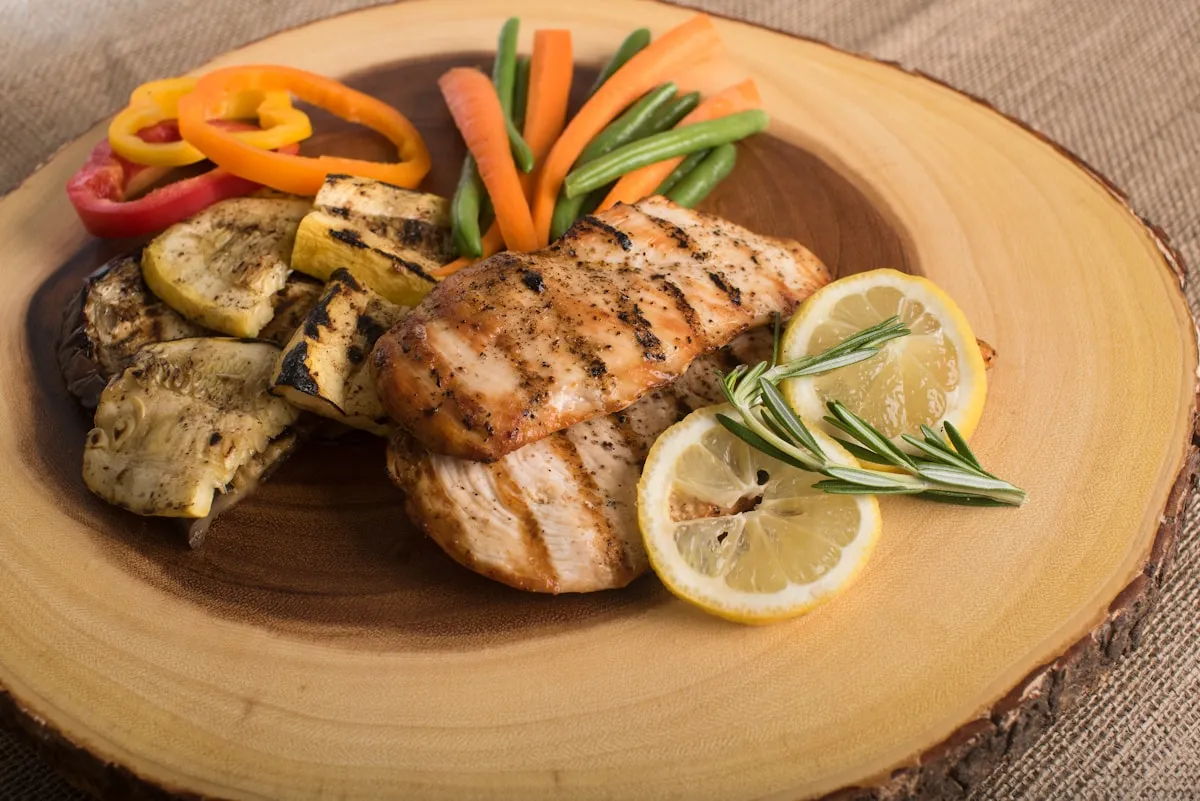
Tips & Technique: Build Flavor Before You Glaze
Dry chicken browns; wet chicken steams
Start with chicken thighs that are thoroughly dry on the outside. Surface moisture must evaporate before the meat can brown, and that evaporation takes energy away from the pan. If the chicken is damp, it will steam in its own moisture instead of developing the deep golden crust you want.
Pat the thighs dry before seasoning, and do not crowd them in the skillet. Give each piece room to make full contact with the hot surface. Use a large, heavy pan whenever possible because it holds heat better when cold chicken goes in.
This is not fussiness. It is basic kitchen science wearing an apron.
Let the pan do the work
Place the chicken in a hot, lightly oiled skillet and leave it alone long enough to brown. Resist the urge to shuffle, poke, or flip it every 30 seconds. The meat will often release naturally once the underside has formed a crust.
That crust comes largely from the Maillard reaction, where heat transforms amino acids and sugars into hundreds of savory flavor compounds. You are not merely adding color; you are creating the roasted, nutty depth that makes a quick meal taste properly cooked.
Use medium-high heat for the initial sear, but watch the pan. A hot pan is useful. A smoking pan is just sending your dinner in the wrong direction.
Add honey after the hard sear
Honey contains a high concentration of sugar, which is excellent for a glossy glaze and terrible for an unattended, overheated skillet. Add the honey garlic sauce after the chicken has browned and the heat has been reduced to medium.
This timing gives you two benefits. First, the chicken develops savory browning before the sugar arrives. Second, the sauce has enough time to reduce without scorching immediately.
Once the sauce bubbles, scrape up the browned bits from the bottom of the pan. Those caramelized pieces dissolve into the liquid and add flavor without requiring extra ingredients or complicated technique. Stir or spoon the glaze over the chicken as it thickens, and keep the bubbling controlled.
Reduction makes the glaze cling
A thin sauce becomes a coating when water evaporates. As the liquid reduces, the honey becomes more concentrated and viscous, allowing the glaze to cling to the chicken instead of pooling at the bottom of the plate.
Look for a sauce that coats the back of a spoon and falls in a slow ribbon. Do not wait for it to become hard candy in the pan. It will continue thickening slightly as it cools.
Balance the honey with a salty element and an acidic element. Salt sharpens the savory flavor, while lemon juice or vinegar cuts through sweetness and richness. Without acid, the glaze can taste flat and heavy. With it, the garlic tastes brighter and the honey tastes intentional rather than sugary.
Cook by temperature, not guesswork
Check the thickest part of each thigh with an instant-read thermometer, avoiding the bone if you are using bone-in pieces. Chicken should reach at least 165°F (74°C) for food safety.
Chicken thighs can remain tender at slightly higher temperatures because their connective tissue and natural fat tolerate longer cooking better than chicken breast. Still, use 165°F as your minimum target, not a vague “it looks done” test.
Allow the chicken to rest briefly before serving. Resting gives the juices time to settle and helps the glaze stay on the meat rather than running immediately across the plate.
Keep the healthy part practical
Honey is still added sugar, even when it arrives wearing a wholesome golden coat. Use enough to create a balanced glaze, not enough to turn the chicken into candy. Trim excess visible fat, use a modest amount of oil, and serve the thighs with vegetables rather than treating the sauce as the main event.
For more weeknight inspiration, browse Cookpedia’s chicken recipes, healthy recipes, and 30-minute meals.
Variations: Change the Flavor Without Losing the Balance
Make it citrusy
Add extra lemon zest or replace part of the vinegar with fresh lemon juice. Citrus aroma comes from volatile oils in the zest, while the juice supplies acidity. Add zest before cooking and finish with juice after the pan comes off the heat for the brightest flavor.
Turn up the heat
Stir in red pepper flakes, chili crisp, or a little hot sauce. Spicy heat works especially well here because it prevents the glaze from tasting one-dimensional. Start modestly; you can always add more, but you cannot politely remove a chili avalanche.
Use ginger and sesame
Add fresh ginger alongside the garlic and finish with toasted sesame seeds and sliced scallions. Ginger brings warmth and a lightly peppery freshness, while sesame adds nuttiness and texture. This version pairs beautifully with steamed greens or brown rice.
Try the air fryer
For air fryer recipes dinner planning, cook the seasoned thighs in the air fryer until browned and cooked through, then brush them with the honey garlic glaze during the final minutes. Do not coat the chicken too early. The circulating heat can darken the sugar before the meat is ready.
Make it dairy-free or gluten-free
The dish is naturally dairy-free. For a gluten-free version, use gluten-free tamari instead of ordinary soy sauce and check all bottled condiments before adding them. Keep the glaze balanced rather than relying on extra sweetener to compensate for a sauce substitution.
Side Dish Pairings: Let Freshness Do the Heavy Lifting
Serve these thighs with sides that add color, fiber, and contrast. Steamed broccoli, green beans, or sautéed cabbage work particularly well because their mild bitterness offsets the honey. Add lemon at the table to sharpen the whole plate.
Choose brown rice, quinoa, or a small roasted sweet potato when you want a more filling dinner. Keep the portion moderate so the plate does not become mostly starch and glaze. Cauliflower rice is useful when you want the chicken to feel lighter, though it benefits from plenty of seasoning and a little acidity.
A crisp cucumber salad is another excellent choice. Its cool crunch provides relief from the warm, sticky chicken, while a vinegar-based dressing cuts through the richness. For more vegetable-forward inspiration, try Cookpedia’s quick Mediterranean quinoa bowl or browse the salad collection.
If you are feeding a crowd, add warm whole-grain flatbread and a simple yogurt-free herb salad. Keep the sides fresh and lightly dressed. The chicken already has the bold, glossy personality.
FAQ: Troubleshoot the Glaze and the Chicken
What if my chicken is browning too quickly?
Lower the heat and move the pan briefly off the burner if necessary. Browning should produce a deep golden crust, not a blackened exterior. If the chicken is dark before it is cooked through, finish it over medium-low heat with a splash of water or broth. Add the honey glaze only once the heat is under control.
What if the honey garlic sauce burns?
Remove the chicken from the pan and wipe out any black, bitter residue. Start the sauce again over medium heat, adding a small splash of water to slow the reduction. Honey thickens quickly because its sugars become concentrated as water evaporates. High heat speeds that process beyond the useful zone.
Do not scrape burnt sugar into the new glaze. “Extra smoky” is not always a compliment.
Can I use chicken breasts instead of thighs?
Yes, but adjust your expectations. Chicken breasts contain less fat and can dry out more quickly, especially if they are thick. Pound them to an even thickness, sear briefly, and check the internal temperature early. Use the same 165°F safety target, but avoid cooking far beyond it.
Thighs are more forgiving, which is why I rely on them for quick family meals.
Why is my glaze watery?
The sauce may not have reduced long enough, or the pan may have released extra moisture from crowded chicken. Keep the sauce at a controlled simmer and allow more water to evaporate. You can also remove the cooked chicken temporarily so the liquid reduces without overcooking the meat.
Aim for a glaze that coats the spoon. It should look thick and shiny, but it should still flow.
Why does my chicken taste too sweet?
Add acidity, not more salt alone. A squeeze of lemon juice or a small splash of vinegar will balance the honey and make the garlic taste more pronounced. Serve the chicken with bitter or fresh vegetables, such as broccoli, greens, or cucumber salad.
Next time, reduce the honey slightly and include enough savory and acidic elements to keep the glaze from becoming dessert in disguise.
Can I prepare this ahead of time?
You can season and dry the chicken several hours ahead, keeping it covered in the refrigerator. You can also mix the sauce in advance. Store both separately and cook the chicken fresh for the best crust.
For leftovers, refrigerate the chicken promptly in a sealed container and reheat it gently with a spoonful of water. High heat can make the glaze sticky and the chicken tough. Use leftovers in grain bowls, wraps, or salads, and add fresh lemon to wake everything up.
Is this a genuinely healthy dinner?
It can be part of a balanced meal, especially when you control the glaze, use a reasonable amount of oil, and fill most of the plate with vegetables. “Healthy” does not require bland chicken or a joyless pile of steamed leaves. It requires balance: protein, produce, sensible portions, and enough flavor that you actually want to cook at home again.
For another one-pan option, try Cookpedia’s healthy weeknight harissa chicken with sweet potatoes and chickpeas.