Recipe
Servings
Servings 1×
Ingredients
- Chicken
- Salmon
- Quinoa
- Orzo
- Potatoes
- Asparagus
- Tomatoes
- Garlic
- Fresh ginger
- Lemon
- Balsamic vinegar
- Butter
- Cooking oil
- Soy sauce or tamari
Method
- Prepare the ingredients described in the article and heat the cooking surface or oven as directed.
- Cook the main ingredients using the heat and timing guidance in the article.
- Finish with the seasonings and garnishes named in the article, then serve.
Let’s be honest: by Tuesday night, the "What’s for dinner?" question starts to feel like a personal attack. You want something that doesn't involve a sink full of dishes or a degree in molecular gastronomy, but you also don't want to live off frozen burritos. Enter the sheet pan salmon. It’s the ultimate secret weapon for healthy weeknight dinners. It’s fast, it’s vibrant, and it makes you look like you actually have your life together: even if you’re eating it in your pajamas while scrolling through social media.
The Science of the Perfect Flake: Heat and Timing
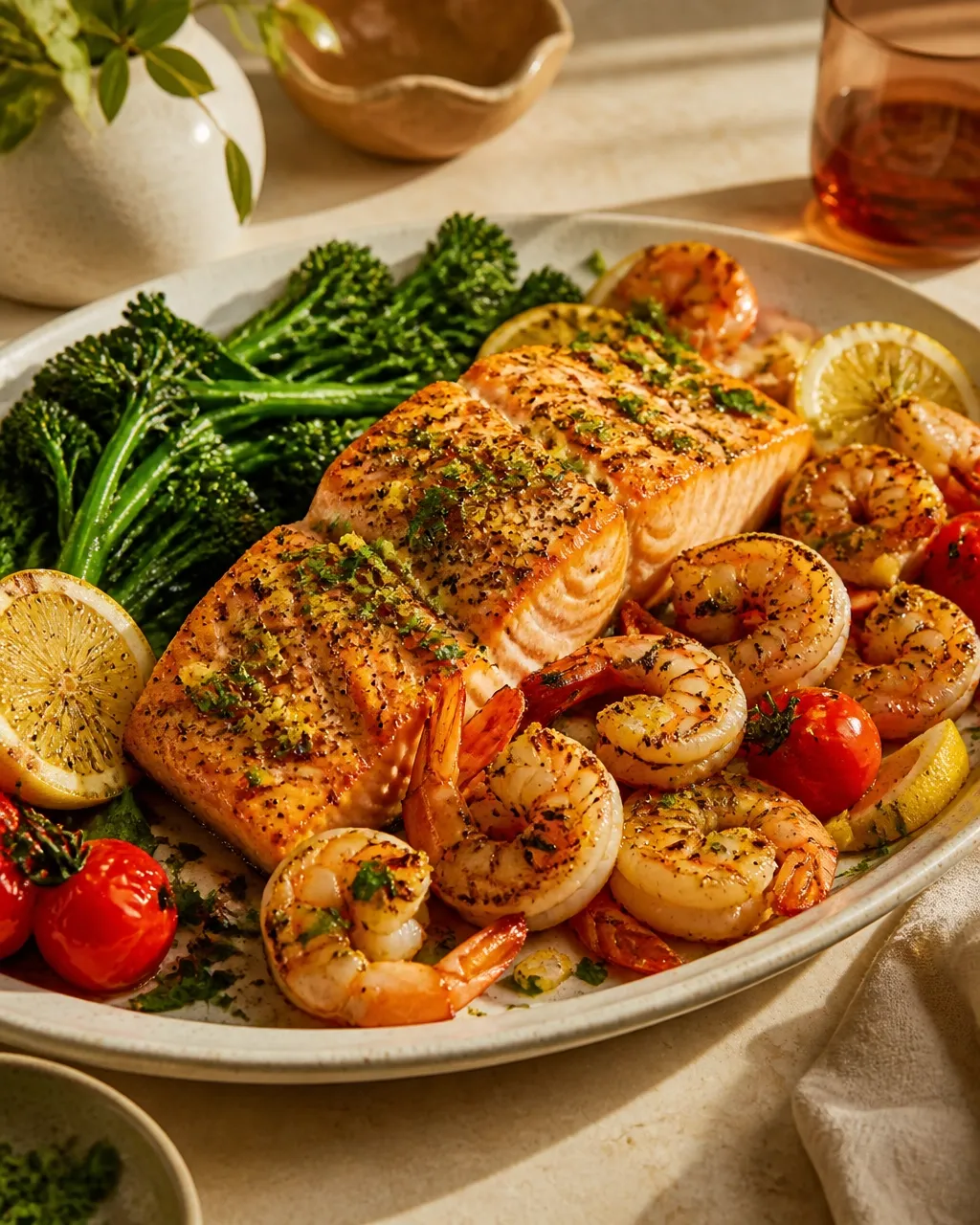
When you’re aiming for restaurant-quality salmon at home, the biggest mistake you can make is treating it like a piece of chicken. Salmon is delicate; it’s mostly water and protein that’s ready to seize up the moment things get too hot for too long. If you've ever seen that white stuff (called albumin) oozing out of your fish, that’s a signal from your salmon that you’ve pushed it too far. The proteins have contracted so tightly they’ve squeezed out the moisture. To avoid this, set your oven to 400°F. This temperature is high enough to roast the asparagus and get a slight caramelization on the exterior of the fish without turning the center into a pencil eraser.
Use a meat thermometer. This is a non-negotiable in my kitchen. Pull your salmon out when it hits an internal temperature of 130–135°F. You might think, "But the USDA says 145°F!" Trust me on this: carry-over cooking is real. Once you pull that sheet pan out, the residual heat will continue to raise the temperature by another 5 to 10 degrees. If you wait until 145°F in the oven, you’re eating dry fish. Aim for that 135°F mark for a silky, butter-like texture that practically melts on your tongue.
Acidity is your other best friend. Lemon juice doesn't just add flavor; it chemically interacts with the fish. The citric acid slightly denatures the proteins on the surface, which helps firm up the exterior and creates a "cleaner" bite. However, avoid marinating the fish in lemon juice for more than 30 minutes before cooking, or you’ll end up with a chalky texture similar to over-cured ceviche.
Check your asparagus, too. These spears are essentially water and fiber. Roasting them at 400°F softens the cellulose (the "woody" part) while the tips get delightfully crispy. If your spears are pencil-thin, add them to the pan five minutes after the salmon. If they’re thick, they can go in at the same time. This ensures everything hits the finish line simultaneously, making these quick family meals actually efficient rather than a logistical nightmare.
Mixing it Up: From Mediterranean to Zesty Gingered Salmon
While the lemon-herb combo is a classic for a reason, you don't have to stay in that lane. If you’re bored of the same old healthy dinner ideas, try swapping the herbs. Replace the dill and parsley with fresh basil and oregano, add some halved cherry tomatoes to the pan, and finish with a drizzle of balsamic glaze for a Mediterranean twist. The tomatoes will burst in the oven, creating a built-in sauce that pairs beautifully with the richness of the salmon.
For something a bit punchier, lean into a ginger-soy profile. Use ginger, garlic, and a splash of soy sauce instead of the butter and herbs. The sugars in the soy sauce will caramelize under the heat, giving the salmon a deeper, savory crust. If you're following a keto lifestyle, stick to the butter or a high-quality olive oil base; the fat carries the flavor of the herbs and keeps the fish moist throughout the roasting process.
Don’t be afraid of the pantry, either. If you’re out of fresh herbs, high-quality dried Italian seasoning works in a pinch: just use about half the amount you would for fresh, as dried herbs are more concentrated. Just make sure to toss them with the oil or butter first so they don't burn to a crisp in the 400°F oven.
Perfect Pairings: Balancing the Richness
Salmon is a fatty fish (the good kind of fat!), which means it needs something bright or starchy to cut through that richness. If you aren't doing the low-carb thing, roasted baby potatoes are the gold standard. Since potatoes take significantly longer to cook than fish, roast them for 15-20 minutes first before pushing them to the side and adding your salmon and asparagus. This one-pan method keeps things simple while ensuring your starch is actually cooked.
If you want something lighter, a simple arugula salad with a sharp vinaigrette is fantastic. The peppery bite of the arugula and the acidity of the vinegar balance the buttery salmon perfectly. For a more substantial feel, serve the salmon over a bed of quinoa or lemon-herb orzo. The grains will soak up any of the herb-butter juices that escape onto the pan, ensuring not a single drop of flavor goes to waste. These pairings turn a simple piece of fish into one of the best quick family meals in your rotation.
Frequently Asked Questions
Why does my salmon have white stuff on it?
That white stuff is called albumin. It’s a protein that’s liquid when the fish is raw but solidifies as it cooks. While it's perfectly safe to eat, seeing a lot of it usually means your salmon was cooked too fast or too long. The muscle fibers contracted and squeezed the protein out to the surface. To minimize it, try a slightly lower temperature or: more importantly: don't overcook it!
Can I use frozen salmon for this?
Absolutely. Just make sure you thaw it completely in the refrigerator overnight. If you try to roast it from frozen, the outside will be overcooked and dry before the inside even reaches a safe temperature. Pat the thawed fillets extremely dry with paper towels before seasoning; moisture is the enemy of a good roast. If the fish is wet, it will steam instead of roasting, and you’ll lose that beautiful texture.
Should I leave the skin on or off?
Leave it on! Even if you don't plan on eating the skin, it acts as a protective barrier between the flesh and the hot pan, helping the fish cook more evenly and stay moist. Plus, once it's cooked, the meat will slide right off the skin with a spatula. If you’re a fan of crispy skin, you can always sear the salmon skin-side down in a pan for 2 minutes before transferring it to the oven, but for a true healthy weeknight dinners experience, roasting it skin-side down on the sheet pan is the easiest route.
Can I do this in the air fryer?
Yes! If you're looking for air fryer recipes dinner options, this recipe translates well. Air fry at 380°F for about 8-10 minutes. The high-speed fan in the air fryer acts like a powerful convection oven, so it cooks even faster than a traditional oven. Just keep an eye on it: it can go from perfect to overdone in a heartbeat.
How do I know if my asparagus is done?
Your asparagus should be "tender-crisp." This means you should be able to pierce it with a fork with just a little resistance, but it shouldn't be mushy. If it’s drooping like a wet noodle, you’ve gone too far. Aim for a bright green color with just a hint of char on the tips for the best flavor and texture.
{“@type”:”BlogPosting”,”image”:”https://cdn.marblism.com/HAQBchxwstS.webp”,”author”:{“name”:”Penny”,”@type”:”Person”},”@context”:”https://schema.org”,”headline”:”Healthy Weeknight Lemon Herb Salmon”,”publisher”:{“logo”:{“url”:”https://cookpedia.com/logo.png”,”@type”:”ImageObject”},”name”:”Cookpedia”,”@type”:”Organization”},”description”:”A guide to making the perfect sheet-pan lemon herb salmon with roasted asparagus, focusing on the science of cooking temperatures and flavor balance.”,”datePublished”:”2026-07-08″,”mainEntityOfPage”:{“@id”:”https://cookpedia.com/healthy-weeknight-lemon-herb-salmon”,”@type”:”WebPage”}}