Recipe
Servings
Servings 1×
Ingredients
- Chicken
- Salmon
- Shrimp
- Chickpeas
- Quinoa
- Tomatoes
- Lemon
- Honey
- Mustard
- Hard cheese
- Feta
- Cooking oil
- Salt
Method
- Let's dive into the science of the sear, the magic of the marinade, and how to keep those greens from turning into a soggy mess.
- Use enough salt in your marinade to penetrate the meat, but don't go overboard if you are also adding salty components like feta later.
- Use a jar to shake your ingredients vigorously.
- Use half as a marinade to tenderize the chicken and reserve the other half for the salad.
Getting a nutritious, flavor-packed dinner on the table shouldn't feel like a chore. If you are tired of the same old rotation, this Mediterranean chicken salad is about to become your new best friend. It is vibrant, satisfying, and hits that perfect balance between "I'm being healthy" and "I actually enjoy my life."
We focus on real-food ingredients that bring a punch of sunshine to your plate, even on a gloomy Tuesday. Whether you are looking for quick family meals or just want to level up your lunch game, understanding the mechanics behind a great salad is key. You don’t need a culinary degree to master this; you just need to know why things work the way they do. Let's dive into the science of the sear, the magic of the marinade, and how to keep those greens from turning into a soggy mess.
The Science of the Perfect Sear and Juicy Chicken
If you have ever eaten a salad with dry, rubbery chicken, you know it’s a tragedy. To avoid this, you must understand the role of salt and heat. When you marinate your chicken in a mixture of salt, acid, and oil, you aren't just adding flavor, you are performing chemistry.
Salt is the most important player here. Through a process called denaturing, salt helps the protein strands in the chicken breast loosen up and hold onto more water. This ensures that even after the chicken hits the hot pan, it stays juicy. Use enough salt in your marinade to penetrate the meat, but don't go overboard if you are also adding salty components like feta later.
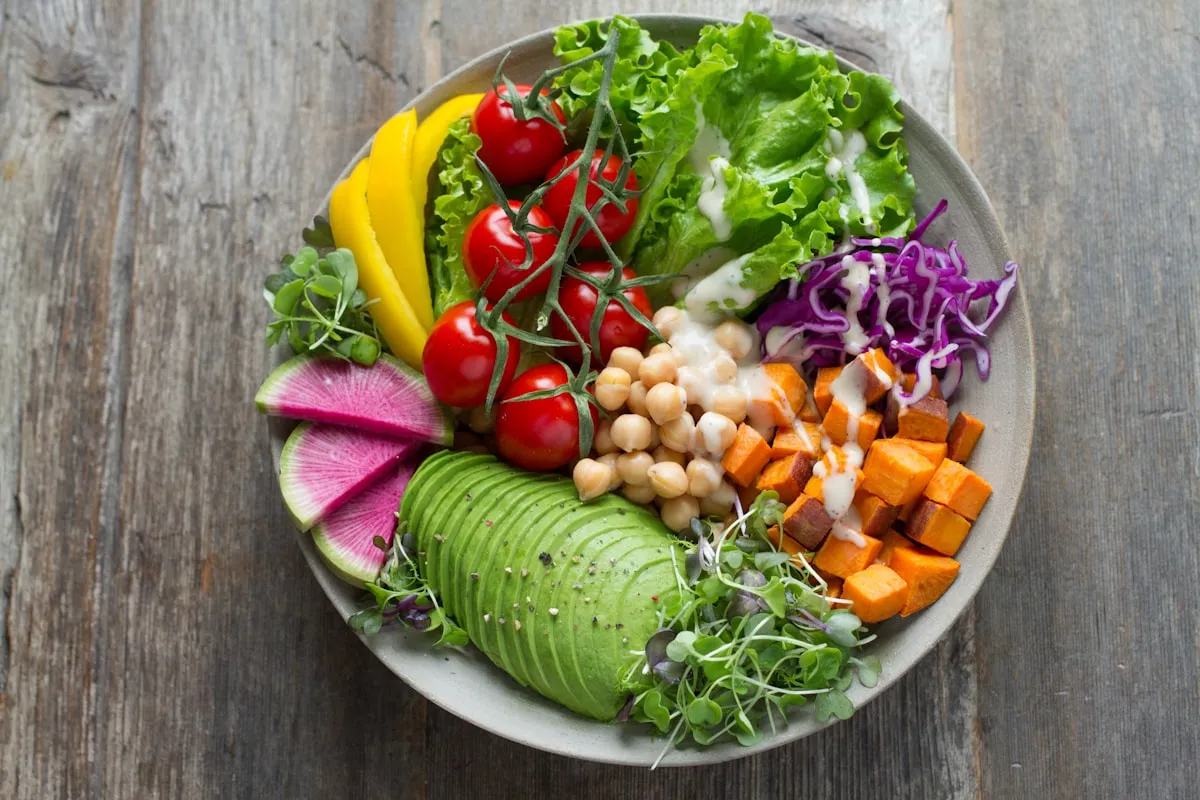
When it comes to cooking, high heat is your ally. You want a beautiful golden-brown exterior (hello, Maillard reaction!) without overcooking the center. Aim for an internal temperature of 160°F. Once you pull the chicken off the heat, let it rest for at least five minutes. This "carryover cooking" will bring the internal temperature to a safe 165°F while allowing the juices to redistribute. If you cut into it too soon, all that moisture will end up on the cutting board instead of in your mouth. For those who prefer hands-off cooking, you can easily adapt this by looking into air fryer recipes dinner style, which uses circulating hot air to achieve that same crisp exterior in record time.
Mastering the Emulsion: Why Your Dressing Separates
A great Mediterranean salad lives or dies by its dressing. You might be tempted to just pour some oil and vinegar over your greens and call it a day, but resist that urge. You want an emulsion, a stable mixture of oil and acid that clings to every leaf and vegetable.
Oil and water (or lemon juice) naturally want to stay apart. To force them together, you need an emulsifier. In our case, a small dollop of Dijon mustard or even a bit of honey acts as the "glue." These molecules have one end that loves water and one end that loves oil, holding the mixture together. Use a jar to shake your ingredients vigorously. This mechanical action breaks the oil into tiny droplets that the mustard then stabilizes.
This dressing serves a dual purpose. Use half as a marinade to tenderize the chicken and reserve the other half for the salad. This is one of the best hacks for quick family meals because it cuts your prep time in half without sacrificing any flavor. Just remember: never use the liquid that touched raw chicken as your final dressing. Safety first!
Texture Control: Keeping the Crunch
The biggest mistake home cooks make with salads is improper moisture management. If you toss your salad and let it sit for twenty minutes while you wait for the chicken to cool, you will end up with a watery, sad pile of leaves.
Check your vegetables. Cucumbers and tomatoes are basically water balloons. If you chop them too far in advance, they will leak juice and dilute your beautiful emulsion. Wash your greens thoroughly, but more importantly, dry them completely. A salad spinner is a non-negotiable tool here. If your leaves are wet, the oil-based dressing won't stick; it will just slide right off to the bottom of the bowl.
Avoid dressing the salad until the very last second. Salt draws water out of plant cells through osmosis, which is why a dressed salad wilts so fast. If you are prepping this for a work lunch, keep the components separate. Think of it as a deconstructed healthy dinner ideas option that you assemble when you're ready to eat.
Vibrant Variations for Every Palate
One of the best things about Mediterranean flavors is how adaptable they are. While grilled chicken is a classic, you can swap the protein to keep things interesting.
- The Seafood Twist: Substitute the chicken for seared shrimp or even a piece of salmon. Seafood cooks much faster, making this a great option for 15-minute meals.
- Plant-Based Power: Use roasted chickpeas instead of chicken. If you toss them in the same lemon-herb marinade and roast them until crispy, they provide a satisfying crunch and plenty of protein.
- The Grained-Up Version: If you need something more filling, add a scoop of cooked quinoa or farro. These grains soak up the dressing beautifully and turn a light salad into a hearty dinner that will keep you full all evening.
- Cheese Swaps: If feta is too tangy for you, try small pearls of fresh mozzarella or even shaved Parmesan. Each brings a different salty profile that changes the entire vibe of the dish.
Side Dish Pairings for a Complete Meal
While this salad is a powerhouse on its own, sometimes you want a little something extra to round out the table. The goal is to find sides that complement the acidity of the lemon and the richness of the feta.
Warm, toasted pita bread is a natural choice. It provides a soft, pillowy contrast to the crisp vegetables. You can also serve a side of creamy hummus or a simple tzatziki for dipping. If you are looking for more healthy dinner ideas, a light lentil soup or a side of roasted vegetables can turn this into a multi-course Mediterranean feast without adding much work.
Avoid heavy, cream-based sides. The beauty of this meal is its freshness. Stick to whole grains, legumes, or simple grilled flatbreads to keep the energy levels high and the digestion easy.
FAQ: Troubleshooting Your Salad
Why is my chicken breast always dry even if I marinate it?
It’s likely a temperature issue. Most people overcook chicken "just to be safe." Use a meat thermometer! Pull the chicken at 160°F. Also, ensure you are slicing across the grain. If you cut with the grain, you are leaving the long fibers intact, which makes it feel tougher to chew.
Can I make the dressing in a large batch?
Absolutely. A simple vinaigrette will stay fresh in the fridge for up to a week. However, if you add fresh garlic or herbs, the flavor will intensify over time. If the oil solidifies in the fridge, just let the jar sit on the counter for ten minutes and give it a good shake before using.
My red onions are too "spicy" and bitey. How do I fix that?
Soak your sliced onions in a bowl of ice water for 10 minutes before adding them to the salad. This leaches out the harsh sulfur compounds while keeping the onion crisp. Pat them dry before tossing them in.
What if I don't have a grill?
A cast-iron skillet or a heavy frying pan works wonders. You can also use air fryer recipes dinner techniques by tossing the marinated chicken in the basket at 400°F for about 10–12 minutes. It yields a surprisingly similar result to grilling without the outdoor setup.
How do I prevent the feta from turning into a mushy paste?
Don't toss the feta with the heavy vegetables. Add it at the very end as a topper. If you mix it too much, the moisture from the tomatoes and the oil from the dressing will break down the cheese, making the whole salad look cloudy.
Can I use frozen chicken?
Yes, but you must thaw it completely before marinating. Frozen chicken releases a lot of water as it thaws, which will dilute your marinade and prevent that beautiful brown sear you’re looking for.
For more inspiration on balancing flavor and nutrition, check out our healthy recipes section.
{“@type”:”BlogPosting”,”image”:”https://cdn.marblism.com/O4t6a0UVLLc.webp”,”author”:{“name”:”Penny”,”@type”:”Person”},”@context”:”https://schema.org”,”headline”:”Healthy Weeknight Mediterranean Chicken Salad”,”publisher”:{“logo”:{“url”:”https://cookpedia.com/logo.png”,”@type”:”ImageObject”},”name”:”Cookpedia”,”@type”:”Organization”},”description”:”Learn the science behind the perfect Mediterranean chicken salad. From marination tips to keeping your greens crisp, this guide ensures a healthy and quick weeknight dinner.”,”datePublished”:”2026-07-09″,”mainEntityOfPage”:{“@id”:”https://cookpedia.com/healthy-weeknight-mediterranean-chicken-salad”,”@type”:”WebPage”}}