Recipe
Servings
Servings 1×
Ingredients
- Lentils
- Potatoes
- Sweet potatoes
- Cauliflower
- Carrots
- Mushrooms
- Spinach
- Onion
- Lemon
- Balsamic vinegar
- Honey
- Butter
- Cooking oil
- Soy sauce or tamari
Method
- Use brown or green lentils: never red for this dish unless you want a bowl of mush.
- Brown lentils hold their structural integrity through the simmering and baking process, providing a "chew" that mimics ground protein.
- Use a ricer if you have one; avoid over-mixing, or you’ll end up with a gluey mess.
- Sautéing chopped cremini or shiitake mushrooms with your lentils adds another layer of texture and a "forest" flavor profile that is incredibly sophisticated.
- Rinse them thoroughly first to remove the metallic "can" flavor and excess sodium.
- Use a manual masher or a ricer, and stop the moment the large lumps are gone.
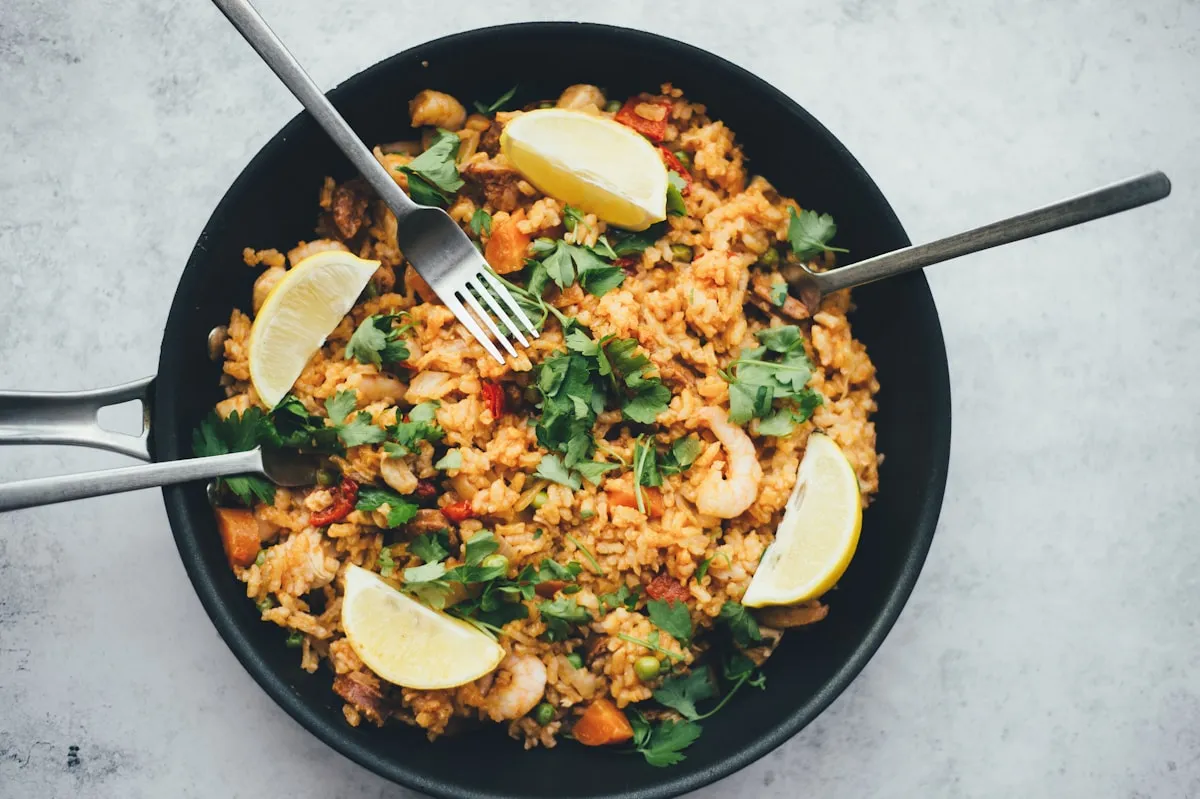
There is something undeniably soulful about a shepherd’s pie. It’s the culinary equivalent of a warm wool blanket on a rainy Tuesday. When you swap out the traditional meat for protein-packed lentils, you aren't just making a "substitute": you're creating a flavor powerhouse that stands entirely on its own. This isn't just one of those healthy dinner ideas that leaves you searching the pantry for a snack an hour later. It is robust, rich, and deeply satisfying. If you've been looking for quick family meals that actually fill the soul, you’ve found the crown jewel.
The Science of Savory: Layering Umami and Texture
Making a meatless dish taste "meaty" isn't about magic; it’s about chemistry. To get that deep, resonant flavor, you must prioritize the Maillard reaction. This is the chemical reaction between amino acids and reducing sugars that gives browned food its distinctive flavor. When you start your base, don’t just soften your onions and carrots. Brown them. Push them until they are dark gold and smelling like a five-star kitchen. This caramelization is the foundation of your pie’s depth.
Next, focus on your lentils. Use brown or green lentils: never red for this dish unless you want a bowl of mush. Brown lentils hold their structural integrity through the simmering and baking process, providing a "chew" that mimics ground protein. For the ultimate umami boost, incorporate what I call the "savory trifecta": tomato paste, soy sauce (or tamari), and a splash of balsamic or red wine vinegar. The acidity in the vinegar cuts through the earthy weight of the lentils, while the soy sauce provides the glutamates that signal "savory" to your brain.
Check the starch content of your potatoes, too. For the fluffiest clouds of mash, stick to Russets or Yukon Golds. Russets have high starch and low moisture, which makes them light and airy. Use a ricer if you have one; avoid over-mixing, or you’ll end up with a gluey mess. When spreading the mash over the lentils, push the potatoes all the way to the edges of the baking dish. This creates a "steam seal," trapping the juices underneath so the filling thickens into a rich gravy instead of evaporating and drying out.
If you’re in a rush and need something even faster, you might look into air fryer recipes dinner alternatives, but for those nights when you want to truly nurture your family, this slow-baked beauty is unbeatable.
Creative Variations for Every Palate
While the classic lentil-potato combo is legendary, don't be afraid to experiment. If you want to lean into the "earthy" vibe, try a Mushroom-Lentil hybrid. Mushrooms contain massive amounts of naturally occurring glutamates. Sautéing chopped cremini or shiitake mushrooms with your lentils adds another layer of texture and a "forest" flavor profile that is incredibly sophisticated.
For a nutritional twist, swap half of your potatoes for cauliflower. This keeps the topping light while sneaking in more vegetables: a classic move for healthy dinner ideas that don't taste like "health food." Or, go for the Sweet Potato Smash. The natural sweetness of orange sweet potatoes creates a beautiful contrast with the salty, savory lentil filling. Sprinkle some fresh thyme on top to tie the sweetness back to the savory base.
If you are meal prepping for a busy week of quick family meals, consider making individual portions in muffin tins or small ramekins. This reduces the baking time and makes for an adorable presentation that kids (and adults who are kids at heart) tend to love. It also helps with portion control and makes freezing and reheating a breeze.
The Perfect Side Dish Pairings
A shepherd's pie is a complete meal in a dish, but it is very rich. To achieve a balanced dinner, you need something that provides high-contrast acidity or crunch. A simple arugula salad with a sharp lemon vinaigrette is my go-to. The bitterness of the greens and the zing of the lemon reset your palate between bites of creamy potato and savory lentils.
If you want something warm, honey-miso roasted carrots are a phenomenal companion. The miso mirrors the fermented savory notes in the pie, while the honey brings out the natural sugars in the vegetables. Avoid heavy, creamy side dishes like mac and cheese or creamed spinach; you already have plenty of "creamy" going on with the potato topping. Stick to bright, vibrant, and crisp.
Troubleshooting and Science: The FAQ
Why is my lentil filling too runny?
This usually happens because the filling didn't simmer long enough before the potato topping was added. Lentils continue to absorb liquid as they cook, but you need the "gravy" to be thick enough to coat a spoon before it goes into the oven. If it looks like soup, keep simmering it without a lid. If you're in a pinch, whisk a teaspoon of cornstarch with a tablespoon of cold water and stir it in. This will tighten the sauce instantly.
Can I use canned lentils?
You can, but proceed with caution. Canned lentils are already very soft. If you simmer them for too long, they will lose their shape and turn into a paste. If using canned, add them at the very end of your vegetable sauté, just before you add the liquid, and reduce the total simmering time. Rinse them thoroughly first to remove the metallic "can" flavor and excess sodium.
Why didn't my potato topping get crispy?
Your oven might be a liar. Most home ovens have hot spots or run cooler than the dial says. If the pie is hot but the top is pale, switch your oven to the "broil" setting for the last 3-5 minutes. Stand there and watch it like a hawk: the line between "golden-brown perfection" and "charred disaster" is very thin. Also, adding a few small dots of vegan butter or a light spray of olive oil on the potato peaks before baking helps the Maillard reaction along significantly.
My potatoes are gluey. What happened?
You over-worked them. When you mash potatoes, you break down the starch granules. If you mix them too much (especially in a food processor or blender), those granules burst and release starch into the surrounding liquid, creating a sticky, glue-like texture. Use a manual masher or a ricer, and stop the moment the large lumps are gone.
How do I store and reheat this?
This dish actually tastes better the next day as the flavors have more time to mingle. Store it in an airtight container in the fridge for up to 4 days. When reheating, use the oven if possible to keep the potato top from getting soggy. If you must use a microwave, cover it loosely and heat on medium power. It’s one of those rare dishes that survives the freezer well, making it a hero for your future self on a busy night.