Recipe
Servings
12 large rolls and can be completed in one day or prepared the night before. Use bread flour for the most pillowy texture, but all-purpose flour also works. 1×
Serves 12 large rolls and can be completed in one day or prepared the night before. Use bread flour for the most pillowy texture, but all-purpose flour also works.Prep 35 minCook 26 minTotal 3H30 min
Ingredients
- 1 cup whole milk, warmed to 100–110°F (38–43°C)
- 2¼ teaspoons active-dry or instant yeast
- ⅓ cup granulated sugar
- 2 large eggs, room temperature
- ⅓ cup unsalted butter, softened
- 4 to 4½ cups bread flour, plus more only if required
- 1 teaspoon fine salt
Method
- Prepare the yeast. Pour the warm milk into a large mixing bowl. Add the yeast and 1 teaspoon of the granulated sugar. Stir and leave for 5 to 10 minutes if using active-dry yeast. The surface should become lightly foamy.
- Mix the dough. Add the remaining sugar, eggs, and softened butter. Mix until combined. Add 2 cups of flour and the salt, then stir until a rough dough forms.
- Add the remaining flour. Add the remaining flour gradually. Stop when the dough is soft and slightly tacky but not wet or difficult to handle. The exact amount may vary according to flour, humidity, and egg size.
- Knead. Knead with a dough hook for 6 to 10 minutes on medium speed, or knead by hand for approximately 10 minutes. The finished dough should be smooth, elastic, and able to stretch without tearing immediately.
- Complete the first rise. Lightly grease a clean bowl. Place the dough inside, turning it once to coat the surface. Cover the bowl and leave it in a warm, draft-free place for 1 to 1½ hours, or until doubled in size.
- Prepare the filling. Mix the brown sugar, cinnamon, and salt in a small bowl. Keep the butter softened and spreadable.
- Roll out the dough. Turn the risen dough onto a lightly floured surface. Roll it into a rectangle approximately 12 by 18 inches.
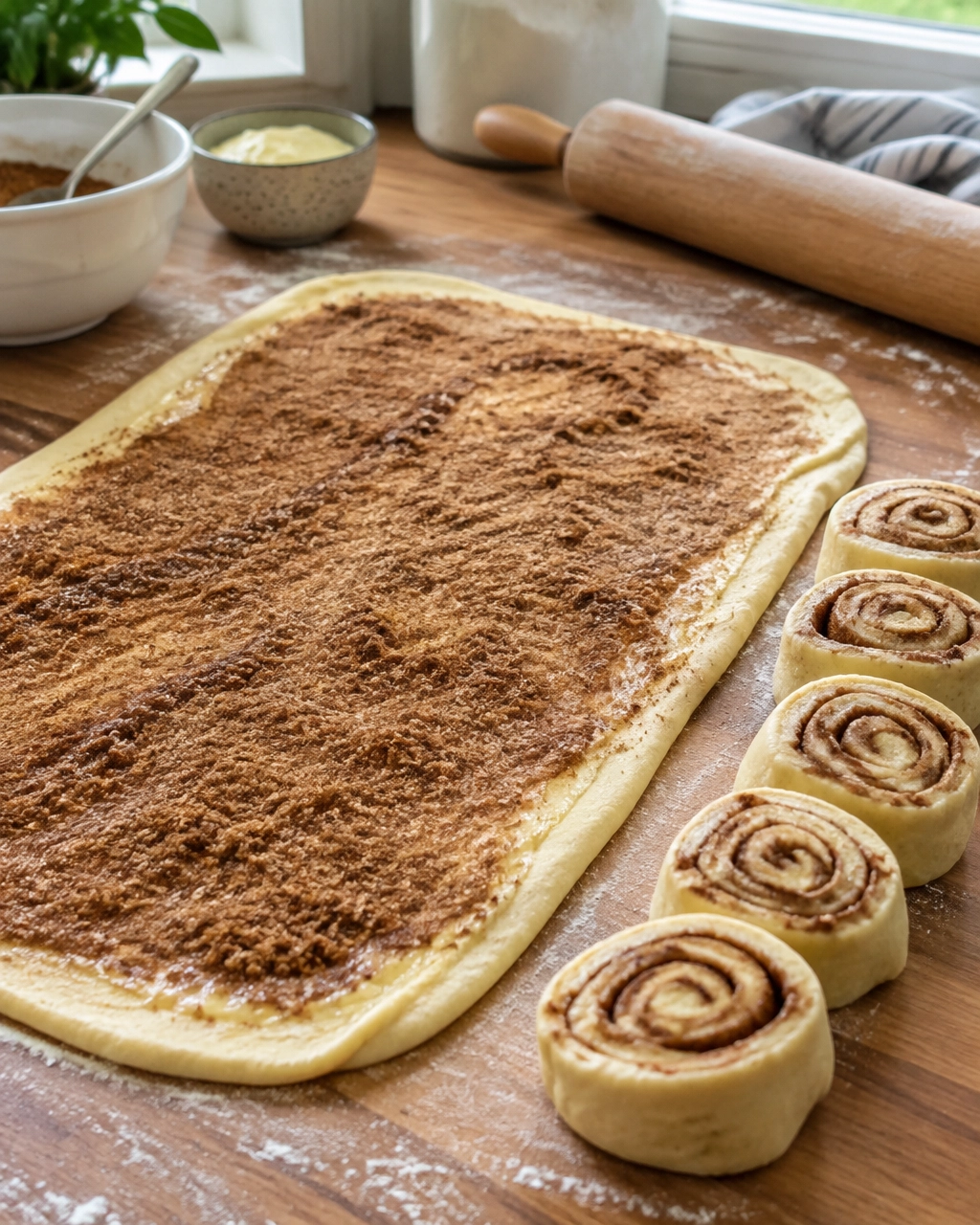
- Add the filling. Spread the softened butter evenly over the dough, leaving a narrow border around the edges. Sprinkle the cinnamon sugar over the butter and press it down gently.
- Form the log. Starting with one long side, roll the dough into a firm, even log. Pinch the seam closed.
- Cut the rolls. Cut the log into 12 equal pieces, approximately 1½ inches thick. Use a sharp knife or unflavoured dental floss for clean cuts.
- Arrange in the pan. Grease a 9-by-13-inch baking pan. Place the rolls cut-side up in the pan, leaving a small amount of space between each piece.
- Complete the second rise. Cover the pan and leave the rolls for 30 to 45 minutes, until visibly puffy. A gently pressed roll should slowly spring back.
- Preheat the oven. Heat the oven to 350°F (175°C).
- Add the cream. Pour the heavy cream evenly over the risen rolls immediately before baking.
- Bake. Bake for 23 to 28 minutes, until the tops are lightly golden and the centre rolls are set but still soft. Do not wait for a deep brown colour.
- Make the frosting. Beat the cream cheese and butter until smooth. Add the powdered sugar and vanilla. Mix, then add enough milk or cream to produce a spreadable frosting.
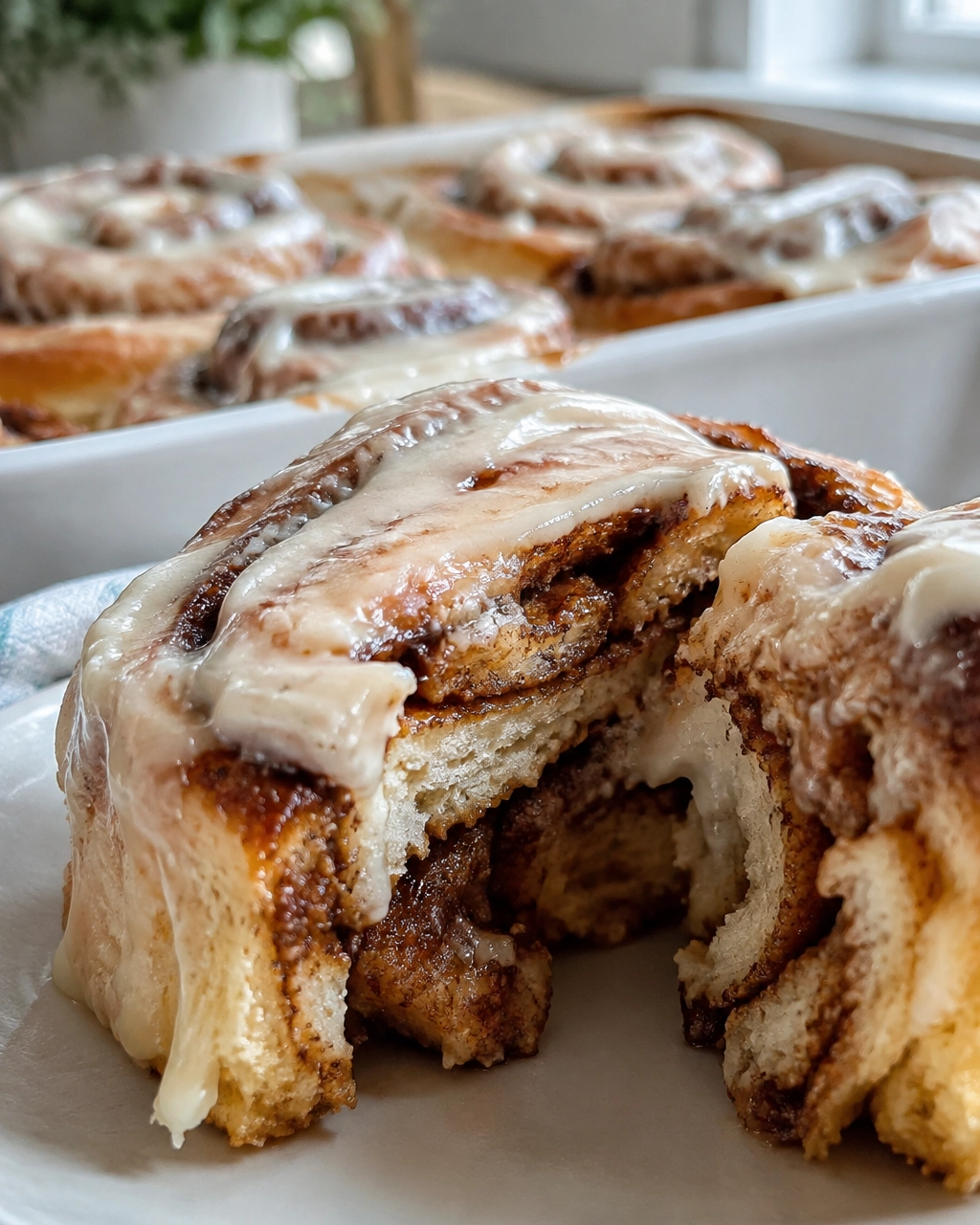
- Frost and serve. Leave the rolls for approximately 10 minutes, then spread the frosting over the warm rolls. Serve immediately or keep covered at room temperature.
Homemade Cinnamon Rolls (Soft & Gooey)
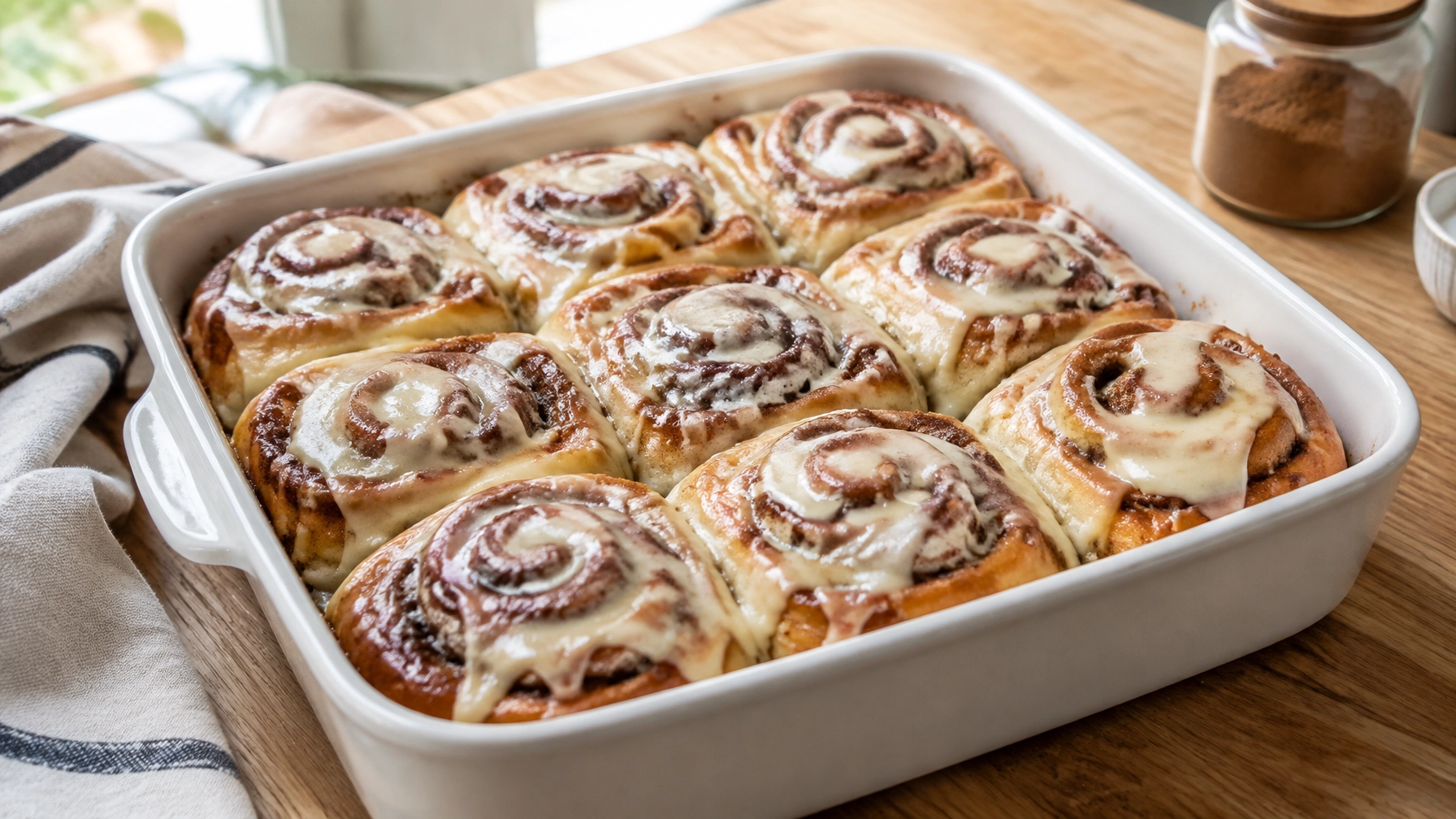
These homemade cinnamon rolls are soft in the centre, lightly golden at the edges, and filled with buttery brown sugar and cinnamon. A small amount of heavy cream poured over the shaped rolls before baking helps create the gooey texture.
The recipe makes 12 large rolls and can be completed in one day or prepared the night before. Use bread flour for the most pillowy texture, but all-purpose flour also works.
Dough
The dough is enriched with milk, eggs, butter, and sugar. It should feel soft and slightly tacky after kneading. Avoid adding excessive flour, as a stiff dough produces dense cinnamon rolls.
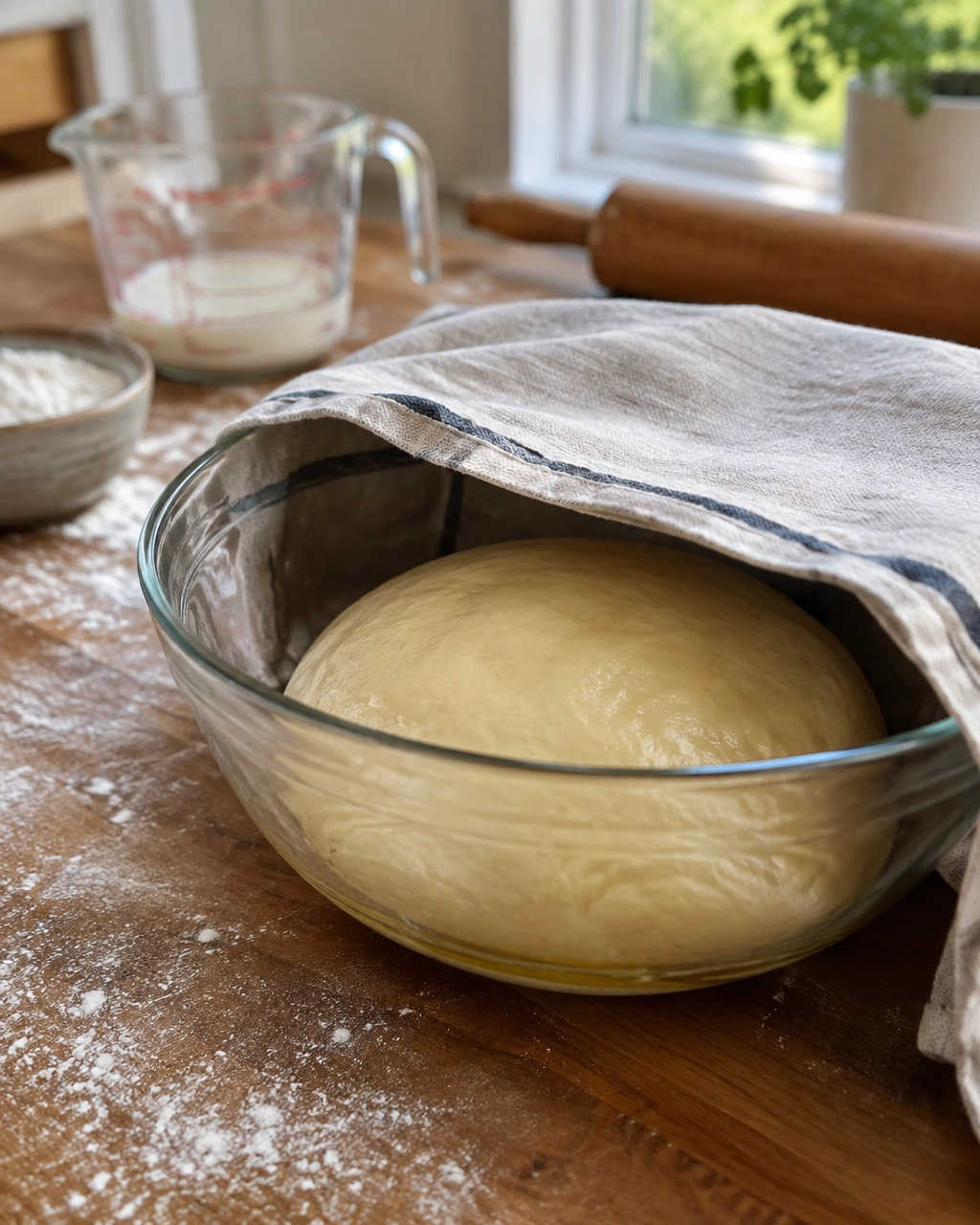
For active-dry yeast, allow the yeast to foam in warm milk before continuing. Instant yeast can be mixed directly with the flour, although dissolving it first provides a useful check that the yeast is active.
The milk should be warm rather than hot, approximately 100–110°F (38–43°C). Excessive heat can damage the yeast.
Filling
The filling consists of softened butter, packed brown sugar, cinnamon, and a small amount of salt. Spread the butter evenly across the dough, then distribute the sugar mixture from edge to edge.
Roll the dough from the long side into a firm log. A tight roll creates defined spirals, while excessive pressure can push out the filling.
Recipe
Yield
12 large cinnamon rolls
Prep time
35 minutes
First rise
1 to 1½ hours
Second rise
30 to 45 minutes
Cook time
23 to 28 minutes
Total time
Approximately 3 hours 30 minutes
Ingredients
For the dough
- 1 cup whole milk, warmed to 100–110°F (38–43°C)
- 2¼ teaspoons active-dry or instant yeast
- ⅓ cup granulated sugar
- 2 large eggs, room temperature
- ⅓ cup unsalted butter, softened
- 4 to 4½ cups bread flour, plus more only if required
- 1 teaspoon fine salt
For the filling
- ½ cup unsalted butter, softened
- 1 cup packed light brown sugar
- 2 to 3 tablespoons ground cinnamon
- ¼ teaspoon fine salt
For the gooey finish
- ½ cup heavy cream
For the cream cheese frosting
- 4 ounces cream cheese, softened
- ¼ cup unsalted butter, softened
- 1½ cups powdered sugar
- 1 teaspoon vanilla extract
- 1 to 2 tablespoons milk or cream
Method
Prepare the yeast. Pour the warm milk into a large mixing bowl. Add the yeast and 1 teaspoon of the granulated sugar. Stir and leave for 5 to 10 minutes if using active-dry yeast. The surface should become lightly foamy.
Mix the dough. Add the remaining sugar, eggs, and softened butter. Mix until combined. Add 2 cups of flour and the salt, then stir until a rough dough forms.
Add the remaining flour. Add the remaining flour gradually. Stop when the dough is soft and slightly tacky but not wet or difficult to handle. The exact amount may vary according to flour, humidity, and egg size.
Knead. Knead with a dough hook for 6 to 10 minutes on medium speed, or knead by hand for approximately 10 minutes. The finished dough should be smooth, elastic, and able to stretch without tearing immediately.
Complete the first rise. Lightly grease a clean bowl. Place the dough inside, turning it once to coat the surface. Cover the bowl and leave it in a warm, draft-free place for 1 to 1½ hours, or until doubled in size.
Prepare the filling. Mix the brown sugar, cinnamon, and salt in a small bowl. Keep the butter softened and spreadable.
Roll out the dough. Turn the risen dough onto a lightly floured surface. Roll it into a rectangle approximately 12 by 18 inches.
Add the filling. Spread the softened butter evenly over the dough, leaving a narrow border around the edges. Sprinkle the cinnamon sugar over the butter and press it down gently.
Form the log. Starting with one long side, roll the dough into a firm, even log. Pinch the seam closed.
Cut the rolls. Cut the log into 12 equal pieces, approximately 1½ inches thick. Use a sharp knife or unflavoured dental floss for clean cuts.
Arrange in the pan. Grease a 9-by-13-inch baking pan. Place the rolls cut-side up in the pan, leaving a small amount of space between each piece.
Complete the second rise. Cover the pan and leave the rolls for 30 to 45 minutes, until visibly puffy. A gently pressed roll should slowly spring back.
Preheat the oven. Heat the oven to 350°F (175°C).
Add the cream. Pour the heavy cream evenly over the risen rolls immediately before baking.
Bake. Bake for 23 to 28 minutes, until the tops are lightly golden and the centre rolls are set but still soft. Do not wait for a deep brown colour.
Make the frosting. Beat the cream cheese and butter until smooth. Add the powdered sugar and vanilla. Mix, then add enough milk or cream to produce a spreadable frosting.
Frost and serve. Leave the rolls for approximately 10 minutes, then spread the frosting over the warm rolls. Serve immediately or keep covered at room temperature.
Overnight instructions
Prepare the rolls through step 11. Cover the pan securely and refrigerate for 8 to 12 hours.
The next morning, remove the pan from the refrigerator and leave it covered at room temperature for 30 to 75 minutes. The rolls should become noticeably puffy before baking. If the kitchen is cold, additional time may be required.
Do not pour over the cream until just before the rolls go into the oven.
Tips for soft, gooey rolls
- Measure flour carefully. Too much flour is one of the main causes of dry or dense cinnamon rolls. Begin with 4 cups and add more only if the dough remains excessively sticky.
- Use warm milk. Milk that is too hot can prevent the yeast from working properly.
- Knead until elastic. Proper kneading develops the structure required for a light, tender crumb.
- Allow both rises to finish. Under-proofed rolls are usually tight and heavy. The dough should double during the first rise, and the shaped rolls should look puffy before baking.
- Do not overbake. The centre should be cooked but soft. The rolls will continue to set slightly as they cool.
- Use a light-coloured pan if possible. Dark metal pans can brown the edges more quickly.
- Apply frosting while warm. Warm rolls allow the cream cheese frosting to melt into the spiral without becoming completely liquid.
The use of bread flour and the importance of a soft, slightly tacky dough are consistent with techniques described by Broma Bakery and Sally’s Baking Addiction. The heavy cream method is also used in gooey cinnamon roll recipes from Handle the Heat.
Variations
Orange cinnamon rolls
Add 1 tablespoon of finely grated orange zest to the dough and 1 teaspoon to the frosting. Replace the vanilla with 1 tablespoon of orange juice.
Pecan cinnamon rolls
Scatter ¾ cup of finely chopped pecans over the cinnamon filling before rolling the dough. Press the pieces lightly into the filling so they remain in place.
Maple frosting
Replace the milk in the frosting with 1 to 2 tablespoons of pure maple syrup. Reduce the powdered sugar slightly if necessary.
Raisin cinnamon rolls
Sprinkle ¾ cup of raisins over the filling. For softer raisins, soak them in hot water for 10 minutes, then drain and dry thoroughly before use.
No cream cheese frosting
Mix 1½ cups powdered sugar with 2 tablespoons of milk, 1 tablespoon of melted butter, and 1 teaspoon of vanilla. Drizzle over the warm rolls.
Storage and reheating
Store cooled, frosted rolls in an airtight container at room temperature for up to 2 days. Refrigerate them for up to 5 days if the kitchen is warm or if preferred.
Reheat individual rolls in the microwave for 15 to 25 seconds. For a full pan, cover with foil and warm at 300°F (150°C) until heated through.
To freeze, cool the baked rolls completely and wrap them without frosting. Freeze for up to 2 months. Thaw overnight in the refrigerator, warm gently, and frost before serving.
FAQ
Why are my cinnamon rolls dense?
The dough may contain too much flour, may not have been kneaded sufficiently, or may not have completed either rise. Yeast that is inactive or exposed to excessively hot milk can also prevent the dough from rising.
Can I use all-purpose flour?
Yes. Bread flour generally produces a slightly more elastic and pillowy texture, but all-purpose flour is suitable. Begin with less flour and add only enough to create a soft dough.
Can I make the dough without a stand mixer?
Yes. Mix the ingredients with a wooden spoon, then knead the dough by hand on a lightly floured surface for approximately 10 minutes.
How do I know when the rolls are ready to bake?
The shaped rolls should be visibly swollen and soft. When pressed gently with a fingertip, the indentation should return slowly. If the dough springs back immediately, allow more proofing time.
Can I skip the heavy cream?
Yes. The heavy cream is optional, but it contributes to a softer and gooier centre. The rolls will still bake successfully without it.
Can I prepare these cinnamon rolls the night before?
Yes. Shape the rolls, place them in the pan, cover, and refrigerate for 8 to 12 hours. Let them become puffy at room temperature before adding the cream and baking.
Why did the filling leak out?
The dough may have been rolled too loosely, the butter may have been too warm, or the filling may have been spread beyond the edges. Leave a narrow border and pinch the seam closed before slicing.
What is the best way to cut the rolls?
A sharp knife works well. Unflavoured dental floss can produce cleaner cuts by sliding underneath the log and crossing the ends over the top.