Recipe
Servings
Servings 1×
Ingredients
- Chicken
- Salmon
- Shrimp
- Tortillas
- Potatoes
- Cucumber
- Avocado
- Onion
- Lime
- Honey
- Cooking oil
- Chili seasoning
- Salt
- Black pepper
Method
- Prepare the ingredients described in the article and heat the cooking surface or oven as directed.
- Cook the main ingredients using the heat and timing guidance in the article.
- Finish with the seasonings and garnishes named in the article, then serve.
There is something about the combination of sun-ripened mango and a salty tortilla chip that feels like a victory lap for summer. When you’re planning your next outdoor gathering, you want something that looks like it took hours but actually came together before your first cup of coffee was cold. This homemade mango salsa is my secret weapon for quick family meals that need a high-impact, low-effort starter. It’s vibrant, crunchy, and hits that perfect sweet-meets-heat note that keeps everyone coming back to the bowl until the last chip is gone.
The Science of the Perfect Picnic Scoop
Making a fruit salsa isn't just about throwing things in a bowl; it’s about managing chemistry and moisture. When you combine fruit, salt, and acid, a process called maceration begins. This is where the salt and lime juice draw water out of the mango’s cell walls via osmosis. This isn't a bad thing, it’s actually how the flavors of the onion, cilantro, and chili get to know each other, but if you let it go too long, you’ll end up with a soup instead of a salsa.
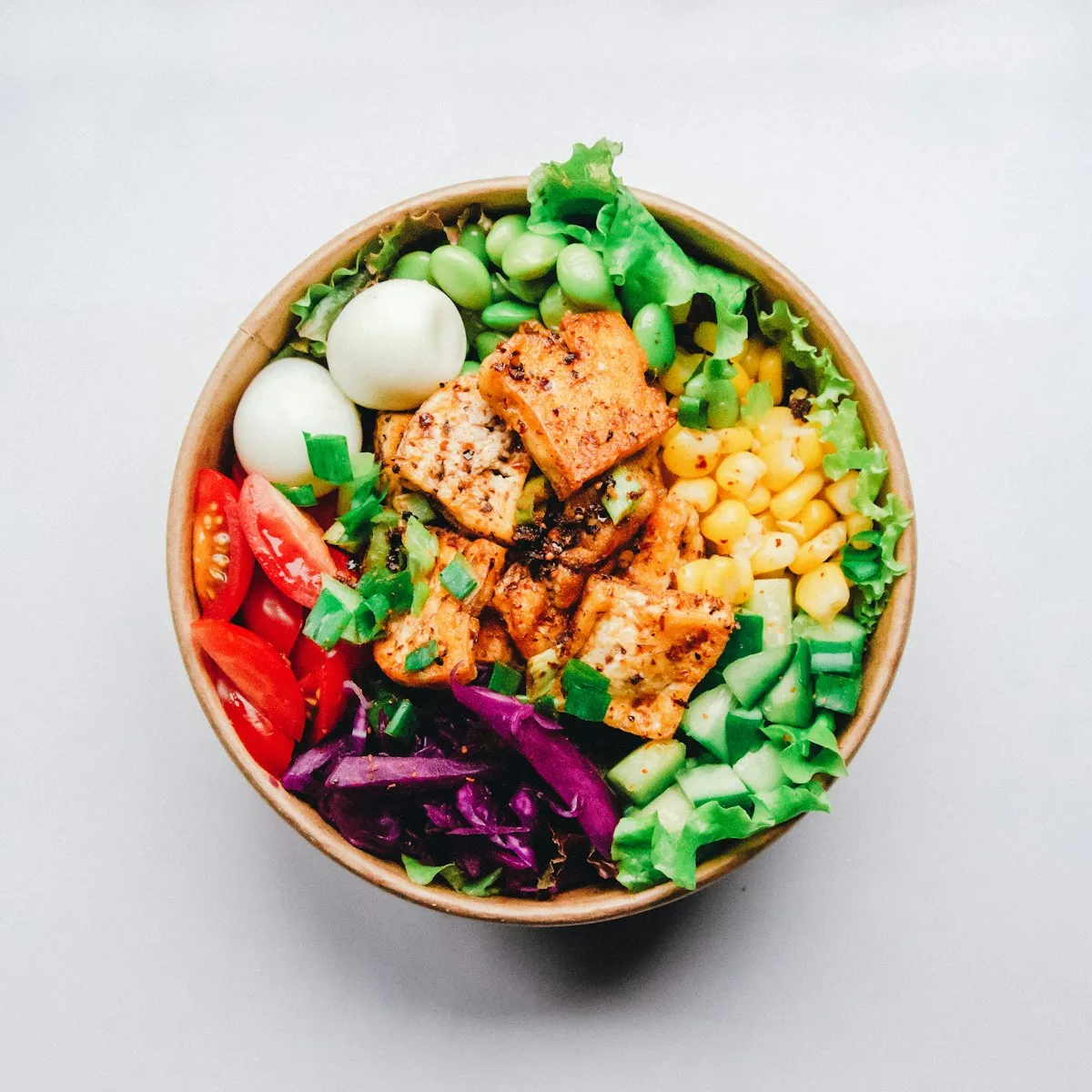
To keep your salsa structurally sound for a picnic, pay attention to your dice size. Aim for a half-inch cube for the mango. This provides enough surface area for the lime juice to brighten the flavor without causing the fruit to collapse into mush during transport. If you are prepping this as part of your healthy dinner ideas rotation, remember that the smaller you chop, the faster it will release juice.
Choose your mango wisely. You want a fruit that gives slightly to gentle pressure and smells like a tropical vacation at the stem end. Avoid the rock-hard specimens that feel like potatoes; they lack the natural sugars needed to balance the heat of the peppers. Conversely, if the mango is too soft, it will turn into a puree the second you stir it. I personally prefer the Ataulfo (Honey) variety for its buttery texture and lack of fiber, but a firm-ripe Kent or Haden works beautifully too.
Acidity is your best friend here. Lime juice does more than just add zing; it actually firms up the plant pectins slightly at first and keeps the salsa tasting "alive." However, there is a fine line between "bright" and "mouth-puckering." Always add your lime juice in stages. Taste after each tablespoon. If it feels flat, add a pinch of salt before adding more lime. Salt is the volume knob for flavor; lime juice is the treble. You need both to be in harmony.
One pro tip for picnic transport: keep your salt and lime juice in a separate small jar and toss them with the fruit and veg only 15 minutes before you’re ready to serve. This "staggered seasoning" technique ensures the salsa is at its peak crunch when the chips finally come out of the bag. If you must mix it ahead of time, chill it thoroughly. Cold temperatures slow down the migration of water, keeping those mango cubes crisp for longer.
Playing with Flavor Profiles
Once you master the base of a great fruit salsa, you can start tweaking the balance to suit your crowd. The beauty of this dish is its versatility. If you find the traditional version a bit too sweet, introduce more acidity or a different type of heat.
For those who love a smoky edge, try grilling the mango halves for two minutes per side before dicing them. The heat caramelizes the natural sugars and adds a depth that pairs perfectly with charred proteins. You can also swap the jalapeño for a habanero if you’re a heat-seeker, but be warned: the fruitiness of the habanero is incredible, but its sting is legendary. Use a very fine mince to ensure no one gets a "hot spot" in their bite.
If you want to lean into the crunch, add finely diced cucumber or red bell pepper. These "aromatic" vegetables provide a cooling counterpoint to the chili and help bulk out the salsa without making it overly sweet. For a creamy twist, fold in some diced avocado right before serving. The fat from the avocado rounds out the sharp edges of the lime and salt, creating a richer mouthfeel. Just remember that avocado oxidizes quickly, so it’s the one ingredient that really shouldn't be added until the picnic blanket is laid out.
What to Serve Alongside the Zest
This salsa isn't just for chips. It’s a workhorse in the kitchen that can elevate a simple protein to something restaurant-quality. Because of its high acidity and sweetness, it acts as a perfect "foil" for rich or fatty foods.
I love pairing this with grilled shrimp or flaky white fish like mahi-mahi. The brightness of the mango cuts right through the savory char of the grill. If you’re looking for more air fryer recipes dinner inspiration, try topping some air-fried salmon fillets with a generous scoop of this salsa. The contrast between the hot, crispy fish skin and the cold, zesty fruit is addictive.
For a full picnic spread, serve it alongside our Spicy Tomato Basil One-Pot Linguine if you’re doing a fusion-style lunch, or keep it classic with grilled chicken skewers. It also makes a surprising and delightful topping for our Kielbasa Pierogi Air Fryer Roast. The sweetness of the mango highlights the smoky notes of the sausage in a way that will have your guests asking for the "secret ingredient."
Common Mango Salsa Pitfalls (FAQ)
Why did my salsa turn into a watery mess?
This is almost always due to "over-maceration" or using overripe fruit. If you salt your salsa too early, the salt pulls every drop of moisture out of the mango and onion. To fix this, use firm-ripe fruit and wait until just before serving to add your salt and lime. If it’s already watery, don't stir the liquid back in; simply pour off the excess juice before serving.
Can I use frozen mango for this?
In a pinch, yes, but I wouldn't recommend it for a picnic where texture is king. Frozen mango has been blanched and frozen, which breaks down the cell walls. When it thaws, it tends to be much softer and "weep" more liquid than fresh fruit. If you do use frozen, keep it partially frozen when you mix it and eat it immediately.
My onion is too "loud" and overpowering. How do I fix it?
Red onions can sometimes be aggressively pungent. To tame them, soak your diced onion in a bowl of ice-cold water for about 10 minutes. Drain them and pat them dry before adding them to the mango. This washes away the sulfurous compounds that cause that sharp "burn," leaving you with the crunch and flavor without the lingering aftertaste.
How long will this stay fresh in the cooler?
If kept properly chilled (below 40°F / 4°C), the salsa is safe for several hours. However, for the best quality, try to consume it within 2 hours of mixing in the lime and salt. After that, the cilantro will start to wilt and the mango will lose its structural integrity.
Can I swap the cilantro for something else?
Absolutely. If you’re one of those people for whom cilantro tastes like soap, don't suffer. Fresh mint is a fantastic alternative that leans into the "tropical" vibe, or you can use flat-leaf parsley for a cleaner, more neutral herbal note. Just use slightly less mint than you would cilantro, as it can be quite dominant.
Is mango salsa actually healthy?
Yes! It’s packed with Vitamin C and Vitamin A from the mango and peppers, and it’s naturally fat-free (unless you add avocado or oil). It’s one of those rare appetizers that feels indulgent because of the flavor but is actually very nutrient-dense.
{“@type”:”BlogPosting”,”image”:”https://cdn.marblism.com/cZLx7FmkpDf.webp”,”author”:{“name”:”Cookpedia”,”@type”:”Organization”},”@context”:”https://schema.org”,”headline”:”Homemade Mango Salsa: A Zesty Picnic Appetizer”,”publisher”:{“url”:”https://cookpedia.com”,”name”:”Cookpedia”,”@type”:”Organization”},”mainEntity”:[{“name”:”Why did my mango salsa turn into a watery mess?”,”@type”:”Question”,”acceptedAnswer”:{“text”:”This is usually caused by over-maceration. Salt pulls moisture out of the fruit via osmosis. To prevent this, use firm-ripe mangoes and add salt and lime juice just before serving.”,”@type”:”Answer”}},{“name”:”Can I use frozen mango for salsa?”,”@type”:”Question”,”acceptedAnswer”:{“text”:”While possible, frozen mango often becomes mushy upon thawing. Fresh mango is highly recommended for the best texture and picnic stability.”,”@type”:”Answer”}},{“name”:”How do I make the red onion less pungent?”,”@type”:”Question”,”acceptedAnswer”:{“text”:”Soak the diced red onion in ice-cold water for 10 minutes before mixing. This removes the harsh sulfurous compounds while retaining the crunch.”,”@type”:”Answer”}}],”description”:”Learn the science and technique behind the perfect homemade mango salsa. Part of our Summer Picnic Series, this guide covers maceration, mango selection, and picnic transport tips.”,”datePublished”:”2026-05-19″,”mainEntityOfPage”:{“@id”:”https://cookpedia.com/homemade-mango-salsa-picnic-appetizer”,”@type”:”WebPage”}}