Recipe
Servings
4 servings 1×
Serves 4Prep 15 minCook 15 minTotal 30 min
Nutrition per serving
Ingredients
- 4 salmon fillets patted dry
- 33 cup honey
- 3 tbsp soy sauce
- 1 tbsp fresh lemon juice
- 5 cloves garlic minced
- 1 tbsp olive oil
- 1 tbsp unsalted butter
- pinch Sea salt and black pepper to taste
Method
- Season both sides of the dry salmon fillets with salt and black pepper.
- In a small bowl, whisk together the honey, soy sauce, lemon juice, and minced garlic.
- Heat olive oil and butter in a large skillet over medium-high heat.
- Add salmon to the pan and sear for 3-4 minutes per side until golden.
- Pour the honey garlic mixture into the pan and let it reduce for 3 minutes while spooning it over the fish.
- Serve immediately with extra pan sauce and lemon wedges.
Introduction
Some nights, dinner needs to show up like a reliable friend with good timing and zero drama. That is exactly where this honey garlic salmon earns a gold star on my blog. It looks glossy and impressive, tastes like you tried much harder than you did, and somehow still fits into the weeknight chaos. When I want something fast, satisfying, and just a little bit smug-looking on the plate, this is one of my favourite quick family meals.
The Science of the Pan-Sear: Why Honey & Garlic Rule
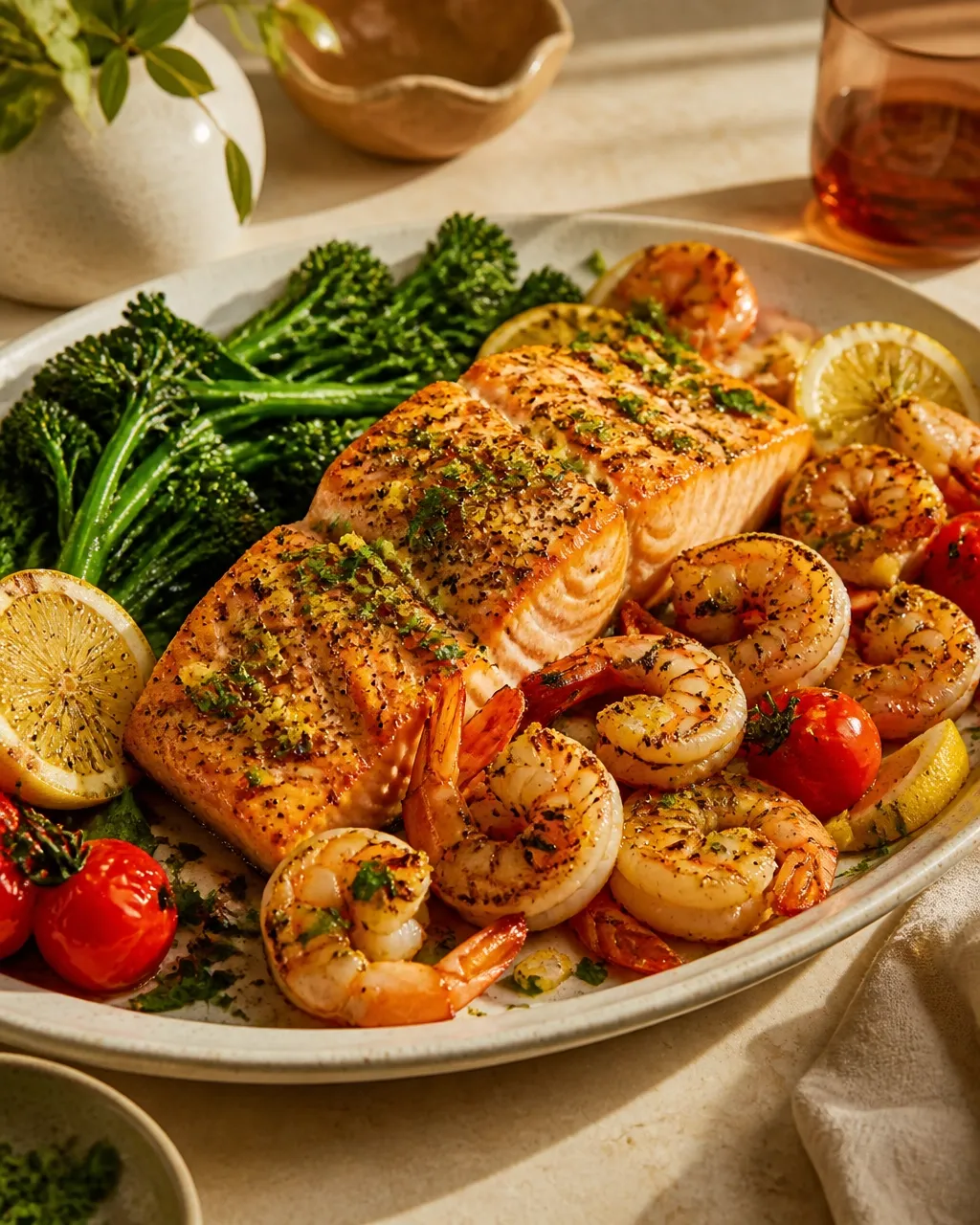
This is the part of dinner where a plain salmon fillet turns into the kind of thing people hover over in the kitchen pretending they are “just checking in.” The magic is not random. It is a neat little chain reaction of heat, sugar, fat, moisture control, and timing.
Start with the sear. When salmon hits a properly hot pan, the surface proteins and natural sugars begin going through the Maillard reaction. That is the browning process responsible for those deep, savoury, almost nutty notes that make pan-seared food taste far more complex than boiled or steamed food ever could. It is not just about colour. Browning changes flavour in a big way, creating the rich, roasty taste that gives salmon more personality.
Salmon is especially good at this because it is naturally packed with fat. That fat helps conduct heat, keeps the fish tender, and creates a luxurious texture even when the outside gets a little crisp. Compared with leaner proteins, salmon is forgiving, which is one reason it shows up so often in healthy dinner ideas. It cooks quickly, tastes rich, and does not need much fussing to feel restaurant-worthy.
Now let’s talk honey, which is doing much more than making things sweet. Honey contains natural sugars that caramelize fast when they meet heat. Caramelization is different from the Maillard reaction, but the two work together beautifully in a hot pan. The Maillard reaction builds savoury depth on the salmon itself, while the honey darkens, thickens, and develops toasty, bittersweet notes around it. That is why the sauce goes from “nice” to “ridiculously good” in what feels like 45 seconds. Honey also has a sticky viscosity that helps it cling to the fish instead of sliding off and abandoning the mission.
Garlic enters the chat as the flavour amplifier. Raw garlic can be sharp and a little bossy, but once it warms in butter or pan fat, its aromatic compounds mellow and bloom. This is one of my favourite kitchen transformations because the flavour goes from punchy to rounded almost immediately. Fat acts like a delivery system for those garlic compounds, carrying them across the whole sauce so every bite tastes fuller. Butter in particular softens the harsher edges and gives garlic that cozy, rich aroma that makes the kitchen smell like you know exactly what you’re doing.
There is also a balancing act happening in the pan. Salmon contains water, and water is the enemy of a good sear if it hangs around too long. That is why dry surfaces matter. Less exterior moisture means better contact with the hot pan, and better contact means stronger browning. Once the fish is seared, the sauce can move in without sabotaging the crust. This order matters more than people think. If the honey goes in too early, it risks scorching before the fish gets colour. If the garlic cooks too long on aggressive heat, it can turn bitter and ruin the whole vibe.
The real charm of this dish is that it feels indulgent while still fitting into the practical universe of air fryer recipes dinner, quick stovetop fixes, and other weeknight shortcuts. It has the flavour drama of something slow-cooked, but the science says otherwise. High heat creates contrast fast: crisp edges, tender centre, sticky glaze, aromatic butter, and just enough sweet-salty balance to keep the whole thing from feeling flat.
That is why this combination works so well. Honey brings shine and caramel depth, garlic delivers savoury warmth, butter blooms the aromatics, and salmon gives you the perfect fatty, fast-cooking canvas. For my blog, this is exactly the kind of meal science I can get behind: minimal effort, maximum payoff, and just enough kitchen chemistry to make me feel clever while dinner happens.
Salmon Remix: Variations & Glaze Tweaks
Once you understand why the basic version works, it gets very easy to start tinkering without wrecking dinner. If you like a little heat, chili flakes or a spoonful of something punchy can wake up the sweetness of the honey and stop the sauce from leaning too cosy. Sweet and spicy is one of those combinations that makes people think you have secret chef instincts, when really you just know sugar loves a bit of drama.
Citrus is another easy switch. Lemon is classic because it cuts through the richness and brightens the salmon, but lime gives the sauce a sharper edge, and orange makes it rounder and slightly sweeter. I like this kind of swap because it changes the personality of the dish without changing the basic formula. It still feels like one of those quick family meals, just wearing a different jacket.
If you want the sauce a little creamier, a small splash of cream or a knob of extra butter can smooth everything out and give it a silkier finish. The trick is not to turn it into a heavy blanket. You still want that glossy, clingy texture rather than a thick, sleepy sauce.
You can also play with the savoury side. A deeper soy note, a little mustard, or even a whisper of ginger can make the glaze feel more layered. This flexibility is exactly why salmon keeps showing up in healthy dinner ideas and air fryer recipes dinner roundups. It adapts well, cooks fast, and somehow remains the overachiever of the protein world.
The Perfect Partner: What to Serve Alongside
The best sides here are the ones that understand the assignment: catch the sauce, balance the richness, and stay out of the salmon’s spotlight. Rice is the obvious overachiever because it soaks up every glossy drop and turns the whole plate into something deeply comforting. Any grain with a bit of chew works nicely too, especially if you want dinner to feel a little more substantial.
On the greener side, crisp vegetables are the smart move. Crunchy greens, lightly dressed salads, or anything with bite helps offset the sweet-savory glaze. You want contrast, not competition. Something fresh and sharp keeps the meal from feeling too sticky or too rich, especially if you are aiming for healthy dinner ideas that still taste fun.
Roasted or sautéed vegetables also make sense, especially the kind that can handle a bit of sauce without going limp and tragic. On my blog, I always think of side dishes as support staff. Their job is to make the salmon look even better, and maybe catch the extra glaze before I shamelessly swipe it with a fork.
Salmon Secrets: Frequently Asked Questions
Is skin-on or skinless salmon better for this?
Skin-on is usually my pick if I have the choice. The skin acts like a little protective layer between the hot pan and the delicate flesh, which can make the fish easier to cook without drying it out. It also crisps up beautifully if the pan is hot enough, which is never a bad thing. Skinless still works just fine, but it can be a bit more delicate and easier to overcook.
How do I know when salmon is overcooked?
Overcooked salmon tends to go from silky and tender to dry, chalky, and mildly disappointing. The flesh becomes more firm than flaky, and those lovely natural juices start disappearing. Salmon keeps cooking a bit after it leaves the heat, so if you wait for it to look completely “done” in the pan, you may already be too late. I like to think of it as a race against stubbornness: pull it early and trust carryover cooking.
Why does my glaze burn so fast?
Honey is full of natural sugars, which means it can go from glossy to scorched in a hurry if the heat is too aggressive. Garlic can also burn quickly, and burnt garlic has the emotional energy of a ruined group project. The answer is usually better timing. Get your sear first, then let the sauce reduce briefly rather than simmering forever.
Can I reheat leftover salmon?
Yes, but gently. Salmon is not thrilled by aggressive reheating. Low heat works better than blasting it into oblivion. If there is extra sauce, that helps a lot because it adds moisture and gives the fish a fighting chance. Reheated salmon will never be quite as glorious as it was fresh from the pan, but it can still be very good.
Is this good for weeknights?
Absolutely. This is one of those meals that feels a lot fancier than the effort involved. That is probably why it keeps landing in conversations about quick family meals, healthy dinner ideas, and even air fryer recipes dinner inspiration, even when I still think the pan-seared version is the real star. On my blog, that is the sweet spot: fast enough for a Tuesday, tasty enough that nobody feels like they settled.
Final verdict
This honey garlic salmon is exactly the kind of weeknight dinner I keep in my back pocket for evenings when time is short but I still want food with a bit of swagger.
It is fast, glossy, full of contrast, and built on kitchen science that actually works in your favour. In other words, the dream.
Sticky sauce, crisp edges, tender salmon, and very little chaos. That is my kind of dinner.