Recipe
Servings
Servings 1×
Ingredients
- Pork
- Quinoa
- Asparagus
- Apple
- Garlic
- Lemon
- Honey
- Mustard
- Cream
- Butter
- Cooking oil
- Salt
- Black pepper
Method
- Let’s be honest: pork chops are the misunderstood middle child of the meat world.
- Use a light dusting of cornstarch on your pork chops before they hit the pan.
- Use a paper towel to remove every drop of surface moisture before you apply the starch.
- Start with a high-heat sear to lock in that initial Maillard crust, but lower the temperature immediately before adding the honey mustard mixture.
- Use a heavy-bottomed skillet, preferably cast iron or stainless steel.
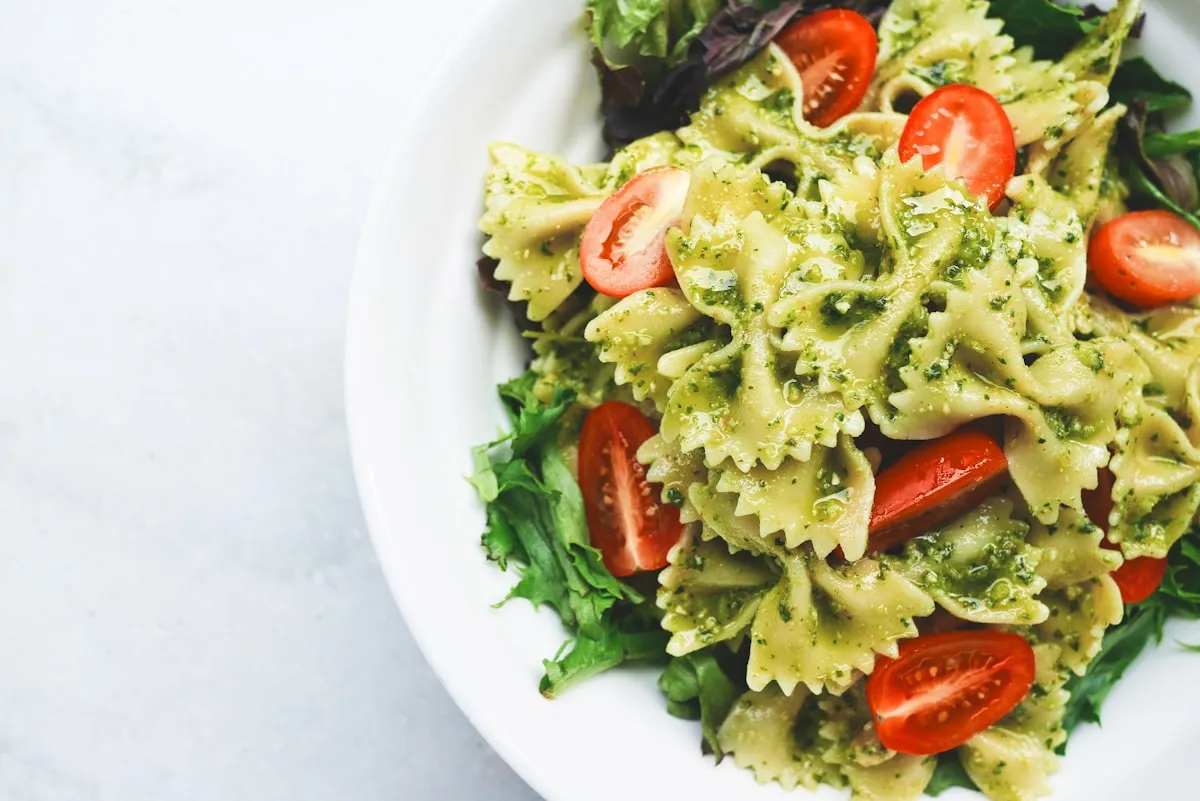
Let’s be honest: pork chops are the misunderstood middle child of the meat world. One minute they’re juicy and perfect, and the next, they’ve turned into a dry, sad piece of leather that requires a chainsaw to cut. I’ve spent way too many weeknights chewing through overcooked chops to let you make the same mistakes. This recipe is my secret weapon for quick family meals because it uses two heavy-hitting scientific tricks to guarantee tenderness and flavor in just twenty minutes. We’re talking about a sweet, tangy glaze and meat that actually yields to a fork.
The Science of Silk: Why You Should Velvet Your Pork
If you’ve ever wondered why the meat in your favorite takeout stir-fry is so impossibly tender, you’ve met the magic of velveting. While usually an Asian culinary technique, I’ve adapted it for my pan-seared recipes because the logic is sound regardless of the cuisine. When you velvet meat, you’re typically using a starch (like cornstarch) or an alkaline agent (like baking soda) to alter the protein structure.
Use a light dusting of cornstarch on your pork chops before they hit the pan. This starch serves two purposes. First, it acts as a physical barrier. It absorbs any excess surface moisture and creates a microscopic "shield" that prevents the muscle fibers from tightening up and squeezing out all their juices the moment they touch the heat. Second, that starch creates a rougher surface area that allows our honey mustard sauce to cling to the meat rather than sliding right off into the pan.
Avoid skipping the pat-dry step. Use a paper towel to remove every drop of surface moisture before you apply the starch. If the meat is wet, the cornstarch will turn into a gummy paste instead of a fine coating. Check the edges of your chops, you want a thin, even veil of starch, not a breading. This is the foundation for creating healthy dinner ideas that don't sacrifice texture for speed.
Mastering the Maillard Reaction and the Glaze
The beautiful mahogany crust on a perfect pork chop isn't just "browning"; it’s the Maillard reaction in action. This is the chemical reaction between amino acids and reducing sugars that gives browned food its distinctive, savory flavor. However, when we introduce honey into the mix, we are playing with fire, literally. Honey is packed with sugar, which caramelizes much faster than the meat browns.
To master this, manage your heat like a pro. Start with a high-heat sear to lock in that initial Maillard crust, but lower the temperature immediately before adding the honey mustard mixture. If the pan is screaming hot when the honey hits, it will burn and turn bitter before the pork reaches its safe internal temperature. Aim for a bubbling, syrupy consistency.
Use a heavy-bottomed skillet, preferably cast iron or stainless steel. These materials hold heat more evenly than thin non-stick pans, ensuring that every inch of the pork chop gets that gorgeous golden hue. If you're looking for more ways to get that perfect sear without the stovetop mess, check out our guide on kielbasa pierogi air fryer roasts for more hands-off inspiration.
Tangy Twists: Flavor Variations
Once you’ve mastered the base technique, you can start playing with the balance of acidity and sweetness. The classic honey mustard relies on the sharp bite of vinegar and mustard seeds to cut through the richness of the pork. If you want something with more of a kick, swap half the Dijon mustard for spicy brown mustard or add a pinch of cayenne pepper.
For a more floral, sophisticated profile, use a high-quality clover honey and add a teaspoon of freshly chopped rosemary. The piney notes of the rosemary pair beautifully with the natural sweetness of the pork. If you’re looking to lean into the "sweet and savory" vibe, a splash of apple cider vinegar in the glaze will provide a bright pop of acidity that cleanses the palate between bites.
If you’re a fan of the "set it and forget it" lifestyle, you can actually adapt this glaze for air fryer recipes dinner nights. The circulating air does a fantastic job of caramelizing the honey, though you'll miss out on the specific texture that velveting in a pan provides. If you go the air fryer route, keep a close eye on the chops, as the sugars in the honey can go from "perfectly charred" to "burnt" in a matter of sixty seconds.
Perfect Pairings: Balancing the Plate
A rich, glazed main dish needs a side that offers contrast. I usually reach for something with high acidity or a crisp texture to balance out the sticky, sweet pork. A simple arugula salad with a lemon vinaigrette is my go-to; the peppery greens and sharp lemon juice cut right through the honey mustard.
If you want something heartier, roasted seasonal vegetables are a great choice. Think Brussels sprouts or asparagus tossed in olive oil and sea salt. The char from the oven complements the caramelization on the pork. If you’re in a rush and need a carb, a quick batch of quinoa or even some viral garlic butter ramen can act as a delicious sponge for any extra glaze that wanders across the plate.
For a truly balanced meal, ensure at least half your plate is covered in green. This keeps the meal feeling light and falls right in line with the best healthy dinner ideas for busy professionals. Avoid heavy, cream-based sides here; they’ll compete with the glaze and leave you feeling sluggish.
FAQ: Solving the "Tough Chop" Mystery
Why did my glaze turn into a sticky, burnt mess?
Science says: you likely didn't lower your heat. Honey contains fructose and glucose, which begin to caramelize at around 320°F (160°C). If your pan is still at searing temperature (closer to 400°F), the sugar will skip caramelization and go straight to carbonization (burning). Always deglaze with a little water or broth before adding the honey to drop the surface temperature of the pan.
Can I use bone-in pork chops instead of boneless?
Absolutely. In fact, bone-in chops are often more flavorful and less prone to drying out because the bone insulates the meat. However, they will take about 2-4 minutes longer to cook. Use a meat thermometer to ensure they reach an internal temperature of 145°F (63°C), and always let them rest for five minutes before cutting.
What if I don't have cornstarch for velveting?
You can use arrowroot powder or even a very light dusting of all-purpose flour in a pinch. The goal is to create that moisture barrier. If you skip it entirely, your chops will still be good, but they won't have that "velvety" restaurant-style mouthfeel.
Is this recipe suitable for meal prep?
Yes, but with a warning. Reheating pork can often make it tough. If you're planning to eat this the next day, undercook the pork by about 5 degrees. When you microwave it, the carry-over cooking will bring it to the perfect temperature without turning it into a hockey puck.
My sauce is too thin, how do I fix it?
Check your simmering time. If the sauce is runny, it just needs another minute or two of heat to evaporate the water content. The cornstarch on the meat will also help thicken the sauce as it mingles in the pan, but if it's still too thin, a tiny slurry of cornstarch and water will fix it instantly.
What's the best way to clean my pan after the sticky glaze?
Don't let the pan cool down completely with the glaze inside! While the pan is still warm, add a cup of water and bring it to a boil. The heat will dissolve the hardened sugar, making cleanup a breeze. If you're looking for more low-maintenance cleanup options, our one-basket air fryer meals are practically designed for easy nights.