Recipe
Servings
4 servings 1×
Serves 4Prep 5 minCook 10 minTotal 15 min
Nutrition per serving
Ingredients
- 500 g chicken breast cut into 1-inch cubes
- 2 tbsp cornstarch
- 1 tbsp vegetable oil for frying
- 1/4 cup honey
- 3 tbsp soy sauce low sodium
- 1 tbsp ketchup
- 1 tsp sesame oil toasted
- 2 cloves garlic minced
Method
- Toss the cubed chicken with cornstarch, salt, and pepper until lightly coated.
- Whisk honey, soy sauce, ketchup, sesame oil, and minced garlic in a small bowl.
- Heat oil in a large skillet.
- Fry chicken until golden brown and cooked through.
- Pour the sauce over the chicken and toss for 1-2 minutes until thick and glossy.
- Garnish with sesame seeds and sliced green onions; serve immediately.
Intro
Some dinners feel like a full-time job. Honey sesame chicken is not one of them. It lands in that sweet spot between takeaway-style comfort and weeknight practicality, which is probably why it keeps turning up on tables when people need food fast and morale faster.
What makes it so appealing is not just the flavour. It is the structure of the dish itself. You have browned chicken, a sauce that clings instead of puddles, nutty sesame notes, and a sweet-salty balance that hits the brain like a tiny round of applause. It feels indulgent, but it also fits neatly into the category of quick family meals because the flavour payoff is way bigger than the effort it usually demands.
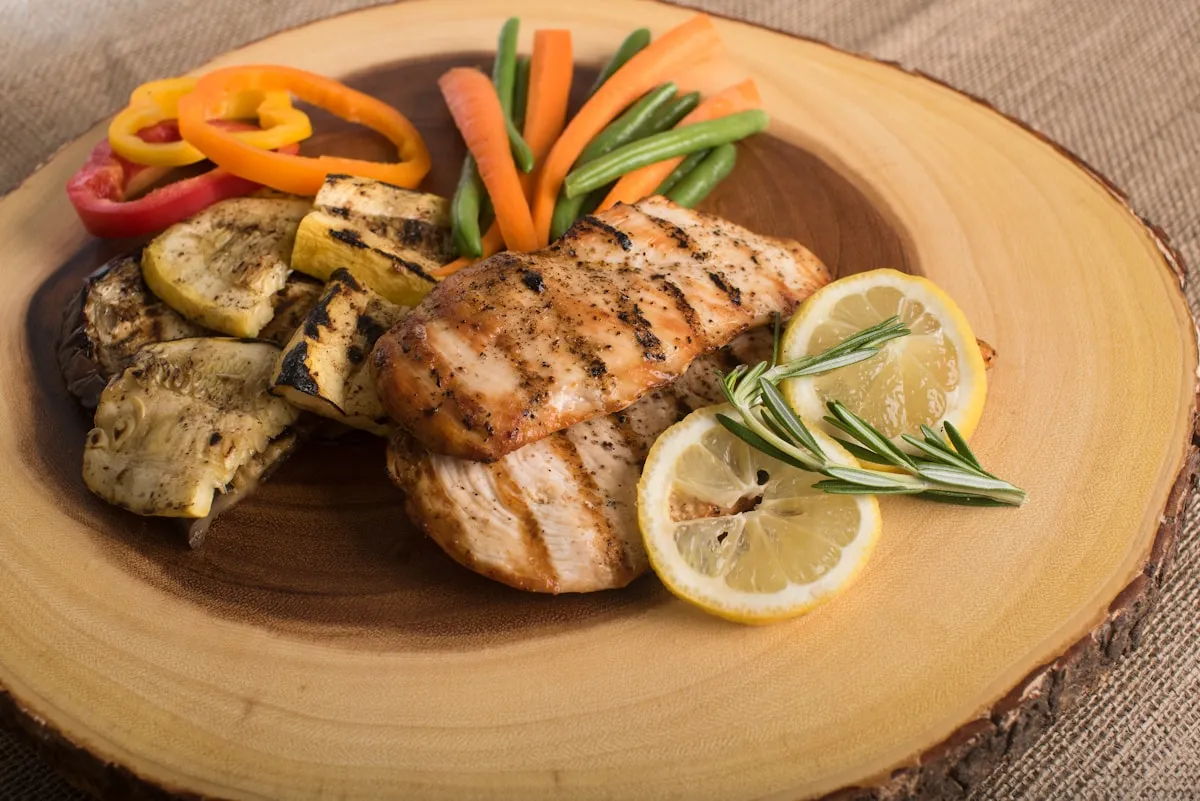
At its best, honey sesame chicken is really a story about controlled chemistry. The chicken develops flavour through browning. The sauce becomes shiny because sugar, water, protein, and starch all start behaving like a tiny edible engineering project. The sesame adds aroma compounds that make everything smell richer than it actually is. In other words, this is not magic. It just tastes like it.
There is also a reason the dish feels so satisfying compared with a randomly sweet stir-fry. Honey brings more than sweetness. It contains sugars that brown quickly, draws in moisture from the air, and helps create that sticky finish people usually describe as “restaurant-style” when what they really mean is “I would like this on a large plate immediately.”
The texture matters just as much as the flavour. A light starch coating on the chicken creates a dry exterior that can brown more efficiently, while also forming microscopic roughness that gives sauce something to grip onto. Smooth chicken plus thin sauce equals sadness. Slightly craggy chicken plus glossy coating equals dinner success.
That glossy coating is worth pausing on, because shine in food is not just vanity. A shiny sauce usually signals the right balance of viscosity and emulsification. Light reflects more evenly off a smooth, slightly thickened surface, which is why glossy sauces look so appealing. Your eyes get excited before your fork even clocks in.
For anyone looking at healthy dinner ideas, honey sesame chicken also sits in an interesting middle ground. It is not salad pretending to be dinner, and it is not deep-fried chaos either. The dish can feel balanced when the sweetness is kept in check, the sauce is not overbuilt, and it is paired with rice or vegetables that do not compete with it.
Tips & Technique
The biggest flavour engine in honey sesame chicken is the Maillard reaction. That is the set of browning reactions that happen when proteins and sugars meet heat and create hundreds of new flavour compounds. It is why browned chicken tastes deeper, toast tastes better than plain bread, and beige food becomes dramatically less boring the moment it picks up colour.
This is also why surface moisture is such a troublemaker. If the chicken is wet, the pan spends too much time steaming that moisture away before browning can begin properly. Browning likes high heat and a relatively dry surface. Steam likes to ruin the plan. A light starch coating helps by absorbing some exterior moisture and encouraging a faster transition from pale to golden.
Honey behaves differently from plain sugar because it is already a concentrated syrup with a mix of fructose and glucose. Fructose browns at a lower temperature than sucrose, which means honey can move quickly from glossy and lovely to dark and slightly bitter if the heat gets too enthusiastic. It is basically the overachiever of sweeteners: impressive, useful, and a bit dramatic.
Soy sauce brings more than salt. It contributes glutamates, which boost savouriness, and it contains its own set of fermented flavour compounds that add depth. When honey and soy meet, you get contrast: sweetness up front, savoury depth underneath, and enough complexity to stop the sauce tasting flat. Sesame oil then arrives like a strong personality in a small room. A little goes a long way because its roasted aroma compounds are potent and very noticeable.
Garlic adds sulphur compounds that become sweeter and rounder with cooking, while sesame seeds add crunch and a toasted, nutty finish. Even ketchup, in versions that use it, has a job beyond nostalgia. It can provide acidity, sweetness, pectin, and tomato richness, all of which help round out the sauce. It is less random than it looks.
Now for the physics of glossy sauces, because yes, dinner can absolutely have physics. A glossy sauce usually depends on the right concentration of dissolved sugars and suspended starches. As water evaporates, the sauce thickens. As starch swells and disperses, it increases viscosity. As the sauce becomes smoother and more uniform, it reflects light more evenly. That is the shine. It is not a beauty filter. It is structure.
Too thin, and the sauce slides off. Too thick, and it turns tacky, heavy, and weirdly aggressive. The ideal version coats the chicken in a thin, clingy film. That happens when the sauce reaches a point where it can flow, but slowly. Think silk robe, not wallpaper paste.
Pan temperature matters here too. If the heat is too low, the chicken releases moisture and the coating softens before browning well. If the heat is too high, the sugars in the sauce can scorch before everything comes together. The best honey sesame chicken is usually built in stages: first flavour from browning, then control from sauce reduction. It is less “throw it all in and hope” and more “tiny edible science lab, but with less paperwork.”
This is also why the dish works so well for quick family meals. It relies on a few high-impact reactions rather than a long cooking time. You are not waiting hours for complexity to develop. The complexity shows up quickly because browning, reduction, and aroma release are doing a lot of heavy lifting in a short window.
Variations
Honey sesame chicken has enough built-in flexibility to handle a few detours without losing its identity. Swap the cut of chicken and you change the outcome immediately. Thigh meat usually brings more fat and more margin for error, which means richer flavour and juicier results. Breast meat leans cleaner and firmer, though it has a narrower window between perfect and “why is this suddenly chewing back.”
If you add heat, the whole profile changes. Chilli flakes, fresh chilli, or a spoonful of something fiery can make the sweetness feel less dominant. Capsaicin does not actually lower sugar content, obviously, but it changes your perception of balance. Your mouth gets distracted in the best possible way.
Acid is another useful lever. A little brightness from citrus or vinegar can cut through the richness and make the sauce feel lighter. This is especially helpful if the honey comes on strong. Sweetness without acidity can feel heavy. Sweetness with a little sharpness feels awake.
There are also texture variations worth mentioning. Some versions lean heavily into crispness, while others go for tenderness and sauce coverage. Neither is wrong. Crispy pieces create more surface area and more crunch, which means more dramatic contrast against the sticky glaze-like coating. Softer pieces absorb flavour more evenly and can feel a bit more comforting. It depends whether you want crunch or cuddle.
For people browsing healthy dinner ideas, there is room to shift the profile without ruining the spirit of the dish. Lighter sauce coverage, a stronger savoury balance, or serving it with plenty of vegetables can all make the meal feel more balanced. The trick is to preserve contrast: sweet, salty, nutty, and savoury all need to show up, or the dish loses its point.
You can also push the sesame element further. Toasted seeds add texture, but a touch too many can make the finish feel dusty rather than nutty. Sesame flavour works best when it frames the honey and soy rather than trying to dominate them. Think backup singer with incredible harmonies, not lead vocalist taking the mic hostage.
Side Dishes
Honey sesame chicken does best with side dishes that know their role. Rice is the obvious classic because it absorbs extra sauce without fighting for attention. Its mild starchiness acts like a neutral stage for all that sweet-savoury shine. Jasmine rice brings aroma, while plain long-grain keeps things simple and functional.
Noodles work if you want a slurpier, saucier experience, though they can compete a bit more for sauce. The advantage is surface area. More sauce distribution means every bite feels integrated rather than separate. The slight downside is that noodles can steal the spotlight if the sauce ratio gets out of hand.
Vegetables are where the meal becomes more balanced and honestly more interesting. Broccoli, green beans, pak choi, or snap peas add bitterness, freshness, and structural contrast. Since honey sesame chicken is rich and glossy, crisp vegetables provide relief. They stop the meal from becoming one long sweet-savoury monologue.
If you want to think about side dishes scientifically, the goal is contrast. Soft plus crisp. Rich plus fresh. Sticky plus plain. This is the same reason pickled vegetables or a sharp cucumber salad can work surprisingly well alongside it. Acid and crunch reset the palate, so the main dish keeps tasting exciting instead of exhausting halfway through.
FAQ
Why does honey sesame chicken taste so satisfying?
Because it stacks several rewarding sensations at once: sweetness, saltiness, umami, aroma, and texture. Your brain loves contrast, and this dish delivers plenty of it in a very compact format.
What creates the browning on the chicken?
The Maillard reaction. When proteins and sugars are exposed to enough heat, they form new compounds that taste roasted, savoury, and complex. It is one of the main reasons properly browned chicken tastes dramatically better than pale chicken.
Why is the sauce glossy?
Gloss comes from a combination of thickness and smoothness. As the sauce reduces, sugars concentrate, starch can help with viscosity, and the surface becomes better at reflecting light. A glossy sauce is basically a sign that the structure is doing what it should.
Can honey burn easily?
Yes, and it likes to remind people of that. Honey contains sugars that brown quickly, especially fructose, so it can move from shiny to scorched faster than expected if heat is not controlled.
Why use sesame in a dish like this?
Sesame contributes aroma as much as flavour. Toasted sesame seeds and sesame oil contain roasted, nutty compounds that make the whole dish smell fuller and richer. Smell does a huge amount of the work in how we experience taste.
Is honey sesame chicken a good option for busy evenings?
Absolutely. It is one of those dishes that feels bigger and bolder than the time it usually takes, which is exactly why it stays popular. The flavour develops quickly thanks to browning, reduction, and a sauce with strong contrast.
How does it fit into healthy dinner ideas?
It can fit nicely when the sweetness is balanced, the sauce is used with a bit of restraint, and it is paired with vegetables or simple grains. It is satisfying enough to feel comforting without automatically tipping into heavy territory.
Why does sauce sometimes refuse to cling to the chicken?
Usually because the surface is too wet, too smooth, or the sauce is too thin. Good cling comes from texture on the chicken and enough viscosity in the sauce to form a light coating instead of a runny puddle.
Final Thoughts
Honey sesame chicken is proof that a weeknight dinner can be both comforting and scientifically interesting. Beneath the sticky sweetness and sesame finish, there is a lot going on: browning reactions, moisture control, sugar concentration, aroma chemistry, and the oddly satisfying physics of shine.
That is probably why it keeps earning a place in the dinner rotation. It tastes familiar, but it is built on a handful of clever reactions working together at the right moment. Casual on the plate, serious under the hood.
And honestly, any dinner that can pull off crispy edges, deep savoury notes, and a glossy sauce without acting smug about it deserves some respect.