Recipe
Servings
2 plates 1×
Serves 2 platesPrep 5 minCook 15 minTotal 20 min
Nutrition per serving
Ingredients
- 2 fillets salmon
- 2 tbsp Dijon mustard
Method
- Apply glaze and roast at 400°F for 12 minutes.
- Steam broccoli for exactly 4 minutes to preserve chlorophyll.
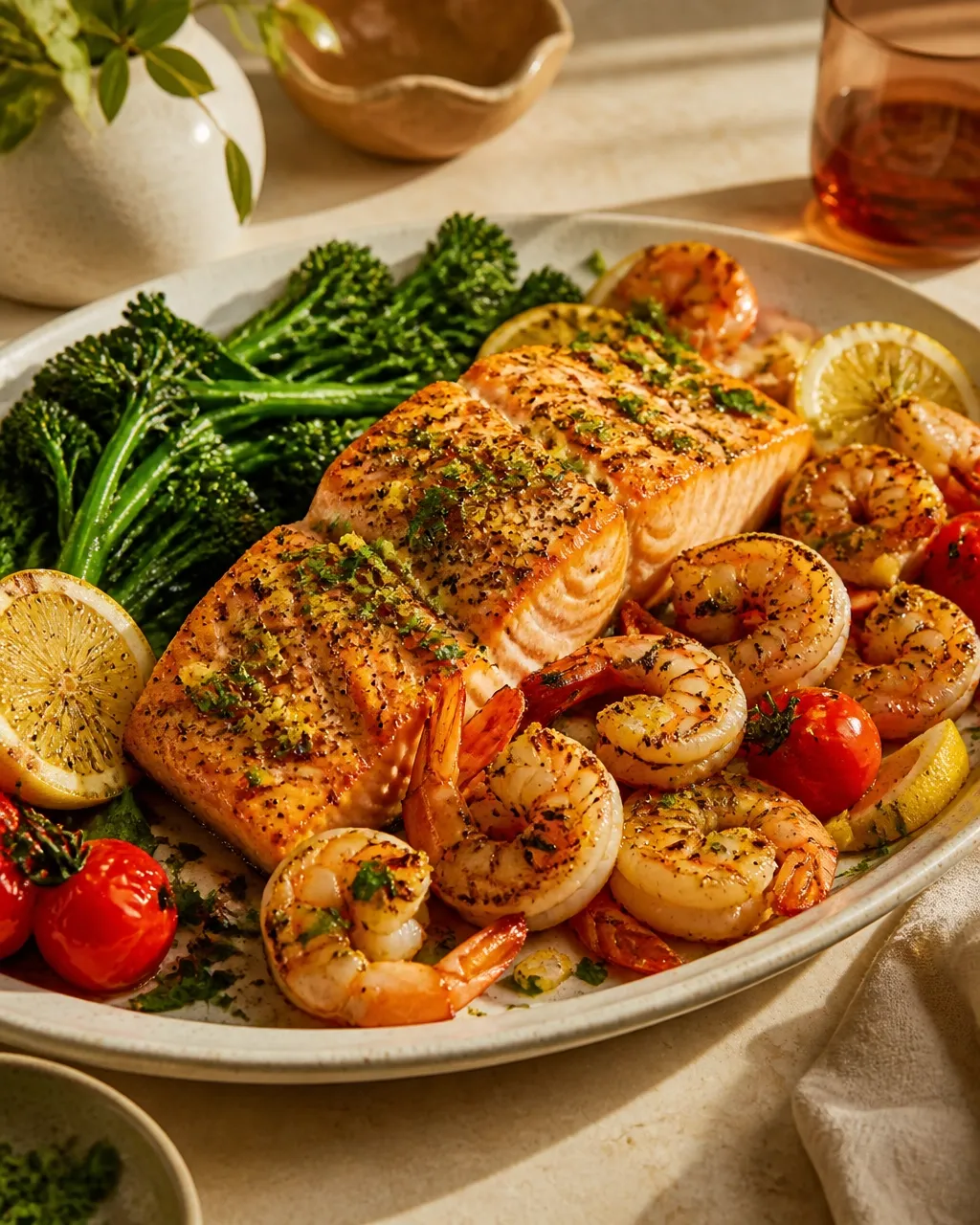
Ever wonder why your oven struggles to get that perfect “bark” on salmon without turning the middle into a dry eraser? Welcome to my blog, where I stop you from committing seafood crimes. Today, we aren’t just making dinner; we’re weaponizing thermodynamics. These honey sriracha salmon bites are the gold standard for air fryer recipes dinner enthusiasts who want high-impact flavor with zero drama. By understanding how air moves, you’ll turn simple fish into caramelized gold.
The Science of the “Sizzle”: Why Convection Rules
The air fryer is essentially a high-speed wind tunnel for your kitchen. Unlike a traditional oven, which relies on stagnant hot air, an air fryer uses forced convection. This matters for salmon because you are fighting two clocks: the Maillard reaction (the browning) and the moisture loss of the delicate fats.
To get that elite texture, you need to master the air-to-surface-area ratio. When you cut salmon into small cubes, you increase the surface area exposed to that rushing hot air. This allows the heat to hit the proteins and sugars simultaneously from every angle. Use a light coating of oil to act as a heat conductor; it helps the hot air transfer its energy to the fish faster than air alone could.
Mastering the Maillard Reaction
The Maillard reaction is that beautiful chemical dance between amino acids and reducing sugars. In this case, the honey provides the sugar, and the salmon provides the protein. Because the air fryer circulates heat so efficiently, it evaporates surface moisture almost instantly. This is crucial because the Maillard reaction won’t truly begin until the water is gone. Avoid overcrowding the basket. If the pieces touch, they create “steam zones” where the air can’t reach. Steam is the enemy of the crunch. Check that every cube has at least half an inch of “breathing room” to ensure the air velocity stays high enough to crisp the exterior before the interior overcooks.
Sugar and Heat: The Caramelization Curve
Honey is a complex beast in the air fryer. Because it’s high in fructose and glucose, it caramelizes at a lower temperature than table sugar, around 320°F (160°C). Since most healthy dinner ideas involving salmon use higher temperatures, the honey will darken and thicken quickly. This creates a “shell” that traps the juices inside the fish. Adjust your temperature if you notice the edges darkening too fast; a slight reduction in heat can save the flavor from turning bitter.
The Physics of Uniformity
Cut your salmon into identical cubes. Physics doesn’t care about your hunger; it only cares about mass. A larger cube will still be raw in the center when a smaller cube is already scorched. Use a sharp knife to ensure clean edges, which help the glaze “climb” and coat the surface evenly through capillary action. Ensure your salmon is at room temperature before it hits the heat. A cold center will force you to cook the exterior longer than necessary, leading to a tough, rubbery bite.
Flavor Physics: Exploring Variations
If you’ve mastered the heat, you can start playing with the chemistry of the glaze. The honey sriracha base is a classic “sweet and heat” combo, but there are dozens of ways to pivot this for variety in your quick family meals rotation.
- The Umami Bomb (Miso-Maple): Replace the sriracha and honey with white miso paste and maple syrup. Miso contains fermented proteins that accelerate the Maillard reaction, giving you an even deeper, darker crust and a savory profile that cuts through the fatty salmon.
- The Citrus Acid-Trip: Use agave and lime juice instead. The citric acid acts as a tenderizer, breaking down some of the surface proteins before the heat even hits them. This creates a lighter, “zingier” bite that feels incredibly fresh. Garnish with fresh cilantro to add a bright floral note.
- The Garlic-Soy Crunch: Use brown sugar and a heavy dose of garlic powder. Garlic powder, unlike fresh minced garlic, won’t burn as easily in the high-velocity air. It creates a grainy, savory crust that pairs perfectly with the molasses notes in brown sugar.
Perfect Pairings: Balancing the Plate
When you have a dish that is high in sugar (honey) and fat (salmon), your side dishes need to provide “structural integrity” through acidity and crunch. You want to cut through the richness, not add to it.
A bowl of steamed jasmine rice is the obvious “absorbent” choice, it acts as a sponge for any leftover spicy glaze. However, to keep things balanced, I recommend a side of quick-pickled cucumbers or radishes. The vinegar provides an acidic punch that resets your palate after each rich, buttery bite of salmon. If you want to keep the “convection theme” going, throw some bok choy or snap peas into the air fryer for the last few minutes. The high heat will blister the greens, adding a smoky depth that complements the sriracha’s fermented heat. Check out more quick meal categories for pairing inspiration.
FAQ: Solving the Air Fryer Mysteries
Can I use frozen salmon for this?
Technically, yes, but physics says don’t do it. Frozen salmon contains significantly more internal moisture. As it thaws in the high heat of the air fryer, it will release steam. As we’ve discussed, steam is the mortal enemy of caramelization. If you must use frozen, thaw it completely in the fridge and pat it bone-dry with paper towels. Any surface moisture will prevent that honey-sriracha shell from forming.
Why is my air fryer smoking?
If your air fryer starts looking like a steam engine, it’s likely the honey or fat drippings hitting the heating element or the bottom of the tray. This usually happens if the temperature is too high or if the marinade is too thin. Use a parchment liner designed for air fryers (the ones with holes) to help catch excess glaze while still allowing air to circulate. Alternatively, place a slice of bread in the bottom of the basket to soak up any rendered fat before it can smoke.
Does the type of salmon matter?
For bites, I prefer Atlantic salmon because of its higher fat content. Fat is a flavor carrier. Sockeye or Coho are leaner and can dry out much faster in a convection environment. If you use a leaner fish, reduce your cooking time by about 20% to avoid “salmon jerky.”
How do I stop the skin from sticking?
If you’re keeping the skin on, always place the salmon skin-side down first. The skin acts as a heat shield for the delicate flesh. However, for bites, I usually recommend skinless to maximize the surface area for that glorious honey-sriracha glaze. If you love the skin, air fry it separately to make “salmon chips”: the ultimate snack.
Is it really a healthy dinner idea if it has honey?
Yes! Compared to deep-frying or heavy cream sauces, a small amount of honey and sriracha provides a massive flavor payoff for very few calories. You’re getting heart-healthy Omega-3s and high-quality protein without the mess of a traditional fry-up. For more air fryer dinners, keep an eye on my latest posts.
How do I know when they are done?
The “flake test” is your best friend. Press down on a cube with a fork; if the layers of the fish begin to separate (flake) easily, it’s done. The internal temperature should hit 145°F (63°C), but remember that “carryover cooking” is real. The salmon will continue to cook for a minute after you pull it out of the basket, so pull it just a hair early for the juiciest results.