Recipe
Servings
Servings 1×
Ingredients
- Chicken
- Shrimp
- Rice
- Tortillas
- Cauliflower
- Greens
- Cucumber
- Onion
- Mustard
- Blue cheese
- Butter
- Chili seasoning
Method
- Prepare the ingredients described in the article and heat the cooking surface or oven as directed.
- Cook the main ingredients using the heat and timing guidance in the article.
- Finish with the seasonings and garnishes named in the article, then serve.
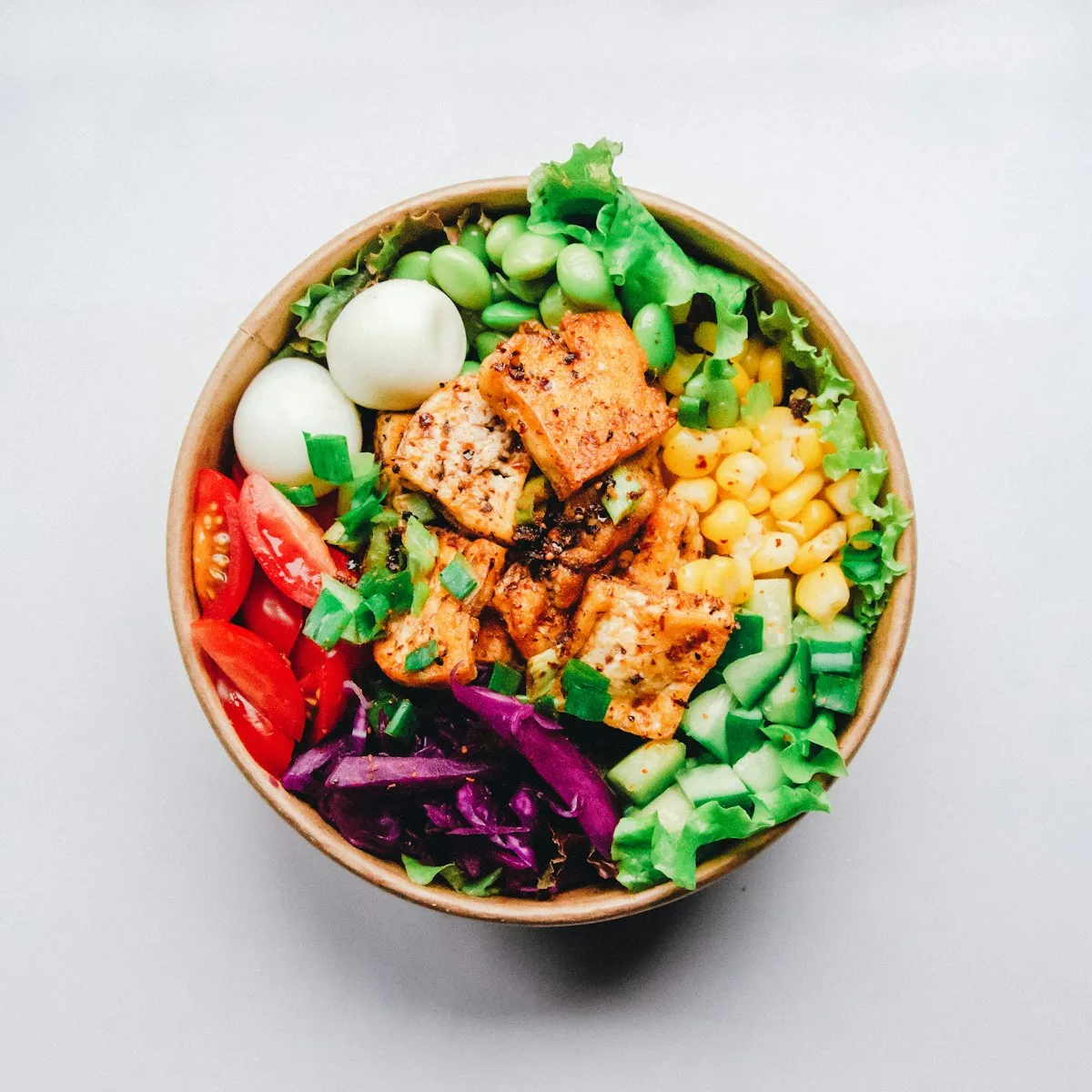
Let’s be honest: buffalo wings are a lifestyle, but the sticky fingers and high-carb breading? Not so much. When you’re hunting for healthy dinner ideas that don't feel like a sacrifice, these Keto Buffalo Chicken Lettuce Wraps are your new best friend. You get all that spicy, buttery satisfaction with a crunch that’ll make you forget tortillas even exist. It’s soulful, it’s zesty, and it’s the ultimate low-carb win for your weeknight rotation.
The Science of the Perfect Crunch and Emulsion
Cooking is just edible chemistry, and getting these wraps right depends on two scientific pillars: turgor pressure and emulsification. If your lettuce is limp or your buffalo sauce is a greasy mess, you’ve missed the mark. Let’s fix that.
First, let’s talk about the sauce. A great buffalo sauce is a stable emulsion. This means forcing two liquids that hate each other, butter (fat) and hot sauce (vinegar/water), to play nice. If you just toss them in a pan, they’ll separate into an oily orange puddle. To achieve that velvety, restaurant-style coating, you must whisk. Heat your butter until it’s just melted but not boiling (around 140°F is the sweet spot). Slowly stream in your hot sauce while whisking vigorously. The proteins in the butter act as a bridge, holding the vinegar in place. If the sauce breaks, don't panic; whisk in a teaspoon of warm water or a tiny bit of mustard to pull it back together.
Next up: the lettuce. The secret to a wrap that doesn't collapse under the weight of the chicken is turgor pressure. This is the water pressure inside the plant cells that keeps them rigid. For the crispiest "vessels," soak your lettuce leaves in an ice-water bath for ten minutes before serving. This forces water into the cells through osmosis, making the leaves snap when you bite into them. Dry them thoroughly afterward; water is the enemy of sauce adhesion.
When preparing your chicken, aim for moisture retention. If you’re poaching or sautéing, avoid the temptation to cook it until it’s "bulletproof." Chicken breast loses its structural integrity and becomes stringy when overcooked. Aim for a internal temperature of 165°F, then shred it immediately so the sauce can penetrate the fibers while they are still warm and receptive. This results in quick family meals that actually taste like they took hours to prep.
Flavor Profiles and Variation Strategies
Once you’ve mastered the base, you can start playing with the structural balance. The beauty of buffalo chicken is the interplay between heat and acidity. If you find the spice too aggressive, don't just add more butter, add fat in a different form. A drizzle of creamy ranch or a sprinkle of blue cheese crumbles provides a cooling counterpoint that coats the palate and neutralizes the capsaicin burn.
For those who want to pivot away from poultry, shrimp is an excellent alternative. The snappy texture of shrimp provides a fantastic contrast to the crisp lettuce. If you’re leaning into plant-based territory, roasted cauliflower florets work wonders. The nooks and crannies of the cauliflower are scientifically designed (by nature, at least) to hold onto that emulsion you worked so hard on.
You can also experiment with the "wrap" itself. While Romaine is the king of structural integrity, Butter lettuce (or Bibb) offers a softer, more delicate mouthfeel. If you want something with a bit more peppery bite, try using large radicchio leaves. Just remember: the sturdier the leaf, the more filling it can hold without a structural failure. These variations keep your healthy dinner ideas feeling fresh and exciting every week.
Pairing for Balance: Sides That Shine
When serving a dish that’s heavy on spice and fat, your side dishes need to provide high-contrast relief. Think about acidity and brightness. A simple cucumber salad with a light rice vinegar dressing works perfectly because the vinegar cuts through the richness of the butter sauce.
Avoid starchy or heavy sides; the goal here is to keep things light. A cold celery and radish slaw is a classic for a reason. The high water content in the celery acts as a natural palate cleanser. If you’re serving this as part of a larger spread, a bowl of quick-pickled red onions will add a pop of color and a sharp tang that rounds out the earthy, spicy notes of the buffalo seasoning.
Frequently Asked Questions
Can I make the chicken ahead of time?
Absolutely. In fact, the chicken often tastes better after it has sat in the sauce for a few hours. However, do not assemble the wraps until the very last second. If the warm chicken sits on the cold lettuce for too long, it will cause the plant cells to collapse, leading to a soggy wrap. Store the chicken and lettuce separately in the fridge.
What is the best way to reheat the buffalo chicken?
Avoid the microwave if possible, as it can make the chicken rubbery and cause the sauce emulsion to break. Instead, reheat it gently in a skillet over low heat. If the sauce looks a little separated, add a tiny splash of water and stir until it’s glossy again.
Can I use an air fryer for this recipe?
Yes! If you’re looking for air fryer recipes dinner enthusiasts love, you can air fry seasoned chicken thighs or breasts before shredding them. It gives the chicken a slightly charred, crispy exterior that mimics a fried wing without the extra oil. Simply cook at 375°F until the internal temperature is hit, then toss in your sauce.
My lettuce keeps tearing. Help!
Check the direction of the ribs. If you try to fold the lettuce against the grain of the central rib, it will snap. Use the leaves as "boats" rather than trying to roll them like a burrito. Also, ensure you’re using the outer, sturdier leaves for the heavy lifting and save the tender heart for a side salad.
Is this recipe kid-friendly?
Buffalo sauce can be polarizing for the little ones. To make this part of your quick family meals lineup, simply pull some shredded chicken aside before adding the hot sauce. Toss their portion with a little extra butter and a touch of mild BBQ sauce or just a pinch of salt and lime. This way, everyone eats the same base meal without the tear-inducing spice levels.
How do I stop the sauce from being too watery?
This usually happens if the chicken wasn't drained well after cooking or if you used a low-quality hot sauce with too much water content. Stick to a thick, cayenne-based sauce and make sure your butter-to-sauce ratio is correct (usually 1:2 for a standard buffalo profile). If it’s still too thin, simmer the sauce on its own for a few minutes to reduce the water content before adding the chicken.