Recipe
Servings
Servings 1×
Ingredients
- Chicken
- Pork
- Eggs
- Potatoes
- Cauliflower
- Zucchini
- Garlic
- Lemon
- Cream
- Hard cheese
- Cooking oil
- Chili seasoning
- Black pepper
Method
- Let’s be honest: the hardest part about switching to a low-carb lifestyle isn't giving up the sweets: it’s giving up the crunch.
- Use a "Triple-Dredge" philosophy.
- Start with a base layer of fine almond flour or a light dusting of parmesan.
- Pat your chicken dry with paper towels until it’s bone-dry.
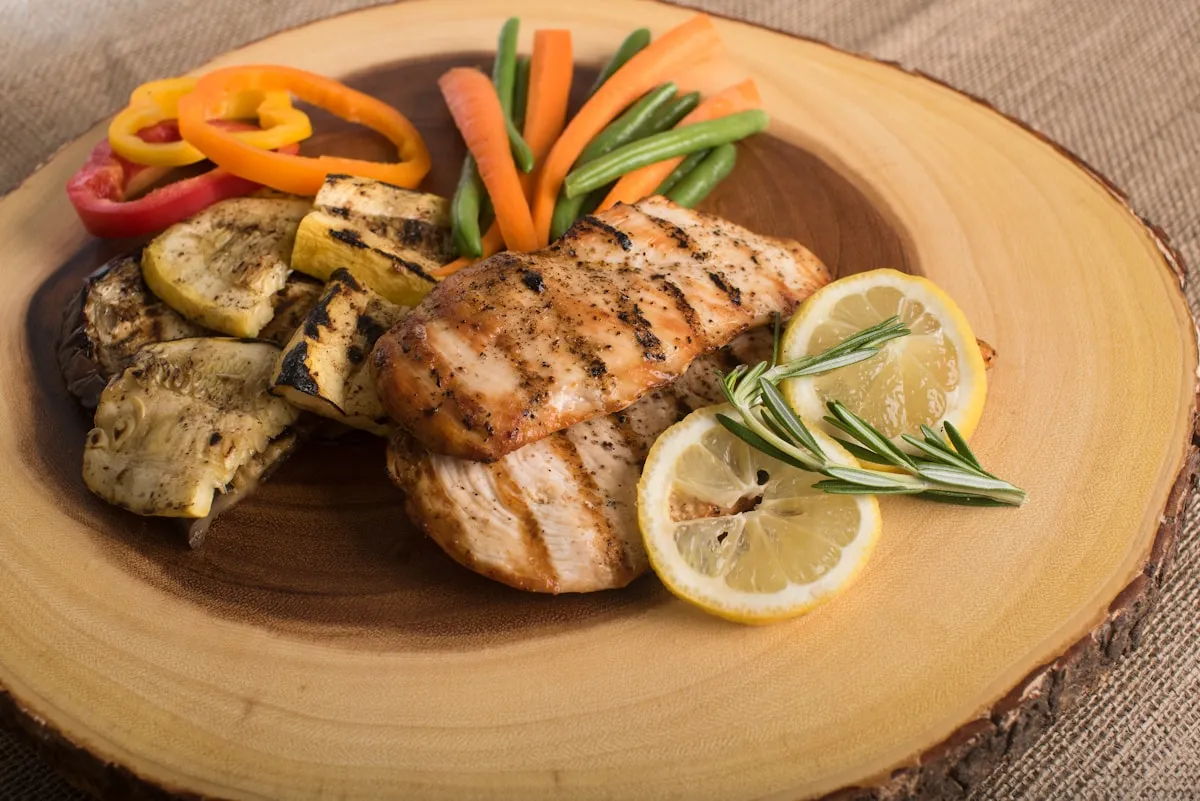
Let’s be honest: the hardest part about switching to a low-carb lifestyle isn't giving up the sweets: it’s giving up the crunch. Standard breading relies on starch to achieve that shattering, golden exterior we all crave, leaving many keto recipes for beginners feeling a little… soggy. But what if I told you that the secret to the ultimate chicken tender wasn’t in a grain, but in a snack bag? Enter the pork rind. These protein-packed puffs are the scientific "cheat code" for the crispiest chicken you’ve ever had, carb-free or not.
The Molecular Magic of the Pork Rind Crunch
To understand why this works, we have to look at what a pork rind actually is. Unlike traditional breadcrumbs, which are primarily starch, pork rinds are a matrix of rendered fat and puffed collagen. When you crush them, you aren't just making "keto crumbs"; you are creating a heat-resistant, high-protein coating that behaves differently than any flour-based breading ever could.
The Maillard Reaction Without the Sugar
Usually, the golden-brown color on fried food comes from the Maillard reaction: a chemical dance between amino acids and reducing sugars. In traditional breading, the starch provides the sugars. With pork rinds, we are dealing almost entirely with proteins and fats. Because pork rinds are already pre-cooked and puffed, they have a massive surface area relative to their weight. When you apply heat, these protein structures undergo a secondary browning process that happens much faster and at lower temperatures than raw starch gelatinization. This means you get a deep, savory color without overcooking the delicate chicken breast inside.
Mastering the Mechanical Lock
If you’ve ever had your breading slide off in one sad, soggy sheet, you’ve experienced a failure of adhesion. Starch usually acts as the "glue" by absorbing moisture and turning into a sticky gel. Since we don't have starch, we must rely on protein denaturation.
Use a "Triple-Dredge" philosophy. Start with a base layer of fine almond flour or a light dusting of parmesan. This acts as a moisture-wicking interface. Follow this with an egg wash thinned with a splash of heavy cream. The fats in the cream help emulsify the egg, creating a thicker, tackier "glue" than water alone. Finally, press the chicken firmly into the crushed pork rinds. You aren't just coating it; you are mechanically locking those jagged rind flakes into the egg matrix.
The Role of Collagen and Moisture
One of the best easy dinner recipes secrets is moisture management. Collagen in the pork rinds is hydrophilic, meaning it loves water. If your chicken is wet when it hits the coating, the rinds will absorb that steam and turn into a gummy mess. Pat your chicken dry with paper towels until it’s bone-dry. Do not skip this. Any surface moisture you trap under the breading will turn to steam in the oven or air fryer, pushing the crust away from the meat. By keeping it dry, you allow the heat to immediately begin rendering the fats in the pork rinds, which essentially "shallow-frys" the coating from the outside in.
Flavor Variations and Scientific Tweaks
Once you master the base technique, you can start playing with the chemistry of flavor. Remember that pork rinds are inherently salty and "porky." You need to balance that richness with acidity or heat to keep the palate excited.
- The Buffalo Catalyst: If you want a spicy kick, whisk a tablespoon of vinegar-based hot sauce directly into your egg wash. The acid in the vinegar will slightly denature the chicken’s surface proteins, making them even more receptive to the breading, while the heat lingers in the crust.
- The Herbaceous Umami: Mix finely grated parmesan cheese into your pork rind crumbs at a 1:1 ratio. The parmesan has a lower melting point than the rinds, so it will melt and act as a secondary binder, filling the gaps between the larger rind flakes for a more cohesive "shell."
- The Smokey Infusion: Use "BBQ" flavored pork rinds as your base. The pre-applied spices are designed to withstand high-heat processing, meaning they won't burn as easily as fresh paprika or sugar-laden rubs might in a standard oven.
For more on mastering high-heat cooking in compact spaces, check out our guide on air fryer sausage and pepper medleys.
Perfect Side Dish Pairings
Because this dish is high in protein and healthy fats, your sides should focus on "cutting" the richness. Think of it like a laboratory experiment in balance: you have a heavy, savory base, so you need high-vibrancy, acidic, or fibrous counterpoints.
- Lemon-Zest Arugula: A simple bed of arugula tossed in lemon juice and extra virgin olive oil is perfect. The bitterness of the greens and the citric acid from the lemon reset your taste buds after every salty, crunchy bite.
- Garlic-Roasted Cauliflower: If you're missing the "starch" feel, roasted cauliflower provides a similar mouthfeel to potatoes but with far fewer carbs. The sulfur compounds in the cauliflower develop a nutty sweetness when roasted at high heat, which perfectly complements the savory pork rinds.
- Zucchini Fries: If you’re already in "fry mode," you can apply the same pork rind breading technique to zucchini strips. It's a great way to use up extra breading material and keep the dinner theme consistent.
If you’re looking for other easy dinner recipes that satisfy that "comfort food" craving without the carb-crash, our Kielbasa and Pierogi Air Fryer Roast technique offers great insights into achieving that perfect roasted texture.
FAQ: Troubleshooting Your Keto Crunch
Why did my coating fall off as soon as I took a bite?
This usually happens because of "steam-pocketing." If the chicken wasn't dried properly, or if you didn't use a "binder" layer like almond flour or parmesan before the egg wash, the crust has nothing to grab onto. Avoid overcrowding the pan. If the tenders are too close together, they steam each other rather than roasting.
Can I make these in a standard oven if I don't have an air fryer?
Absolutely. The key for the oven is airflow. Use a wire cooling rack placed on top of a baking sheet. This allows the hot air to circulate under the chicken, preventing a "soggy bottom." If you put them directly on a flat pan, the side touching the metal will sit in its own rendered fat and lose its crunch.
Why do my pork rinds smell "funky" when they cook?
Pork rinds are a natural product, and some brands have a stronger "swine" scent than others. To neutralize this, add a teaspoon of garlic powder and a half-teaspoon of onion powder to your crumb mixture. The aromatics will dominate the scent profile. Also, ensure your rinds are fresh; rancid fats in old pork rinds will smell significantly worse when heated.
How do I store and reheat these without them getting soft?
This is one of the best keto recipes for beginners because it actually reheats surprisingly well: if you avoid the microwave. The microwave excites water molecules, which turns the moisture inside the chicken into steam that ruins the crust. Instead, pop them back into a 375°F (190°C) oven or air fryer for 3–5 minutes. This will re-render the fats in the pork rinds and bring the crunch back to life.
Is it possible to over-process the pork rinds?
Yes. If you turn them into a fine dust, you lose the "panko" effect. You want a variety of sizes: some fine "sand" to cover the gaps and some larger "pebbles" to provide that signature shatter. Avoid the blender if possible; a heavy rolling pin and a sealed plastic bag allow for much better control over the texture.
For more tips on achieving the perfect texture in your cooking, dive into our deep dive on sauce emulsification science.