
Recipe
Servings
Servings 1×
Ingredients
- Eggs
- Zucchini
- Mushrooms
- Spinach
- Avocado
- Cream
- Cheddar
- Salt
Method
- Make them for breakfast, pack them for lunch, or keep them ready for the moment everyone suddenly announces they are hungry.
- Bake until the centers are just set.
- Use cream or another rich dairy element in the egg mixture to soften the texture.
- Whisk thoroughly, but do not whip aggressively.
- Let the muffins rest for several minutes after baking before lifting them out.
- Keep the oven moderate and check early.
If you are new to keto cooking, start with a recipe that is hard to overcomplicate. These bacon and cheddar egg muffins are savory, filling, portable, and wonderfully forgiving: as long as you respect the eggs. Make them for breakfast, pack them for lunch, or keep them ready for the moment everyone suddenly announces they are hungry. This is simple home cooking with very little fuss and plenty of cheesy reward.
Why the Egg Muffin Formula Works
Egg muffins are essentially individual baked custards. That sounds fancy, but the method is wonderfully practical: combine a protein-rich egg base with flavorful fillings, then use gentle, even heat to turn the mixture into tender little portions.
The science begins with egg proteins. Raw eggs contain proteins folded into loose structures. As they heat, those proteins unfold and link together, creating a network that changes the eggs from liquid to solid. This process is called coagulation. It is useful, delicious, and also the reason overcooked eggs become rubbery.
Bake until the centers are just set. A slight softness is a good thing; the muffins continue firming as they cool. Avoid waiting for a deeply browned, rigid center. By then, the protein network has tightened and squeezed out moisture. That is how a tender breakfast becomes a chewy kitchen punishment.
Use cream or another rich dairy element in the egg mixture to soften the texture. The added fat interrupts some of the egg-protein bonding, producing a more delicate, custard-like bite. You do not need much. The goal is softness, not a quiche that collapses under its own richness.
Whisk thoroughly, but do not whip aggressively. You want the yolks and whites evenly combined so every muffin cooks consistently. Excessive whisking adds air bubbles, which can make the muffins puff dramatically in the oven and then sink as they cool. A little rise is normal. A breakfast crater is less charming.
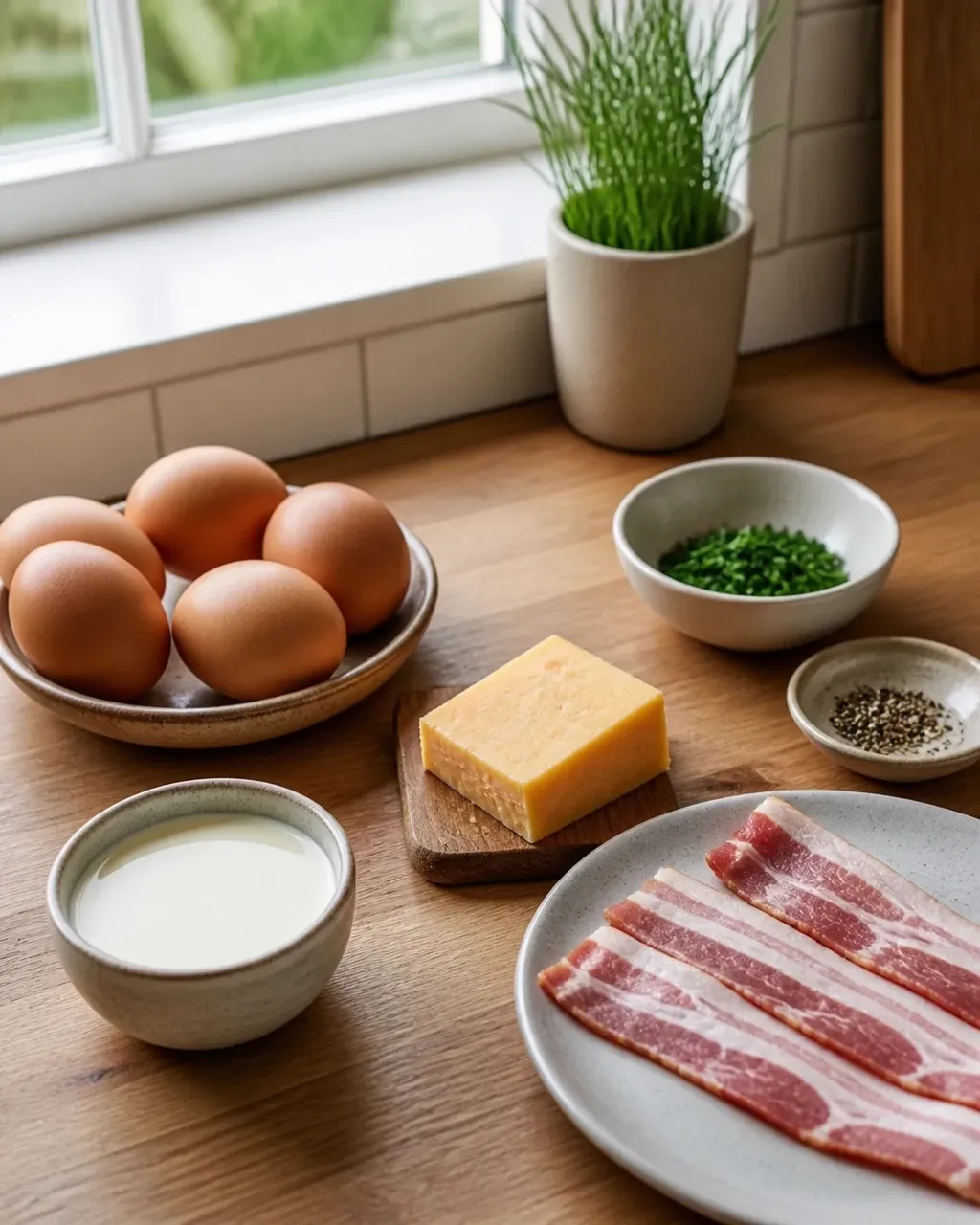
Treat the bacon as both seasoning and texture. Crisp bacon contributes salt, savory depth, and small pockets of richness. Because bacon varies in saltiness, taste your mixture before adding much extra seasoning. Cheddar brings sharpness, fat, and melt. A mature cheddar gives you more flavor without requiring a mountain of cheese.
Control moisture carefully. Watery vegetables can make egg muffins soggy or cause liquid to collect at the bottom. If you add spinach, mushrooms, or zucchini, cook or drain them first. This is not fussy behavior; it is basic moisture management. Eggs can only hold so much water before the structure turns fragile.
Grease the muffin tin generously, even if it looks nonstick. Melted cheese and bacon fat are enthusiastic glues. Silicone liners make removal easier, while a well-greased metal tin encourages better browning around the edges. Let the muffins rest for several minutes after baking before lifting them out. The proteins need time to finish setting, and patience here prevents torn edges.
Keep the oven moderate and check early. Similar egg muffin recipes commonly bake around 375°F (190°C) for roughly 15–20 minutes, but pan size, filling quantity, and oven accuracy all matter. Start checking before the upper end of the cooking time. Look for opaque centers that no longer wobble like liquid, but still appear moist.

Do not overcrowd the cups with fillings. Think of the egg mixture as the structure and the bacon and cheddar as supporting characters. If you pack each cup too tightly, the muffins may struggle to hold together. You also risk uneven cooking: a browned top with a wet center hiding underneath.
Cool the muffins completely before storing them. Warm food trapped in a sealed container creates condensation, and condensation creates sogginess. Store them in the refrigerator in an airtight container and reheat only what you plan to eat. Cooked egg dishes are best handled with the same care as other leftovers: keep them chilled and avoid leaving them at room temperature for long periods.
For a reliable reference point, compare this technique with Cookpedia’s Keto Avocado Egg Breakfast, which also focuses on controlled heat and avoiding overcooked egg proteins. If you are building a morning rotation, browse the wider Cookpedia breakfast recipes.
Variations That Keep the Balance
Once you understand the basic egg-to-filling balance, change the flavor without changing the method.
Add chopped chives or green onions for freshness. Their mild allium flavor cuts through the bacon and cheddar without adding many carbohydrates. Use cooked spinach for a greener version, but squeeze out excess water first. A pinch of smoked paprika adds warmth and makes the bacon taste even smokier.
Try pepper jack instead of cheddar when you want heat, or use Swiss for a milder, nuttier result. Keep the cheese amount sensible so the muffins remain structured rather than greasy.
For extra brightness, finish the cooked muffins with a little hot sauce or serve them alongside salsa with no added sugar. Acid and spice wake up rich foods. Use them especially when the muffins have been reheated, because chilling can mute some flavors.
You can also make a meat-free version with sautéed mushrooms, spinach, and feta. Mushrooms need to be cooked until their excess moisture has evaporated. Otherwise, they will release it into the egg mixture and leave you with a damp bottom.
Need a shortcut? Prepare the bacon and filling components ahead of time, then mix and bake when convenient. This makes the recipe useful alongside other quick family meals, especially when mornings are moving at an unreasonable speed.
Side Dish Pairings That Cut Through Richness
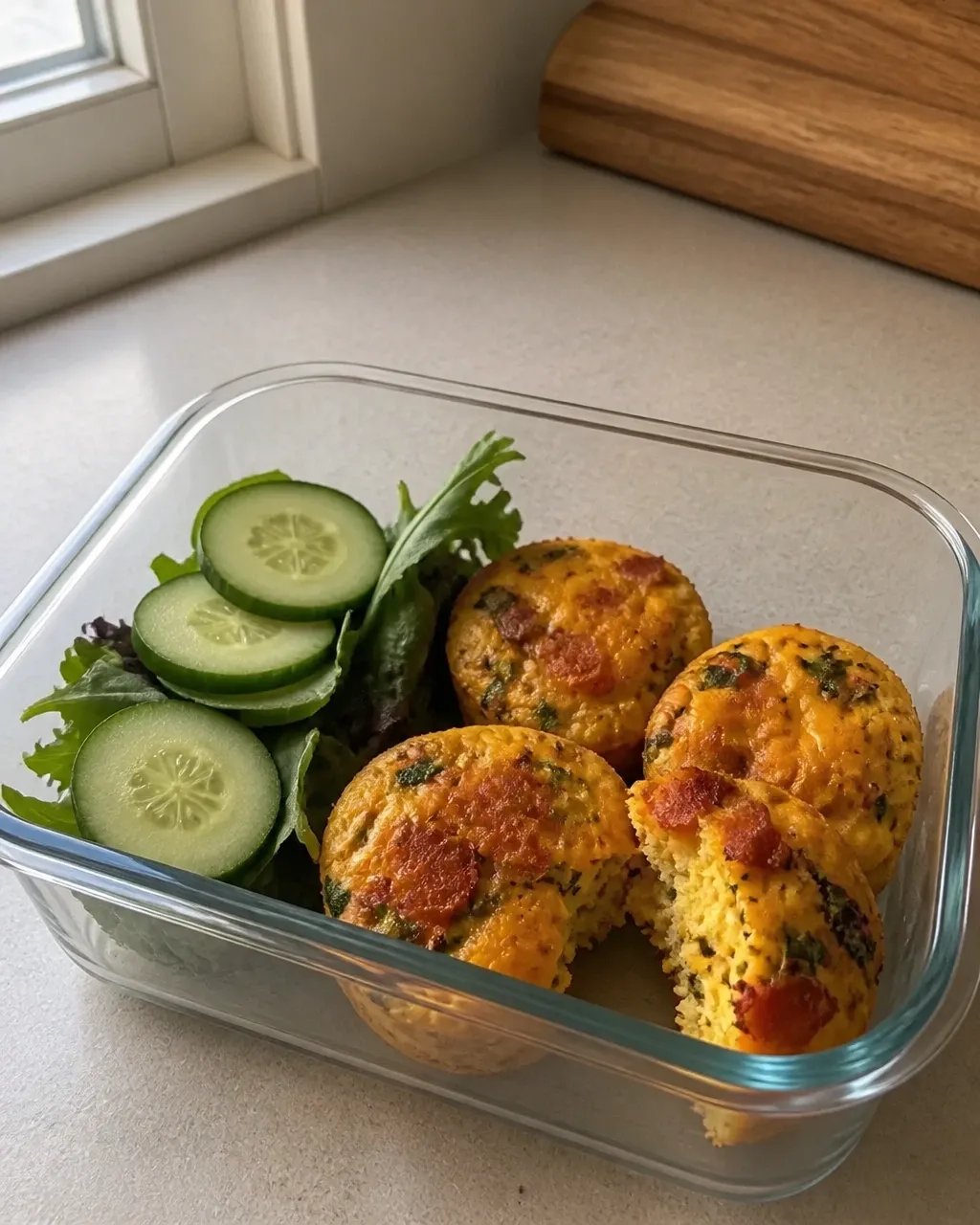
Bacon, cheddar, and eggs are rich, so pair them with something crisp, fresh, or acidic. A simple arugula salad works beautifully because its peppery bitterness keeps each bite lively. Add a sharp vinaigrette rather than a creamy dressing.
Sliced cucumber with lemon, herbs, and a pinch of salt brings crunch and brightness. Avocado can work too, but use it sparingly; pairing rich egg muffins with a large portion of another fatty food may leave the plate feeling heavy.
For a warm option, serve the muffins with lightly sautéed greens or roasted broccoli. Cook the vegetables until they have browned edges, then finish them with lemon. Cookpedia’s air-fryer roasted vegetables offer a useful contrast, although you may want to skip sweeter vegetables if you are keeping carbohydrates especially low.
A few pickled jalapeños or fermented vegetables also make excellent partners. Use a small amount. The best side dish does not compete with the main event; it simply keeps the richness in check.
Frequently Asked Questions
Why did my egg muffins turn rubbery?
You overcooked them, used too much direct heat, or baked them in a very hot oven. Egg proteins tighten as they continue heating and push out moisture. Remove the muffins when the centers are set but still look tender. They will firm as they cool. If your oven runs hot, reduce the temperature slightly and begin checking earlier.
Why are my egg muffins watery?
The most common culprit is wet filling. Spinach, mushrooms, zucchini, and even some cheeses release moisture during baking. Cook watery vegetables first and drain them well. Also avoid adding too much cream or other liquid. The egg mixture needs enough moisture for tenderness, but not so much that it cannot form a stable protein network.
What if the tops are cooked but the centers are still liquid?
Your cups may be too full, or the fillings may be unevenly distributed. The surface cooks first because it is exposed to hotter air. Divide the mixture evenly and avoid filling the cups to the brim. If the tops brown quickly, cover the tin loosely with foil while the centers finish setting.
Why did the muffins stick to the pan?
Melted cheddar and cooked bacon are excellent at attaching themselves to metal. Grease every cup thoroughly, use silicone liners, or choose a silicone muffin tray. Let the muffins cool for several minutes before removing them. Warm egg muffins are delicate; slightly cooled muffins are easier to release cleanly.
Can I freeze bacon and cheddar egg muffins?
Yes. Cool them completely, freeze them in a single layer, and transfer them to an airtight container once solid. Freezing them separately prevents one giant egg-muffin brick from forming. Thaw overnight in the refrigerator or reheat gently from frozen. Use moderate microwave power and short intervals because aggressive reheating tightens the egg proteins.
How long do they keep?
For best quality, refrigerate them in an airtight container and use them within several days. Keep them cold and do not leave them sitting out for hours. Reheat only the portion you plan to eat. If the muffins develop an unusual smell, slimy surface, or questionable appearance, discard them. Breakfast is not the place for heroic food-safety experiments.
Are these muffins definitely keto?
The standard combination of eggs, bacon, cheddar, and a small amount of cream is generally very low in carbohydrates and can fit many keto eating plans. However, brands differ, especially with bacon, processed cheese, and flavorings. Check labels if you track carbohydrates closely, and account for any vegetables or sauces you add. “Keto-friendly” is not a magic word that cancels nutrition labels.
Can I use an air fryer?
You can, but check early. Air fryers circulate hot air aggressively, so they may cook smaller egg muffins faster than a conventional oven. Use silicone cups or a suitable pan, avoid overfilling, and watch for the moment the centers set. The same principle applies to many air fryer recipes dinner: fast air movement improves browning, but it can also dry delicate foods quickly.
What should I serve if I want a more complete meal?
Add a crisp vegetable side, a few berries if they fit your plan, or a simple green salad with acidic dressing. Combine the muffins with fiber and freshness rather than piling on more cheese and bacon. That balance is useful far beyond breakfast, including when you are collecting practical healthy dinner ideas that feel satisfying without becoming overly heavy.