Recipe
Servings
Servings 1×
Ingredients
- Salmon
- Pasta
- Noodles
- Potatoes
- Cauliflower
- Asparagus
- Zucchini
- Garlic
- Lemon
- Hard cheese
- Butter
- Cooking oil
- Salt
Method
- Prepare the ingredients described in the article and heat the cooking surface or oven as directed.
- Cook the main ingredients using the heat and timing guidance in the article.
- Finish with the seasonings and garnishes named in the article, then serve.
If you think sticking to a low-carb lifestyle means chewing on sad celery sticks while everyone else enjoys real food, think again. When you want something luxurious that takes minimal effort, garlic butter salmon with roasted asparagus is your absolute best friend. It delivers rich, buttery flavor, healthy omega-3s, and tender green veggies without a single carb spike. Whether you are hunting for healthy dinner ideas or reliable quick family meals, this combination proves that eating low-carb can taste like a five-star bistro experience right in your own kitchen.
The Science of Sizzling: Mastering Technique and Heat
Getting restaurant-quality fish and crisp-tender vegetables on a single sheet pan comes down to basic kitchen chemistry and smart heat management. Follow these essential rules to elevate your cooking game:
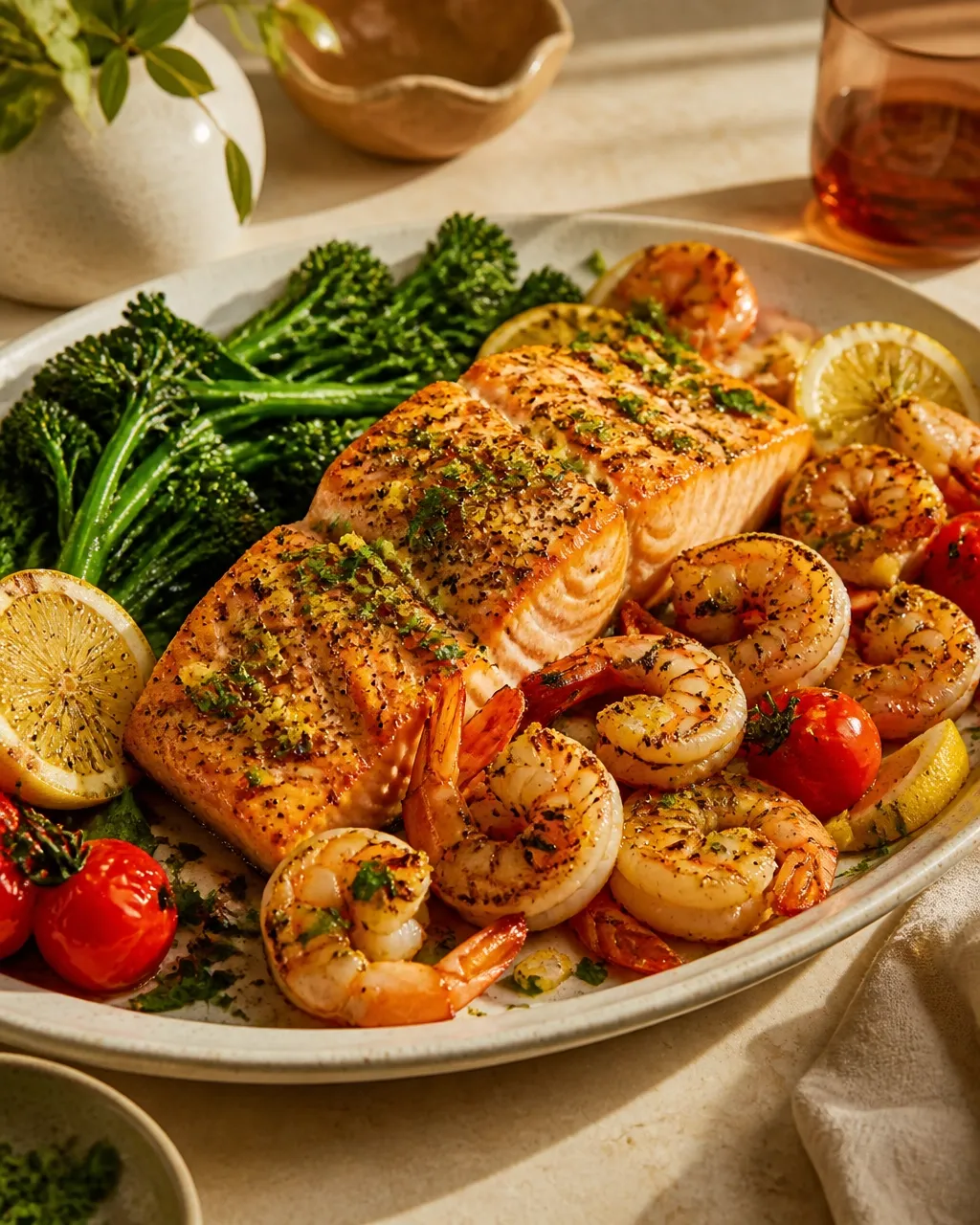
- Pat your salmon completely dry. Excess surface moisture causes the fish to steam instead of roast. Use paper towels to blot the fillets thoroughly before adding fat; drier surfaces encourage better heat transfer and surface browning.
- Understand protein denaturation. As salmon heats up, its muscle fibers tighten and squeeze out water, turning the translucent flesh into opaque, flaky flakes. Remove the fish from heat around 125°F to 135°F for a melt-in-your-mouth tender texture rather than a dry, chalky one.
- Embrace the Maillard reaction. High oven heat around 425°F to 450°F triggers amino acids and reducing sugars to react on the salmon's surface and asparagus tips, generating hundreds of savory flavor compounds and appetizing color.
- Use fat as a flavor carrier. Butter is rich in milk solids and fats that melt evenly, carrying fat-soluble garlic aromatics and lemon oils across every square inch of your food.
- Manage asparagus cell walls. Heat softens the pectin and cellulose inside asparagus stalks. Roast them alongside the salmon so they retain a slight crunch and vibrant green chlorophyll without turning into mush.
Whenever you need foolproof healthy dinner ideas that impress guests without chaining you to the stove, mastering this high-heat roasting method will serve you well.
Flavor Variations to Keep Your Palate Excited
Even the most classic dishes benefit from a little twist once in a while. Switch up your flavor profile without breaking your low-carb macros by trying these simple modifications:
- Add a parmesan crust. Grate a generous handful of fresh Parmesan cheese over the asparagus during the final three minutes of roasting to create a nutty, crispy cheese crust.
- Infuse smoky depth. Dust your salmon fillets with a pinch of smoked paprika or garlic powder before drizzling with butter for an earthy, barbecue-adjacent aroma.
- Use compound butter. Whip softened butter with roasted garlic, fresh dill, and lemon zest, roll it into a log, and melt a cold pat directly onto the hot salmon right as it exits the oven.
- Boost the citrus punch. Zest a whole lemon directly over the fish and vegetables just before serving to heighten the aromatic brightness that cuts through rich butter fats.
These easy tweaks ensure that weeknight cooking never feels repetitive, keeping your meal planning fresh and exciting.
Smart Side Dish Pairings for Balanced Plates
While garlic butter salmon and asparagus form a complete meal on their own, rounding out your plate with complementary textures and acids elevates the entire dining experience.
- Pair with creamy cauliflower mash. The rich, velvety texture of buttered cauliflower puree mimics mashed potatoes perfectly while soaking up any extra garlic butter left on your plate.
- Toss a crisp arugula salad. Balance the richness of the salmon with peppery arugula dressed simply in lemon juice and extra virgin olive oil; the bright acidity resets your palate between bites.
- Serve alongside zucchini noodles. Lightly sauté zucchini noodles in olive oil with a pinch of salt to create a low-carb pasta bed that catches all those wonderful pan juices.
When you are putting together quick family meals on busy weeknights, these simple pairings turn a basic sheet-pan dinner into a complete feast.
Frequently Asked Questions
What if my salmon cooks faster than the asparagus?
Thick asparagus stalks can sometimes take longer to soften than a thin salmon fillet. Snap off the woody ends and, if your spears are particularly thick, give them a five-minute head start in the hot oven before sliding the salmon onto the pan.
What if I do not have fresh garlic on hand?
Use garlic powder in a pinch, but remember that fresh minced garlic caramelizes and infuses butter with superior aromatic depth. If using minced garlic, keep an eye on the oven temperature so the garlic bits do not burn and turn bitter.
Can I adapt this method into air fryer recipes dinner?
Absolutely! If you prefer using an appliance rather than heating the big oven, you can easily adapt this dish. Preheat your air fryer, arrange the seasoned salmon and trimmed asparagus in the basket, and air fry at 400°F for about 8 to 10 minutes until the salmon flakes easily and the asparagus is tender.
How do I prevent the salmon skin from sticking to the pan?
Always line your baking sheet with parchment paper or generously grease the pan with oil or butter. This ensures easy cleanup and keeps the crispy skin intact if you love eating it.