Recipe
Servings
Servings 1×
Ingredients
- Shrimp
- Tortillas
- Greens
- Corn
- Avocado
- Lemon
- Lime
- Salt
Method
- Prepare the ingredients described in the article and heat the cooking surface or oven as directed.
- Cook the main ingredients using the heat and timing guidance in the article.
- Finish with the seasonings and garnishes named in the article, then serve.
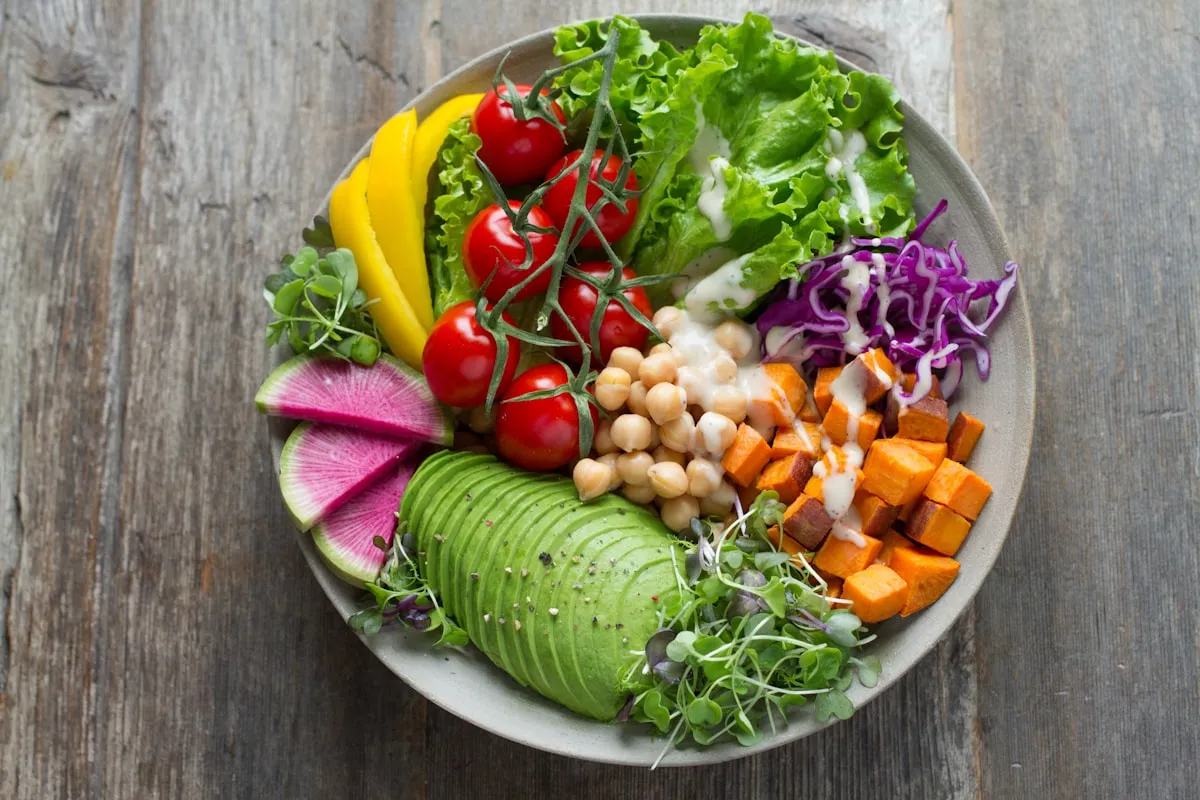
If you’re looking for a dish that feels like a summer vacation but performs like a precision-engineered piece of machinery, you’ve found it. My Low-Carb Avocado Lime Shrimp Salad isn't just a "healthy dinner idea" to toss together when you’re bored; it is a tactical exercise in balancing lipids, acids, and proteins. We are moving beyond the basic "toss and serve" mentality. Instead, we’re going to look at the molecular transitions that make shrimp snap and keep avocados from turning into a brown, oxidized mess. Pull up a chair, it’s time to get technical with your lunch.
The Molecular Mechanics of the Perfect Snap
The secret to a world-class shrimp salad isn't just the freshness of the crustacean; it’s the way you handle protein denaturation. When you apply heat to shrimp, you are essentially vibrating the proteins until their tightly coiled structures (like myosin and actin) unfold and then re-aggregate into a firm, opaque matrix. If you go too far, that matrix tightens so much it squeezes out all the water, leaving you with something resembling a rubber eraser.
To avoid this, use a high-heat sear. While many people think of shrimp salads as cold-cured (ceviche-style), I prefer a quick Maillard reaction first. The Maillard reaction is a chemical dance between amino acids and reducing sugars that happens around 285°F (140°C). This creates hundreds of different flavor compounds that raw or purely acid-cured shrimp simply can't offer. Pat your shrimp bone-dry before they hit the pan. If there’s surface moisture, the energy from your pan will go into evaporating that water (boiling) rather than browning the protein.
Once you’ve achieved that golden-brown exterior, stop. The internal temperature will continue to rise slightly even after you remove them from the heat. This "carry-over cooking" is your best friend. In the world of quick family meals, timing is everything. Overcooking is a non-negotiable failure here. Check for a "C" shape; if your shrimp have curled into an "O," you’ve gone too far and reached the rubber zone.
Defeating the Avocado's Worst Enemy: Oxidation
The second half of this equation is the avocado. As soon as you slice into an avocado, you’re initiating a biological countdown. The enzyme polyphenol oxidase (PPO) reacts with oxygen to create melanins, the same stuff that gives you a tan, which turns the flesh brown. This isn’t just an aesthetic tragedy; it changes the flavor profile, making it slightly bitter and metallic.
This is where the lime juice earns its keep. Lime juice isn't just for zing; it’s a chemical shield. The high concentration of citric and ascorbic acid lowers the pH of the avocado's surface. PPO is highly sensitive to pH; once you drop it below 4.0, the enzyme effectively goes on strike. Additionally, the ascorbic acid (Vitamin C) acts as a sacrificial antioxidant, reacting with oxygen before the avocado’s phenols can.
When you’re assembling your salad, coat the avocado immediately. Don't wait until the end. Treat every second of exposure to air as a threat to your salad's structural integrity. This attention to detail is what separates a soggy mess from the healthy dinner ideas we strive for here.
Flavor Layering: The Lipid-Acid Ratio
In any successful salad, you are looking for a "mouthfeel" that satisfies. In this Low-Carb Avocado Lime Shrimp Salad, the avocado provides the lipids (fats), which coat the tongue and carry flavors. However, fat on its own is heavy and "mute." You need the lime’s acidity to "cut" through that fat, effectively cleaning the palate and highlighting the sweetness of the shrimp.
Think of it like tuning an audio system. The fat is the bass, providing depth and body. The acid is the treble, providing clarity and sharpness. If you have too much fat, the dish feels muddy. Too much acid, and it’s screechy. Aim for a ratio where the sharpness of the lime hits you first, followed by the creamy, cooling sensation of the avocado. This balance is the hallmark of professional-grade quick family meals.
Technical Variations: Adjusting the Variables
If you want to deviate from the standard blueprint, you have to understand the consequences of your swaps. If you find the lime too aggressive, you can swap it for lemon or even grapefruit. Keep in mind that grapefruit has a higher sugar content and a slightly higher pH, so you’ll lose some of that anti-oxidative punch. You might need to add a pinch more salt to compensate for the change in perceived acidity.
For those who need a bit of "thermal" feedback, adding capsaicin (via jalapeños or serranos) is a classic move. Capsaicin doesn't actually "burn" your mouth; it binds to the TRPV1 receptors, which normally detect heat. The presence of the fatty avocado is crucial here because capsaicin is fat-soluble. The avocado fats will bind to the capsaicin molecules, preventing them from overwhelming your taste buds and allowing the spicy notes to linger pleasantly rather than painfully.
You can also experiment with the protein source. While shrimp is the MVP here, seared scallops or even a firm white fish like halibut work under the same principles of denaturation. If you’re feeling adventurous, try adding some crunch with toasted pepitas or sunflower seeds. These add a physical texture (mechanical contrast) to the otherwise soft matrix of the avocado and shrimp.
Strategic Side Dish Pairings
When pairing sides with a high-protein, high-fat salad, you want to avoid anything that competes with the main textures. Steer clear of heavy, creamy sides. You want something that offers a "structural" contrast, think high-fiber and high-crunch.
A simple slaw made with shredded cabbage and a light vinegar dressing is perfect. The cabbage provides a rhythmic crunch that offsets the buttery avocado. Alternatively, if you aren't strictly low-carb, a side of toasted sourdough or high-quality corn tortillas provides a starch base that can act as a vehicle for the salad. The goal is to find a partner that highlights the acidity of the lime without adding unnecessary fat to the equation.
FAQ: Science-Based Troubleshooting
Why did my shrimp turn out tough and rubbery?
You overshot the denaturation point. Shrimp proteins are delicate and have very little connective tissue (collagen) compared to beef or pork. Once they reach about 140°F (60°C), the protein fibers shrink significantly. Use a thermometer or watch for the "C" shape. If they are in a tight circle, they are overdone.
Can I use bottled lime juice instead of fresh?
Technically, yes, but scientifically, no. Bottled lime juice is pasteurized (heated), which destroys the delicate volatile compounds that give lime its "bright" aroma. It also often contains preservatives like sodium metabisulfite, which can alter the flavor profile. For the best anti-oxidation results and flavor, fresh-squeezed is the only way to go.
Why does my salad get watery if I leave it in the fridge?
This is due to osmosis. When you add salt to the salad, it creates a high concentration of solutes outside the cell walls of the vegetables (like onions or tomatoes if you've added them). Water naturally moves from an area of low solute concentration (inside the cell) to high concentration (outside) to find equilibrium. To prevent a swampy salad, salt your components just before serving.
How can I make this in an air fryer?
If you're into air fryer recipes dinner style, you can absolutely roast the shrimp in the basket. Toss them in a tiny bit of oil and seasonings, then blast them at 400°F (200°C) for about 3–5 minutes. The high-velocity air creates a decent Maillard effect without the mess of a pan. Just make sure they aren't crowded, or they will steam instead of roast.
Is the shrimp "cooked" by the lime juice alone?
In a purely chemical sense, yes: the acid denatures the proteins. However, acid doesn't kill bacteria and parasites as effectively as heat does. If you aren't 100% sure about the source and grade of your shrimp, always use the sear method described above. It’s safer and, frankly, the flavor of the browning is worth the extra five minutes.