Recipe
Servings
2 servings 1×
Serves 2Prep 10 minTotal 10 min
Nutrition per serving
Ingredients
- 1 can chickpeas rinsed and drained
- 1 English cucumber diced
- 1 cup cherry tomatoes halved
- 1/4 cup feta cheese crumbled
- 3 tbsp olive oil
- 1 tbsp lemon juice
Method
- In a jar, shake olive oil, lemon juice, salt, and pepper until emulsified.
- Toss chickpeas in the dressing first and let sit for 5 minutes to absorb the flavors.
- Add cucumber, tomatoes, and red onion.
- Gently fold to coat without crushing the vegetables.
- Top with feta and fresh parsley right before serving to maintain texture.
You know that 1:00 PM wall? It’s that moment when your brain decides it has had enough of spreadsheets, and your stomach starts a heavy metal concert. You need food, you need it fast, and you’d really prefer not to feel like a bloated sloth for the rest of the afternoon. Enter the Mediterranean Chickpea Salad: my absolute go-to for surviving the work week without succumbing to the siren call of the vending machine. This isn’t just a bowl of beans; it’s a masterclass in efficiency and flavor balancing that takes exactly ten minutes of your life.
The Chemistry of Crunch: Antioxidants, Emulsions, and Cell Walls
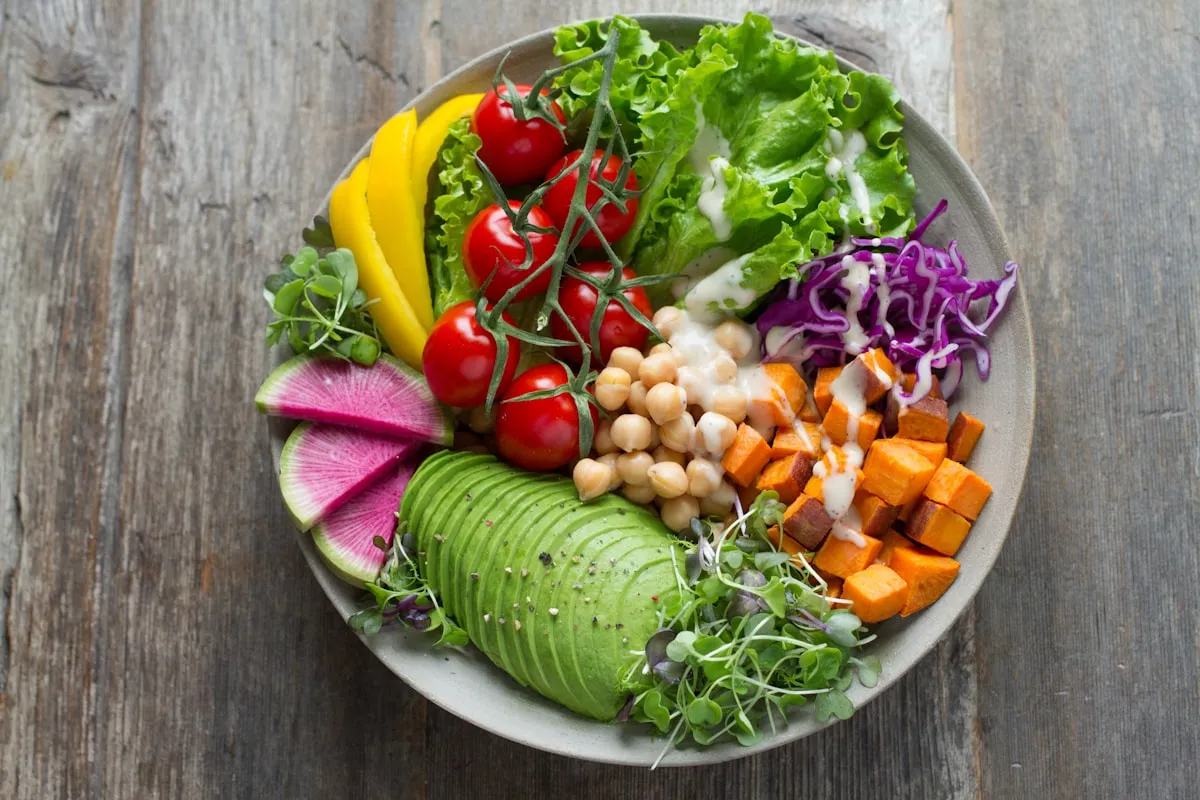
When you’re rushing through lunch, it’s tempting to dump everything in a bowl, slosh on some dressing, and call it “wellness.” Resist that chaos. A good Mediterranean chickpea salad works because the ingredients are not just tasty neighbors; they’re biochemical wingmen. Raw vegetables bring crunch, brightness, and a whole parade of plant compounds that behave differently depending on acid, fat, oxygen exposure, and time. Yes, this salad is low-maintenance. No, it is not random.
Start with the dressing, because the emulsion matters more than people think. Oil and water-based acids like lemon juice are natural enemies. They separate the second you stop whisking unless you force them into tiny droplets. That temporary truce is what gives you even coating instead of sad oily puddles at the bottom of the bowl. Use a ratio around three parts fat to one part acid as a reliable baseline. Add a little Dijon if you want extra insurance. Mustard contains compounds that help keep droplets suspended, which means more flavor clinging to chickpeas and chopped veg instead of ghosting the salad.
Now for the fresh vegetables, which are doing more than showing off. Tomatoes bring lycopene, cucumbers bring hydration and a clean snap, red onion contributes sulfur compounds, and herbs pile on polyphenols that give the whole bowl its fresh, green edge. A lot of these antioxidant compounds are sensitive little divas. Oxygen, heat, and rough handling can degrade them over time. That’s one reason this salad tastes brightest when you chop the vegetables shortly before serving. Less sitting around means less oxidation and better texture. Your knife skills are not just cosmetic here; they are quality control.
Let’s talk Mediterranean nutrition without turning this into a biology textbook in a linen shirt. One of the smartest things about this ingredient combo is nutrient synergy. Fat from olive oil helps your body absorb fat-soluble compounds more effectively, including carotenoids from tomatoes and herbs. In plain English: if you skip the olive oil because you think dry salad is virtuous, you are actually making some of the good stuff harder to use. Eat the dressing. This is not the place for martyrdom.
Acid plays its own role too. Lemon juice does more than make the salad taste awake. The acidic environment brightens flavor, slows some browning reactions, and can help preserve the fresher notes of herbs and chopped vegetables for a bit longer. It also helps balance bitterness and makes the whole bowl taste sharper and more defined. That is why a flat salad often needs acid, not more salt. Salt makes things louder. Acid makes them clearer. Know the difference and your food will stop tasting confused.
Let’s get into texture science, because soggy salad is a crime. Ever notice how chopped cucumbers and tomatoes start releasing liquid after they sit? That’s osmotic pressure doing its thing. Salt pulls water out of plant cells, weakening their crisp structure. Use that to your advantage instead of letting it ruin lunch. Keep the dressing separate if you’re prepping ahead, or at the very least hold the salt until close to serving. If you want crunch, that step is non-negotiable. This is one of those small moves that separates fresh, punchy salad from a bowl of watery regret.
The chickpeas deserve their own tiny science parade. Pulses contain both soluble and insoluble fiber, and they do different jobs. Insoluble fiber adds bulk and structure, which helps with fullness and digestive regularity. Soluble fiber forms a gel-like texture when hydrated, which can help slow digestion and support steadier energy. That’s a fancy way of saying this salad won’t leave you raiding the snack drawer 45 minutes later. Chickpeas also bring starch and protein, so they act like the sturdy, sensible friend in a group chat full of dramatic vegetables.
Here’s where the synergy gets interesting: pair pulse fiber with raw vegetables and olive oil, and you get a meal that hits multiple systems at once. The fiber helps slow absorption, the fat improves satiety and flavor delivery, and the vegetables add water and micronutrients without turning lunch into a nap trigger. It’s one of my favorite frameworks for healthy dinner ideas and sturdy lunches alike: combine fiber, acid, water-rich produce, and good fat, then make sure each one has a job.
Marinate the chickpeas in the dressing for a few minutes before mixing in the fresh vegetables. Do that because legumes are porous and can absorb flavor without losing their structure right away. The vegetables are different. They are mostly water and best treated like the crisp top note, not the sponge. If you toss everything too early, the chickpeas win and the vegetables wave a white flag. Timing matters.
One more thing: chop herbs at the last minute if you can. Their aromatic compounds are volatile, which is a scientific way of saying they vanish fast and leave you wondering why your salad tastes like it gave up. Slice, toss, eat. That’s the rhythm.
Flavor Flexing: Build Contrast, Not Chaos
The beauty of this Mediterranean base is that it’s flexible without becoming a kitchen junk drawer. Keep the core logic intact: creamy, crunchy, acidic, herbal, salty. Once you understand that framework, you can riff without wrecking the balance. If you want a smokier version, swap lemon juice for red wine vinegar and add smoked paprika. That pushes the salad in a deeper, earthier direction while still keeping the acidity sharp enough to wake up the chickpeas.
If you want extra richness, add avocado, feta, or toasted seeds, but keep your eye on contrast. Rich ingredients need something bright to keep them from flattening the bowl. That’s why olives, herbs, and a squeeze of fresh citrus work so well with creamy add-ins. Fat carries flavor, but acid keeps the fat from feeling heavy. This is the sort of balancing act that makes quick family meals feel intentional rather than just assembled under mild panic.
Texture matters just as much as taste. Chickpeas are soft and dense, so they need a crisp counterpoint. Use crunchy vegetables generously, or add something brittle right before serving, like toasted pita shards. If you like a more peppery edge, use radish. If you want sweetness, use diced bell pepper. If your tomatoes are bland, do not just accept your fate. Add more herbs and acid. A good salad is not about one perfect ingredient; it is about strategic compensation.
You can also push the protein side without changing the identity of the dish. Add tuna for a sharper, brinier profile. Add grilled chicken if you need something heartier. Add lentils if you want even more pulse power and a firmer bite. Just don’t overload it with too many “healthy” extras at once. That’s how salads end up tasting like a wellness seminar. Use restraint. Keep the bowl legible.
And yes, if you want more crunch, a handful of crisp pita chips works beautifully. If you like shortcut-friendly ideas, this kind of bowl fits right into the same mindset as air fryer recipes dinner fans love: minimal fuss, strong texture, high payoff.
The Perfect Pairing: Completing the Plate
A salad is a great start, but sometimes you need a little more oomph to carry it into full-meal territory. The easiest move is to pair it with something warm and soft, like toasted pita or a scoop of hummus. That contrast matters. Cold, acidic, crunchy food feels brighter when there’s a warm, mellow element beside it. Your brain reads that as a more complete meal, which is handy when lunch needs to feel like a break and not a sad desk-side compromise.
If you’re serving this with a larger spread, use it as the bright counterweight. Grilled chicken, roasted salmon, lamb, or even a tray of roasted vegetables all benefit from something sharp and fresh on the side. The lemony dressing cuts richness, the herbs wake up browned flavors, and the chickpeas make the whole plate feel substantial instead of decorative. It’s a balancing act: rich foods need acid, soft foods need crunch, and anything salty loves a hit of freshness.
For an especially smart pairing, add something fermented or creamy in a small amount. Yogurt sauces, feta, or labneh bring tang and richness that play nicely with the raw vegetables without stepping on them. If you turn leftovers into a wrap the next day, drain off excess liquid first. Nobody needs a floppy lunch disaster unfolding at 12:47 PM.
Troubleshooting Your Lunch: The FAQ
Can I use dried chickpeas instead of canned?
Absolutely. Dried chickpeas usually give you better texture because you control the cooking and can stop before they go mushy. They also tend to have a nuttier flavor and a creamier center. But if speed is the whole point, canned chickpeas are perfectly respectable. Rinse them well, dry them well, and do not skip that second part. Surface water dilutes the dressing and makes it harder for the emulsion to cling.
Why does this salad feel more filling than a leafy salad?
Because chickpeas are doing real work. Pulses contain soluble fiber, insoluble fiber, starch, and protein, which together slow digestion and increase satiety. Leafy salads can be refreshing, but they often lack the density needed to keep you full. Here, the fiber from chickpeas pairs with the water content of the vegetables and the fat from olive oil, creating a meal that lands gently and sticks around longer.
What’s the benefit of combining raw vegetables with olive oil?
Nutrient synergy, plain and simple. Some plant compounds, especially carotenoids in tomatoes and herbs, are better absorbed when eaten with fat. Olive oil also helps carry flavor across the whole salad, so you perceive the dish as more satisfying. Translation: the dressing is not just there to make things shiny. It is part of the nutrition strategy.
Why does my salad get watery in the fridge?
Salt and acid gradually pull water out of chopped vegetables through osmosis. Cucumbers and tomatoes are the main culprits because they’re mostly water to begin with. If you’re prepping ahead, store the dressing separately and combine close to serving. If it’s already mixed, eat it within about a day for the best texture. After that, it’s still edible, but the crunch starts losing the argument.
Why are my herbs dull and my salad less fresh the next day?
Herbs contain delicate aromatic compounds that fade quickly after chopping. Oxygen, light, and time all work against you. Chop herbs just before serving if possible, or at least add a fresh handful at the end to wake the salad back up. This is not fussiness. This is maintenance.
The red onion is too aggressive. How do I calm it down?
Soak it in cold water for a few minutes before adding it. Raw onion sharpness comes from sulfur compounds released when the cells are cut. A quick soak washes away some of the harsher stuff while leaving enough flavor behind to keep the onion useful. You want punch, not punishment.
What if I don’t have lemons?
Use another light acid like red wine vinegar, white wine vinegar, or apple cider vinegar. Avoid heavy balsamic unless you truly want the whole bowl to taste darker and sweeter. If you swap acids, taste and adjust. Different acids hit at different intensities, and salad dressing is not the place for blind optimism.
Can I meal prep this without ruining the texture?
Yes, but separate the components. Keep chickpeas with the dressing if you like, because they can handle it. Keep the crunchy vegetables and herbs apart until serving time. That way the pulses absorb flavor while the vegetables keep their snap. Mix right before eating and you’ll get the best of both worlds.
Is this one of those actually-good healthy meals, or just “healthy” on paper?
Actually good. It has acid, salt, texture, fat, protein, and fiber. That is the full squad. A lot of so-called wellness meals fail because they forget pleasure is part of the assignment. This one doesn’t. It’s fresh, sturdy, and built on ingredients that make each other better. That’s the Mediterranean trick, and honestly, it’s a pretty great one.