Recipe
Servings
Servings 1×
Ingredients
- Salmon
- Cod
- Tomatoes
- Onion
- Cooking oil
Method
- Prepare the ingredients described in the article and heat the cooking surface or oven as directed.
- Cook the main ingredients using the heat and timing guidance in the article.
- Finish with the seasonings and garnishes named in the article, then serve.
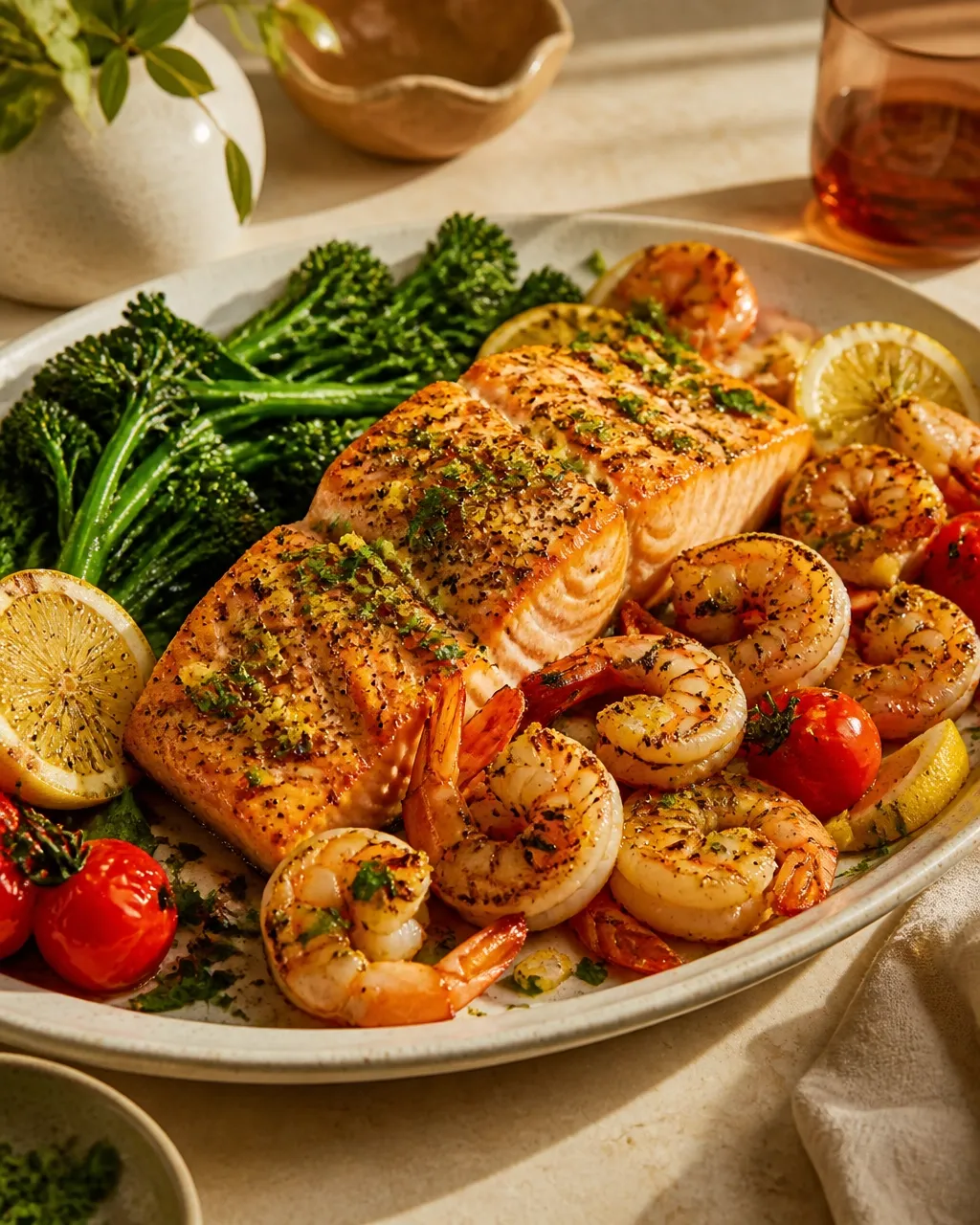
Welcome to my favorite way to handle those nights when your brain is fried, but you still crave something that tastes like a vacation on the Greek coast. If you are tired of long ingredient lists and a mountain of dishes, this is the solution you’ve been looking for. This dish is the king of easy dinner recipes because it does all the heavy lifting in a single pan while you sit back with a glass of something crisp and cold.
The Science of the Perfect Flake: Why High Heat and Dry Skin Matter
Baking fish can be intimidating if you treat it like a delicate flower that will wilt at the first sign of heat. Stop that. The secret to a perfect piece of cod lies in understanding how heat interacts with fish proteins and moisture. Cod is a lean, white fish, which means it doesn't have the fatty insulation of salmon. If you cook it slowly at a low temperature, the moisture inside will simply seep out, leaving you with a rubbery, sad piece of protein floating in a puddle of gray water.
Use a high temperature, specifically 400°F (200°C), to shock the exterior of the fish. This creates a quick sear, even in the oven, that locks in the juices while the interior gently reaches that opaque, flaky perfection. This is why it’s a staple in the world of one pot meals; the high heat also works wonders on your vegetables. You want those cherry tomatoes to blister and burst, releasing their sugars to mingle with the olive oil and create a natural sauce right on the pan.
Avoid the cardinal sin of baking fish: putting a damp fillet into the oven. Always pat your fish dry with a paper towel until it feels like parchment. Moisture is the enemy of browning. If the surface is wet, the oven’s energy goes into evaporating that water (steaming the fish) rather than roasting it. Dry skin allows the olive oil and paprika to adhere properly, creating a beautiful crust that contrasts with the tender meat inside.
Check your fish frequently toward the end of the 15-20 minute window. Because cod fillets vary in thickness, the "finger test" is your best friend. Press gently on the thickest part of the fillet; if it yields easily and starts to separate into layers (flakes), it is done. Take it out immediately. Residual heat is a real thing, and the fish will continue to cook for a few minutes once it hits the counter. Overcooking by even sixty seconds can be the difference between a soulful meal and a dry disappointment.
Lastly, let’s talk about the aromatics. By roasting the red onions and olives alongside the fish, you are performing a culinary magic trick called flavor extraction. The fat-soluble compounds in the oregano and paprika dissolve into the olive oil, which then coats the fish. Meanwhile, the salty brine of the kalamata and green olives seasons the cod from the outside in. It’s an efficient, scientific approach to flavor that makes this one of the most reliable easy dinner recipes in my rotation.
Variations: Playing with Texture and Brine
While the classic combo of olives and tomatoes is hard to beat, you should feel free to experiment once you’ve mastered the base technique. If you want a more punchy, acidic profile, toss in a tablespoon of drained capers. Capers are tiny salt bombs that provide a sharp contrast to the sweetness of the roasted cherry tomatoes. For those who enjoy a bit of heat, sprinkle red pepper flakes over the onions before they hit the oven. The oil will carry that spice across every inch of the pan.
Consider changing your aromatics based on what is growing in your garden or sitting in your pantry. Swap the oregano for fresh thyme or even thinly sliced fennel. Fennel, when roasted at 400°F, loses its aggressive anise bite and becomes mellow and sweet, pairing beautifully with white fish. If you find yourself without cod, any thick white fish like halibut or haddock will work, though you may need to adjust the time by a minute or two depending on the thickness.
For a heartier version, you can even add thin slices of zucchini or bell peppers. Just ensure they are sliced thinly enough to cook in the same 20-minute window as the fish. If you choose denser vegetables, give them a ten-minute head start in the oven before nestled the cod among them. This ensures everything finishes at the exact same moment of perfection.
Side Dish Pairings: Balance is Everything
The beauty of this Mediterranean cod is its lightness, which means your side dishes should either lean into that freshness or provide a comforting, starchy base to soak up the juices. I almost always recommend serving this with a small portion of pasta. You can find plenty of inspiration for simple pasta recipes on Cookpedia that use nothing more than butter, garlic, and perhaps a squeeze of lemon. A light angel hair or linguine acts as a canvas for the tomato and olive "sauce" created in the roasting pan.
If you are looking to keep things low-carb, a simple arugula salad with a heavy hit of lemon juice and shaved parmesan is the way to go. The peppery bite of the arugula cuts through the richness of the olive oil and the salty olives. Alternatively, some crusty sourdough bread is non-negotiable if you aren't doing pasta. You need something to mop up the golden, flavor-packed oil left on the bottom of the pan. Never let that liquid gold go to waste; it is essentially a concentrated vinaigrette made by the oven.
FAQ: Solving Your One-Pan Dilemmas
Can I use frozen cod fillets?
Yes, but follow this rule strictly: thaw them completely in the refrigerator overnight. Frozen fish holds a massive amount of excess water. If you try to bake it from frozen or even partially thawed, you will end up with a soggy mess. Once thawed, pat it dry even more aggressively than you would with fresh fish.
Why is my fish tough instead of flaky?
You likely overcooked it. White fish has very little connective tissue, so it goes from "perfect" to "overdone" very quickly. Start checking the texture at the 12-minute mark. If the fish is firm to the touch and doesn't flake, give it another three minutes. If you are using a meat thermometer, aim for an internal temperature of 145°F (63°C), but I usually pull mine at 140°F and let it rest.
My tomatoes didn't burst, what happened?
Your oven might be running cold, or you crowded the pan too much. If the tomatoes are piled on top of each other, they will steam instead of roast. Spread everything out in a single layer. If you want that blistered look and they aren't quite there yet, turn on the broiler for the last 60 seconds of cooking. Just keep a very close eye on it so the olives don't burn!
Can I do this with salmon instead?
Absolutely. Salmon is much more forgiving because of its high fat content. However, keep in mind that salmon has a stronger flavor profile. I’d suggest swapping the oregano for dill and adding a few extra lemon slices to help cut through the fattiness of the fish.
Is it okay to leave the skin on?
If your cod has skin, you can leave it on, but it won't get crispy in this specific "nestled in vegetables" method. If you want crispy skin, you'd be better off searing the fish in a pan first. For this one-pan approach, skinless fillets are generally easier and result in a more consistent texture throughout the dish.
How do I store leftovers?
Fish is always best fresh, but you can store leftovers in an airtight container for up to two days. When reheating, do not use the microwave if you can avoid it: it will turn the cod into rubber. Instead, place it back in a 350°F oven for a few minutes until just warmed through.
Creating high-impact flavor doesn't require hours of prep or a culinary degree. By mastering the simple physics of high-heat roasting and the balance of Mediterranean ingredients, you can turn a few basic staples into a meal that feels special. This recipe is proof that one pot meals are the ultimate tool for the modern home cook. Now, get that oven preheated and give that fish the dry-patting it deserves!