Recipe
Servings
Servings 1×
Ingredients
- Chicken
- Salmon
- Shrimp
- Tofu
- Chickpeas
- Beans
- Quinoa
- Bread
- Corn
- Avocado
- Tomatoes
- Lemon
- Feta
- Butter
- Salt
Method
- Use a fine-mesh strainer and run cold water over the grains for at least sixty seconds.
- Toss them in your pot over medium heat for about three to five minutes.
- Let it steam for ten minutes.
- Spread the cooked grains out on a large baking sheet in a thin layer.
- Make the salad at least two hours before you plan to eat, but wait to add the fresh herbs (parsley, mint) until the very last second.
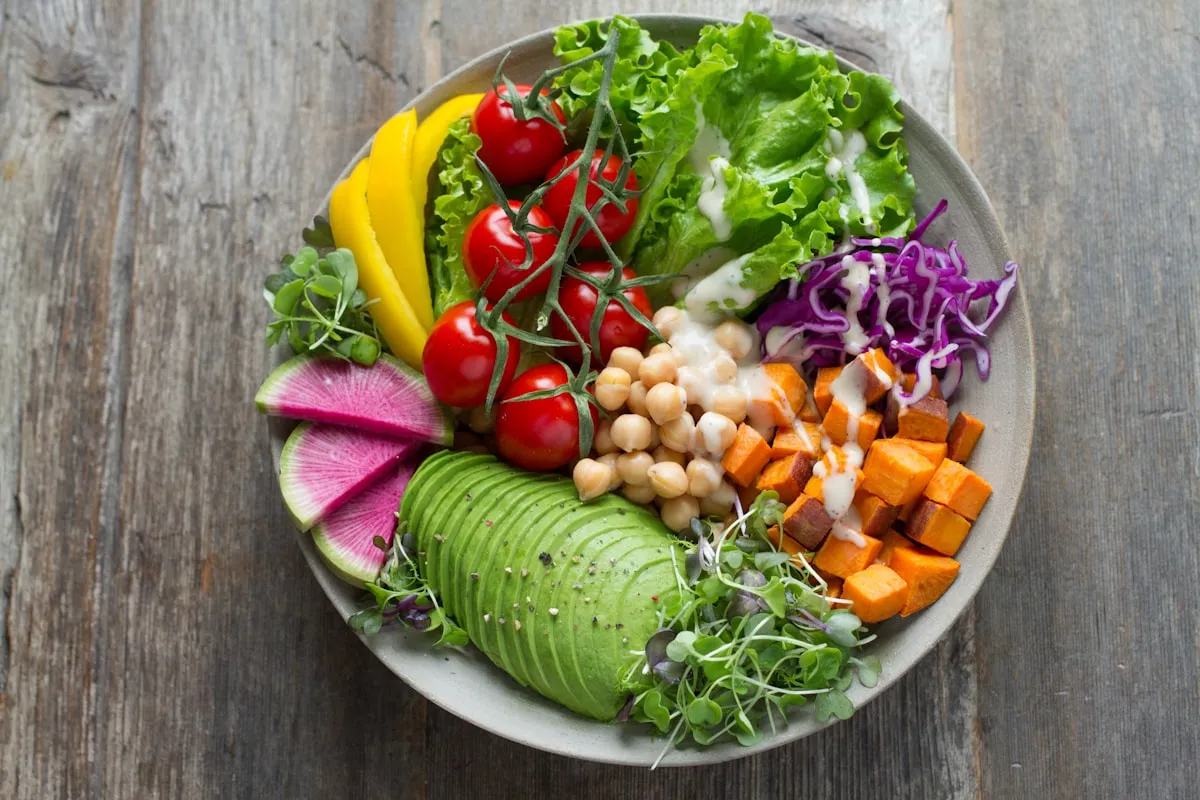
There is nothing quite like the panic of realizing your summer picnic spread is mostly bread and dips. You need a hero: a dish that can sit in the sun for an hour without turning into a science project and that actually keeps you full. Enter the Mediterranean quinoa salad. It is bright, crunchy, and loaded with the kind of staying power that only a "superfood" grain can provide. Whether you are prepping for a park hangout or just looking for healthy dinner ideas that don't involve turning the oven on for three hours, this is your new best friend.
The Science of the Perfect Grain: From Bitter to Brilliant
Getting quinoa right isn't just about boiling water; it’s about chemistry and physics. Most people skip the most important step: the rinse. Quinoa is naturally coated in saponins, which are bitter-tasting compounds the plant uses to ward off insects. If you don't wash these away, your salad will taste like soap. Use a fine-mesh strainer and run cold water over the grains for at least sixty seconds. Rub them together with your hands to physically knock those saponins loose.
Once your grain is clean, you must address the Maillard reaction. Most recipes tell you to go straight into the water, but I want you to toast the dry grains first. Toss them in your pot over medium heat for about three to five minutes. You are looking for a nutty aroma and a slight golden hue. This toasting firms up the outer hull, which prevents the grains from blowing out and becoming mushy during the simmer. It’s the difference between a sad, clumpy mess and a salad with a distinct, satisfying bite.
Hydration is your next hurdle. The standard 2:1 ratio (two parts liquid to one part grain) is a lie for salads. That ratio results in a soft, porridge-like texture. For a structural salad that holds up against acidic dressings, use a 1.5:1 ratio. Boil the liquid, add the quinoa, then drop the heat to the lowest setting and cover. The goal is low and slow. When the water is gone, pull it off the heat but do not touch that lid. Let it steam for ten minutes. This allows the moisture to redistribute evenly through every single grain.
Finally, you have to manage the "carryover" heat. If you leave the quinoa in the hot pot, it will keep cooking until it’s mush. Spread the cooked grains out on a large baking sheet in a thin layer. This maximizes the surface area, allowing steam to escape and cooling the grain down instantly. This step is non-negotiable if you want that fluffy, restaurant-quality texture.
Flavor Profiles and Global Twists
The beauty of this base is that it is a blank canvas for high-impact flavor. While the classic Mediterranean profile relies on the salty-acidic punch of feta and lemon, you can easily pivot. If you are tired of the usual suspects, try swapping the feta for a sharp, aged goat cheese or even smoked tofu for a plant-based hit of umami.
Think about texture when you are building your variations. If you’ve already mastered our spicy tomato basil linguine and want more quick family meals, try incorporating roasted chickpeas into the mix. The starchiness of the beans provides a lovely contrast to the crunch of the cucumbers. You can even lean into a "Middle Eastern" vibe by adding toasted pine nuts and a heavy hand of fresh mint and dill. The key is balance; if you add something fatty (like avocado), you must increase the acidity (more lemon or vinegar) to keep the palate clean.
What to Serve with Your Salad
While this quinoa powerhouse is a meal on its own, it plays very well with others. Because of its high acidity and herbal notes, it is the perfect foil for rich, fatty proteins. Think about serving it alongside grilled chicken skewers or even some hearty air fryer recipes dinner fans love, like our kielbasa and pierogi roast. The zing of the lemon dressing cuts right through the richness of the sausage.
If you are keeping the picnic strictly vegetarian, pair the salad with warm pita bread and a thick swirl of hummus. The combination of grain and legume creates a complete protein, making it one of the most effective healthy dinner ideas for meat-free nights. Just remember to keep your side dishes simple. You want items that complement the salad’s freshness, not compete with it. A simple plate of grilled halloumi or a charred corn on the cob would work wonders here.
The Picnic Pro FAQ: Solving the Sogginess
What if my salad gets soggy after sitting for a few hours?
Sogginess is usually the result of "leaky" vegetables. Cucumbers and tomatoes are mostly water. When they hit salt and acid, they release their juices. To prevent a swamp at the bottom of your bowl, salt your chopped cucumbers in a colander for ten minutes before adding them to the salad. This draws out the excess moisture early so it doesn't end up in your quinoa.
Why did my quinoa turn out crunchy?
Crunchy quinoa means it didn't fully gelatinize. This happens if you peek under the lid while it’s simmering (releasing steam) or if your heat was too high, causing the water to evaporate before the grain could absorb it. Respect the "rest" period off the heat; it is essential for finishing the job.
Is it safe to leave this out at a picnic?
Quinoa itself is relatively stable, but once you add feta and fresh vegetables, the clock starts ticking. Bacteria love the "Danger Zone" between 40°F and 140°F. If your picnic is in the sun and it’s over 90°F outside, you have about one hour of safety. In milder weather, you can push it to two. Always transport it in a cooler with ice packs to be safe.
Can I make this ahead of time?
Actually, I recommend it. Quinoa is like a sponge; it takes time to soak up the dressing. Make the salad at least two hours before you plan to eat, but wait to add the fresh herbs (parsley, mint) until the very last second. Herbs oxidize and turn brown once they hit acid, so keeping them separate ensures your salad looks as good as it tastes.
How do I make this more of a "main" dish?
If you need more heft, look toward the air fryer. Many air fryer recipes dinner regulars involve quickly roasting a protein like salmon or shrimp. Flaking a piece of lemon-butter salmon over the top of this salad turns it from a side dish into a gourmet feast in under ten minutes.
{“@type”:”BlogPosting”,”image”:”https://cdn.marblism.com/jVNgh13FkTf.webp”,”author”:{“name”:”Penny”,”@type”:”Person”},”@context”:”https://schema.org”,”headline”:”Mediterranean Quinoa Salad: A Protein-Packed Picnic Side”,”publisher”:{“logo”:{“url”:”https://cookpedia.com/logo.png”,”@type”:”ImageObject”},”name”:”Cookpedia”,”@type”:”Organization”},”articleBody”:”There is nothing quite like the panic of realizing your summer picnic spread is mostly bread and dips… [rest of the article content]”,”description”:”Learn the science behind the perfect fluffy quinoa and how to build a Mediterranean salad that stays fresh for your summer picnics.”,”datePublished”:”2026-05-19″}