Recipe
Servings
Servings 1×
Ingredients
- Eggs
- Tortillas
- Peas
- Berries
- Lemon
- Cream
- Cheddar
- Butter
Method
- Use a light touch, keep your water ice-cold, and always let the dough rest in the fridge for at least an hour before rolling.
- Make sure the filling is completely cold before assembly.
- Use a dark metal baking sheet if you have one.
- Use a sharp knife to cut small slits in the top of each pie.
- Whisk one egg with a tablespoon of water or heavy cream and brush it over the tops (avoid the edges where you sealed the dough).
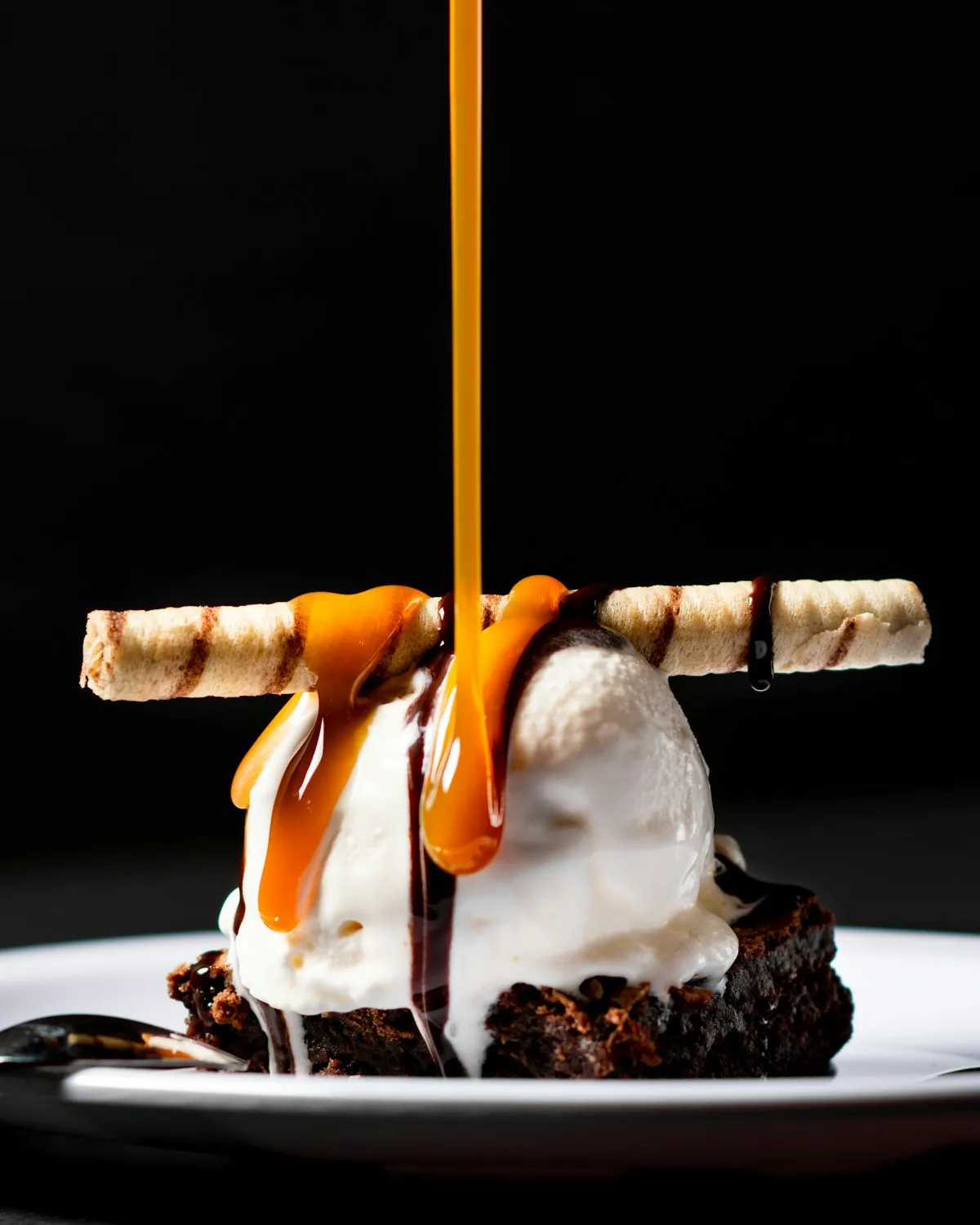
Summer is finally here, and if you aren't packing a basket for the park, you’re doing it wrong. For part 25 of my Summer Picnic Series, I’m tackling the ultimate grab-and-go dessert: Mini Blueberry Hand Pies. These little pockets of joy are everything a summer dessert should be, flaky, bursting with seasonal fruit, and most importantly, completely portable. No forks, no plates, and no sticky fingers on your favorite picnic blanket. Just pure, buttery bliss in the palm of your hand.
The Physics of the Flake
If you want a hand pie that people actually want to eat, you have to master the pastry. This isn't just about mixing flour and butter; it’s a lesson in thermodynamics and chemistry. To get those distinct, shattered-glass layers, you must keep everything cold. I mean really cold. When you rub cold butter into your flour, you aren’t trying to make a smooth paste. You are looking for discrete chunks of fat.
Here is the science: butter is roughly 15-20% water. When that cold butter hits a hot oven, that water instantly turns into steam. Because you left chunks of butter (the size of peas or even hazelnuts) in the dough, that steam expands and physically pushes the layers of flour apart. If your butter melts before it hits the oven, perhaps because your kitchen is too warm or you handled the dough too much, you lose that "lift." You end up with a greasy, dense shortbread instead of a light, flaky pastry.
Avoid overworking the dough at all costs. Every time you touch the pastry, the heat from your hands melts the fat and develops gluten. Gluten is the enemy of a tender crust. You want just enough gluten to hold the pocket together, but not so much that it becomes tough or chewy. Think of these as a delicate finale to your quick family meals. Use a light touch, keep your water ice-cold, and always let the dough rest in the fridge for at least an hour before rolling. This resting period allows the gluten to relax and the moisture to distribute evenly, ensuring your pies don’t shrink or toughen up during the bake.
Controlling the Blue: Filling Science
Blueberries are a blessing, but they are also little water balloons. They are about 85% water, and the moment they feel the heat, they want to release all that liquid. In a standard pie, a little soupiness is fine. In a hand pie, it’s a disaster. If your filling is too thin, it will leak out of the seams, create a sticky mess on your baking sheet, and turn your crust into a soggy sponge.
To prevent this, you must use a thickener that creates a stable gel. I prefer cornstarch or arrowroot. These starches undergo a process called gelatinization. When heated with the blueberry juices and a bit of sugar, the starch granules swell and trap the water molecules, creating that glossy, thick consistency we crave.
Check your filling before it goes into the pie. I highly recommend pre-cooking your blueberry mixture briefly. By simmering the berries with sugar and starch beforehand, you "activate" the thickener. You can see exactly how thick it will be before it ever touches the dough. It also reduces the total moisture content. Make sure the filling is completely cold before assembly. Putting warm filling onto cold pastry is a one-way ticket to a melted, messy crust. While many healthy dinner ideas focus on raw ingredients, for the perfect hand pie filling, heat is your friend to ensure structural integrity.
The Shield: Soggy Bottom Prevention
The "soggy bottom" is the ultimate culinary sin. To ensure your hand pies stay crisp even hours after they’ve been packed into a basket, you need a multi-layered defense strategy. First, consider a "barrier" layer. A very thin dusting of fine breadcrumbs, crushed graham crackers, or even ground almonds on the bottom crust before you add the filling can work wonders. These ingredients act like a sponge, soaking up any stray juices before they can reach the pastry.
Second, pay attention to your heat transfer. Use a dark metal baking sheet if you have one. Darker pans absorb more radiant heat than shiny, reflective ones, which helps the bottom of the pie cook and crisp up quickly. If you really want to go the extra mile, preheat your baking sheet. Placing the cold hand pies directly onto a hot surface gives the bottom crust a "head start," searing the pastry and creating a moisture-resistant seal.
Finally, don't forget the vents. Use a sharp knife to cut small slits in the top of each pie. These aren't just for decoration; they are exhaust pipes. As the filling boils, it creates steam. If that steam has nowhere to go, it will either blow out the sides of your pie or stay trapped inside, making the crust soggy from the inside out. Allow that moisture to escape, and you'll be rewarded with a crisp, professional-grade finish.
Balanced Variations
While a classic blueberry filling is hard to beat, you can elevate these hand pies by playing with the balance of acidity and richness. The sweetness of the berries often needs a "bright" partner to prevent the pie from feeling too heavy.
- The Zesty Twist: Add a generous amount of lemon zest and a tiny splash of lemon juice to the filling. The citric acid cuts through the sugar and brings out the floral notes of the blueberries.
- The Savory Edge: Incorporate a small amount of finely chopped fresh thyme or basil. It might sound strange, but the earthy notes of the herbs provide a sophisticated contrast to the fruit.
- The Creamy Center: Place a small dollop of sweetened cream cheese or goat cheese in the center of the pie before topping it with the blueberries. The tanginess of the cheese balances the deep sweetness of the cooked fruit perfectly.
These variations make these treats a great follow-up to more savory air fryer recipes dinner options, providing a complex flavor profile that isn't just "sugar on sugar."
The Perfect Picnic Spread
Packing for a picnic is an art form. You want foods that travel well and don't require constant refrigeration. These hand pies are the star of the show, but they need the right supporting cast.
Pair your blueberry hand pies with salty, savory snacks to reset the palate. A sharp cheddar cheese or some salted Marcona almonds work beautifully. For a drink, avoid anything too sugary. A thermos of cold, unsweetened hibiscus tea or a simple lemon-infused sparkling water provides a refreshing acidity that cleanses the tongue between bites of buttery pastry.
If you are packing these for a full day out, wrap them individually in parchment paper rather than plastic wrap. Parchment allows the pastry to "breathe" slightly, preventing the crust from becoming soft or "sweaty" in the summer heat. These are designed to be the ultimate stress-free dessert, fitting right in with the ethos of accessible, soul-warming food we love here at Cookpedia.
Troubleshooting Your Hand Pies (FAQ)
Why did my hand pies explode in the oven?
This usually happens for two reasons: either you overfilled them or you didn't vent them properly. Only use about a tablespoon or two of filling. It’s tempting to pack them full, but the filling expands as it boils. If there isn't enough room, or an exit path for the steam, the pressure will rip the seams apart.
Can I use frozen blueberries?
Absolutely. In fact, frozen berries are often better because they are picked at peak ripeness. However, they release more water than fresh berries. You must increase your thickener by about 25% and definitely pre-cook the filling to ensure it reaches the right consistency before it goes into the dough.
How do I get that shiny, golden-brown crust?
The secret is an egg wash. Whisk one egg with a tablespoon of water or heavy cream and brush it over the tops (avoid the edges where you sealed the dough). For extra crunch and a professional look, sprinkle a bit of coarse turbinado sugar on top before baking.
Can I make these in advance?
Yes! You can assemble the pies and freeze them raw. When you’re ready for your picnic, bake them straight from the freezer: just add a few extra minutes to the bake time. This is a great tip for busy parents who need a quick treat to round out their weeknight meals.
My pastry is falling apart when I try to fold it. What happened?
The dough is likely too dry or too cold. If it’s cracking, let it sit at room temperature for five minutes to soften slightly. If it’s still crumbling, you may not have added enough water during the initial mixing. Next time, use the "squeeze test": the dough should hold together firmly when squeezed in your palm without feeling sticky.
{“@type”:”BlogPosting”,”image”:”https://cdn.marblism.com/jYa-cEKLx13.webp”,”author”:{“name”:”Cookpedia”,”@type”:”Organization”},”@context”:”https://schema.org”,”headline”:”Mini Blueberry Hand Pies”,”publisher”:{“logo”:{“url”:”https://cookpedia.com/logo.png”,”@type”:”ImageObject”},”name”:”Cookpedia”,”@type”:”Organization”},”description”:”Part 25 of the Summer Picnic Series. Learn the science of flaky pastry and how to make perfect, portable blueberry hand pies for your next outdoor adventure.”,”datePublished”:”2026-05-19″,”mainEntityOfPage”:{“@id”:”https://cookpedia.com/mini-blueberry-hand-pies”,”@type”:”WebPage”}}