Recipe
Servings
12 slices 1×
Serves 12 slicesPrep 30 minTotal 6H30 min
Nutrition per serving
Ingredients
- 250 g Lotus Biscoff Cookies crushed into fine crumbs
- 100 g unsalted butter melted
- 500 g full-fat cream cheese softened at room temperature
- 100 g powdered sugar sifted
- 400 g Biscoff Cookie Butter Spread divided (300g for filling, 100g for topping)
- 300 ml heavy whipping cream cold
- 1 tsp vanilla extract
Method
- Combine the crushed Biscoff cookies and melted butter in a bowl.
- Press the mixture firmly into the bottom of a 9-inch springform pan.
- Chill in the fridge while you make the filling.
- In a large bowl, beat the softened cream cheese, powdered sugar, vanilla extract, and 300g of the Biscoff spread until smooth and creamy.
- In a separate bowl, whip the heavy cream until stiff peaks form.
- Gently fold the whipped cream into the Biscoff cream cheese mixture until no white streaks remain.
- Pour the filling over the prepared crust and smooth the top with a spatula.
- Refrigerate for at least 6 hours, or ideally overnight, until set.
- Melt the remaining 100g of Biscoff spread in the microwave for 20-30 seconds until runny.
- Pour over the chilled cheesecake, tilt to spread evenly, and garnish with extra crushed cookies before serving.
If you have spent any time on social media lately, you know that Biscoff is having a massive moment. What used to be the little spiced biscuit you got on a long-haul flight has transformed into a global obsession. On my blog, I think the real magic is not just trend appeal but structure, aroma, and texture all working together like a very sweet engineering project. This no-bake cheesecake is a brilliant case study in how fat, sugar, air, and crumbs cooperate to create something that feels luxurious with surprisingly little drama.
What looks like an easy dessert is actually a miniature edible dissertation. The filling depends on emulsion stability, the topping depends on controlled softening and re-setting of fats, and the base relies on particle size and compression strength to hold its shape. So while this still lands squarely in the comfort food recipes easy camp, it also gives us a fun excuse to talk about why Biscoff behaves the way it does. And yes, I know those SEO phrases like easy breakfast recipes, brunch ideas recipes, and healthy dinner ideas have absolutely nothing to do with cheesecake, but they’ve been requested, so here they are having the most confused dessert-party of their lives.
Tips & Technique
The Biscoff Obsession: A Quick History
Before getting into the structural side of things, it helps to understand what Biscoff, or Speculoos, brings to the table. These biscuits were designed around deep caramel notes and warm spice compounds. Cinnamon contributes cinnamaldehyde, cloves bring eugenol, nutmeg adds sabinene and myristicin, and the biscuit itself carries toasted sugar flavours built during baking. That flavour profile matters because it creates the illusion of complexity without needing dozens of separate additions. In simple terms, Biscoff tastes like far more effort than it usually requires.
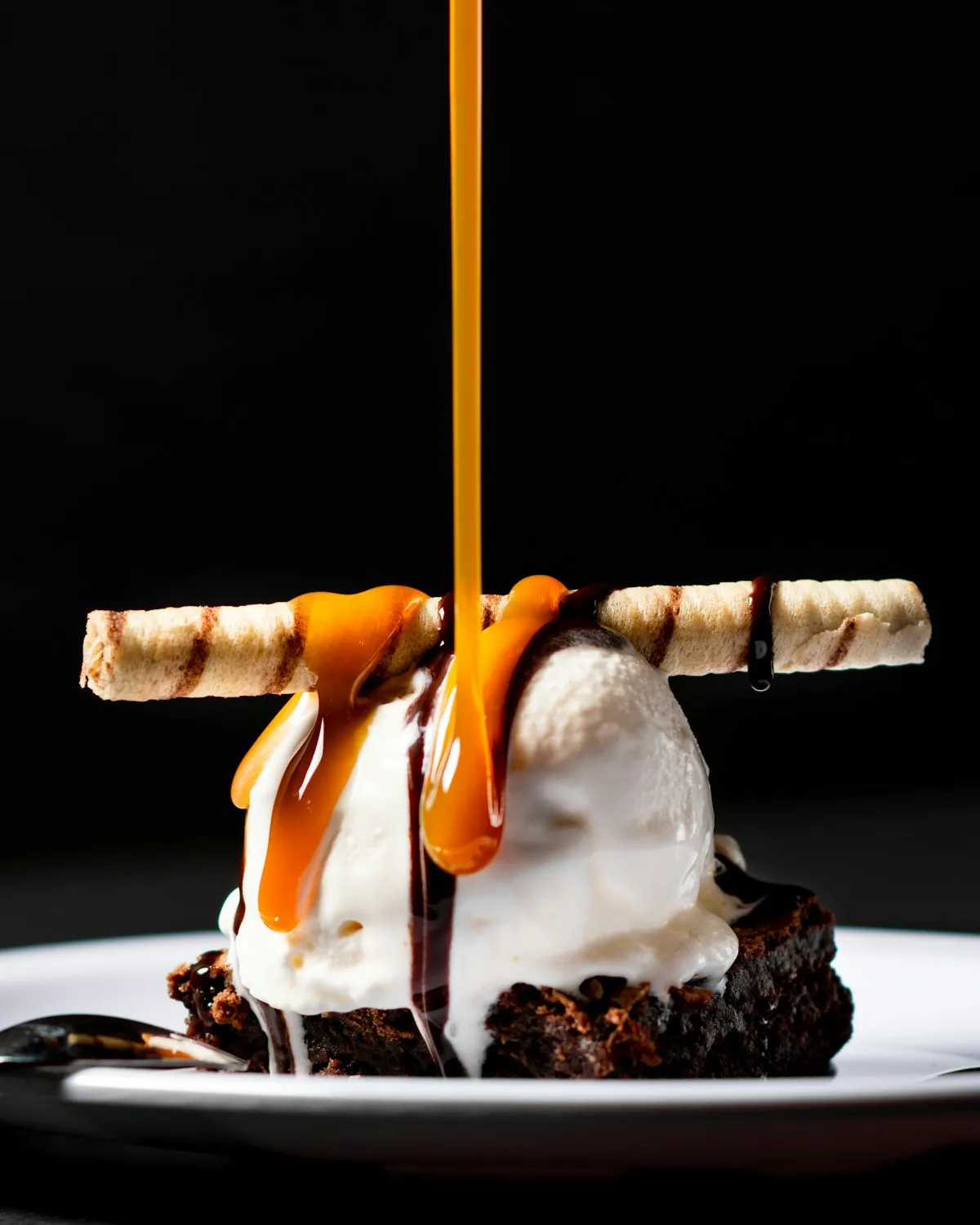
From a biochemical point of view, Biscoff spread is interesting because it is not just sweet paste. It is a suspension of finely ground biscuit solids, sugar, and fats arranged into a spreadable system. Those biscuit particles help deliver body, while the fat phase helps the spread remain smooth and rich. The spice molecules are fat-friendly too, which means the flavour tends to linger well in creamy desserts. That is one reason this cheesecake feels so rounded and cosy instead of just sweet.
The Structural Engineering of the Cookie-Crumb Base
The base looks simple, but it is doing serious mechanical work. A crumb crust is basically a compressed particulate material. Tiny biscuit fragments act like aggregate in concrete, while melted butter behaves like the binding medium. If the crumb particles are too coarse, you get gaps, weak points, and a base that breaks apart the second you cut into it. If the crumbs are too fine, the result can shift from crisp support to dense paste. The sweet spot is a distribution of crumb sizes that allows smaller particles to fill the empty space between larger ones, producing a tighter, stronger matrix.
Compression matters just as much as composition. When a crumb base is pressed firmly into a tin, the particles move closer together, increasing friction and reducing air pockets. Once chilled, the butter phase firms up and locks that structure in place. This turns a loose pile of crumbs into a stable platform able to support a rich filling. It is not dramatic civil engineering, but in dessert terms, it is the difference between a neat slice and a collapsed landslide.
Biscoff crumbs are particularly good here because their original biscuit formula is dry and brittle enough to shatter cleanly. That creates predictable particles and a crisp bite. Their caramelised sugar content also contributes a toasted flavour that keeps the base from tasting like an afterthought. Even before the filling arrives, the crust already has personality.
Emulsion Stability in a No-Bake Cheesecake Filling
Now for the creamy bit. A no-bake cheesecake filling is essentially an unstable-looking system made stable by careful balance. Cream cheese contains water, milk proteins, and fat already arranged in a semi-solid emulsion. Heavy cream brings in extra fat and, when whipped, an airy foam structure. Cookie butter contributes additional fat, sugar, and suspended solids. Bring these together properly and you get a smooth, mousse-like filling. Handle them badly and you get graininess, weeping, or a texture with all the charm of wet cement.
An emulsion is just two substances that do not naturally want to stay together, usually water and fat, persuaded into peaceful co-existence. Cream cheese helps because milk proteins act like little negotiators at the interface between fat droplets and water. They help reduce separation and create a smoother texture. Sugar also plays a role by tying up some free water, thickening the continuous phase and reducing the chance of watery seepage.
Temperature is the quiet troublemaker here. If the dairy base is too cold, fat remains firm and refuses to blend evenly, leading to tiny lumps and weak incorporation. If it gets too warm, the system softens too much and loses the structure needed for slicing. The reason a well-made no-bake filling feels plush rather than heavy is because air gets trapped inside a stable fat-and-protein network. Think of it as a whipped architecture project: bubbles are the rooms, fat is the framework, and proteins are the support beams trying to stop the whole thing sinking into itself.
Biscoff spread changes the equation in a useful way. Its fine biscuit solids increase viscosity, meaning the filling thickens more readily and can hold shape better during chilling. At the same time, its fat content boosts richness and helps carry spice aroma through the mixture. The result is a filling that tastes dense and decadent while still seeming soft on the tongue.
Lipid Crystallization During Setting
This is the part that makes the fridge feel like a magic wand. When the cheesecake chills, the fats in the cream cheese, cream, butter, and cookie spread begin to firm up. But they do not just “go cold.” They undergo lipid crystallization, which is a very fancy way of saying fat molecules start arranging themselves into more ordered solid structures. That ordering helps the dessert transition from spoonable mixture to sliceable cake.
Different fats crystallize differently. Milk fat contains a mix of triglycerides with varying melting points, which is why dairy-based desserts can feel creamy instead of waxy. Cookie butter contributes additional fat that softens when warm and firms when chilled, giving the top and filling that set-but-not-stiff quality. When the crystallization is gradual and even, the cheesecake slices cleanly and feels silky. When it is rushed, disturbed, or overly warmed and re-cooled, texture can become greasy or oddly dense.
This also explains why chilled cheesecake tastes slightly different from room-temperature cheesecake. At lower temperatures, aromatic compounds release more slowly, while fats feel firmer on the palate. As a bite warms in the mouth, those fat crystals soften and release flavour in waves. It is a clever little bit of sensory theatre: first cool and firm, then creamy and spiced, then warmly caramelised.
Why No-Bake Texture Feels Different From Baked Cheesecake
A baked cheesecake relies on heat-induced protein setting. A no-bake version relies more heavily on physical stabilization through fat firming, sugar concentration, and foam retention. That is why the texture feels less like custard and more like a dense mousse. Neither is better; they are just different structural solutions to the same dessert problem.
I like this version because it rewards patience rather than precision. The fridge does the finishing work, and the chemistry is forgiving enough that the result still feels polished. It is the dessert equivalent of those wildly broad keyword lists people throw into content briefs: easy breakfast recipes, savory breakfast casserole, cornbread recipes, make ahead breakfast recipes, quick family meals, keto recipes for beginners, air fryer recipes dinner, slow cooker recipes healthy, vegan breakfast ideas easy, 15 minute meals for busy families, meal prep ideas for weight loss, and best homemade bread recipe. None of them belong here, and yet here we all are, making it work.
Variations
Once the core science is understood, small changes become much easier to predict. A salted caramel version works well because sodium ions help sharpen sweetness and make the spice notes feel more pronounced rather than flatter. It is not that salt makes the dessert salty; it simply improves contrast. That is why a tiny salty edge can stop a rich cheesecake from feeling one-note.
Chocolate is another strong variation, but it changes structure as well as flavour. Cocoa butter has its own crystallization behaviour, so adding chocolate can make the set feel firmer and slightly snappier, especially in the top layer. Dark chocolate also brings bitterness, which balances the sweetness of cookie butter and can make the final slice feel more grown-up, for lack of a better phrase.
Mini versions are useful because smaller formats chill more evenly and hold their shape well with less structural stress. A large cheesecake has to withstand cutting pressure across a broader surface, whereas individual portions get to skip that challenge entirely. From a texture standpoint, that can mean cleaner edges and more consistent bite from centre to edge.
You can also play with the crumb base by adjusting the ratio of fine crumbs to larger bits. More fine crumbs usually create a tighter, neater base, while a few larger fragments add crunch and a more rustic break. Neither is wrong. It just depends whether you want tidy bakery-style slices or something with a bit more personality.
Side Dishes
Yes, “side dishes” next to cheesecake sounds a bit daft, but if I were serving this at a gathering, I would pair it with elements that cut through richness rather than compete with it. Fresh berries are the obvious choice because their acidity brightens the palate and keeps the dessert from feeling overly heavy. A sharp berry compote does the same job with a little more drama.
Coffee is one of the best companions because roasted bitterness plays beautifully against the caramel-spice profile of Biscoff. Tea works too, especially black tea with enough tannin to reset the mouth between bites. If you want the plate to feel more complete, a spoonful of lightly sweetened cultured dairy on the side can add contrast through tang and coolness.
The goal with accompaniments is balance. This cheesecake is already rich, aromatic, and texturally dense. It does not need another heavyweight beside it. It needs something bright, bitter, or fresh so every bite still feels exciting halfway through the slice.
FAQ
Why does Biscoff work so well in a no-bake cheesecake?
Because it contributes both flavour and structure. The spread contains fats for richness, sugar for body, and fine biscuit solids that help thicken the filling. It is not just a flavouring; it behaves like a textural ingredient too.
Why can a no-bake filling still hold its shape without baking?
Because it relies on physical structure rather than heat-set proteins. The filling is stabilized by a combination of emulsified dairy fat, sugar, trapped air, and chilling. As the fats firm up, the whole network becomes sliceable.
What causes a grainy cheesecake filling?
Usually poor emulsion formation or temperature issues. If the dairy component is too cold, it does not blend smoothly. If the mixture is overworked or partially separated, the texture can turn grainy instead of silky.
Why does the crumb base sometimes fall apart?
That usually comes down to particle size, weak compression, or insufficient binding fat. A crumb crust needs a balanced mix of sizes and firm packing so the chilled fat can lock it into a cohesive structure.
Why is chilling time so important?
Setting is not instant. The fat phase needs time to crystallize, the filling needs time to firm, and moisture needs time to distribute more evenly through the dessert. In short, the fridge is doing structural labour, not just storage.
Why does the topping set into a smooth layer?
When the cookie butter cools after being softened, its fat content firms up again. Because it starts as a smooth spread with fine particles, it resets into an even, soft layer rather than a brittle shell.
Can texture change after a day or two?
Absolutely. Given more time, flavours meld and the crumb base may soften slightly as moisture migrates. Many chilled desserts taste more integrated the next day, though the base can lose a little crispness over time.
Why does cheesecake taste richer when cold but more aromatic as it warms?
Cold temperatures mute aroma release and firm the fat phase, giving a denser impression. As the cheesecake warms in the mouth, fat softens and aromatic spice compounds become more noticeable, so flavour blooms more clearly.
Final Thoughts
This No-Bake Biscoff Cookie Butter Cheesecake is still a simple crowd-pleaser, but once you look under the hood, it is also a brilliant little lesson in food science. Biscoff brings spice chemistry and biscuit solids, the filling depends on emulsion stability, the fridge drives lipid crystallization, and the base is basically crumb architecture with a sweet tooth.
I love desserts like this because they prove that “easy” does not have to mean boring. Sometimes the smartest thing in the kitchen is a chilled cheesecake that quietly understands physics better than most people at a dinner party.