Recipe
Servings
Servings 1×
Ingredients
- Salmon
- Beans
- Quinoa
- Rice
- Green beans
- Greens
- Fresh ginger
- Lemon
- Soy sauce or tamari
Method
- Prepare the ingredients described in the article and heat the cooking surface or oven as directed.
- Cook the main ingredients using the heat and timing guidance in the article.
- Finish with the seasonings and garnishes named in the article, then serve.
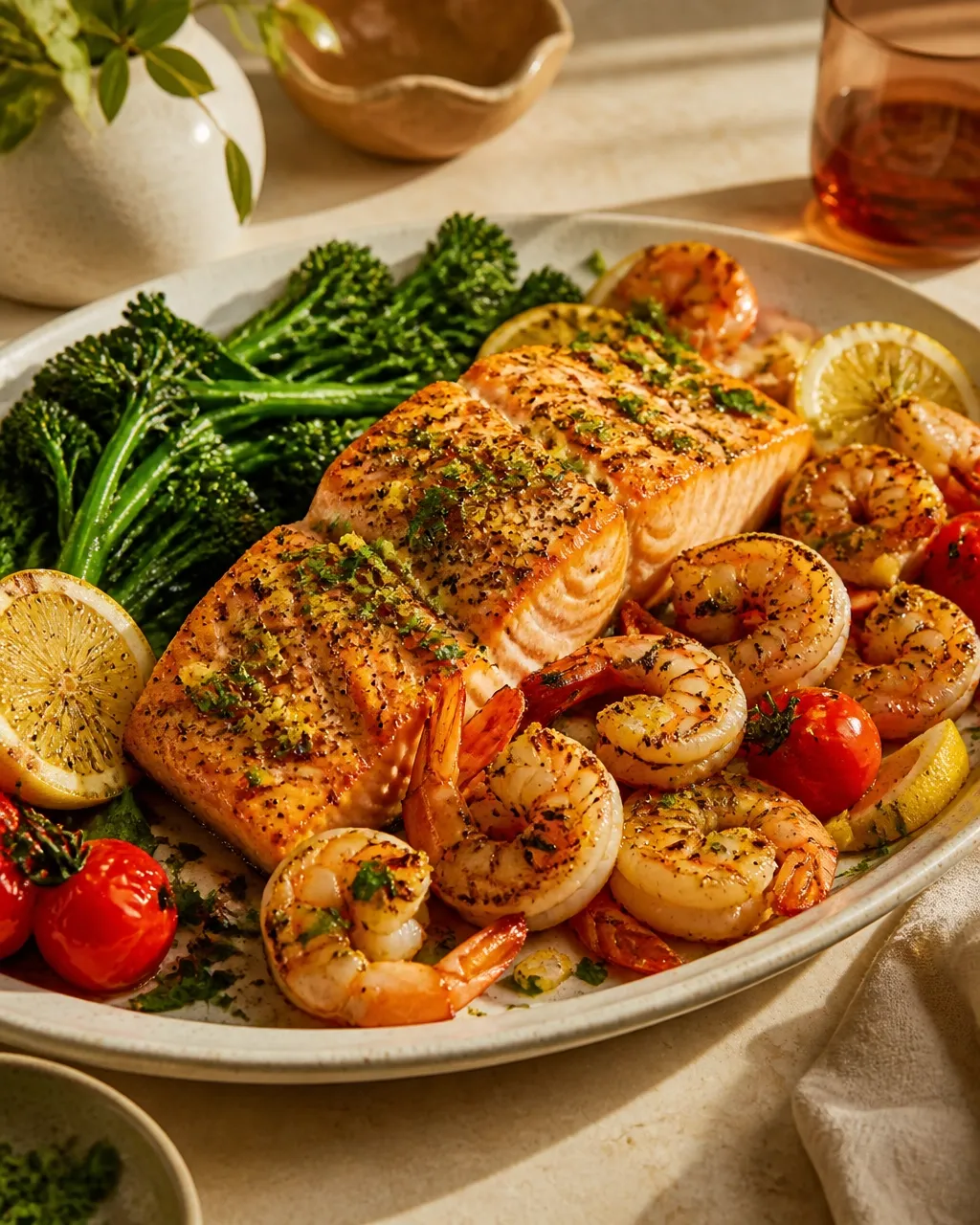
There is something profoundly satisfying about a dinner that requires only one pan and minimal cleanup. When you are hunting for quick healthy meals, the "one-pan wonder" is your best friend. My blog is all about making the kitchen feel like a sanctuary rather than a chore, and this salmon and green bean combo is the gold standard for healthy weeknight dinners. It’s efficient, it’s vibrant, and it uses a bit of kitchen chemistry to ensure every bite is restaurant-quality.
The Physics of the Sheet Pan and Heat Transfer
To master this dish, you need to understand how your oven actually cooks. You aren't just "heating" the food; you are managing two distinct types of heat transfer: convection and conduction. The air in your oven provides convection, swirling around the salmon and beans to cook the surface. However, the metal sheet pan provides conduction: direct heat transfer where the food touches the pan. This is why the bottoms of your green beans get those delicious blistered spots while the tops stay tender.
Use a heavy-duty, rimmed baking sheet. A thin, flimsy pan will warp under high heat and provide uneven conduction, leading to hot spots. If you want to maximize the Maillard reaction: that complex chemical dance between amino acids and reducing sugars that creates browning: avoid overcrowding. When you pack the pan too tightly, the water evaporating from the green beans creates a localized "steam tent." This keeps the surface temperature near 212°F (100°C), which is far too low for browning. Give your ingredients some breathing room so the moisture can escape, allowing the surface temperature to climb toward the 300°F+ range required for a proper roast.
Salmon Chemistry: Managing the Proteins
Salmon is a fascinating protein because it’s delicate and unforgiving. As the internal temperature of the fish rises, the muscle fibers (mostly myosin and actin) begin to denature and contract. If you’ve ever seen that unappealing white "gunk" oozing out of your salmon, you’ve witnessed albumin in action. Albumin is a water-soluble protein that exists in the muscle fibers. As the fish cooks and the muscle fibers tighten like a wrung-out sponge, they squeeze the liquid albumin to the surface. Once it hits the hot air, it coagulates and turns white.
Avoid the "white stuff" by cooking the salmon gently and pulling it at the right moment. Aim for an internal temperature of about 125°F for a buttery, medium finish. This prevents the actin proteins from contracting too violently, which keeps the juices (and the albumin) inside the fish. Also, keep the skin on during the roast. The skin acts as a thermal buffer, protecting the delicate flesh from the aggressive conduction of the metal pan, while the fat layer between the skin and meat renders down, essentially basting the fish from the bottom up.
Green Bean Biology and Texture
Green beans are largely composed of water, cellulose, and pectin. Pectin is the "glue" that holds the plant cells together. When we roast, we are waiting for that pectin to break down just enough to make the beans tender, but not so much that they turn into mush. Roasting at a high temperature (around 425°F) is ideal because it allows the exterior of the bean to dehydrate and blister before the interior pectin has a chance to fully collapse.
Check your beans for a vibrant green color. This is maintained by the chlorophyll within the cells. If you cook them too long or at too low a temperature, the heat eventually causes the magnesium atom in the center of the chlorophyll molecule to be replaced by hydrogen, turning the beans a dull, unappetizing olive-grey. High heat and a relatively short duration are your secrets to keeping them "snappy" and bright.
Flavor Elevations and Variations
While lemon and herbs are classic, don't be afraid to experiment with different flavor profiles to keep your quick family meals interesting. Swap the lemon for orange slices and add a dash of ginger and soy sauce for an aromatic, umami-forward twist. The sugars in the orange juice will caramelize even faster than lemon, giving you a deeper color on the fish.
If you are looking for air fryer recipes dinner options, this dish translates perfectly to the basket. The high-velocity fan in an air fryer increases the rate of convection significantly, meaning you can achieve that sought-after "crust" in about 60% of the time it takes in a conventional oven. Just be sure to cut your green beans into uniform lengths so they don't get caught in the fan or cook unevenly. Whether you're using a sheet pan or an air fryer, the goal remains the same: high heat, low moisture, and careful timing.
For more "one-pot" inspiration that uses similar principles of sauce emulsification, check out my guide on achieving the perfect glossy sauce.
Perfect Side Dish Pairings
Even though this is a one-pan meal, adding a secondary texture can turn it into one of those truly satisfying healthy dinner ideas. Since salmon is a fatty fish, you want something to cut through that richness. A light, acidic grain salad is the perfect partner.
- Quinoa or Farro: These grains have a nutty profile that complements the roasted notes of the green beans. Toss them with a little extra lemon juice and parsley.
- Starch-Rich Grains: If you want something heartier, serve the salmon over a bed of jasmine rice. The rice acts as a sponge for the rendered salmon fat and lemon juice left on the pan.
- Acid-Forward Slaws: A quick cabbage slaw with a vinegar-based dressing provides a crunch that contrasts beautifully with the flaky fish.
If you are a fan of using modern appliances to speed up these pairings, you might enjoy my look at the ultimate comfort food cheat code for more air-fryer-ready ideas.
Frequently Asked Questions
Why did my salmon turn out dry even though I followed the time?
Time is a poor indicator of doneness because every fillet has a different thickness and fat content. Use an instant-read thermometer instead. Salmon is technically "safe" at 145°F, but most chefs find it overcooked at that point. Pull it at 125°F-130°F and let it rest; the "carry-over cooking" will bring it up another 5 degrees while the juices redistribute.
Can I use frozen green beans for this?
You can, but the science changes. Frozen vegetables have had their cell walls damaged by ice crystals, which means they release water much faster than fresh beans. If you use frozen, do not thaw them first. Toss them in oil while frozen and roast them at a slightly higher temperature to encourage that water to evaporate as steam immediately, rather than pooling on the pan.
My lemon slices burned. What happened?
Lemon slices contain natural sugars that caramelize (and eventually burn) at high temperatures. If your oven has strong top-down heat, the lemons might char before the salmon is done. Place the lemon slices underneath the salmon to flavor the fish while protecting the sugars from direct radiant heat, or add them to the top during the last 5 minutes of roasting.
How do I get the green beans crispy without overcooking the fish?
This is a classic "timing" problem. If your green beans are particularly thick, give them a 5-8 minute head start on the pan before you nestle the salmon fillets in. This ensures the beans have enough time for the pectin to break down while the salmon only needs about 10-12 minutes to reach the perfect internal temperature.
Is it better to use butter or olive oil?
For roasting at 425°F, olive oil is generally better because it has a higher smoke point than butter. Butter contains milk solids that will burn and turn bitter at high roasting temperatures. If you want that buttery flavor, use a mix of both or brush the salmon with melted butter during the final two minutes of cooking.
When you're looking for quick healthy meals, simplicity is key. By understanding the science of protein and heat, you can turn a basic sheet pan dinner into a culinary masterpiece. Enjoy your cooking!