Recipe
Servings
4 portions 1×
Serves 4 portionsPrep 5 minCook 15 minTotal 20 min
Nutrition per serving
Ingredients
- 400 g Fettuccine
- 200 g Jarred Roasted Red Peppers drained and sliced
- 3 cloves Garlic minced
- 1 liter Vegetable Broth approximate
- 100 ml Heavy Cream
- 50 g Parmesan Cheese grated
- 2 tbsp Butter
Method
- Melt the butter in a wide pan over medium heat and sauté the minced garlic until fragrant (about 1 minute).
- Add the sliced roasted red peppers, fettuccine, and the broth.
- Bring to a gentle simmer.
- Simmer, stirring frequently to release the starch and prevent sticking, until the pasta is al dente and the liquid has reduced into a thick sauce (about 10-12 minutes).
- Remove from heat.
- Stir in the heavy cream and Parmesan cheese.
- Toss vigorously until the sauce is glossy and perfectly emulsified.
- Season with salt and pepper to taste.
- Garnish with fresh basil or parsley if you have it!
There is nothing quite like the specific type of panic that sets in on a Tuesday night when the fridge is looking bare, the kids are asking what’s for tea, and you realize you have zero energy for a mountain of washing up. This is exactly where my favorite quick family meals come into play. Today, I’m sharing a recipe that has become an absolute staple on my blog: the One-Pan Roasted Red Pepper Fettuccine. It is the ultimate solution for anyone searching for healthy dinner ideas that don’t end with an hour of scrubbing pots. We are talking about a creamy, smoky, and incredibly silky pasta made entirely in just one pan.
The Science of the Silky One-Pan Sauce
The secret to this dish isn’t just the vibrant ingredients; it is the fascinating science of starch. When we traditionally boil pasta, we usually use a massive pot of heavily salted water and then toss that “liquid gold” down the drain. In this one-pan method, we are doing the opposite. We are harnessing every single starch molecule that the pasta sheds as it cooks. As the fettuccine simmers in a measured mixture of broth and aromatics, it releases starch into the liquid. This transforms a thin, watery broth into a viscous, velvety base that naturally clings to every strand of pasta.
To get that restaurant-quality finish that we all crave in comfort food recipes easy enough for a weeknight, we have to talk about emulsion. An emulsion is simply the forced marriage of two liquids that don’t normally like to hang out together: in this case, the water-based broth and the fats from the butter or cream we add at the end. Because our cooking liquid is already thickened with pasta starch, that starch acts as a stabilizer. It prevents the sauce from breaking or becoming oily. Instead, you end up with a glossy, professional sheen that looks like you spent hours reducing a sauce, when in reality, the starch did all the heavy lifting for you in under twenty minutes.
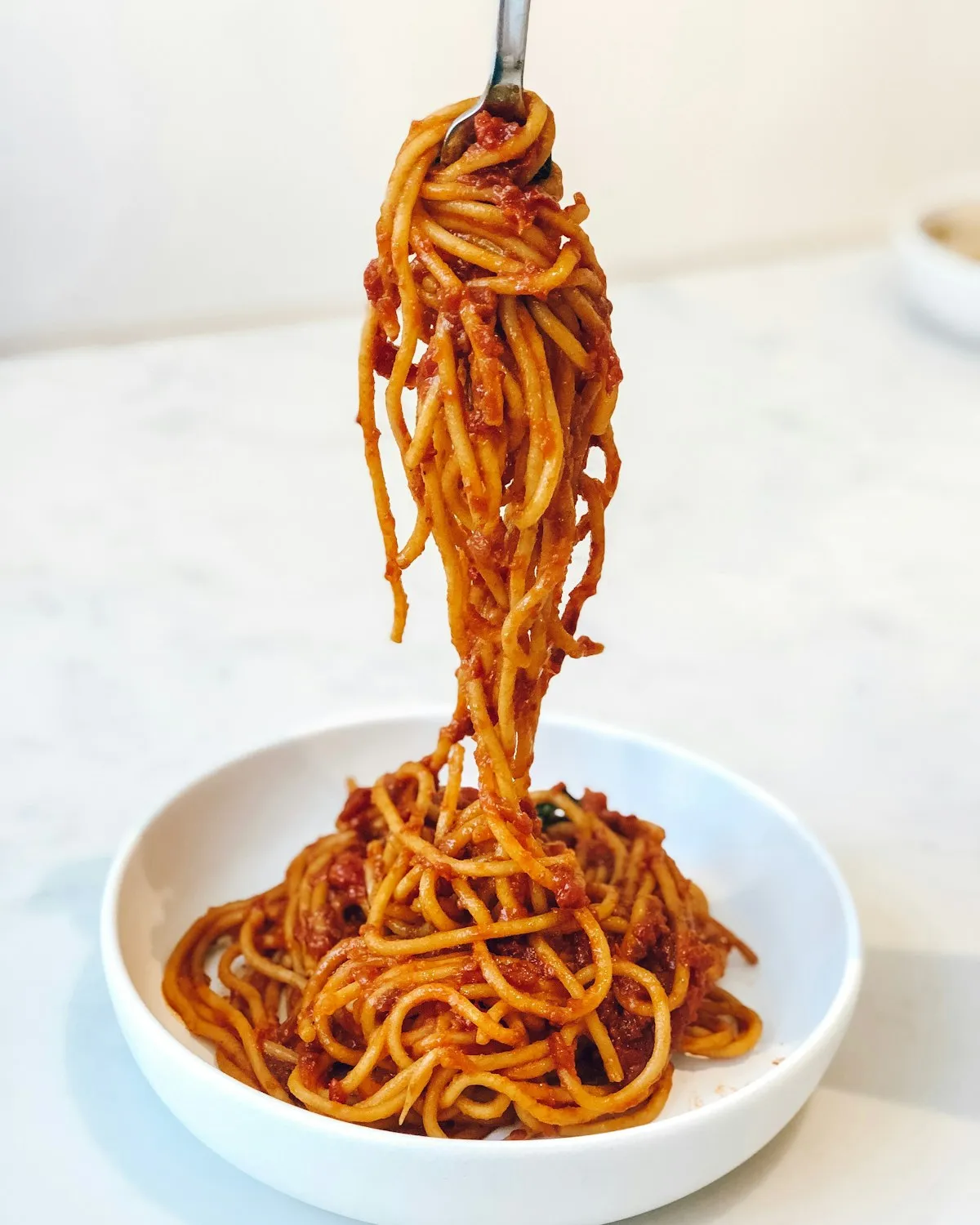
Heat management is another crucial element to master here. You want a steady, gentle simmer, not a violent, rolling boil. A violent boil will cause the liquid to evaporate too quickly before the pasta has had a chance to soften properly. This leads to the dreaded combination of crunchy noodles and a dry, burnt pan. On the flip side, a lukewarm soak will result in gummy, overcooked pasta. I always recommend using a wide, shallow pan rather than a deep pot. The increased surface area allows the liquid to reduce evenly and gives you more space to toss the fettuccine, ensuring every inch is coated in that smoky red pepper goodness.
Let’s talk about the peppers themselves. Using high-quality jarred roasted red peppers is a massive shortcut that doesn’t compromise on flavor. These peppers have already been charred, steamed, and peeled, providing a deep, smoky undertone that fresh peppers simply cannot achieve in a short cooking window. As they simmer with the pasta, they soften even further, almost melting into the sauce. If you prefer a truly smooth sauce, you can give the peppers a quick pulse in a blender before adding them to the pan, but I personally love the rustic texture of the sliced peppers intertwined with the long, flowing ribbons of fettuccine.
Creative Variations to Try
While this pasta is a powerhouse of flavor on its own, it is also a fantastic blank canvas for your own culinary experimentation. If you want to lean further into healthy dinner ideas, I highly recommend tossing in a few large handfuls of fresh baby spinach at the very end. The residual heat from the pasta will wilt the spinach in mere seconds, adding a beautiful pop of green and a massive boost of nutrients without requiring any extra cooking time or equipment.
For those who need a bit more protein to feel satisfied, sliced grilled chicken or sautéed shrimp are incredible additions. My tip for keeping things “one-pan” is to sear your protein in the pan first, remove it to a plate, and then start the pasta process in the same pan to pick up all those flavorful browned bits (the fond). Toss the protein back in right before serving to ensure it stays juicy. If you want to change the flavor profile entirely, try swapping the Parmesan cheese for some crumbled goat cheese or feta. The sharp tanginess of these cheeses cuts through the sweetness of the roasted peppers beautifully. You could even add a generous pinch of smoked paprika or crushed red pepper flakes if you want to dial up the heat and complexity.
The Perfect Supporting Cast
No meal is truly complete without the right side dishes, even when the main event is a one-pot wonder. Because this fettuccine is quite rich and savory, you want sides that provide a bit of contrast. I often opt for a crisp arugula (rocket) salad with a very sharp lemon vinaigrette. The natural bitterness of the arugula and the high acidity of the lemon help to cut through the creaminess of the sauce, cleansing your palate between bites.
If you are in the mood for something a bit more indulgent, a quick garlic bread made with crusty sourdough is hard to beat. The science of a great garlic bread lies in the Maillard reaction: that browning of the bread and garlic that creates deep, savory aromas. It is the perfect vessel for mopping up any leftover red pepper sauce at the bottom of your bowl. Another fantastic option is roasted broccolini. If you toss it with a bit of olive oil and salt and roast it at a high temperature until the tips are charred and crispy, it provides a wonderful textural contrast to the soft, silky strands of pasta.
Frequently Asked Questions
Can I use any type of pasta for this one-pan method?
While you can technically use various shapes, long, flat noodles like fettuccine or linguine work best for this specific red pepper sauce. Their larger surface area is specifically designed to hold onto the emulsion we have created. If you decide to use shorter shapes like penne or fusilli, keep an eye on your liquid levels, as they may absorb moisture at a different rate.
How do I prevent the pasta from sticking to the bottom of the pan?
The most important rule is to stir frequently during the first three to five minutes of cooking. This is the window when the most starch is released and the noodles are most likely to clump together or stick to the pan. Once the liquid begins to thicken into a sauce and the pasta softens, the strands will move more freely.
My sauce looks way too thick, but the pasta isn’t done yet! What should I do?
Don’t panic! Evaporation rates can vary wildly based on your stove’s power and the size of your pan. If the liquid is disappearing too fast, simply splash in a little more broth or even some warm water. It is always much easier to add more liquid as you go than it is to try and fix a watery sauce at the end.
Can I make this a dairy-free dish?
Absolutely. To keep this as one of your favorite healthy dinner ideas, you can swap the heavy cream for full-fat coconut milk or even just a splash of the starchy pasta water mixed with a tablespoon of high-quality olive oil. For the cheesy element, nutritional yeast provides a fantastic nutty, salty kick that mimics Parmesan quite well.
Is it easy to overcook the pasta in a one-pan recipe?
It can happen quickly if you aren’t paying attention. I always suggest checking the texture of your pasta about two minutes before the package instructions say it should be “al dente.” Remember that the pasta will continue to cook for a minute or two in the residual heat of the sauce even after you turn off the burner.
For more kitchen tips, feel free to explore more cooking ideas and simple kitchen inspiration here on the blog. Enjoy your stress-free dinner!