Recipe
Servings
Servings 1×
Ingredients
- Salmon
- Asparagus
- Peas
- Tomatoes
- Garlic
- Fresh ginger
- Lemon
- Cream
- Hard cheese
- Butter
- Cooking oil
Method
- Let’s be honest: by 6:00 PM on a Tuesday, the last thing you want is a kitchen sink full of dishes and a recipe that reads like a manual for a particle accelerator.
- Start with a bone-dry fillet.
- Use a paper towel and press firmly.
Let’s be honest: by 6:00 PM on a Tuesday, the last thing you want is a kitchen sink full of dishes and a recipe that reads like a manual for a particle accelerator. You want flavor, you want nutrition, and you want it about ten minutes ago. Enter my absolute favorite of all easy dinner recipes: the 15-minute lemon herb salmon. It’s elegant enough for a date night but fast enough to beat the delivery guy. This is soulful cooking at its most efficient: one pan, high impact, and zero stress.
The Science of the Perfect Sear and Steam
Mastering one pot meals isn't just about throwing things in a pan and hoping for the best; it’s about understanding how heat moves. To get that restaurant-quality crust without drying out the middle, you need to execute a two-step thermal dance: the sear and the steam.
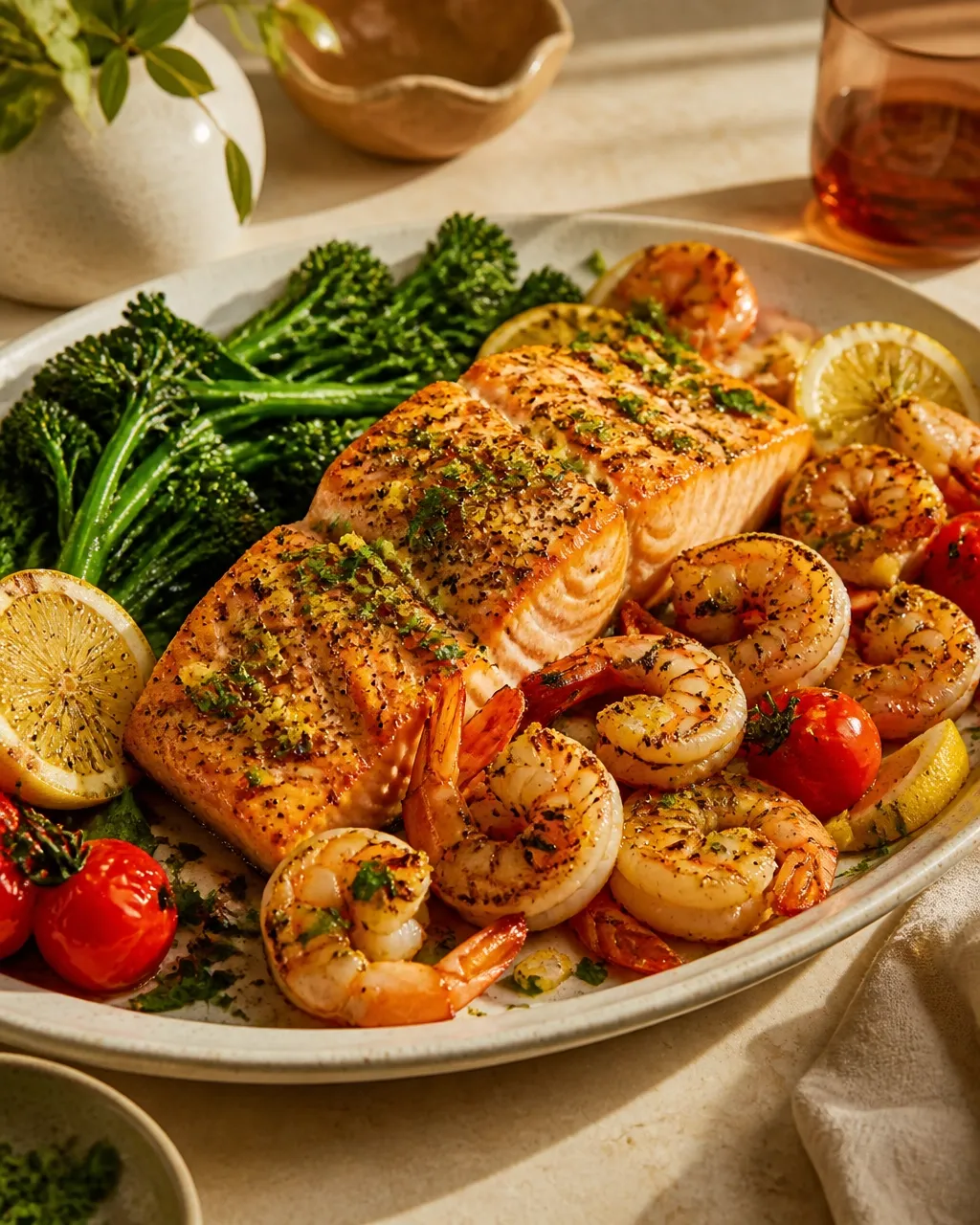
Start with a bone-dry fillet. Use a paper towel and press firmly. Moisture is the enemy of the Maillard reaction: that chemical magic where proteins and sugars transform into a savory, brown crust. If your fish is damp, it will boil in its own juices instead of searing. Check your pan temperature by looking for a shimmering oil surface. When the fish hits the pan, leave it alone. Resist the urge to poke, prod, or slide it around. You need that direct contact to build the crust that acts as an insulating barrier for the delicate fats inside.
Once you’ve achieved that golden-brown shield, flip the fish and immediately introduce your aromatics: garlic, lemon slices, and a splash of stock or white wine. This is where the magic of the "one pot" comes into play. By covering the pan with a lid for the final three minutes, you create a pressurized steam chamber. This moist heat gently penetrates the center of the salmon, ensuring the protein strands don’t contract too tightly and squeeze out their moisture.
Aim for an internal temperature of 125°F to 130°F. Pull the pan off the heat while the fish still looks slightly translucent in the very center. Carryover heat is a real scientific phenomenon; the temperature will continue to rise by about 5 degrees while the fish rests on your plate. Avoid the temptation to cook it until it "looks done" in the pan, or you’ll end up with salmon jerky.
Flavor Variations for the Adventurous Cook
While lemon and dill are the gold standard, you can pivot this technique to suit whatever is lingering in your pantry. The physics remains the same; only the flavor molecules change.
- The Mediterranean Twist: Replace the dill with fresh oregano and add a handful of halved cherry tomatoes and pitted kalamata olives during the steaming phase. The tomatoes will burst, creating a natural sauce that marries perfectly with the lemon juice.
- The Miso-Ginger Pivot: If you want a deeper umami profile, whisk a teaspoon of white miso into your deglazing liquid. Add grated ginger and scallions instead of garlic. This variation highlights the richness of the salmon’s natural oils.
- The Creamy Herb Infusion: For a more indulgent feel, swirl a tablespoon of cold butter or a splash of heavy cream into the pan juices after you’ve turned off the heat. This creates an emulsion that coats the fish in a velvety, herb-flecked glaze.
Balancing the Plate: Side Dish Pairings
When choosing sides for one pot meals, think about contrast. Salmon is a fatty, rich fish. You need elements that provide "brightness" or "crunch" to cut through that weight.
Pair your salmon with a sharp arugula salad dressed in nothing but lemon and a hint of parmesan. The bitterness of the greens acts as a palate cleanser between bites of the rich fish. If you need something more substantial, thin spears of asparagus or snap peas can be tossed directly into the pan during the final steaming minutes. They’ll soak up the lemon-butter juices without requiring an extra pot. For a quick carb fix, try the garlic butter ramen hack on the side: it’s fast, flavorful, and keeps the kitchen energy high.
Frequently Asked Questions
Why did white gunk come out of my salmon?
That white stuff is called albumin. It’s a perfectly safe protein that gets pushed to the surface when the muscle fibers contract too quickly. Usually, this is a sign that your heat was too high or you cooked the fish for too long. To minimize it, use the "sear and steam" method described above and avoid overcooking.
Can I use frozen salmon for this?
Absolutely, but you must thaw it completely first. If the center is still icy, the outside will be overcooked before the inside is even warm. Thaw it in the fridge overnight or in a sealed bag under cold running water for 20 minutes. Just remember: pat it dry! Frozen fish tends to hold more surface moisture.
Does the skin have to stay on?
I’m a firm believer in keeping the skin on during cooking. It acts as a safety net, protecting the delicate flesh from the direct heat of the pan. Even if you don’t plan on eating it, cook it skin-side down first. It helps retain the fat and flavor. If you want crispy skin, ensure the pan is hot and the skin is bone-dry before it touches the oil.
What herbs work best if I don't have dill?
Salmon is surprisingly versatile. Parsley provides a clean, grassy note, while chives add a subtle onion-like bite. If you’re feeling bold, tarragon offers a sophisticated anise flavor that pairs beautifully with the acidity of the lemon. Avoid "hard" herbs like rosemary or sage for this quick cook; they are too woody and take too long to release their oils.
Is it really a "one pot meal" if I serve it with salad?
In the world of easy dinner recipes, we define "one pot" by the main cooking vessel. If you’re tossing a salad in a bowl, that doesn't count against your efficiency score! The goal is to minimize the heavy scrubbing at the end of the night.
{“@type”:”BlogPosting”,”image”:”https://cdn.marblism.com/BLA82fkRHhg.webp”,”author”:{“name”:”Penny”,”@type”:”Person”},”@context”:”https://schema.org”,”headline”:”One Pot 15-Minute Lemon Herb Salmon”,”publisher”:{“logo”:{“url”:”https://cdn.marblism.com/KxroJ1kM_KA.webp”,”@type”:”ImageObject”},”name”:”Cookpedia”,”@type”:”Organization”},”description”:”Learn the science of the perfect 15-minute one-pot lemon herb salmon. Master the sear-and-steam technique for a moist, restaurant-quality healthy dinner.”,”datePublished”:”2026-06-14″,”mainEntityOfPage”:{“@id”:”https://cookpedia.com/one-pot-15-minute-lemon-herb-salmon”,”@type”:”WebPage”}}