Recipe
Servings
Servings 1×
Ingredients
- Chicken
- Rice
- Bread
- Cauliflower
- Broccoli
- Asparagus
- Mushrooms
- Spinach
- Garlic
- Lemon
- Cream
- Hard cheese
- Feta
- Butter
- Cooking oil
- Chili seasoning
- Salt
Method
- Start by patting your chicken completely dry with paper towels.
- Heat your fat, whether it’s oil or butter, over medium-high heat until it shimmers.
- Place the chicken in the pan and, this is the hard part, leave it alone.
- Let it develop that crust.
- Pour in a splash of your cooking liquid and use a wooden spoon to scrape those brown bits into the sauce.
- Stir the dry grains into the aromatics and fat for a minute or two until they smell nutty and look slightly translucent around the edges.
If you have ever stared at a sink full of dishes after a long Wednesday and questioned your life choices, you are officially the reason one pot meals exist. There is something deeply satisfying about making a complete, restaurant-quality dinner without using every burner on your stove. This creamy chicken and rice is the ultimate comfort food hack, it’s savory, rich, and remarkably simple. I’m going to show you how to master the science of the single pot so you can get dinner on the table without the cleanup drama.
The Science of the Perfect One-Pot Sear
To get the most out of your chicken, you have to respect the Maillard reaction. This isn’t just a fancy culinary term; it’s the chemical reaction between amino acids and reducing sugars that gives browned food its distinctive, savory flavor. When you throw cold, wet chicken into a lukewarm pan, it steams rather than sears. Steamed chicken is gray and depressing. You want golden-brown, flavor-packed crusts.
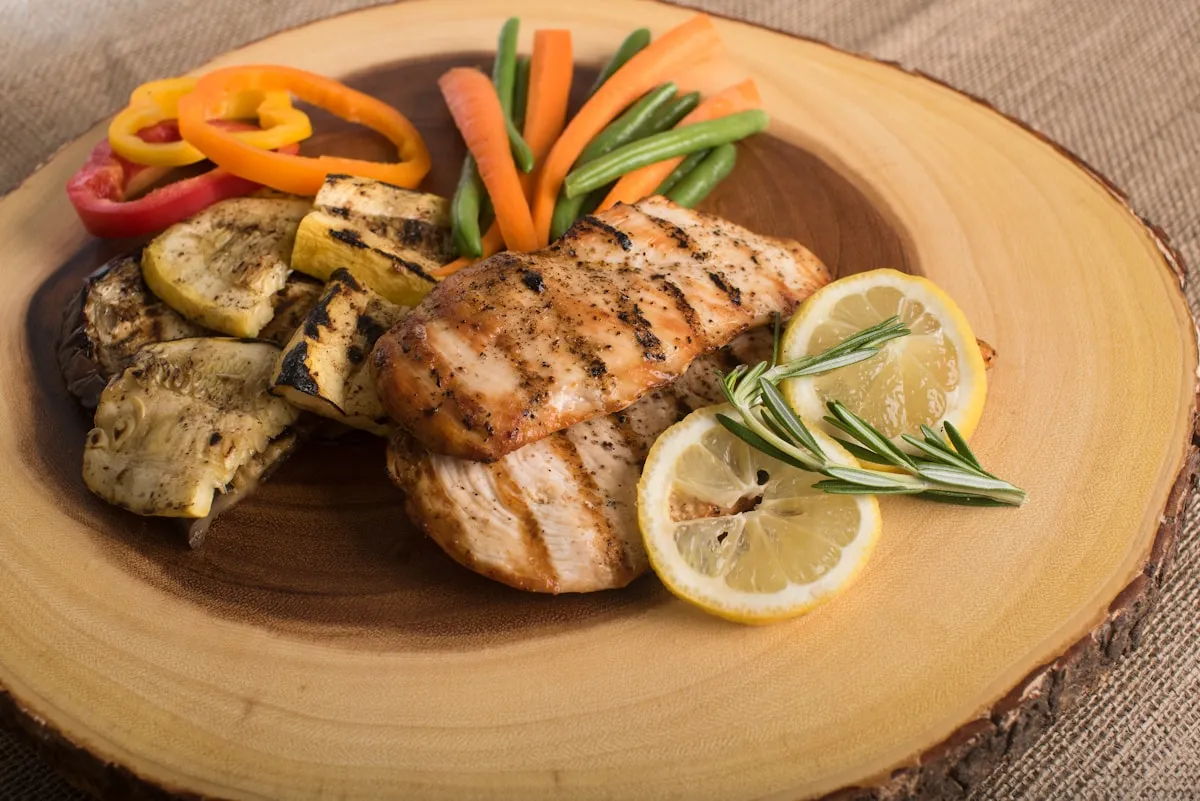
Start by patting your chicken completely dry with paper towels. Any moisture on the surface will absorb heat to evaporate, preventing the temperature from rising high enough for browning. Heat your fat, whether it’s oil or butter, over medium-high heat until it shimmers. Place the chicken in the pan and, this is the hard part, leave it alone. Do not poke it. Do not move it. Let it develop that crust. When you flip it, you’ll notice brown bits stuck to the bottom of the pan. That is "fond," and it is pure gold.
Once the chicken is browned, you need to deglaze. Pour in a splash of your cooking liquid and use a wooden spoon to scrape those brown bits into the sauce. This incorporates all that Maillard-driven flavor back into the rice. This step is non-negotiable if you want a dish that tastes like it took hours instead of thirty minutes. If you are looking for more ways to speed up your routine, check out our quick meals section for more high-impact techniques.
Why Rice Ratios Matter
Cooking rice inside a sauce is more complex than boiling it in a pot of water. In a one-pot chicken dish, the rice is absorbing flavor, but it’s also competing with other ingredients for moisture. For long-grain white rice, the magic ratio is generally 2 parts liquid to 1 part rice. However, because we are aiming for a "creamy" finish, we treat the liquid in two stages.
Before adding your broth, toast your rice. Stir the dry grains into the aromatics and fat for a minute or two until they smell nutty and look slightly translucent around the edges. This coats the starch in fat, which helps the grains maintain their integrity so you don't end up with a pot of mush.
When you add your liquid, keep the heat low and the lid tight. Every time you lift the lid, you lose steam, which messes up your ratio and leads to unevenly cooked grains. If you’re a fan of high-efficiency cooking, you’ll find these principles apply across most of our healthy dishes.
The Dairy Secret: Timing is Everything
Creaminess doesn't come from boiling a pint of cream for twenty minutes. In fact, if you add your dairy too early, the high heat can cause it to "split" or curdle, leaving you with a grainy texture. The secret to a velvety sauce is adding your dairy, milk, heavy cream, or even half-and-half, at the very end of the cooking process.
Once the rice has absorbed the broth and is tender, turn the heat to its lowest setting or off entirely. Stir in your dairy and your cheese (Parmesan is the heavy hitter here for its umami content). The residual heat is more than enough to melt the cheese and emulsify the cream into the starch released by the rice. This creates a stable, glossy sauce that clings to every grain.
Flavor Variations and Swaps
Once you master the base technique, you can start playing with the flavor profile to keep things interesting.
- The Mushroom Earthiness: Swap half the chicken for sliced cremini mushrooms. Sauté them until they release their water and turn deep brown before adding the rice. The earthiness of the mushrooms pairs beautifully with a dash of thyme.
- The Spicy Kick: If you want some heat, stir in a spoonful of harissa or red chili flakes when you sauté your garlic. The creaminess of the dairy will mellow the spice just enough to make it addictive.
- A Mediterranean Twist: Use lemon zest and dried oregano in the base. At the very end, stir in some fresh spinach until it wilts and top with feta instead of Parmesan. This adds a bright acidity that cuts through the richness of the rice.
- Keto Considerations: While rice isn't keto-friendly, you can adapt this using cauliflower rice. However, be warned: cauliflower rice releases water instead of absorbing it. You will need to significantly reduce the broth and skip the lid-on simmering stage, focusing instead on a quick sauté and finishing with heavy cream and plenty of cheese.
Balancing the Plate: Side Dish Pairings
Because this one-pot meal is rich and starchy, you need a side dish that provides a "palate cleanser" effect. This usually means something with high acidity or a bit of crunch to contrast the soft, creamy texture of the main dish.
A simple green salad with a sharp lemon vinaigrette is my go-to. The citric acid helps break down the fats on your tongue, making each bite of the chicken and rice feel as fresh as the first. Avoid heavy, creamy dressings like ranch here; you already have plenty of dairy in the main pan.
If you prefer something warm, roasted broccoli or asparagus with a squeeze of fresh lemon and a sprinkle of sea salt works wonders. The slight bitterness of charred greens balances the savory profile of the chicken stock. The goal is to provide a textural and flavor counterpoint so the meal doesn't feel one-dimensional.
FAQ: Solving One-Pot Mysteries
Why did my rice turn into a gummy paste?
You likely over-stirred. Rice releases starch when it’s agitated. While this is great for risotto, in a one-pot meal, it can lead to a gluey texture. Toast the rice first to seal the grains, and once the lid goes on, leave it alone. Also, ensure you gave the rice a quick rinse beforehand to remove excess surface starch.
Can I use brown rice instead of white?
Yes, but you must adjust your liquid and time. Brown rice has the bran and germ intact, meaning it needs about 2.5 to 3 cups of liquid per cup of rice and will take 40–45 minutes to cook. If you try to swap it 1:1 with white rice instructions, you will end up with crunchy, undercooked grains and a dry pan.
My sauce curdled after I added the lemon! What happened?
Acid and dairy are a volatile combination when heat is involved. Always add your lemon juice or vinegar at the very last second, after the pan is off the heat and the dairy is already fully incorporated. This prevents the proteins in the milk from clumping together.
Is it safe to cook the raw chicken with the rice?
Absolutely, as long as you sear it first. The searing isn't just for flavor; it starts the cooking process. As the rice simmers in the broth, the chicken will continue to cook through. Just ensure the internal temperature of the chicken reaches 165°F (74°C) before serving.
What if my liquid is gone but the rice is still hard?
This happens if your lid isn't tight enough or your simmer was too high. Don't panic. Add a splash (about 1/4 cup) of hot broth or water, put the lid back on, and give it another five minutes on low. The steam will do the rest of the work.
Can I use frozen chicken?
Avoid putting frozen chicken directly into the pot. It will release too much water, ruining your rice-to-liquid ratio and preventing any chance of a good sear. Thaw it completely and pat it dry before you start. If you’re in a rush, our 15-minute meals offer better alternatives for frozen proteins.
{“@type”:”BlogPosting”,”image”:”https://cdn.marblism.com/jw_USZRCwJn.webp”,”author”:{“name”:”Penny”,”@type”:”Person”},”@context”:”https://schema.org”,”headline”:”One-Pot Creamy Chicken and Rice”,”publisher”:{“logo”:{“url”:”https://cdn.marblism.com/r31hCYxu5lk.webp”,”@type”:”ImageObject”},”name”:”Cookpedia”,”@type”:”Organization”},”description”:”Master the science of one pot meals with this creamy chicken and rice guide. Learn the Maillard reaction secrets and rice ratios for a perfect weeknight dinner.”,”datePublished”:”2026-07-08″,”mainEntityOfPage”:{“@id”:”https://cookpedia.com/one-pot-creamy-chicken-and-rice”,”@type”:”WebPage”}}