Recipe
Servings
Servings 1×
Ingredients
- Chickpeas
- Bread
- Tomatoes
- Onion
- Garlic
- Pesto
- Coconut milk
- Cream
- Cheddar
- Butter
- Cooking oil
- Black pepper
Method
- Keep the heat at a gentle simmer to ensure a smooth emulsification.
- Use the "chiffonade" technique: stack the leaves, roll them like a cigar, and slice them into thin ribbons.
- Stir them in once the heat is off.
- Use a sharp cheddar or a nutty gruyère.
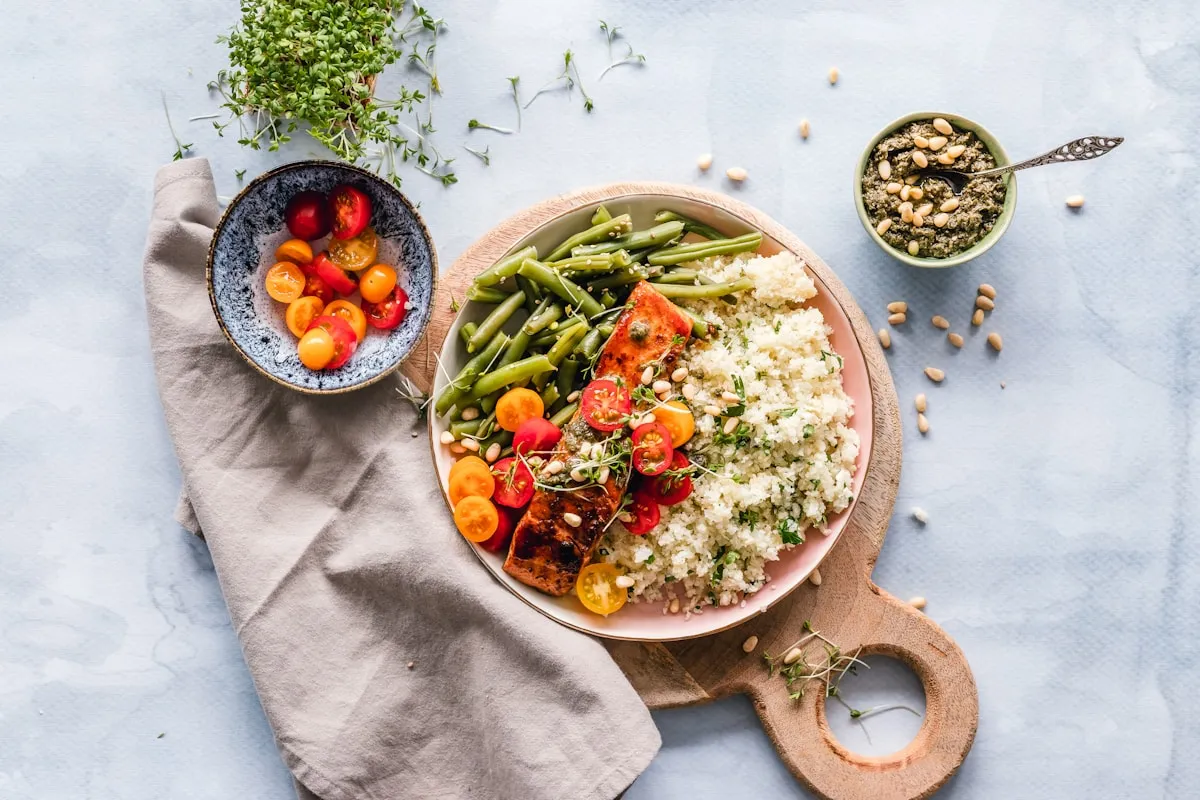
There is something fundamentally broken about the way most of us view "comfort food." We’ve been conditioned to think that soul-warming meals require hours of simmering and a mountain of dishes. I’m here to tell you that’s a lie. When you’re craving that velvety, herbaceous hug that only a bowl of tomato soup can provide, you don’t need a culinary degree or a kitchen staff: you just need one pot and about thirty minutes. This is one of those quick family meals that makes you feel like you’ve actually got your life together, even if the laundry pile in the corner says otherwise.
The Chemistry of Flavor: Mastering the Pot
Creating a soup that tastes like it came from a high-end bistro rather than a dusty can involves more than just dumping ingredients into a vessel and hoping for the best. It starts with the Maillard reaction. This is the scientific process where amino acids and reducing sugars in your onions and garlic react under heat to create those complex, savory brown notes.
Sauté your aromatics until they are translucent and golden. Do not rush this. If you burn the garlic, throw it out and start over; bitterness is the enemy of a good tomato base. Once your base is aromatic, you introduce the tomatoes. Whether you use fresh or canned (though I’ll fight for high-quality canned San Marzanos any day), you’re dealing with a highly acidic fruit.
Balance that acidity with science. You can use a pinch of sugar to trick your taste buds, but the real secret is the interaction between acids and fats. When you eventually add your dairy, the fat molecules coat the tongue, smoothing out the sharp edges of the tomato’s citric acid. However, be careful with the temperature. If you boil the soup after adding the cream, you risk denaturing the proteins, leading to a grainy, curdled mess. Keep the heat at a gentle simmer to ensure a smooth emulsification.
Preserving the basil flavor is another technical hurdle. Basil contains volatile aromatic compounds that are incredibly sensitive to heat. If you toss fresh basil in at the beginning, you’ll end up with brown, tasteless leaves. Instead, reserve your fresh basil for the very end. Use the "chiffonade" technique: stack the leaves, roll them like a cigar, and slice them into thin ribbons. Stir them in once the heat is off. The residual warmth of the soup will release the essential oils without destroying the delicate flavor profile. This approach is what turns a basic recipe into one of your favorite healthy dinner ideas.
Finally, consider the texture. If you want that signature silkiness, use an immersion blender. Blending at high speed forces the fat from the butter or cream to disperse into tiny droplets throughout the liquid, creating a stable emulsion. If you prefer a rustic, chunky feel, mash the tomatoes manually against the side of the pot. Just remember: consistency is the difference between a "broth" and a "soup."
Tailoring the Profile: Creative Variations
While the classic version is iconic, the beauty of a one-pot meal is its adaptability. You can easily pivot this recipe to fit various dietary needs or flavor cravings. For a spicy kick, add a teaspoon of crushed red pepper flakes during the sautéing stage. The capsaicin in the peppers dissolves in the fat of the olive oil, distributing heat evenly throughout the entire pot rather than leaving you with sporadic spicy "landmines."
If you’re leaning into plant-based living, swap the heavy cream for full-fat coconut milk or a cashew cream. Cashew cream is particularly effective because it provides a high protein and fat content that mimics the mouthfeel of dairy without the lactose. For those looking for healthy dinner ideas that are also low-carb, omit any added thickeners like flour or cornstarch. The natural pectin in the tomatoes, combined with a vigorous blend, is often enough to achieve a satisfying body.
For a deeper, smokier profile, try roasting your garlic and tomatoes in the oven first before transferring them to the pot. This caramelizes the natural sugars even further, providing a concentrated "umami" punch that you just can't get from simmering alone. You can even stir in a tablespoon of pesto at the end for an extra hit of garlic and pine nut richness.
The Perfect Pairing: Elevating the Meal
A bowl of soup is a lonely thing without a companion. The gold standard, of course, is a grilled cheese sandwich. The science here is simple: you want a high-fat, salty contrast to the sweet-acidic profile of the soup. Use a sharp cheddar or a nutty gruyère. If you're short on time, you can even look up air fryer recipes dinner enthusiasts swear by to get a perfectly even, crispy crust on your bread without hovering over a stove.
If you want to move away from the traditional sandwich, consider a side of roasted chickpeas or a bright arugula salad. An acidic vinaigrette on your greens can help "reset" your palate between bites of rich, creamy soup. Sourdough croutons are another excellent choice; the fermentation in the sourdough adds a tangy complexity that resonates well with the tomatoes. Always garnish with a final drizzle of extra virgin olive oil and a crack of black pepper to provide a fresh, peppery finish that cuts through the creaminess.
Troubleshooting and FAQ: The Science of "What If?"
Why did my soup curdle when I added the cream?
This usually happens because of a temperature shock or a high acidity level. Dairy proteins (casein) are sensitive to acid and high heat. To prevent this, temper your cream by mixing a little bit of the hot soup into the cold cream in a separate bowl before pouring the whole mixture back into the pot. Most importantly, never let the soup reach a rolling boil once the dairy is in.
Can I use fresh tomatoes instead of canned?
Absolutely, but you need to account for water content and skin. Fresh tomatoes have a higher water-to-solid ratio. You’ll need to simmer them longer to concentrate the flavor. Also, unless you enjoy picking pieces of tomato skin out of your teeth, blanch and peel them first, or be prepared to pass the finished soup through a fine-mesh sieve.
How do I fix a soup that is too acidic?
Don't reach for the sugar immediately. Try adding a tiny pinch of baking soda (about 1/8 teaspoon). Baking soda is a base and will chemically neutralize some of the acid. You’ll see it fizz slightly: that’s the reaction happening! If it’s still too sharp, add a little more butter or cream to mellow it out.
Is this soup freezer-friendly?
Yes and no. The tomato base freezes beautifully. However, dairy-based soups can sometimes separate or become grainy when thawed. If you plan on meal prepping, freeze the soup before adding the cream and basil. When you're ready to eat, reheat the base and stir in the fresh ingredients then.
How do I make it thicker without using a roux?
If you want to keep it gluten-free or just save a step, try adding a peeled, diced potato to the pot while the soup simmers. Once the potato is soft, blend it along with the tomatoes. The starch in the potato acts as a natural thickener that provides a velvety texture without changing the flavor profile.
For more kitchen inspiration and accessible meals for every skill level, be sure to check out our full library of recipes at Cookpedia. Happy cooking!