Recipe
Servings
Servings 1×
Ingredients
- The main ingredients named in the article
- Cooking oil
- Salt and black pepper
Method
- Press the beef into the hot skillet and leave it alone for at least three to four minutes.
- Use Yukon Gold potatoes if you want a buttery texture that holds its shape, or Russets if you prefer a fluffier interior that absorbs the beef fat.
- Keep the lid on for the middle portion of the cooking process to trap steam, which speeds up the softening of the potato cell walls.
- Remove the lid for the final few minutes to let any excess moisture evaporate and allow the edges to crisp back up.
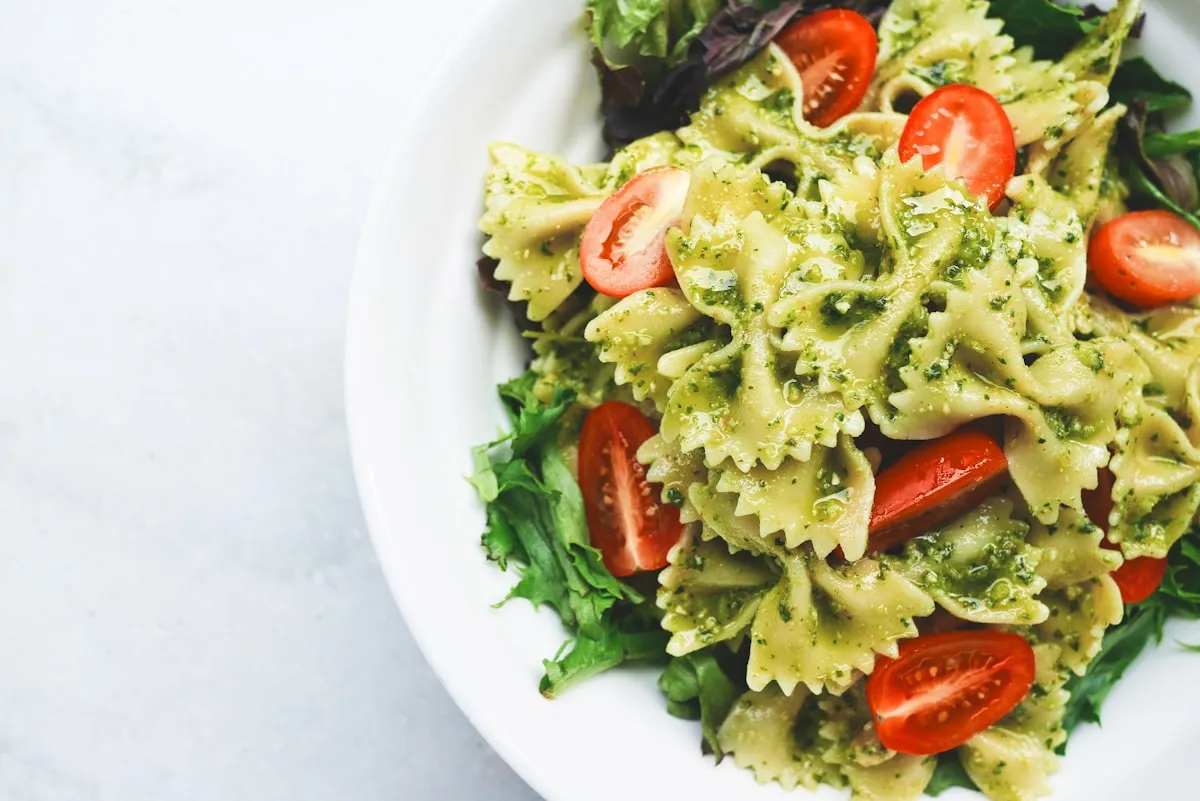
If you’re anything like me, the 5:00 PM scramble is a real-life Olympic sport. You want something that tastes like it took hours but actually fits into the narrow window between finishing work and collapsing on the sofa. That is exactly where my obsession with one pot meals comes in. This ground beef and potato skillet is the ultimate solution for those nights when you need a victory without the dish-washing marathon. It’s hearty, soulful, and hits that perfect intersection of comfort food and efficiency.
The Science of the Sear: Mastering the Maillard Reaction
The secret to why this dish tastes so much better than a standard "hamburger helper" style meal lies in a bit of kitchen chemistry called the Maillard reaction. This is the chemical dance between amino acids and reducing sugars that happens when you apply high heat to protein. When you brown your ground beef, you aren't just changing the color; you are creating hundreds of new flavor compounds that didn't exist when the meat was raw.
To get the most out of this, avoid the temptation to move the meat around constantly. Press the beef into the hot skillet and leave it alone for at least three to four minutes. You want a deep, mahogany crust to form. This crust is the "umami bomb" that seasons the entire dish once the potatoes and liquids are added. If you move the meat too soon, it will steam in its own juices rather than sear, leaving you with gray, lackluster crumbles instead of flavorful morsels.
Always use a heavy-bottomed skillet, preferably cast iron. These pans have high thermal mass, meaning they don’t drop in temperature the second you add cold ingredients. This consistency is vital for maintaining the heat needed for that Maillard magic. While some people look for air fryer recipes dinner options for speed, the direct contact of a skillet is non-negotiable here for developing that specific depth of flavor.
Potato Starch Management and Texture Control
Potatoes are the backbone of this meal, but they can be finicky. The difference between a pillowy, golden potato and a mushy mess comes down to starch management. Use Yukon Gold potatoes if you want a buttery texture that holds its shape, or Russets if you prefer a fluffier interior that absorbs the beef fat.
Avoid soaking your potatoes in water before adding them to the skillet. While soaking is great for fries, you want that surface starch to help create a slight crust as they sauté with the beef. This starch also acts as a natural thickener for the juices in the pan, creating a light, silky "sauce" without needing to add flour or cornstarch.
Manage your heat carefully once the potatoes are in. You need enough heat to soften the interior through conduction, but not so much that the outsides burn before the middle is tender. Keep the lid on for the middle portion of the cooking process to trap steam, which speeds up the softening of the potato cell walls. Remove the lid for the final few minutes to let any excess moisture evaporate and allow the edges to crisp back up. This balance of steaming and searing is what makes these quick family meals so satisfying.
Variations: Remixing Your One-Pot Meal
Once you master the base technique, the sky is the limit for variations. Think of this skillet as a blank canvas. If you're looking for healthy dinner ideas, swap the ground beef for lean ground turkey or chicken. Because these meats have less fat, you’ll need to add a tablespoon of high-quality olive oil to the pan to ensure the potatoes don't stick and the Maillard reaction can still occur.
For a Southwest flair, lean into spices like cumin, smoked paprika, and canned green chiles. Finish the dish with a heavy hand of sharp cheddar and some sliced jalapeños for a kick that cuts through the richness of the beef. If you prefer something more Mediterranean, use ground lamb, toss in some dried oregano, and crumble feta over the top right before serving.
Another favorite in my kitchen is the "Breakfast for Dinner" version. Create small wells in the beef and potato mixture once everything is cooked, crack a few eggs into them, and cover the pan until the whites are set but the yolks are still runny. It’s a game-changer for those nights when the fridge is looking a bit bare.
The Perfect Balance: Side Dish Pairings
Because this skillet is quite rich and savory, you need side dishes that provide a "bright" contrast. Think about acidity and crunch. A simple arugula salad with a heavy lemon vinaigrette is my go-to. The peppery bite of the arugula and the sharp acid of the lemon cut right through the fat of the ground beef, cleansing your palate between bites.
Pickled red onions or a quick cucumber salad are also excellent choices. You want something that doesn't require the oven or another heavy pan, keeping the "one pot" spirit alive. If you feel like you need more greens, steam some broccoli or green beans directly in the microwave or a small pot with just a splash of water and salt. The goal is to keep the sides light so the skillet remains the undisputed star of the show.
Troubleshooting and FAQ
What if my potatoes are still hard but the beef is overcooking?
This usually happens if your potato cubes are too large or your heat is too high. Next time, dice the potatoes into smaller, uniform half-inch cubes. If you're stuck in this situation now, add two tablespoons of water or broth to the pan and cover it tightly with a lid. The steam will penetrate the potatoes quickly without further browning the beef.
Why did my beef turn out dry?
You likely over-crumbled it. When browning, leave the beef in larger chunks initially. If you break it into tiny grains too early, the surface area increases, causing moisture to evaporate too fast and leaving the meat parched. Keep the chunks substantial until the very end of the cooking process.
Can I use frozen potatoes?
Yes, but be careful. Frozen diced potatoes often contain a lot of excess moisture. Thaw them slightly and pat them very dry with a paper towel before adding them to the skillet. If you dump them in frozen, the temperature of your pan will plummet, and you’ll end up boiling the meat rather than searing it.
My skillet is a greasy mess, what do I do?
The fat content in ground beef varies wildly. If you see more than a couple of tablespoons of liquid fat in the bottom of the pan after browning the meat, tilt the skillet and spoon out the excess. Leave just enough to coat the potatoes; too much fat will prevent the potatoes from crisping and make the final dish feel heavy on the tongue.
How do I store and reheat this?
Store leftovers in an airtight container for up to three days. When reheating, avoid the microwave if possible: it makes the potatoes gummy. Instead, toss them back into a hot skillet with a tiny splash of water. This revives the texture of the beef and helps the potatoes regain some of that "just-cooked" feel.
For more inspiration on efficient cooking, check out our Cookpedia Recipe Database for more high-impact flavor profiles. Using these fundamental techniques ensures that even the simplest one pot meals feel like a gourmet experience.