Recipe
Servings
Servings 1×
Ingredients
- Chicken
- Rice
- Bread
- Asparagus
- Spinach
- Peas
- Tomatoes
- Onion
- Garlic
- Lemon
- Hard cheese
- Butter
- Cooking oil
Method
- Let’s be honest: the only thing better than a home-cooked meal is a home-cooked meal that doesn't leave you scrubbing a mountain of pans until your fingers prune.
- Pat your chicken bone-dry before it touches the pan.
- Use a heavy-bottomed skillet or a Dutch oven to maintain consistent heat.
- Use a 1:1.75 ratio rather than the standard 1:2.
- Add two tablespoons of hot stock, put the lid back on, and let it sit on the lowest possible heat for another five minutes.
- Add half the zest during the rice-toasting phase and the other half right before serving.
Let’s be honest: the only thing better than a home-cooked meal is a home-cooked meal that doesn't leave you scrubbing a mountain of pans until your fingers prune. I’ve spent years perfecting the art of the "one-pot wonder," and this Lemon Herb Chicken and Rice is the undisputed heavyweight champion of my kitchen. It’s bright, it’s comforting, and it’s the ultimate solution when you need easy dinner recipes that actually deliver on flavor without the chaos.
The Science of the Sear and the Starch
To master one pot meals, you have to stop thinking about ingredients as just "food" and start seeing them as a series of chemical reactions waiting to happen. The first non-negotiable is the Maillard reaction. This is the magical process where proteins and sugars on the surface of your chicken transform under high heat into that beautiful, savory brown crust.
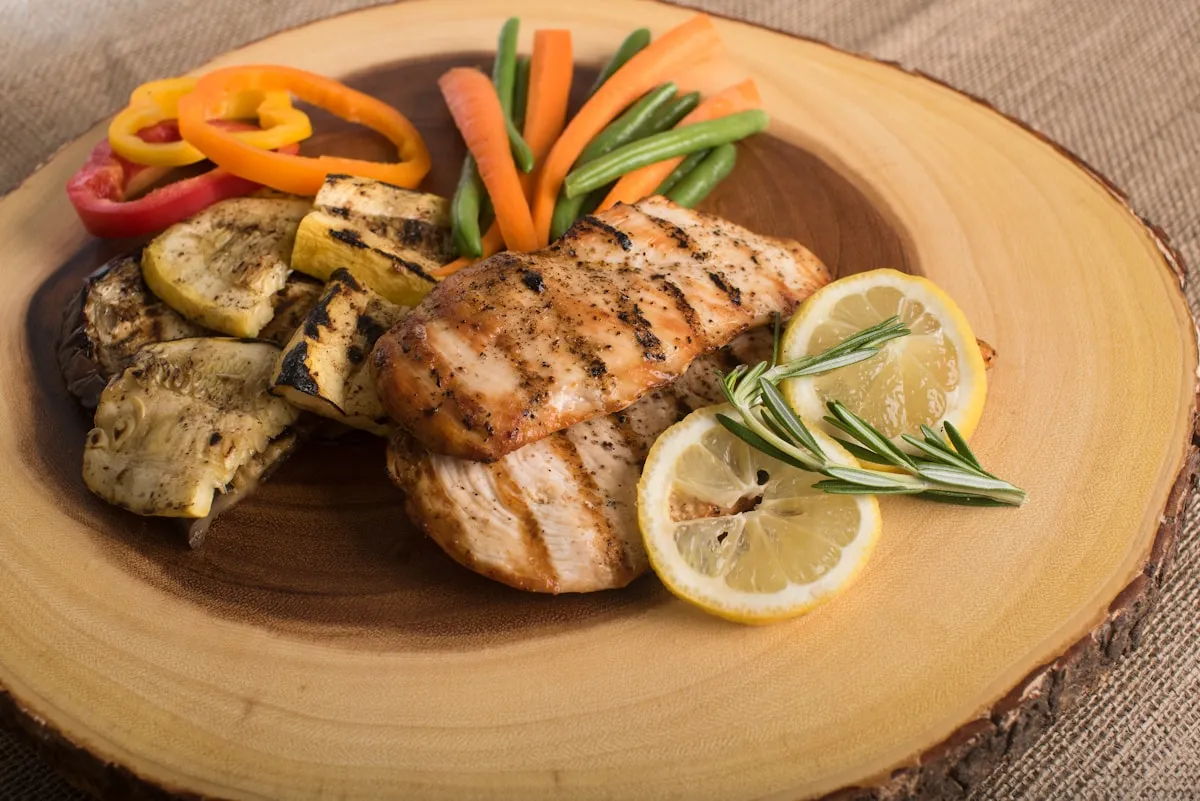
Mastering the Maillard Reaction
Pat your chicken bone-dry before it touches the pan. Moisture is the enemy of browning; if the chicken is damp, it will steam rather than sear. Use a heavy-bottomed skillet or a Dutch oven to maintain consistent heat. When you sear the chicken, you aren’t trying to cook it through: you’re creating "fond." Those little browned bits stuck to the bottom of your pan are pure gold. They are the concentrated essence of flavor that will eventually season every single grain of rice.
The Secret to Fluffy Rice
Once the chicken is out, don’t just dump the liquid in. You need to toast your rice. This step is crucial for starch control. By sautéing the dry rice in the leftover chicken fat and a bit of butter, you coat each grain in a thin layer of lipids. This slows down the water absorption just enough to prevent the grains from bursting and turning into a gummy mess. Think of it as waterproofing your dinner. This technique is exactly what I use for my Spicy Tomato Basil One-Pot Linguine to ensure the starch works for you, not against you.
Acid and Liquid Ratios
Deglazing with lemon juice does more than just add a zingy top note. The acidity helps lift that fond off the pan, integrating it into the cooking liquid. For this dish, the ratio of liquid to rice is tighter than usual because the chicken will release its own juices as it finishes cooking on top of the rice. Use a 1:1.75 ratio rather than the standard 1:2. This prevents the rice from becoming waterlogged. If you’re looking for quick family meals that don't sacrifice texture, precision in your liquid measurements is your best friend.
Flavor Variations and Herb Swaps
The beauty of this template is its flexibility. While lemon and thyme are a classic duo, you can easily pivot based on what’s languishing in your crisper drawer.
- The Mediterranean Twist: Swap the thyme for dried oregano and add a handful of kalamata olives and sun-dried tomatoes right before you cover the pot. The saltiness of the olives provides a sharp contrast to the creamy rice.
- The Garlic Bomb: If you’re a garlic lover (and who isn't?), double the cloves and use a mix of fresh minced and roasted garlic. The roasted cloves will melt into the rice, creating a velvety texture.
- The Grain Swap: If you want to use brown rice, be prepared to adjust your timeline. Brown rice takes significantly longer to cook, meaning your chicken breasts might turn into leather if added too early. In this case, use chicken thighs, which are far more forgiving and stay juicy during the longer simmer.
If you’re in the mood for something even more hands-off, you might want to check out some air fryer recipes dinner enthusiasts rave about, like my Kielbasa & Pierogi Roast. It’s a different kind of one-pot magic, but just as effective for healthy dinner ideas.
Perfect Side Dish Pairings
Since this is a hearty, starch-forward dish, your sides should focus on providing a "crunch" and a "cut." You want something that balances the richness of the chicken fat and the soft texture of the rice.
- Arugula Salad with Shaved Parmesan: The peppery bite of arugula and a simple lemon-olive oil dressing will cut right through the savory rice.
- Charred Asparagus: Toss these in the oven or an air fryer while the rice rests. The slight bitterness of charred greens is the perfect foil for the bright lemon notes in the main dish.
- Quick Pickled Red Onions: These add a pop of color and a sharp vinegary hit that wakes up the palate between bites of chicken.
If you’re looking for more quick family meals to round out your weekly rotation, pairing a one-pot main with a 5-minute salad is the gold standard for stress-free evenings.
Troubleshooting and FAQ
Why is my rice still crunchy after the timer goes off?
This usually happens because the lid wasn't tight enough, allowing too much steam to escape. Don't panic. Add two tablespoons of hot stock, put the lid back on, and let it sit on the lowest possible heat for another five minutes. Then, let it rest off the heat. Resting is not optional; it’s when the moisture redistributes.
Can I use chicken breasts instead of thighs?
You can, but proceed with caution. Breasts lack the fat content of thighs and dry out quickly. If you use breasts, make sure they are of even thickness (pound them down if necessary) and reduce your simmering time slightly. Check for an internal temperature of 165°F (74°C) to ensure they stay succulent.
My rice turned out mushy. What happened?
You likely over-stirred. Once you add the liquid and bring it to a simmer, stop touching it. Agitating the rice releases excess starch into the water, creating a glue-like consistency. Also, check your liquid ratio: too much broth is the primary cause of "mush." For more tips on managing moisture in the kitchen, see my guide on Air Fryer Sausage and Peppers.
How do I get more lemon flavor without it being too sour?
Use the zest! Most of the "lemony" aroma comes from the oils in the skin, not the juice. Add half the zest during the rice-toasting phase and the other half right before serving. This provides a layered citrus profile that is fragrant rather than just acidic.
Is this a good option for healthy dinner ideas?
Absolutely. It's a balanced meal of protein, complex carbohydrates, and healthy fats. To make it even leaner, you can increase the ratio of vegetables: like folding in fresh spinach or peas at the very end: to boost the fiber content without adding a second pot.
{“@type”:”BlogPosting”,”image”:”https://cdn.marblism.com/pITMZXKVTzH.webp”,”author”:{“name”:”Penny”,”@type”:”Person”},”@context”:”https://schema.org”,”headline”:”One-Pot Lemon Herb Chicken & Rice”,”keywords”:”one pot meals, easy dinner recipes, air fryer recipes dinner, quick family meals, healthy dinner ideas”,”publisher”:{“logo”:{“url”:”https://cookpedia.com/logo.png”,”@type”:”ImageObject”},”name”:”Cookpedia”,”@type”:”Organization”},”description”:”Master the art of one-pot cooking with this science-backed guide to Lemon Herb Chicken & Rice. Learn how to achieve perfectly crispy skin and fluffy rice every time.”,”datePublished”:”2026-05-22″,”mainEntityOfPage”:{“@id”:”https://cookpedia.com/one-pot-lemon-herb-chicken-rice”,”@type”:”WebPage”}}