Recipe
Servings
Servings 1×
Ingredients
- Chicken
- Salmon
- Shrimp
- Tofu
- Lentils
- Quinoa
- Pasta
- Noodles
- Rice
- Eggs
- Potatoes
- Peas
- Cucumber
- Onion
- Garlic
- Fresh ginger
- Lemon
- Honey
Method
- Let’s dive into how you can master these easy dinner recipes without breaking a sweat (or a plate).
- Start with your aromatics, onions, garlic, ginger, and your fats.
- Use a heavy-bottomed pan for even heat distribution and keep the heat at a steady medium-low once the liquid is added.
- Add them in the last 5 minutes of cooking.
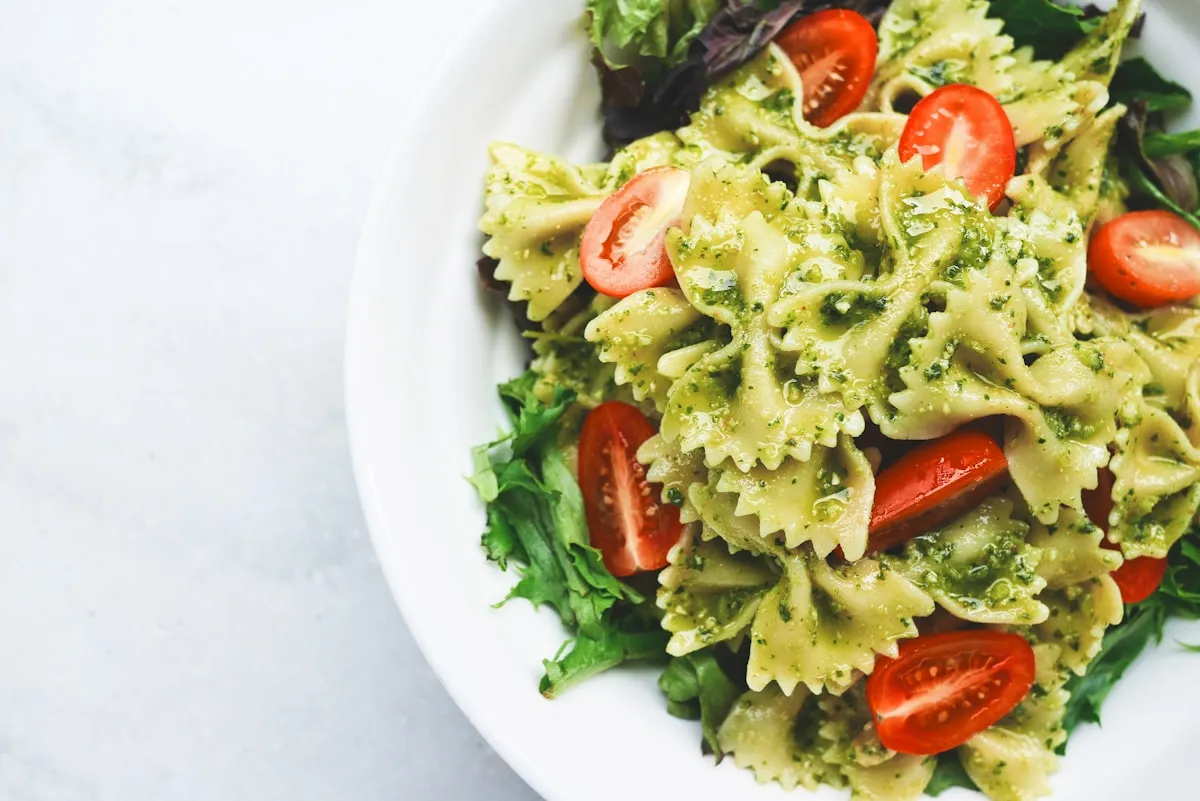
If you’re anything like me, the sight of a mountain of dishes after a long day is enough to make you reach for the takeout menu. We’ve all been there, you want a home-cooked dinner that tastes like it took hours, but you only have twenty minutes and zero desire to scrub three different pans. This is where one pot meals become your kitchen superpower. By keeping everything in a single vessel, you aren’t just saving your sanity; you’re actually creating deeper, more cohesive flavors. Let’s dive into how you can master these easy dinner recipes without breaking a sweat (or a plate).
The Science of the Sizzle: Why One Pot Works
Cooking everything in one pot isn't just a lazy hack; it’s a strategic way to build flavor layers that you simply can't achieve when boiling pasta in one pot and simmering sauce in another. When you use one pot, you are essentially creating a self-contained ecosystem of flavor.
The first scientific principle you need to master is the Maillard reaction. This is the chemical reaction between amino acids and reducing sugars that gives browned food its distinctive flavor. When you sear your chicken or sauté your onions directly in the pot you’ll use for the whole meal, those browned bits, known as fond, stick to the bottom. Don't wash those away! Those bits are concentrated flavor gold. When you eventually add your liquid (broth, wine, or even water), you "deglaze" the pan, lifting that fond and incorporating it into the base of your dish.
Starch management is the second pillar of one-pot success. Whether you’re making a creamy pasta or a fluffy rice dish, the starch released from the grains stays in the pot rather than being drained away in a colander. In a one-pot pasta, that starch acts as a natural emulsifier, binding your sauce to the noodles and creating a silky, luxurious mouthfeel without needing excessive amounts of heavy cream. It’s a technique that turns quick family meals into something that feels decidedly gourmet.
Lastly, consider moisture retention. Using a heavy-lidded pot, like a Dutch oven, creates a pressurized environment that allows tough fibers in vegetables and meats to break down faster. This is why a one-pot curry or a braised chicken dish feels so much more "soulful", the ingredients have spent the entire cooking time getting to know each other, exchanging juices and aromas in a closed loop.
Mastering Your Technique
To get the most out of your one pot meals, you must follow a specific order of operations. Stop throwing everything in at once! Start with your aromatics, onions, garlic, ginger, and your fats. Once those are fragrant, add your proteins to get that crucial sear. Only then should you introduce your liquids and starches.
Check your liquid ratios frequently. Because the starch is staying in the pot, it will absorb liquid more aggressively than usual. If you’re making a healthy dinner ideas staple like a quinoa or lentil stew, keep a kettle of hot water nearby. Adding cold water can shock the ingredients and stop the cooking process, whereas hot water maintains the momentum. Avoid over-stirring, especially with rice-based dishes, as this can break the grains and turn your beautiful dinner into a gummy mess.
Flavor Variations: From Mediterranean to Southeast Asian
The beauty of the one-pot method is its versatility. You can take the basic "starch + protein + liquid" formula and travel the world with it.
For a Mediterranean vibe, think about a Salmon and Dill Pasta. The fattiness of the salmon pairs perfectly with the starchy pasta water, and a handful of peas adds a pop of sweetness. If you’re looking for something with a bit more kick, a Shakshuka is the ultimate one-pan wonder. By simmering eggs directly in a spicy, chunky tomato and pepper sauce, you get a meal that works for breakfast, lunch, or dinner. It's one of those easy dinner recipes that looks incredibly impressive but requires very little technical skill.
If you want to lean into Southeast Asian profiles, a Shrimp Pad Thai or a Tofu Stir Fry are excellent candidates. The key here is high heat and fast movement. Even though it's all in one pan, the goal is to keep the vegetables crisp and the proteins succulent. For those nights when you really don't want to stand over the stove, a baked casserole topped with melted cheese can do the heavy lifting in the oven while you relax. And if you're a fan of modern kitchen tech, some of these profiles even work as air fryer recipes dinner options, provided you have a basket-safe baking dish.
Perfect Pairings: Balancing the Pot
Because one pot meals tend to be rich and starch-heavy, your side dishes should provide a sharp contrast. Think of it as a culinary see-saw. If your main dish is a creamy, one-pot lasagna soup or a cheesy pasta, you need acidity and crunch to cut through that richness.
A simple arugula salad with a lemon-heavy vinaigrette is my go-to. The bitterness of the greens and the punch of the citrus reset your palate between bites of a hearty stew. If you're serving something spicy, like a Thai green curry, a quick cucumber ribbon salad with rice vinegar and a pinch of sugar provides a cooling, refreshing counterpoint. Avoid serving heavy breads or potatoes alongside these meals unless the main dish is specifically a light, brothy soup. You want to complement the dish, not overwhelm your guests with a "beige" plate.
One Pot FAQ: Troubleshooting Your Dinner
What if my pasta is mushy but the sauce is still watery?
This usually happens if you’ve used too much liquid or didn't maintain a high enough simmer. Science says: remove the lid! Increasing the surface area for evaporation will thicken the sauce quickly. Next time, use the "just covered" rule, liquid should only just cover the solids.
How do I prevent the bottom from burning?
Sugar and starch are the usual culprits. If you’re using a sauce with honey or tomato paste, it can caramelize (and then burn) on the bottom before the middle is cooked. Use a heavy-bottomed pan for even heat distribution and keep the heat at a steady medium-low once the liquid is added.
Can I use frozen vegetables in one-pot dishes?
Yes, but timing is everything. Frozen veggies release a lot of water. If you add them at the start, you’ll end up with a soggy mess. Add them in the last 5 minutes of cooking. This ensures they heated through but retain their structural integrity.
Why is my chicken dry even though it's in a sauce?
You likely overcooked it during the initial searing phase. Remember, the chicken will continue to cook as it simmers with the rest of the ingredients. Aim for a golden-brown exterior but keep the interior underdone before adding your liquids.
Is it possible to make these as healthy dinner ideas for a crowd?
Absolutely. One-pot cooking scales beautifully. Just ensure your pot is large enough that the ingredients aren't "steaming" on top of each other when you're trying to sear. If the pot is overcrowded, the temperature drops, and you lose that Maillard reaction we talked about earlier.
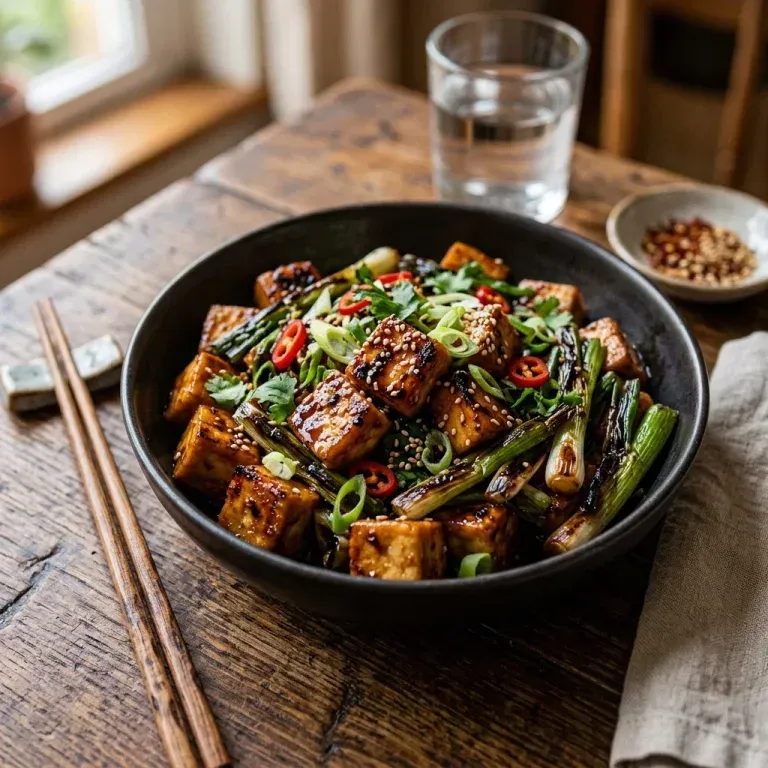
For more inspiration on quick kitchen hacks, check out our Garlic Butter Ramen Hack which uses a similar single-pan philosophy to transform basic noodles into a five-star meal. Remember, the best part of these one pot meals isn't just the flavor: it's the fact that you'll be done with the dishes before the Netflix intro finishes. Happy cooking!