Recipe
Servings
Servings 1×
Ingredients
- Tofu
- Lentils
- Chickpeas
- Black beans
- Beans
- Quinoa
- Pasta
- Rice
- Bread
- Potatoes
- Sweet potatoes
- Broccoli
- Carrots
- Spinach
- Kale
- Corn
- Tomatoes
- Onion
Method
- Let’s be honest: the absolute worst part of cooking isn’t the chopping or the waiting, it’s the mountain of dishes staring you down afterward.
- Start with your aromatics, onions, garlic, celery, and carrots.
- Use a heavy-bottomed pot like a Dutch oven if you have one.
- Use chickpeas as your protein and finish the pot with a massive handful of kale and a squeeze of fresh lemon.
- Use red curry paste and coconut milk as your simmering liquid.
- Use something like arugula or radicchio, the bitterness balances the sweetness of cooked root vegetables like carrots or squash.
Let’s be honest: the absolute worst part of cooking isn’t the chopping or the waiting, it’s the mountain of dishes staring you down afterward. If you are tired of scrubbing three different pans for a single dinner, you are in the right place. Transitioning to a plant-based lifestyle doesn't have to mean spending your life savings on fancy meat substitutes or your entire evening at the kitchen sink. By mastering a few one pot meals, you can feed yourself and your family with minimal effort and maximum flavor.
I’ve spent years refining the art of the "single-vessel" dinner, and I’m here to tell you that plant-based cooking is actually the secret weapon for budget friendly recipes. Whether you are looking for quick family meals or just trying to simplify your Sunday meal prep, these strategies will change how you view your kitchen.
The Science of Flavor Layering and Heat Retention
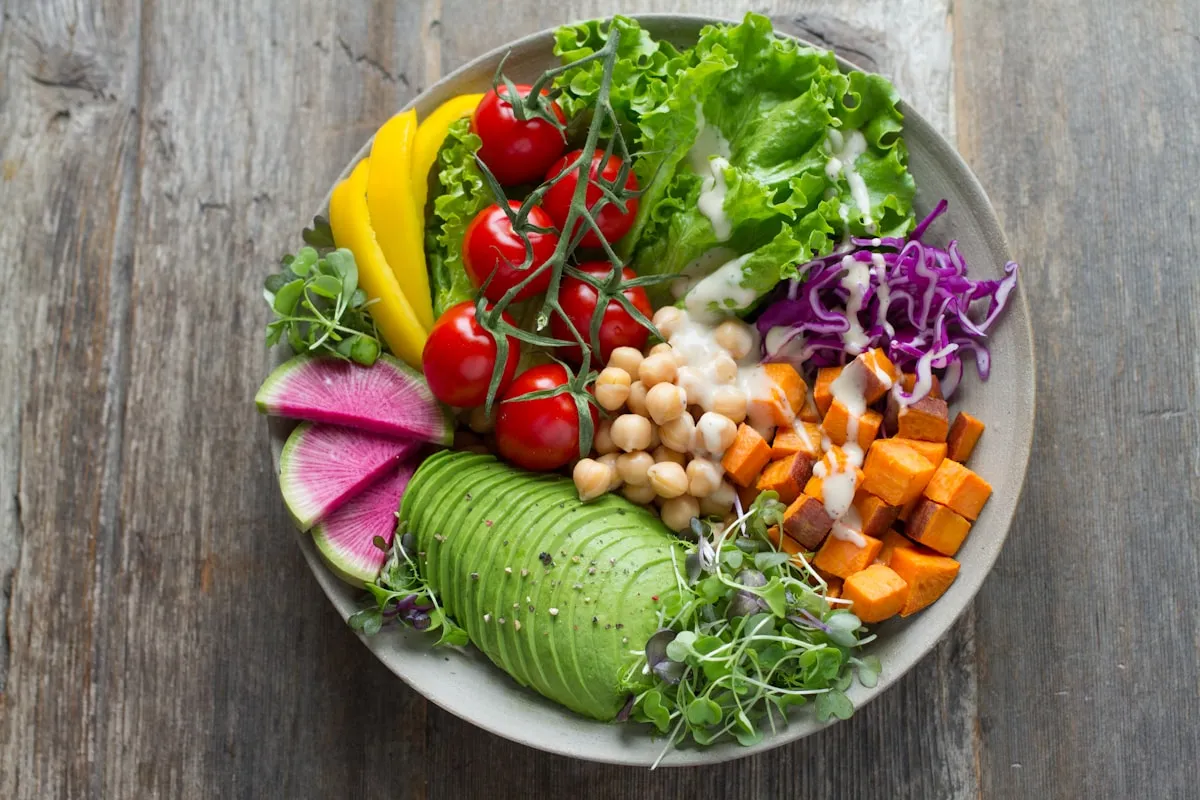
To make a truly spectacular one-pot dish, you have to understand why it works. It’s not just about tossing everything into a pot and hoping for the best; it’s about managing the chemistry of your ingredients. When you cook everything together, you are essentially creating a self-contained ecosystem of flavor.
Start with your aromatics, onions, garlic, celery, and carrots. Use a heavy-bottomed pot like a Dutch oven if you have one. Why? Because heavy pots distribute heat more evenly and retain it longer. This prevents the "hot spots" that lead to scorched beans at the bottom while the top is still cold. When you sauté your aromatics, you are triggering the Maillard reaction. This is the chemical reaction between amino acids and reducing sugars that gives browned food its distinctive, savory flavor. Even in budget friendly recipes, skipping this step is a crime. If you don't brown your onions first, your final dish will taste "flat."
Once your base is fragrant, you introduce your liquids and starches. This is where the magic happens. In traditional cooking, you might boil pasta in a separate pot of water and then drain that water away. Stop doing that! When you cook pasta, rice, or lentils directly in the sauce or broth, the starches released during the cooking process act as a natural thickener. Instead of a watery sauce, you get a silky, cohesive glaze that clings to every bite. This technique is particularly vital for healthy dinner ideas because it allows you to achieve richness without needing heavy creams or excessive oils.
Furthermore, consider the nutritional science. When you boil vegetables in water and pour that water down the drain, you are literally throwing away water-soluble vitamins like Vitamin C and B-complex vitamins. In one pot meals, those nutrients stay exactly where they belong, in the pot. The grains or legumes absorb the nutrient-dense liquid, making your meal more bioavailable and satisfying. Check out our Garlic Butter Ramen Hack for a great example of how starch-heavy liquids create an incredible mouthfeel.
Strategic Variations for Every Palate
One of the best things about plant-based one-pot cooking is its incredible versatility. You can take a basic foundation, say, a red lentil base, and pivot it in three different directions depending on what is in your pantry. This flexibility is the cornerstone of budget friendly recipes.
If you are craving something with a kick, lean into a "Southwest" profile. Swap your basic vegetable broth for a spiced tomato base and add black beans, corn, and smoked paprika. The acidity of the tomatoes helps break down the fibers in the beans, leading to a creamier texture. If you want something more comforting and earthy, go the Mediterranean route. Use chickpeas as your protein and finish the pot with a massive handful of kale and a squeeze of fresh lemon. The lemon isn't just for flavor; the Vitamin C in the citrus actually helps your body absorb the non-heme iron found in the kale and chickpeas.
For those who prefer Asian-inspired profiles, a one-pot coconut curry is your best friend. Use red curry paste and coconut milk as your simmering liquid. The fat in the coconut milk carries the fat-soluble compounds in spices like turmeric and ginger, ensuring the flavors permeate every cell of your tofu or sweet potatoes. These are the kinds of quick family meals that taste even better the next day because the flavors have more time to meld in the fridge.
Balancing the Plate: Side Dish Pairings
While a one-pot meal is technically a complete "all-in-one" solution, the right pairing can elevate it from a simple weeknight fuel-up to a restaurant-quality experience. The key here is contrast. Since most one pot meals tend to be soft and stew-like in texture, you want a side dish that provides crunch or a bright hit of acidity to cut through the richness.
A simple, crisp green salad with a sharp vinaigrette is a non-negotiable for me. Use something like arugula or radicchio, the bitterness balances the sweetness of cooked root vegetables like carrots or squash. If you have an air fryer, you can create the perfect textural contrast by making quick garlic croutons or roasted chickpeas. While we usually focus on the stove, using air fryer recipes dinner accessories like crispy kale chips can add that much-needed "snap" to a bowl of soft lentils.
Another fantastic pairing is a piece of charred crusty bread. Use it to swipe up the starch-thickened sauce at the bottom of your bowl. If you are keeping it gluten-free, roasted broccoli florets with a heavy char provide a "toasty" flavor that complements the deep, simmered notes of a plant-based chili or stew.
One-Pot Troubleshooting: The Science FAQ
Why did my rice turn into mush while my beans are still hard?
This is a classic timing issue related to water absorption rates. Different plants have different structural densities. Dried beans require a significantly longer time to soften than grains like rice or quinoa. When making one pot meals, you must stagger your additions. Start with your beans (or use canned for speed), and only add your grains when the beans are about 75% of the way to your desired texture. If you add them both at once, the rice will over-hydrate and lose its cellular structure before the beans are even edible.
Is it really cheaper to cook this way?
Absolutely. Budget friendly recipes rely on "pantry pull" logic. When you cook in one pot, you are more likely to use up the "odds and ends" of your vegetable drawer, that half-onion, the two slightly soft carrots, the handful of spinach. Plus, buying dried legumes in bulk and cooking them in the pot is roughly 70% cheaper than buying pre-cooked canned versions or processed meat alternatives.
Can I freeze these for meal prep?
Yes, but with one scientific caveat: starch retrogradation. When cooked starches (like potatoes or pasta) are cooled and then frozen, the starch molecules crystallize. This can sometimes lead to a "grainy" or "mealy" texture upon reheating. To avoid this, undercook your starches slightly if you know the pot is destined for the freezer. When you reheat the dish, the starch will finish its hydration process without turning into paste.
My dish tastes "boring" even though I followed the recipe. What happened?
You are likely missing acidity. While salt enhances flavor, acid (lemon juice, vinegar, or even a splash of pickle juice) brightens it. Acid triggers the salivary glands, which helps spread the flavor across your tongue more effectively. Always add a splash of acid right before serving; cooking it for too long can dull its bright, top-note profile. This is the secret to making healthy dinner ideas taste like they came from a professional kitchen.
Do I need a special pot for this?
While you can use any pot, a heavy-bottomed vessel is your best friend. Thin-bottomed stainless steel pots have low thermal mass, meaning they lose heat quickly when you add cold ingredients and are prone to scorching. If you find your food sticking, lower your heat and add a splash of water or broth to deglaze the bottom. This lifts those flavorful browned bits (the "fond") back into the sauce.
By focusing on these simple scientific principles, you can turn a humble pot of beans into a culinary masterpiece. Happy cooking!