Recipe
Servings
Servings 1×
Ingredients
- Chicken
- Orzo
- Pasta
- Rice
- Bread
- Mushrooms
- Spinach
- Garlic
- Lemon
- Cream
- Hard cheese
- Salt
- Black pepper
Method
- Start with a wide, heavy pot or deep skillet.
- Use the same principle with the mushrooms.
- Keep the heat high enough to evaporate that moisture, and avoid piling them into a crowded heap.
- Add garlic late in this stage because it can go from fragrant to bitter with surprising speed.
- Toast the dry orzo for a minute or two before adding liquid.
- Use a gentle simmer, not an aggressive boil.
Some dinners ask for a mountain of dishes. This creamy chicken, mushroom, and spinach orzo asks for one good pot and a little attention. That is a fair trade. The chicken turns golden, the mushrooms bring savory depth, and the orzo cooks directly in the sauce until it becomes wonderfully creamy. If your searches include “air fryer recipes dinner,” “quick family meals,” or “healthy dinner ideas,” keep this cozy skillet dinner nearby. It is comforting, practical, and very weeknight-friendly.
Why One-Pot Orzo Gets So Creamy
Orzo looks like rice, but do not let its shape fool you: it is small pasta. That distinction explains almost everything about this dish. Instead of boiling it separately and draining away its starch, cook it directly in seasoned stock. The pasta releases starch into the cooking liquid, and that starch helps turn the sauce smooth and velvety.
Think of it as risotto’s faster, more relaxed cousin. You do not need to stand over it with a ladle for half an hour, but you do need to stir regularly. Stirring helps the orzo cook evenly and encourages more surface starch to move into the sauce. Skip the stirring completely and you may get a scorched bottom with perfectly innocent-looking pasta on top. Nobody wants that plot twist.
Start with a wide, heavy pot or deep skillet. A broad cooking surface gives the chicken and mushrooms room to brown rather than steam. Even heat matters, too. Thin pans develop hot spots, which can burn the fond before it has a chance to flavor the sauce.
Build Flavor with Browning
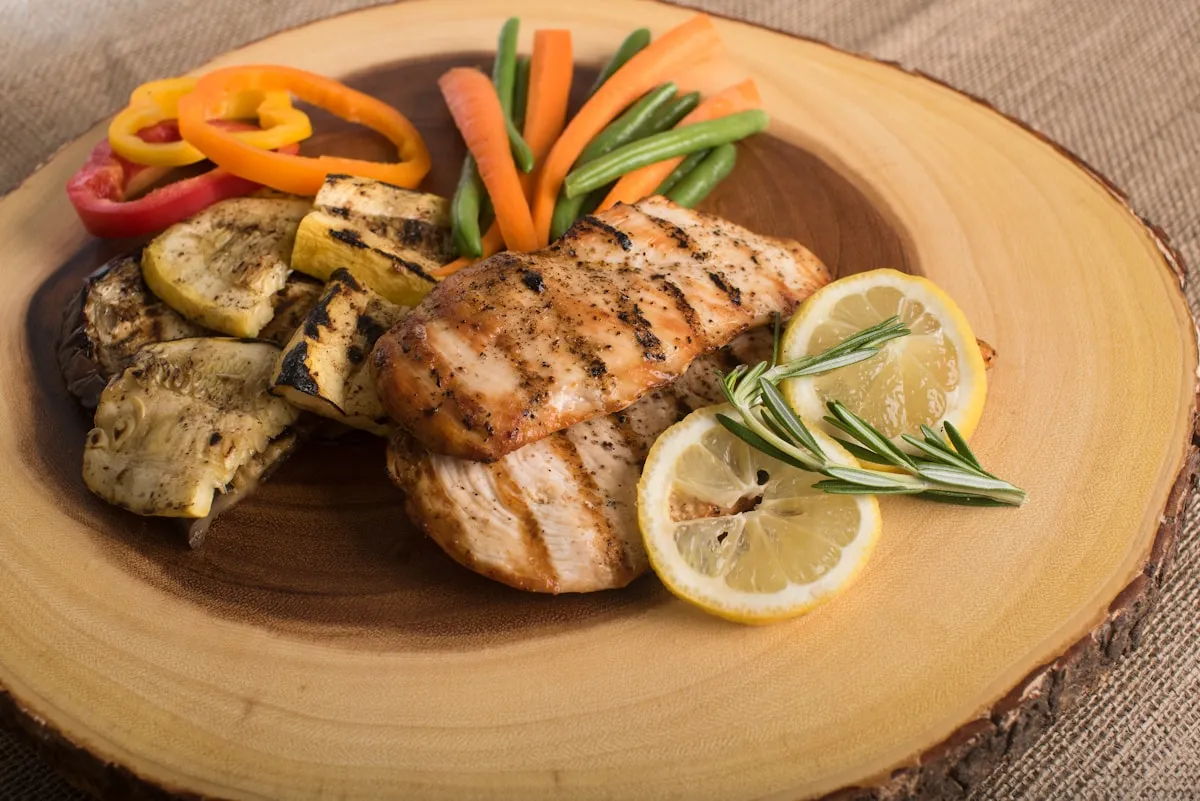
Dry the chicken before it meets the pan, season it well, and give it room. Moisture is the enemy of browning because the pan must first evaporate that water before the surface can become hot enough for the Maillard reaction. Once the chicken develops a golden crust, remove it temporarily rather than letting it overcook while the orzo finishes.
Those brown bits left on the bottom are called fond. Treat them as free flavor. When the cooking liquid hits the pan, scrape gently to dissolve them into the sauce. This is how a short ingredient list can still produce a dinner with serious depth.
Use the same principle with the mushrooms. Mushrooms contain a great deal of water, so expect them to shrink and release liquid before they brown. Keep the heat high enough to evaporate that moisture, and avoid piling them into a crowded heap. Salt them lightly at first, then adjust later. Once they turn golden at the edges, they will taste meatier, nuttier, and far more interesting than mushrooms that have simply gone soft.
Control the Starch, Heat, and Liquid
After the chicken and mushrooms have done their delicious browning work, soften the aromatics in the flavorful fat left behind. Add garlic late in this stage because it can go from fragrant to bitter with surprising speed. If you are using flour, cook it briefly in the fat to create a light roux. The flour helps thicken the sauce and gives the dairy a little structural support.
Toast the dry orzo for a minute or two before adding liquid. This small step gives it a gentle nutty flavor and coats the pasta with fat, which helps the grains stay distinct instead of forming one enormous pasta clump.
Use a gentle simmer, not an aggressive boil. Orzo is small and starch-rich, so it can stick quickly when the heat is too high. Stir across the bottom of the pot every few minutes, increasing your attention as the sauce thickens. Add a splash of hot stock or water if the pasta is still firm but the pot looks dry.
Aim for a sauce that appears slightly looser than your final goal. Orzo continues absorbing liquid after you turn off the heat, and the sauce will tighten as it rests. A perfect pot at the stove can become a very serious pasta brick ten minutes later if you cook it until it already looks thick.
Finish Gently for a Silky Sauce
Add cream, Parmesan, or another soft dairy element near the end, preferably with the heat low or off. High heat can make dairy split, especially when acidity is also present. The starch from the orzo helps stabilize the sauce, but it is not magic. Keep the mixture below a hard boil and stir gently.
Add spinach at the finish, too. Fresh leaves collapse quickly in the residual heat, so there is no prize for cooking them into gray ribbons. Stir just until they are wilted and still look lively. If you use frozen spinach, squeeze out excess water first; otherwise, it can loosen the sauce and dilute the seasoning.
Return the chicken once the orzo is tender so it can warm through without drying out. Check the thickest piece with a thermometer and make sure it reaches 165°F (74°C). Finish with black pepper and a little lemon juice if the dish tastes heavy. Acidity does not make the sauce less creamy; it makes the richness taste more balanced.
For more weeknight inspiration, browse Cookpedia’s one-pot meals collection, chicken recipes, and pasta recipes.
Variations That Keep the Balance
Swap chicken thighs for chicken breast if you prefer a leaner bite, but watch the cooking time closely. Breast meat has less fat and can dry out if it stays in the pot from the beginning. Cut it into evenly sized pieces and return it near the end.
Use kale, Swiss chard, or arugula instead of spinach. Kale needs more time to soften, while arugula wilts almost instantly and adds a peppery edge. Choose based on the mood of the pot: and on what is looking lonely in your vegetable drawer.
Replace some of the mushrooms with zucchini, peas, roasted red peppers, or chopped asparagus. Add watery vegetables thoughtfully, because they can change the liquid balance. Sautéing them first helps remove excess moisture and concentrates their flavor.
For a lighter finish, use whole milk instead of heavy cream and rely on the orzo’s starch for body. For a richer version, stir in a small amount of cream cheese or crème fraîche off the heat. Add lemon zest, fresh thyme, red pepper flakes, or a spoonful of pesto to shift the flavor without rebuilding the whole dish.
Need a meat-free dinner? Leave out the chicken and increase the mushrooms, greens, and vegetable stock. Cookpedia’s vegetarian dinner recipes offer more ideas for building satisfying meals around vegetables, grains, and pasta.
Side Dish Pairings: Add Freshness, Not More Heaviness
This orzo is already creamy and substantial, so pair it with something crisp, bright, or lightly bitter. A simple green salad with lemon dressing is an excellent choice because acidity cuts through the richness and refreshes your palate between bites.
Roasted broccoli works well, especially if you give it a squeeze of lemon before serving. Its charred edges echo the browned mushrooms while its firm texture contrasts with the soft orzo. Steamed green beans, dressed with olive oil and vinegar, provide the same balance with less oven time.
Serve crusty bread only if you have sauce to collect: and you will. Keep the portion modest because the orzo already brings plenty of starch. Avoid pairing this dish with creamy potatoes, buttery noodles, or a heavy cheese casserole. That is not a side-dish plan; that is a dairy convention.
For a lighter table, explore Cookpedia’s salad recipes or healthy recipes. Choose something crunchy and acidic, and let the orzo remain the cozy centerpiece.
FAQ: Troubleshooting Creamy Chicken Orzo
Why did my orzo turn sticky?
Usually, the heat was too high, the pot was too narrow, or the orzo was not stirred often enough. Small pasta releases plenty of starch, which is helpful for creaminess but troublesome when it settles on the bottom and catches. Use a heavy, wide pan, keep the simmer gentle, and scrape the base regularly. Serve soon after cooking because the pasta continues absorbing sauce as it sits.
What if the sauce looks too thick?
Take the pot off the heat and stir in a small splash of hot stock, water, or milk. Add it gradually rather than flooding the pan. The goal is to loosen the sauce while keeping its emulsion intact. Remember that the orzo will continue drinking liquid, so correct the texture just before serving and again after a short rest if needed.
What if the sauce is too thin?
First, check the pasta. If the orzo is still firm, continue cooking gently and stir frequently; it will absorb more liquid as it finishes. If the pasta is already tender, simmer uncovered for a minute or two. Avoid cranking up the heat, which can scorch the bottom before the sauce thickens. A little Parmesan can also add body, but use it as a finishing touch rather than a rescue mission.
Can I use chicken breast instead of chicken thighs?
Yes. Chicken breast works, but it is less forgiving because it contains less fat. Cut it into even pieces, brown it without cooking it far beyond done, and remove it while the orzo cooks. Return it near the end and verify that the thickest piece reaches 165°F. If the pieces are very large, they may need more time; if they are small, they can overcook quickly.
Can I make this dairy-free?
You can. Use a dairy-free milk or cooking cream that is designed for heat, and finish with a plant-based Parmesan alternative if desired. Unsweetened cashew cream gives a neutral, creamy result, while coconut milk adds a noticeable tropical flavor. Keep the heat gentle and taste before adding extra salt, since dairy-free substitutes vary widely in seasoning.
Can I freeze leftovers?
Creamy orzo is best refrigerated rather than frozen. The pasta can become soft and the sauce may separate after thawing. Store leftovers in an airtight container and refrigerate them promptly. Reheat gently on the stovetop or in short microwave bursts, adding a splash of stock or milk to restore the sauce. Stir often and heat until piping hot throughout.
How can I make the dish lighter without making it bland?
Reduce the cream rather than removing all the fat and flavor at once. Let the orzo’s starch provide some of the body, add extra mushrooms and spinach, and finish with lemon juice or zest. Use a well-seasoned, lower-sodium stock and brown the chicken properly. Richness is only one part of flavor; browning, umami, herbs, pepper, and acidity all pull their weight.